Local governments everywhere face the same challenge: communities expect faster, more coordinated emergency response—but budgets, staffing, and infrastructure investments rarely keep pace.
New radio systems, command centers, and hardware upgrades are expensive and slow to deploy. Meanwhile, disasters don’t wait.
The good news? Local governments can improve emergency response without new infrastructure by better using the resources they already have: people, mobile devices, community organizations, and real-time information.
This shift isn’t about replacing existing systems. It’s about closing the gaps between agencies, citizens, and responders when it matters most.
The Infrastructure Myth in Emergency Response
When response times lag or coordination breaks down, the default assumption is often: we need better infrastructure.
In reality, most emergency failures happen between systems, not because of missing ones.
Common breakdowns include:
-
Delayed situational awareness
-
Poor communication with the public
-
Limited visibility into community-level incidents
-
Disconnected NGOs and volunteer groups
-
Information bottlenecks at dispatch or EOCs
None of these require new physical infrastructure to fix. They require better coordination and real-time data sharing.
1. Activate the Community as a Real-Time Data Source
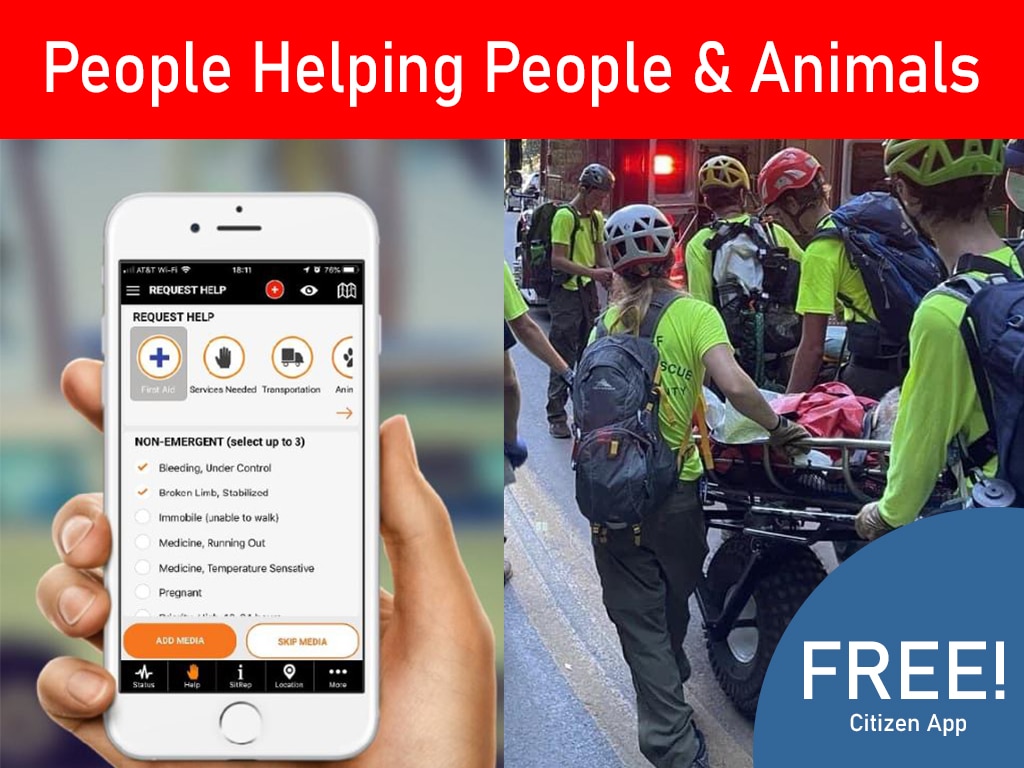
Citizens are already on the scene before responders arrive. They have smartphones, location data, and firsthand visibility—but most governments don’t have a structured way to capture that information.
To improve emergency response without new infrastructure, local governments can:
-
Enable mobile incident reporting from residents
-
Allow photo, video, and location-based submissions
-
Funnel citizen reports into a single operational dashboard
-
Validate and triage information in real time
This turns the public from passive recipients of alerts into active contributors to situational awareness—without installing a single new sensor or camera.
2. Use Existing Mobile Devices Instead of New Hardware
Every responder, volunteer, and city official already carries a powerful communication tool: a smartphone.
Rather than investing in new devices, governments can:
-
Enable push alerts, task assignments, and status updates
-
Share real-time instructions during evolving incidents
-
Coordinate across departments without new radios or terminals
Mobile-first tools allow agencies to improve emergency response without new infrastructure while expanding reach beyond traditional systems.
3. Coordinate NGOs and Volunteers in Real Time
One of the biggest missed opportunities in emergency response is under-utilized community capacity.
Local NGOs, CERT teams, faith groups, and volunteers often want to help—but lack direction, visibility, or coordination.
Without new infrastructure, governments can:
-
Register and verify community organizations in advance
-
Assign roles and tasks during emergencies
-
Share situational updates with trusted partners
-
Track volunteer activity and availability in real time
When communities self-organize with official guidance, response capacity expands instantly—without adding cost or complexity.
4. Improve Public Communication Beyond One-Way Alerts
Most emergency communication systems focus on broadcasting alerts. But alerts alone don’t create coordination.
To truly improve emergency response without new infrastructure, communication must be two-way.
This means:
-
Updating guidance as situations change
-
Providing localized instructions by area
-
Reducing misinformation through verified channels
Two-way communication builds trust, improves compliance, and gives authorities better visibility into what’s actually happening on the ground.
5. Break Down Departmental Silos With Shared Visibility
Police, fire, EMS, public works, and emergency management often operate in parallel during incidents—each with partial information.
Without building new systems, local governments can:
-
Share a common incident view across departments
-
Centralize reports, updates, and task assignments
-
Reduce duplication of effort
-
Speed up decision-making with better context
Shared visibility improves coordination immediately and helps leaders allocate resources where they’re needed most.
6. Complement Existing Systems Instead of Replacing Them
Improving response doesn’t mean discarding current investments.
Modern emergency coordination platforms are designed to:
-
Integrate alongside CAD, radio, and alerting systems
-
Fill communication and coordination gaps
-
Extend reach to citizens and community partners
-
Enhance—not disrupt—current workflows
This approach allows governments to improve emergency response without new infrastructure while protecting prior investments and avoiding long implementation timelines.

A Smarter Path Forward for Local Governments
Budgets may be tight—but expectations are high. Communities want faster response, clearer communication, and better coordination during emergencies.
Local governments that succeed will be those that:
-
Leverage community participation
-
Use mobile technology already in hand
-
Coordinate beyond traditional agencies
-
Share information in real time
-
Build resilience without waiting for new infrastructure
Emergency response doesn’t need to be rebuilt from the ground up. It needs to be connected.
Improve Emergency Response—Starting Today
PubSafe helps local governments improve emergency response without new infrastructure by connecting citizens, agencies, NGOs, and volunteers on one secure, real-time platform.
? Request a demo or register your organization to see how PubSafe strengthens community-driven emergency response—without new hardware, long deployments, or complex integrations.