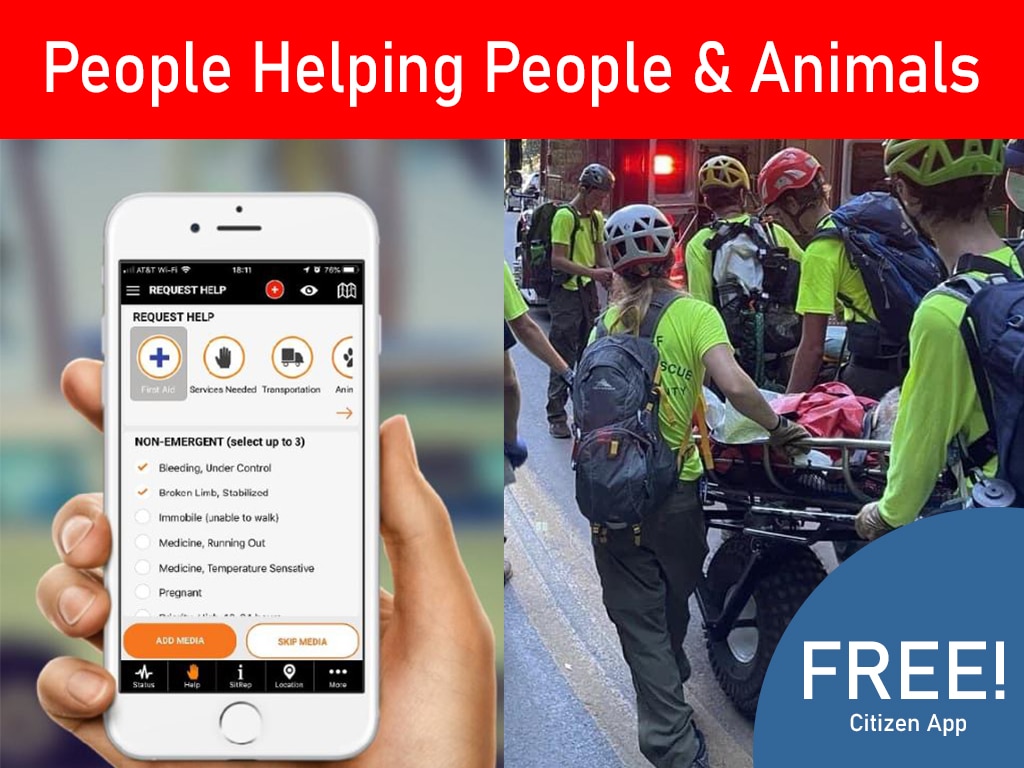
Feeling safe in your community shouldn’t be a passive experience. Why rely on secondhand news when you can get real-time updates? A neighborhood safety app changes the dynamic, putting the power of information directly into your hands. It transforms you from a bystander into an active part of a network, sharing updates that keep everyone informed and safe. When you download an app, you’re not just getting alerts; you’re joining a proactive system of support where neighbors truly look out for one another.
Key Takeaways
- Match the App to Your Mission: Decide if you need a tool for everyday neighborhood watch, like tracking local updates, or a robust platform for coordinating a response during a major emergency. Choosing the right type of app is the most important first step.
- Look for Connection, Not Just Alerts: A great safety app does more than send warnings; it connects you. Prioritize platforms that allow easy two-way communication between you, your neighbors, and official response agencies for a truly coordinated effort.
- Review the Policies and Pricing: Before you download, check the app’s privacy policy and pricing model. This helps you understand how your data is used and avoid surprise subscription fees for the features you actually need.
Why Neighborhood Safety Is a Priority
At its heart, a safe neighborhood is a connected one. It’s built on the simple idea that we’re stronger and more secure when we look out for one another. For a long time, that connection was limited to a friendly wave or a conversation over the fence. Now, technology gives us the power to create a much more dynamic and responsive community. Instead of being passive bystanders, we can become an active network of eyes and ears, sharing information that keeps everyone safer. When you join a platform designed for community safety, you’re doing more than just receiving alerts; you’re plugging into a system of mutual support that strengthens the entire neighborhood.
This sense of connection is about more than just preventing crime. It’s about building resilience for any challenge that comes your way, from a localized power outage to a regional weather emergency. A truly prepared community is one where residents, volunteer groups, and official agencies can communicate and coordinate effectively. When everyone is on the same page, the response is faster and more organized. Understanding how PubSafe works to link these different groups shows just how powerful a unified platform can be. It transforms individual efforts into a collective force, ensuring that help and information flow to where they’re needed most during a critical event.
Understanding Modern Security Risks
The risks we face today are more complex than a simple break-in. A security threat could be a sudden wildfire, a flash flood, a hazardous material spill on a nearby highway, or even a public health alert. In these situations, information is your most valuable asset. Getting real-time updates allows you to make informed decisions, like knowing which roads to avoid or when it’s time to prepare for an evacuation. Modern safety apps are designed to deliver these critical alerts, often faster than traditional news channels, giving you and your family precious time to react and stay out of harm’s way.
A huge part of this real-time awareness comes from people like you. Official responders are incredible, but they can’t see everything at once. When community members have the ability to report an incident as it happens, they help create a complete, on-the-ground picture of a developing situation. This crowdsourced information fills critical gaps, alerting neighbors to a downed power line or helping emergency services understand the scope of an event. This collaborative approach to safety doesn’t just keep you informed; it empowers you to be an active participant in protecting your community.
What Is a Neighborhood Safety App?
Neighborhood safety apps are mobile tools designed to help you and your neighbors stay informed and connected. Think of them as a digital neighborhood watch, leveraging the power of your smartphone to create a safer environment. Their main goal is to make your community more secure by using technology to share information quickly and efficiently. Instead of relying on word-of-mouth, these apps allow residents to report suspicious activities, receive real-time crime alerts, and communicate directly with each other and sometimes even local law enforcement. By fostering this kind of vigilance and collaboration, these apps help create a more aware and proactive community.
The scope of these apps can vary widely. Some focus on crime prevention by sharing security camera footage, while others are built for large-scale emergency response, connecting citizens with first responders and volunteer groups. Whether it’s a notice about a lost pet, a warning about a nearby break-in, or a platform to coordinate volunteers during a natural disaster, these tools put safety information right at your fingertips. They empower you to be an active participant in your neighborhood’s well-being, turning a group of houses into a connected and supportive community. The core idea is simple: when neighbors look out for one another, everyone is safer.
From Traditional Watch Groups to Digital Platforms
The idea of a neighborhood watch isn’t new; it’s rooted in the simple, powerful concept of neighbors looking out for one another. For decades, this meant phone trees, monthly meetings, and printed newsletters. While the intention was always strong, the methods were slow. Information could become outdated before it even reached everyone. Today, that community-first spirit has evolved into a digital format. Modern safety apps take the core principle of a neighborhood watch and equip it with the speed and efficiency of smartphone technology. Instead of relying on word-of-mouth, you can now share real-time updates, report an incident as it happens, and communicate directly with your neighbors and even response teams, all from one place.
This shift from analog to digital does more than just speed things up; it expands the very definition of community safety. While some apps focus on local crime alerts, others provide a comprehensive framework for large-scale events. Platforms like PubSafe show how this works by connecting citizens not only with each other but also with professional responders like CERT teams, NGOs, and public safety agencies. This creates a unified network where everyone can contribute to a coordinated response during a flood, wildfire, or other major emergency. It’s the evolution from a passive watch group to an active, collaborative safety ecosystem, empowering everyone to be part of the solution.
How Do These Apps Actually Work?
At their core, these apps function as real-time information hubs. When a user spots something concerning, like a potential package thief or a downed power line, they can post an alert. This alert is then pushed out to other users in the immediate vicinity, often appearing on a public map for all to see. The information often comes directly from residents, but many apps also integrate data shared by local police departments to provide official updates on crime and safety incidents. Some platforms even offer live broadcasts of developing situations, giving you a clear picture of what’s happening nearby so you can stay out of harm’s way.
How These Apps Help You Connect with Neighbors
The primary purpose of a neighborhood safety app is to build a stronger, more collaborative community. By creating a shared space for communication, these apps break down the barriers that can exist between neighbors. They provide a platform where you can share real-time information about local events, from a block party to a missing person alert. This shared awareness empowers everyone to look out for one another. For example, an app might help you organize a search for a lost dog or check on an elderly neighbor during a heatwave. This digital connection fosters a network of vigilance and support, turning neighbors into an effective response team when it matters most.
Comparing the Most Popular Neighborhood Safety Apps
With so many neighborhood safety apps out there, it can be tough to figure out which one is right for you. They all promise to keep you informed, but they work in very different ways. Some are like a digital neighborhood watch, focusing on local crime and suspicious activity. Others are designed for large-scale emergency response, connecting you with official agencies when it matters most. Let’s break down the most popular options so you can find the perfect fit for your community and family.
PubSafe: Your Go-To for Coordinated Response
PubSafe is less of a neighborhood watch app and more of a full-scale disaster response platform. It’s built to connect citizens directly with official responders like public safety agencies, NGOs, and Community Emergency Response Teams (CERT). When a major event like a flood or wildfire happens, you can use the app to report incidents, request assistance, or volunteer your skills. The platform’s real strength is its ability to create a common operating picture for everyone involved, from a citizen reporting a downed power line to an agency coordinating a large-scale evacuation. It’s a powerful tool for communities that want to build a truly integrated and resilient disaster response plan.
Ring Neighbors: For Eyes on Your Street
If you have a Ring camera, the Neighbors app is a natural extension of that system. It provides real-time alerts about crime and safety, pulling information from other Ring users and local law enforcement partners in your area. The focus is heavily on video, allowing you to see what’s happening and share your own footage to help with investigations. While it’s great for visual confirmation of neighborhood events, some users report technical glitches with logging in or setting up accounts. It’s most effective as a digital neighborhood watch, especially for tracking things like package thefts or suspicious activity caught on camera. You can download the app to see what your neighbors are reporting.
Nextdoor: The Social Hub for Your Neighborhood
Nextdoor operates like a private social network for your specific neighborhood. While safety is a component, its scope is much broader. You’re just as likely to find a post about a lost dog or a recommendation for a good plumber as you are a safety alert. It’s a fantastic tool for building community connections and getting real-time updates on local happenings like power outages or road closures. Because it’s so community-driven, the quality of information can vary, but it excels at fostering a sense of local camaraderie. The Nextdoor app is a great way to get to know the people who live around you and stay in the loop on everyday matters.
Understanding Nextdoor’s Data Privacy Policy
While Nextdoor’s focus on verified identity helps build a trusted community, it’s important to understand the privacy trade-offs. The app requires you to use your real name and verify your address, which means you’re sharing significant personal information right from the start. Beyond that, the platform collects data on your location, your connections, and how you use the app. This information is used to personalize your experience, but it can also be shared with third-party partners for advertising purposes. Before you fully commit, it’s a good idea to review its privacy policy to see exactly how your data is handled and what control you have over it.
Citizen: Know What’s Happening, Now
Citizen’s main goal is speed. The app sends instant alerts about nearby crimes and emergencies, often pulling from 911 dispatch data before official news reports are available. This can give you a head start in avoiding a dangerous situation. Users can also stream live video from an incident, providing a real-time view of what’s happening on the ground. While its speed is a major advantage, it’s important to remember that initial reports can sometimes be unconfirmed or lack context. The Citizen platform is designed to empower you with immediate information, helping you make informed decisions to stay safe in a rapidly changing environment.
Free vs. Premium Subscription Plans
Many safety apps operate on a freemium model, offering basic alerts for free while reserving advanced features for paying subscribers. Citizen is a prime example of this structure. The free version provides essential incident alerts, but its premium tiers offer more personalized security. The Citizen Premium plan gives you 24/7 access to Safety Agents who can monitor your location via video or text if you feel unsafe and contact emergency services for you. The Plus plan offers deeper insights, like access to police scanner audio and the ability to customize your alert notifications for multiple locations. While these individual services can be valuable, it’s important to consider the app’s primary goal. Platforms like PubSafe, on the other hand, focus on making core coordination tools free for citizens and organizations to build community-wide resilience from the ground up.
Real-World Impact and Alert Speed
The true power of an app like Citizen lies in its speed. By tapping into 911 data, it often delivers alerts minutes, or sometimes even hours, before official channels. This time advantage can be life-saving. For instance, one trauma surgeon received a Citizen alert about a nearby incident and was able to prepare an operating room more than 20 minutes before the official EMS call arrived, directly contributing to saving the patient’s life. For the average person, this speed means getting a crucial heads-up to avoid a dangerous area or prepare for an incoming emergency. This rapid information sharing is the foundation of effective community safety, allowing individuals and response teams to act quickly and decisively when every second counts.
Life360: For Keeping Track of Your Loved Ones
Unlike the other apps on this list, Life360 is focused on your inner circle, not your entire neighborhood. It’s primarily a location-sharing app designed to keep families and close friends connected. You can create a private group to see each other’s real-time locations on a map, get alerts when someone arrives at or leaves a specific place like school or work, and even get crash detection alerts. It’s an excellent tool for parents who want peace of mind about their kids’ whereabouts or for coordinating with family members. While it won’t alert you to a crime down the street, Life360 is a top choice for personal and family-level safety.
SpotCrime+: Mapping Out Crime Reports
SpotCrime+ is a useful tool for residents who want to stay on top of local crime reports. The app delivers real-time crime information and alerts directly to your phone based on your location, using GPS to map out incidents happening nearby. It gathers its data from a wide range of official sources, including police departments, sheriff’s offices, and news reports, making it a solid resource for neighborhood watch groups looking to stay vigilant. You can even sign up for free email alerts to keep tabs on your area. While it’s a comprehensive tool, some users have pointed out occasional inaccuracies in the data, like crimes being listed in the wrong location, which is something to keep in mind. You can learn more about the SpotCrime+ app on the App Store.
Other Niche Apps: GuardMetrics and Zuluhood
Beyond the big names, there are other niche apps designed to enhance community safety. GuardMetrics, for example, acts as a digital tool for entire communities, offering real-time alerts and facilitating communication during emergencies. It’s often managed by security companies, making it a robust option for coordinated responses. On the other hand, Zuluhood is tailored specifically for neighborhood watch initiatives, giving residents a platform to report suspicious activities and collaborate on safety measures. Both of these apps focus on fostering a sense of community and encouraging proactive engagement among neighbors, which ultimately contributes to a safer environment for everyone. These specialized tools show how technology can be adapted for specific community needs.
Non-Negotiable Features in a Safety App
When you’re looking for a safety app, the options can feel overwhelming. Each one offers a slightly different approach, from social networking to video monitoring. But beneath the surface, the most effective apps share a few fundamental features. These are the non-negotiables that turn a simple app into a powerful tool for community safety and emergency response. Think of this as your checklist for finding an app that truly delivers when you need it most. A great app doesn’t just send you alerts; it connects you with your neighbors and local responders, creating a unified network when it matters.
Instant Alerts When It Matters Most
In an emergency, every second counts. The best safety apps deliver instant alerts directly to your phone, often faster than traditional news or official channels. This speed can make all the difference, whether it’s a nearby fire, a severe weather warning, or a public safety incident. Look for an app that provides timely and geographically relevant notifications, so you only get the information that matters to you. Having a clear, real-time view of what’s happening allows you to make informed decisions to keep yourself and your loved ones safe. You can often see these events unfold on a public map, giving you a visual understanding of the situation.
Tools for Community Reporting and Chat
A strong community is a safe community, and a good safety app should help build those connections. It’s not just about receiving alerts; it’s about creating a two-way conversation. The app should make it easy for you to report an incident or share information with your neighbors and local response teams. When residents can easily share updates on suspicious activity, post about a lost pet, or check in on an elderly neighbor, it creates a network of eyes and ears. This collaborative approach empowers everyone to take an active role in their neighborhood’s well-being and fosters a sense of shared responsibility.
Does It Connect with Local Authorities?
The most powerful safety apps bridge the gap between residents and official responders. Look for platforms that allow verified organizations like police, fire departments, NGOs, and CERT teams to share information and coordinate efforts. This integration is critical during a large-scale emergency. It ensures that the information you receive is credible and that your reports are seen by the people who can help. When citizens and professional responders can communicate on a single platform, it creates a more organized and effective response, allowing for better resource deployment and clearer communication. This is why many platforms have a dedicated organization registration process.
Resources to Help You Prepare for Anything
A safety app shouldn’t only be useful during a crisis. The best ones also help you prepare for one before it ever happens. Features like emergency preparedness guides, safety checklists, and access to local resources can be incredibly valuable. These tools can walk you through creating a family emergency plan, building a disaster kit, or understanding the specific risks in your area, like floods or wildfires. By providing actionable information ahead of time, the app empowers you to be proactive about your safety. This focus on preparedness helps build resilience for you, your family, and your entire community.
Advanced Safety Tools to Look For
Beyond the essential features like real-time alerts and community forums, many safety apps offer advanced tools that provide an extra layer of security. These features are designed to give you more direct control over your personal safety and property protection. While instant notifications keep you aware of what’s happening around you, these specialized tools empower you to take immediate action in a personal emergency or to proactively safeguard your home. Think of them as the next step in building a comprehensive safety net, combining broad community awareness with specific, actionable features that bring you and your trusted contacts greater peace of mind.
Panic Buttons and Emergency Contacts
One of the most powerful advanced features is a personal panic button. If you ever find yourself in a distressing situation, this tool allows you to instantly send an emergency alert with your precise location to a pre-selected list of emergency contacts. Imagine walking home alone at night and feeling uneasy; with a single tap, you can notify your partner, a family member, or a trusted neighbor that you need help. This feature provides an incredible sense of security, knowing that a direct line to your personal support network is always in your pocket. It bypasses the need to make a call or type a message, ensuring you can summon help quickly and discreetly when you feel most vulnerable.
Visitor and Vacation Watch Features
A great safety app can also help protect your home, especially when you’re not there. Vacation watch features are a modern take on asking a neighbor to watch your house. Instead of relying on one person, you can use the app to discreetly notify a trusted group of neighbors that you’ll be away. This allows them to keep an eye on your home for any unusual activity, creating a collaborative layer of security. Some apps also include visitor management, letting you inform your network about expected service providers or guests. This simple act of sharing information fosters a strong sense of community vigilance and ensures that the people looking out for your property know exactly what to expect.
The Real Benefits of Using a Neighborhood Safety App
Safety apps do more than just send you alerts; they actively change the dynamic of a neighborhood. When you and your neighbors use a shared platform, you create a network of eyes, ears, and helping hands. This digital connection can translate into real-world safety and a stronger sense of community. By speeding up communication during a crisis, fostering collaboration, and providing a clear picture of local safety trends, these apps empower residents to be more proactive and supportive of one another. They transform a group of households into a truly connected and resilient community, ready to respond when it matters most.
Get Critical Information, Faster
When an emergency happens, every second counts. Safety apps are incredibly effective at getting critical information out quickly. Sometimes, a user-generated alert can spread through a neighborhood hours before an official notification is issued. This speed is vital, whether it’s a spreading wildfire, a flash flood, or a local public safety concern. Getting a heads-up allows you and your family to take action sooner. Platforms like PubSafe are built for this kind of rapid response, allowing anyone to report an incident directly from their phone. This instantly populates a shared map, alerting neighbors and official response teams at the same time.
Creating Stronger Community Connections
A strong community is a safe community. Apps designed for neighborhood communication help build those essential bonds. They create a space for neighbors to share updates, ask for help, and look out for one another. It’s like a digital neighborhood watch, but it goes beyond just crime prevention. You can share information about a lost pet, organize a storm cleanup, or check on an elderly neighbor. This collaboration fosters trust and a sense of shared responsibility. It’s about knowing you have a network of people nearby who have your back, which is the foundation of effective volunteer coordination during a crisis.
Mapping Out Local Crime and Safety
Understanding what’s happening around you is the first step toward improving safety. Many apps use maps to display reported incidents, from minor thefts to more serious events, giving you a clear visual of safety trends in your area. Seeing this information laid out on a map helps you identify potential hotspots and stay aware of your surroundings. This isn’t about living in fear; it’s about being informed. PubSafe’s public map takes this a step further by showing not just incidents but also where help is needed and where resources are available, giving everyone a complete picture during an emergency.
Let’s Talk About Privacy and Security
When you use an app to connect with your community, you’re trusting it with your personal information. That’s a big deal. The goal of these apps is to make you feel safer, and a huge part of that is knowing your data is secure and being used in a way you’re comfortable with. Before you hit download, it’s smart to get a clear picture of how an app handles your privacy.
Every app is different, so taking a few minutes to understand their policies can save you a lot of headaches later. Think about what you’re willing to share and look for an app that aligns with your comfort level. Let’s walk through the key questions you should be asking.
Who Controls Your Data?
It’s the first question on everyone’s mind: who sees my information? Some apps, like Ring Neighbors, may share your data with other companies, while others collect detailed personal information, including your contacts. The best way to get answers is to look for the app’s privacy policy. While it might seem like a long document, a quick scan can tell you a lot about how a company views your privacy. Look for clear language about what they collect and who they share it with. It’s also a good sign when an app offers data encryption and gives you the option to request data deletion.
What to Know About Location Tracking
Nearly every neighborhood safety app uses your location to provide relevant alerts. The real question is how and when they track it. Some apps may access your location even when the app is closed, which can be a drain on your phone’s battery and feel a bit invasive. Others, like Nextdoor, only use your location in the background if you grant specific permission for certain features. The best approach is to find an app that gives you control. Check your phone’s settings to manage app permissions and ensure the app’s location access matches your needs and comfort level.
Who Sees Your Information (And When)?
The way an app shares information directly impacts its effectiveness and the community’s trust. For example, some apps send alerts instantly, which can be incredibly helpful in a fast-moving situation. Others build a safer environment by verifying users with their real names and addresses to foster accountability. At PubSafe, we believe information should be shared with a clear purpose. When you report an incident, that data is used to coordinate a response between citizens, volunteer teams, and official agencies. This structured approach ensures your information is used effectively to help others when it matters most.
What Do Neighborhood Safety Apps Cost?
When you’re looking for a neighborhood safety app, one of the first questions you’ll probably ask is, “How much does it cost?” The answer isn’t always straightforward. Many apps offer a mix of free and paid plans, and the best choice for you really depends on what you need. Some provide basic alerts for free, while others lock more advanced features behind a subscription. Understanding these different pricing structures is key to finding an app that fits your budget and gives you the tools you need to feel secure. It’s all about knowing what you’re getting for your money, so you can make a decision you feel good about.
Free vs. Paid: What’s the Real Difference?
Most neighborhood safety apps operate on a “freemium” model. This means they offer a free version with core features and a paid version with more advanced tools. For example, the Citizen app sends you real-time incident alerts for free, but you might need to upgrade to a premium plan to comment on posts. Similarly, family-focused apps like Life360 provide basic location tracking in their free plan, while their paid tiers add features like driving safety reports.
On the other hand, some platforms are built to be accessible to everyone. PubSafe provides a completely free app for citizens and responding organizations, ensuring that critical communication and coordination tools are available to all during an emergency without a paywall.
A Look at Citizen’s Paid Tiers
While Citizen’s free version gives you those crucial real-time alerts, their paid subscription, Citizen Premium, is designed for moments when you need a more personal layer of safety. The standout feature is 24/7 access to a live Safety Agent. If you ever feel unsafe—maybe you’re walking to your car late at night or in an unfamiliar part of town—you can connect with an agent through video, voice, or text. They can monitor your location, stay on the line with you, and even help dispatch emergency services if needed. This feature, which they call Protect, essentially gives you a personal safety expert on call, ready to provide support and a direct line to help when you feel most vulnerable.
Understanding App Pricing Models
Pricing models for safety apps usually come in the form of monthly or annual subscriptions. You’ll often see tiered plans, where each level unlocks more features. A basic plan might give you alerts, while a premium plan could add direct lines to safety agents or detailed incident reports. This tiered approach lets you choose the level of service that matches your needs.
Some platforms, however, prioritize community-wide access over tiered pricing. PubSafe, for instance, focuses on creating a unified network for emergency response. It allows everyone from individuals to official agencies to use the platform for free, with a simple organization registration process. This model is designed to remove barriers and encourage widespread adoption, which is crucial when a coordinated response is needed.
How to Spot and Avoid Hidden Fees
While many apps are transparent about their pricing, it’s always smart to watch out for hidden fees or features that seem free but aren’t. An app might offer a free trial that automatically converts to a paid subscription if you forget to cancel. Others provide a free plan that may lack the essential tools you need, encouraging an upgrade to a premium subscription you hadn’t planned for.
Before you download and commit to an app, take a moment to read through the subscription details. Understand what’s included in the free version and what features require payment. This helps you avoid any surprise charges and ensures the app you choose truly meets your safety needs without breaking your budget.
What Are Real Users Saying?
App store descriptions and marketing materials can paint a rosy picture, but the real story is always in the user reviews. Diving into feedback from people who use these apps every day gives us a clear, unfiltered look at what works, what doesn’t, and what you should watch out for. It’s the best way to understand the practical, day-to-day experience of relying on an app for your safety.
Which Features Do Users Love Most?
When you scroll through positive reviews, a common theme emerges: a stronger sense of community and empowerment. Users love receiving timely notifications about what’s happening on their street, from suspicious activity to local events. Many feel that these apps serve as a digital neighborhood watch, helping them feel more connected and proactive. People frequently mention how the platform helps them keep an eye out for things like package theft, giving them a tool to share information and look out for one another. This ability to foster community vigilance is often cited as a top benefit.
The Most Common User Complaints
On the flip side, a major source of frustration for users is the shift from free services to paid subscriptions. Many people download an app based on its initial promise, only to find that the most useful features, like detailed incident reports or video access, are locked behind a paywall. This often leaves users feeling like they’re being constantly pushed to upgrade. Beyond pricing models, technical glitches are another frequent complaint. Users report issues with logging in, receiving delayed notifications, or the app crashing at critical moments, which undermines the trust needed for a safety tool.
Outdated or Inaccurate Information
A safety app is only as good as its data, and a common complaint is that the information provided is unreliable. Some users have reported that an app lists crimes in the wrong cities or states, which makes the information unreliable and creates a false sense of security. Even more concerning is when an app fails to provide timely updates. For instance, “several users complain that the app doesn’t update crime incidents regularly. They say it can go weeks or months without new posts, even when crimes are happening nearby.” When you’re relying on a tool for real-time awareness, outdated information isn’t just an inconvenience—it’s a security risk that undermines the app’s entire purpose.
Confusing Maps and Location Issues
Maps are a cornerstone of most safety apps, and for good reason. “Seeing this information laid out on a map helps you identify potential hotspots and stay aware of your surroundings.” However, this feature can quickly become a point of frustration if the interface is cluttered or the location data is inaccurate. Users often report issues with incident pins being placed in the wrong location or maps that are so difficult to read they cause more confusion than clarity. In an emergency, you need information that is clear and immediate. A confusing map can slow down your ability to make a quick decision, which is why a platform built for true emergency response will always prioritize a clean, functional public map.
Pressure to Subscribe and In-App Ads
Nothing erodes trust faster than feeling like your safety is being held for ransom. “A major source of frustration for users is the shift from free services to paid subscriptions.” You might download an app for its promise of real-time alerts, only to discover that the features you need most—like viewing critical details or contacting help—are locked behind a paywall. This constant pressure to upgrade, combined with intrusive in-app ads, can make the app feel more like a sales tool than a safety resource. This is especially problematic in a crisis, where access to information should be free and unobstructed. It’s why platforms like PubSafe offer a completely free app for everyone, ensuring that cost is never a barrier to community safety.
Are Privacy and False Alarms Real Issues?
Privacy is, without a doubt, one of the biggest concerns for users. These apps often require access to your precise location, contacts, and other personal data. While companies promise to protect this information, reading the fine print on their data privacy policies can be unsettling. Another significant issue is the reliability of the alerts. Because many apps rely on user-submitted reports, false alarms can be common, leading to unnecessary anxiety. Over time, this can cause users to ignore notifications altogether, defeating the purpose of the app. Verified alerts from official sources are often more reliable but may be part of a premium subscription.
How to Choose the Right Neighborhood Safety App for You
With so many options available, finding the right neighborhood safety app can feel like a big task. The best app for you really depends on your specific goals. Are you looking to connect with your immediate neighbors about local happenings, or are you part of a team that needs to coordinate during a large-scale emergency? Some apps are designed for social updates and minor incident reporting, while others are built for serious disaster response. The distinction is important because the features and community focus can vary widely from one platform to another.
Before you download the first app you see, take a moment to think about what you truly need. Your priority might be getting real-time alerts about nearby events, or it could be having a direct line to official emergency services. Maybe you need a tool for managing a team of volunteers during a flood or wildfire. The key is to align the app’s features with your personal or organizational requirements. To help you decide, let’s break down the two most important factors to consider: the features offered and the app’s approach to your privacy. This will help you filter through the noise and find a tool that genuinely makes you and your community safer.
How to Match App Features to Your Priorities
First, think about what you want the app to accomplish. If your main interest is staying aware of local crime, you might prefer an app that displays reported incidents as dots on a map, flagging anything from fires to minor disturbances. These apps are great for a general overview of day-to-day safety.
However, if you’re focused on emergency preparedness and response, your needs will be different. You’ll want features that go beyond simple alerts. Look for tools that support volunteer coordination, allow for detailed incident reporting, and connect you with verified organizations like CERT teams and NGOs. A platform built for collaboration will be far more effective during a critical event than one designed for neighborhood chatter.
Think About Your Personal Privacy Comfort Zone
Safety apps often require access to your location and personal information to function properly, so it’s important to understand what you’re signing up for. Before creating an account, take some time to review the app’s privacy policy. Find out what data is collected, how it’s stored, and who it’s shared with. Some apps share data with third parties or law enforcement, while others prioritize keeping your information secure and private.
It’s also worth considering how community reporting is managed. While user-generated alerts can be helpful, they can sometimes reflect unconscious bias. Look for platforms that have clear guidelines for reporting and focus on objective information. Choosing an app with a transparent privacy policy ensures you feel comfortable with the level of information you share.
How to Set Up Your New Safety App
Once you’ve chosen the right app for your needs, getting it up and running is usually straightforward. Most apps follow a similar setup process that only takes a few minutes. The goal is to get you connected to your community and local resources as quickly as possible. Let’s walk through the three main steps: installing the app, setting up your profile, and connecting with responders. This process helps ensure you can start sharing and receiving important safety information right away.
A Quick Guide to Downloading and Installing
The first step is to download the app onto your smartphone or tablet. You can find most neighborhood safety apps, including PubSafe, in the Apple App Store or Google Play Store. Simply search for the app by name and tap to install. For example, you can install the free PubSafe app directly from their website, which will guide you to the correct app store for your device. The process is designed to be quick and easy, so you can move on to creating your profile and exploring the app’s features without any technical headaches.
How to Customize Your Profile and Privacy Settings
After installing the app, you’ll be prompted to create a profile. This step is key to making the app work for you. Some apps, like Nextdoor, require you to verify your address to ensure you’re connected with your actual neighbors, which helps build a trusted community. It’s also the perfect time to review your privacy settings. Take a moment to understand what information is being shared and how it’s protected. For organizations using PubSafe, the organization registration process helps verify teams and create a secure network for coordinating response efforts.
How to Connect with Local Emergency Services
A major benefit of many safety apps is their ability to connect you with official response teams. This feature bridges the gap between residents and the agencies working to keep them safe. Some apps allow verified accounts for police and local government to share official alerts. PubSafe takes this a step further by creating a unified platform where citizens, volunteer groups like CERT, and public safety agencies can all communicate and coordinate in real time. This level of team management ensures that when an incident occurs, everyone has access to the same information, leading to a faster and more organized response.
Related Articles
- PubSafe Platform – Citizen Safety Community
- PubSafe: Enhance Community Safety When It Matters Most
- PubSafe: Your #1 Tool For Community Safety
- PubSafe: Download The #1 Safety Mobile App Today & Help
Frequently Asked Questions
What’s the real difference between a community app like Nextdoor and an emergency response app like PubSafe? Think of it this way: Nextdoor is like a digital town square where you can find a recommendation for a plumber, learn about a local bake sale, or report a lost dog. It’s fantastic for building day-to-day community connections. PubSafe, on the other hand, is a dedicated command center for when things go wrong. It’s built specifically for coordinating during large-scale events like natural disasters, connecting you directly with official responders and volunteer teams to manage a crisis effectively.
Are these safety apps really free to use? Most of them offer a free version with basic features, but they often encourage you to upgrade to a paid subscription for more advanced tools. This is a common model where you might get alerts for free but have to pay to access detailed reports or other premium services. However, some platforms, including PubSafe, are committed to being completely free for both citizens and organizations to ensure that cost is never a barrier during an emergency.
How can I protect my privacy while using a neighborhood safety app? It’s smart to be proactive about your privacy. Before you even create an account, take a look at the app’s privacy policy to see what data they collect and who they share it with. Once you’re set up, go into your phone’s settings and adjust the app’s location permissions so it only accesses your location when it makes sense for you. Being mindful of the personal details you share in your profile and posts also goes a long way.
Do my reports on these apps actually go to official responders like the police or fire department? This really depends on the app. Many platforms are designed only for neighbor-to-neighbor communication, so a post about a suspicious person might only be seen by other users. However, apps built for true emergency response, like PubSafe, are designed to bridge that gap. They provide a unified platform where your incident reports are visible to verified public safety agencies and response teams, helping to create a coordinated and effective response.
I feel overwhelmed by all the options. What’s the most important thing to look for when choosing an app? The best way to cut through the noise is to first decide what your primary goal is. If you simply want to feel more connected to your immediate neighbors and stay informed about local happenings, a community-focused app is a great choice. If your priority is preparing for a serious emergency and being part of a coordinated response effort, you should look for a platform with features like volunteer management and direct integration with official agencies. Matching the app’s purpose to your needs is the key.