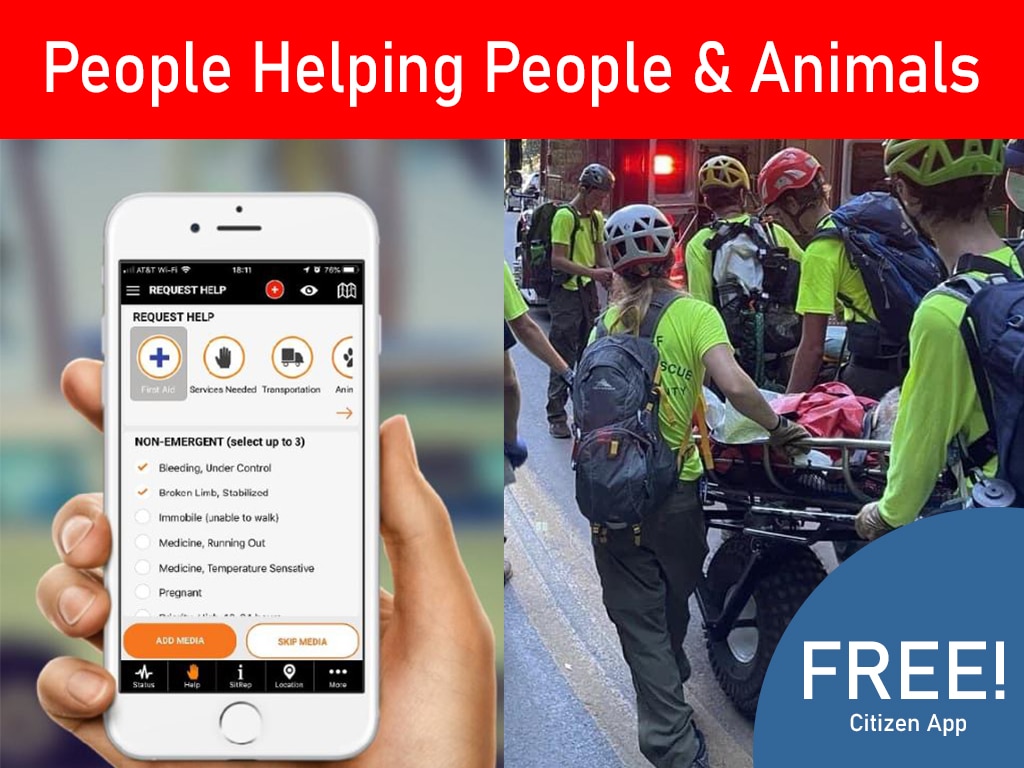
Let’s be honest: reporting a public issue can feel like shouting into the void. It’s easy to get discouraged by confusing websites and endless phone trees. But what if you could cut through the noise and get real results? This guide shows you how. We skip the fluff and give you practical checklists, clear examples, and direct links to the right resources. Knowing how to report a public hazard is a powerful skill. We’re here to help you master it and become a key part of your community’s safety.
Key Takeaways
- Make your report count with specific details: A precise location, clear photos, and a thorough description give responders the information they need to solve the problem quickly. The more actionable your report is, the faster the resolution.
- Match the hazard to the right authority: Call 911 for immediate threats to life or safety, like downed power lines or major accidents. For non-urgent problems like potholes or broken park benches, contact your local government or use a municipal reporting app.
- Use community platforms for a coordinated response: Apps like PubSafe alert a network of citizens, volunteer teams, and officials at once. This creates a real-time public map that helps everyone stay informed and work together more effectively.
What Counts as a Public Hazard?
A public hazard is any condition or situation in a shared space that poses a threat to the health and safety of the community. Think of it as a problem waiting to happen, whether it’s a minor issue that could cause a sprained ankle or a major threat that could lead to serious injury or property damage. Recognizing these dangers is the first step toward creating a safer environment for everyone. When you know what to look for, you can take action and report issues before they cause harm.
These hazards fall into a few key categories. Some are obvious, like a fallen power line after a storm. Others are more subtle, like a missing guardrail on a public staircase or a slow chemical leak into a local stream. Understanding the different types of hazards helps you know who to contact and what information to provide. Let’s break down the most common categories you’re likely to encounter in your neighborhood and public spaces. By learning to spot them, you become an essential part of your community’s safety net, helping to protect your friends, family, and neighbors.
Identifying Physical and Infrastructure Risks
Physical and infrastructure hazards are dangers that come from our built environment. These are the tangible issues you can see and touch, often resulting from damage, neglect, or poor design in public areas. The most common examples are things that cause slips, trips, and falls, like cracked sidewalks, deep potholes in the road, or poorly lit stairwells in a public building. They also include damaged playground equipment, broken public benches, or exposed wiring from a streetlight. These might seem like small annoyances, but they can lead to significant injuries. Reporting these problems helps ensure public spaces remain safe and accessible for everyone, from kids playing at the park to elderly neighbors out for a walk.
Housing and Zoning Violations
Beyond immediate trip hazards like potholes, some of the most persistent risks in a neighborhood come from housing and zoning violations. These are issues where properties don’t meet local safety standards or are used in ways that aren’t permitted for that area. Think of a derelict house with broken windows and an overgrown yard that could attract pests or crime, or a business operating illegally in a residential zone, causing constant traffic and noise. While they might not feel like emergencies, these violations can slowly degrade the safety and quality of life for the entire community, making spaces feel less secure and cared for over time.
Reporting these problems is a bit different from flagging a broken streetlight. These issues are typically handled by your town or city’s local code enforcement department, which is dedicated to these specific types of complaints. Your first step is to document the problem clearly with the property’s address, a detailed description of the violation, and photos if you can get them safely. Then, contact your municipal office to file a formal complaint. Taking action helps ensure properties are maintained and that land use rules—which exist to protect your community’s character and safety—are followed by everyone.
Recognizing Environmental Dangers
Environmental dangers are threats that originate from our natural surroundings or from harmful substances introduced into them. These hazards can be invisible, making them particularly tricky. For instance, a malfunctioning heating system in a public library could release poisonous carbon monoxide gas. Other examples include illegal dumping of trash or chemicals in a park, a polluted waterway that poses a health risk, or even a large, dead tree branch hanging precariously over a busy sidewalk. Even something as simple as a lack of shade in a public square can become a hazard during a heatwave, increasing the risk of sun-related illnesses. Reporting these issues protects not only public health but also the local ecosystem.
Storm Water, Drainage, and Pollution Issues
Storm water systems are designed with a simple rule in mind: only rain should go down the drain. These drains often lead directly to our local streams, rivers, and lakes without treatment. When they become clogged with trash, dirt, or yard debris, it can cause localized flooding that damages roads and even threatens buildings. An even more serious issue is illegal dumping. If you see someone pouring oil, paint, or other chemicals into a storm drain, you’re witnessing direct pollution of your community’s water. Similarly, severe erosion along stream banks can weaken the ground and endanger nearby homes and streets. You should report these concerns to your local Storm Water Services. To keep your community informed in real-time, you can also use the PubSafe app to document the hazard, alerting neighbors and response teams to potential flood risks or pollution.
Spotting Road and Traffic Safety Issues
Traffic and road safety issues are hazards that endanger drivers, cyclists, and pedestrians. These problems can turn a daily commute into a dangerous situation. Common examples include malfunctioning traffic lights, stop signs that are faded or blocked by overgrown trees, or dangerously large potholes that could cause a driver to lose control of their vehicle. It also covers issues affecting pedestrians, such as crosswalks with faded paint, broken “walk” signals, or sidewalks that are blocked by construction debris, forcing people to walk in the street. By reporting these road safety hazards, you help prevent accidents and keep your community’s streets safe for everyone who uses them.
Why Your Report Matters to the Community
When you spot a public hazard, it’s easy to assume someone else will handle it. But taking a few moments to report the issue is a powerful way to protect your neighbors, family, and friends. It’s a proactive step that strengthens the entire community’s safety net.
Your report can be the one thing that prevents an accident. Many common injuries, like fractures and deep cuts, happen because of overlooked safety hazards such as a broken sidewalk, a fallen power line, or a missing guardrail. By flagging these problems, you give authorities the chance to fix them before someone gets hurt. It’s a simple action that directly contributes to the physical well-being of everyone who passes through that area.
Reporting also builds a more vigilant community. When people see hazards being reported and addressed, it encourages them to be more aware of their own surroundings. This creates a shared sense of responsibility and fosters a culture of safety where everyone looks out for one another. This collective effort leads to better safety measures and a community that is more resilient and prepared for the unexpected.
Platforms like PubSafe streamline this entire process. Instead of trying to figure out who to call, you can quickly report an incident through the app, knowing the information will get to the right people. This connection between citizens and response teams is what turns individual awareness into coordinated action, making our communities safer in the long run.
How Urgent Is It? Assessing the Hazard
Before you report a hazard, take a moment to gauge how serious it is. This quick assessment helps you direct your report to the right people and ensures the most critical issues get the fastest response. Understanding the difference between an immediate crisis and a problem that can wait a bit is key to effective reporting and helps keep emergency lines open for true life-or-death situations. Your thoughtful evaluation can make a significant difference in how quickly a problem is resolved for your community.
Emergency vs. Non-Emergency: Know the Difference
First, decide if you’re dealing with an emergency. An emergency poses an immediate threat to public health, safety, or the environment. Think of things like downed power lines, a gas leak, a major road obstruction causing traffic chaos, or a chemical spill. These situations require an instant response, and you should call 911 without delay. A non-emergency hazard is something that needs attention but isn’t an immediate danger, like a large pothole, a broken park bench, or an overflowing public trash can. When you report an incident, making this distinction helps officials prioritize their actions. If you’re ever unsure, it’s always best to err on the side of caution and treat it as an emergency.
Gauging the Severity of the Hazard
Once you’ve established whether it’s an emergency, try to determine the hazard’s severity. The more specific you can be, the better authorities can understand the situation. A vague complaint is much harder to act on than a detailed one. For example, instead of saying “there’s a fallen tree,” specify “a large oak tree has fallen and is completely blocking the southbound lane of Maple Avenue.” Providing an exact address or cross-street is crucial. Photos and videos are also incredibly helpful, as they give responders a clear view of the problem before they even arrive. This level of detail helps agencies accurately assess the severity and dispatch the right resources.
What to Document Before You Report a Hazard
When you spot a public hazard, your first instinct might be to report it immediately. That’s a great instinct, but taking a few moments to document the situation can make your report much more effective. Think of it as creating a clear and actionable package of information for the response team. A detailed report helps officials understand the scope of the problem, prioritize their response, and arrive with the right equipment. It removes the guesswork and allows them to get to work faster, which is a core part of how community disaster response becomes more efficient and organized.
The goal is to provide a complete picture so that anyone reading the report can understand the situation without having been there themselves. By gathering key details, capturing visual evidence, and noting the precise location and time, you give first responders and community organizations the information they need to act decisively. This preparation can significantly speed up the resolution process and help keep your community safe. It’s a simple step that transforms a vague alert into a specific, solvable problem for the teams on the ground. Before you hit send on that report, running through a quick mental checklist of what to capture will make all the difference.
Note the Essential Details
Before you submit a report, take a moment to observe the specifics of the hazard. What exactly is the issue? Is it a fallen tree blocking a road, a large pothole, a broken traffic light, or something else? Note the nature of the hazard and any immediate risks it poses. For example, if it’s a downed power line, mention if it’s sparking or near water. It’s important to gather as much information as you can before you report. A clear, factual description of what you see is the foundation of an effective report that helps teams prepare properly.
Specifics for Environmental Violations
For environmental issues, your senses are your best reporting tools. These violations often leave clues that aren’t as obvious as a fallen tree. When you report environmental violations, be as descriptive as possible. Did you see someone dumping something into a storm drain? Note the time, a description of the person and vehicle, and the license plate if you can get it safely. If you come across a stream or pond that looks or smells wrong, describe it. Is the water foamy, milky, or does it have an oily sheen? Does it smell like chemicals or sewage? These specific details are vital for environmental agencies to investigate pollution and protect public health and local ecosystems.
Take Clear Photos and Videos
A picture truly is worth a thousand words, especially in hazard reporting. Visuals provide undeniable proof and context that can be difficult to describe with text alone. If it’s safe to do so, take clear photos or a short video of the hazard. Try to capture it from a few different angles to show its size and impact on the surrounding area. Photos and videos are incredibly helpful for investigations and allow response teams to assess the situation before they even arrive. Your safety is the top priority, so never put yourself in danger to get a better shot when reporting an incident.
Be Mindful of File Submission Limits
You’ve captured the perfect photos to document the hazard, but when you go to upload them, you might hit a snag. Many reporting platforms, from municipal websites to community safety apps, have limits on the size or number of files you can attach. This isn’t to make your life harder; it’s to ensure the system can process reports efficiently. To make sure your evidence gets through, prioritize your best shots. Instead of uploading ten similar photos, choose the one or two that most clearly show the problem and its context. This not only helps you stay within the limits but also makes your report easier for officials to review. When you submit your report, a few high-quality images are far more effective than a dozen blurry ones.
Pinpoint the Exact Location and Time
An accurate location is one of the most critical pieces of information you can provide. Instead of a general description like “on Main Street,” try to give an exact street address, intersection, or mile marker. Many smartphone apps, including the PubSafe app, can use your phone’s GPS to automatically tag your report with precise coordinates, which then appear on a public map. This helps responders find the hazard without delay. Also, make a note of the date and time you observed the problem. This information can help authorities understand the timeline of the event, especially for hazards that might be getting worse over time.
Who Do You Call? Finding the Right Contact
Knowing who to call is just as important as knowing when to call. Reporting a downed power line to the public works department, for example, could cause a critical delay. To get the fastest and most effective response, you need to direct your report to the right team. Think of it as sending your message directly to the person who can actually fix the problem. Different hazards require different experts, and getting your report to the right place from the start saves time and can even save lives. Here’s a breakdown of who handles what, from everyday annoyances to major emergencies.
When to Contact Local Government
For non-emergency issues that affect your neighborhood’s quality of life, your local government is the best place to start. Think about problems like gaping potholes, cracked sidewalks, minor street flooding after a storm, abandoned vehicles, or overgrown lots. These are typically handled by a city’s Public Works or Transportation department because they manage municipal infrastructure and services. Many cities have a 311 service line you can call or an online portal to submit requests. This is your go-to for hazards that aren’t immediately life-threatening but still need attention to keep your community safe and functional.
Procedures for Property and Building Violations
Property and building violations cover issues that make a structure unsafe or break local zoning rules. This includes problems inside a rental unit, like broken smoke detectors or faulty wiring, as well as neighborhood concerns like a business being run out of a home in a residential zone. These regulations, typically handled by a city’s Code Enforcement department, are in place to ensure buildings are safe and neighborhoods maintain their character. When you report a violation, you’re helping address potential dangers before they escalate. To make your report count, provide the exact address and a clear description of the problem. Many cities have online portals or dedicated phone lines to report unsafe living conditions and other code violations.
When to Call Emergency Services
When a situation poses an immediate threat to life or property, don’t hesitate: call 911. This line is reserved for true emergencies that require an immediate response from police, firefighters, or paramedics. Examples include fires, crimes in progress, serious car accidents, or medical crises. Using 911 for non-emergencies can tie up dispatchers and delay help for someone in a life-or-death situation. If you see something that makes you think, “Someone could get hurt right now,” that’s your cue to contact emergency services. They are trained to handle high-stakes situations and dispatch the right help as quickly as possible.
Contacting Environmental Agencies
Some hazards require a specialist. For issues like illegal dumping of chemicals, strange odors coming from an industrial plant, or concerns about water contamination, you’ll want to contact an environmental agency. Most states have a department dedicated to environmental protection that investigates these types of reports. These agencies have the scientific expertise and regulatory authority to address complex environmental threats that local departments might not be equipped to handle. Their work is crucial for long-term public health, so reporting these concerns helps protect your entire community from hidden dangers. A quick search for your state’s environmental agency will usually point you to their reporting hotline or online form.
Reporting National Environmental Emergencies
For major environmental incidents that pose an immediate threat, like a large chemical spill or an oil slick, your first call should be to 911. After that, you need to contact the National Response Center (NRC) at 1-800-424-8802. The NRC is the main federal point of contact for reporting all oil, chemical, radiological, and biological discharges into the environment anywhere in the United States. For other issues that look like a violation of environmental laws but aren’t an immediate crisis—like someone dumping pollutants into a storm drain—you can report possible environmental law violations directly to the Environmental Protection Agency (EPA). Providing these agencies with timely, accurate information helps them launch an effective response to protect public health and our natural resources.
Notifying Utility Companies
If the hazard involves a utility service, your best bet is to contact the provider directly. This includes downed power lines, suspected gas leaks, or major water main breaks. These companies have dedicated emergency crews on standby to deal with problems related to their infrastructure. For something as dangerous as a gas leak or a fallen power line, your first step should always be to move to a safe location. After you are safe, call the utility company and 911. The utility company will handle the repair, but emergency services can secure the area to prevent injuries while the crew is on its way.
Using the PubSafe Community Platform
For a more connected and community-wide approach, the PubSafe platform is an invaluable tool. Instead of trying to figure out which single agency to call, you can report an incident directly through the app. This alerts a whole network of responders, including nearby citizens, volunteer organizations like CERT teams, and public safety officials. This is especially powerful during large-scale events like floods or storms where multiple hazards appear at once. By reporting through PubSafe, you contribute to a real-time public map of what’s happening, allowing for better resource deployment and a more organized response from everyone involved.
How to Report a Public Hazard: Step-by-Step
Once you have all the details documented, you’re ready to report the hazard. Choosing the right channel is key to getting a fast and effective response. The best method often depends on the urgency of the situation and the resources available in your community. Whether you prefer using a dedicated app, a city website, or making a direct phone call, there’s a clear path to getting your report into the right hands. Let’s walk through the most common options so you can act confidently.
Report Instantly with the PubSafe App
For real-time reporting that connects you with a whole community of responders, the PubSafe app is an excellent tool. It’s designed for citizens, CERT teams, and public safety officials to share information instantly. You can quickly create a report with photos, videos, and a precise location, making it easy for others to see what’s happening. This is especially powerful for hazards that affect a wide area, like flooding or storm damage, because it helps everyone stay informed. The process for reporting an incident is straightforward, ensuring your alert gets seen by people who can help.
Use Your City’s Website or App
Most local governments offer online portals for reporting non-emergency issues. Many cities use a 311 system, which acts as a central hub for service requests like fixing potholes, reporting graffiti, or addressing broken streetlights. These websites or dedicated municipal apps are great for issues that need attention but don’t pose an immediate threat. You can usually fill out a simple form, attach your photos, and submit your report directly to the correct department. It’s a convenient way to create an official record of the problem and track its progress.
Make a Direct Phone Call
Sometimes, the most direct way to report a hazard is to pick up the phone. For any situation that feels like a true emergency, call 911 immediately. For less urgent problems, like a potential code violation or a downed tree branch that isn’t blocking a major road, your local public works or code compliance department will have a non-emergency phone number. Before you call, have all your notes and the exact location ready. This will help you give a clear, concise report so the operator can dispatch the right team to handle it.
What Happens After You Report a Hazard?
Hitting “submit” on a hazard report is a great first step, but it’s natural to wonder what happens next. The process can feel like a black box, but it doesn’t have to be. Once your report is in the system, a series of actions kicks off to verify and address the issue. While the exact steps and timelines vary depending on the hazard’s severity and which organization is handling it, you can generally expect an investigation, a response, and some form of communication. Modern platforms are making this process more transparent than ever, allowing you to see your report’s impact. The key is to know the general flow so you can follow up effectively if needed.
How Your Report Is Investigated
Once you’ve submitted your report, the right agency or team will begin an investigation to resolve the problem. To get started, they need the exact address or the most precise location information you can give. This is why your initial documentation is so important. Clear photos and videos are incredibly helpful, as they give the response team a firsthand look at the situation before they even arrive on the scene. Whether you’re reporting a downed power line or an environmental concern, providing accurate details is the best way to ensure a swift and effective investigation. You can learn more about what makes a great report by reviewing the best practices for reporting an incident.
Potential Outcomes and Appeals
After the investigation, the ideal outcome is that the hazard is resolved. The timeline for this can vary, but your report sets the wheels in motion for a fix. On platforms like PubSafe, your report often contributes to a public map, giving everyone a shared view of what’s happening and promoting transparency. This helps hold agencies accountable and shows you the direct impact of your actions. If you feel your report hasn’t been addressed properly or in a timely manner, don’t give up. Most local governments have a formal process for appeals or follow-up inquiries. Check your city’s website for information on how to escalate your concern. This ensures your voice is heard and that safety issues are taken seriously, reinforcing the community’s role in its own protection.
How Long Does a Response Usually Take?
Response times can vary widely. A true emergency, like a gas leak or a major road obstruction, will get immediate attention. For non-urgent issues, the timeline depends on the department’s workload and procedures. Some issues have legally defined timelines; for example, you might have a specific window of 15 days to appeal a decision or six months to file a formal complaint. For most public hazard reports, however, the timeline isn’t as rigid. Patience is helpful, but it’s also reasonable to expect progress. If an issue poses a safety risk, the response should be measured in hours or days, not weeks.
Agency-Specific Timelines
It’s helpful to remember that there’s no single timeline for a response. A utility company will dispatch a crew immediately for a gas leak, while the public works department might schedule a pothole repair for the following week. This is because each organization has its own priorities, resources, and legal obligations. Some code violations might have a legally required response window, while others are addressed based on the department’s current workload. Understanding this helps manage your expectations. The key is that your detailed report gives them the information needed to prioritize correctly, which is a core principle of effective volunteer coordination and official response.
How You’ll Get Updates on Your Report
Most modern reporting systems are designed to keep you informed. If you use an app like PubSafe or a municipal portal, you can often receive push notifications or email updates on your report’s status. This is why it’s a good idea to provide your contact information, even if you have the option to report anonymously. Some platforms also offer public-facing tools that provide community-wide visibility. For instance, the PubSafe Public Map allows anyone to see active incidents in their area, helping you and your neighbors stay aware of ongoing response efforts. This transparency helps everyone feel more connected and secure.
How to Follow Up on Your Hazard Report
Submitting a report is a fantastic first step, but your work isn’t quite done. Following up ensures your concern doesn’t get lost in the shuffle and that the hazard is properly addressed. Staying engaged in the process helps hold the right people accountable and keeps your community safe. Think of it as seeing your report through to the finish line. Here’s how you can stay informed and, if needed, give your report an extra push.
Tracking Your Report’s Status
Once you report a problem, an official process usually begins. Most agencies will provide a confirmation email or a reference number for your report. Hold onto this number, as it’s your key to getting updates. Many municipal websites have a “check my request status” feature where you can enter this number to see what’s happening.
On the PubSafe platform, you can view community-submitted issues on the Public Map. This gives you a transparent look at what’s been reported in your area and the status of ongoing responses. It’s also important to be aware of any specific timelines. Some issues, like code violations, may have deadlines for official action or appeals, so checking in periodically helps you stay on top of the situation.
When and How to Escalate Your Concern
If some time has passed and you haven’t seen any progress, or if the hazard is getting worse, it may be time to escalate. Your first step should be to follow up with the original agency using your reference number. If you don’t get a satisfactory response, try reaching out to a supervisor or a different department that might be involved.
To ensure your report is taken seriously, provide your name and contact information. While you can report anonymously, including your details allows officials to contact you for more information, which can be crucial for their investigation. Sometimes, one hazard falls under the jurisdiction of multiple agencies. Don’t be afraid to report an incident to each relevant authority to make sure all aspects of the problem are addressed.
Tips for an Effective Public Hazard Report
When you report a hazard, your goal is to get it resolved quickly and efficiently. The quality of your report directly impacts the speed and effectiveness of the response. Think of it as giving first responders a clear map to the problem. A vague or incomplete report can lead to delays, while a detailed, accurate one empowers authorities to act decisively. Following a few best practices ensures your message cuts through the noise and gets the right attention from the people who can help.
The key is to provide a complete picture. This means being clear about what you see, precise about where it is, and mindful of common mistakes that can slow things down. Whether you’re using an app, a website, or the phone, a well-structured report is your most powerful tool for creating change. It helps agencies allocate the right resources, from personnel to equipment, without wasting precious time. By taking a few extra moments to gather the right details, you help ensure a faster, more effective response for your entire community. Learning how to report an incident properly is a simple skill that makes a huge difference in an emergency.
Write a Clear, Factual Description
When you describe the hazard, details matter. Go beyond a simple statement like “fallen tree” or “flooding.” Instead, paint a picture with your words. How large is the tree? Is it completely blocking the road or just one lane? For flooding, how deep is the water? Is it rising? Including as much information as possible helps officials understand the scope of the problem and prioritize their response. A detailed description allows them to send the right team with the right equipment the first time, saving valuable time and resources.
Provide the Most Precise Location Possible
A quick response depends on knowing exactly where to go. “On Main Street” isn’t enough. Provide a specific street address, intersection, or mile marker. If you don’t have an exact address, use clear, permanent landmarks. For example, “across from the public library” or “50 feet north of the oak tree with the tire swing.” Modern tools can make this much easier. The PubSafe app uses your phone’s GPS to automatically pinpoint your location, removing any guesswork and ensuring responders can find the hazard without delay.
Deciding Whether to Report Anonymously
It’s completely understandable to want to report a problem without attaching your name to it. Many reporting systems, including government portals, offer an anonymous option. The main benefit is privacy—you can flag an issue without worrying about potential backlash or unwanted follow-up. However, there’s a trade-off to consider. According to the U.S. Environmental Protection Agency (EPA), if you report anonymously, officials might not be able to ask you for more information. This can sometimes make it harder for them to investigate thoroughly. Providing your contact details allows them to reach out for clarification, which can be crucial for a swift and effective resolution. It’s a personal decision, but giving your information often makes your report more powerful.
Understanding Whistleblower Protections
If you’re reporting a serious issue, especially one related to environmental violations or workplace safety, you might be worried about retaliation. This is where whistleblower protections come in. These are laws designed to shield you from negative consequences—like being fired or demoted—for reporting illegal or dangerous activities. Agencies like the EPA explicitly provide information about protecting people who report violations because they want to encourage you to speak up. These protections are a critical part of ensuring that major hazards don’t go unreported due to fear. While they typically apply in specific legal contexts, knowing they exist can give you the confidence to report significant problems that affect public health and safety.
Common Reporting Mistakes to Avoid
To make sure your report is effective, try to avoid a few common pitfalls. First, resist the urge to submit multiple reports for the same issue unless the situation has changed significantly. Second, while you may wish to remain anonymous, understand that some agencies may only investigate anonymous tips if the hazard poses an immediate threat to public health or safety. Finally, always double-check your location details. An incorrect address is one of the most frequent reasons for a delayed response. Providing accurate information is the best way to get the problem solved.
Related Articles
- How To Report An Incident | PubSafe Community Safety App
- Real-time Comprehensive Damage Assessment Form For NGOs
- Community Disaster Response Platform | PubSafe
Frequently Asked Questions
What’s the difference between an emergency that needs a 911 call and a hazard I should report through other channels? The key difference is immediate threat. If a situation could cause serious injury or property damage right now, like a downed power line that is sparking or a major car accident, you should call 911 without hesitation. For problems that need attention but aren’t an immediate crisis, such as a large pothole or a broken park bench, using a non-emergency channel like a city’s 311 service or the PubSafe app is the right approach. This keeps 911 lines open for true life-or-death situations.
Why should I use an app like PubSafe instead of just calling the city directly? Calling the city is great for specific issues, but using a platform like PubSafe connects your report to a wider network. Instead of just alerting one department, your report can be seen by other citizens, volunteer response teams, and public safety officials all at once. This creates a shared, real-time map of what’s happening in your community, which is especially useful during widespread events like storms or floods when multiple problems pop up at the same time.
What if I report a hazard and don’t see any action taken? If some time has passed and the hazard is still there, it’s a good idea to follow up. Start by checking the status of your report using the reference number you were given. If you still don’t get a response, you can contact the agency again or try reaching out to a supervisor. Persistence is sometimes necessary, and your follow-up shows that the issue is still a concern for the community.
I’m worried about reporting something minor. When is a hazard “big enough” to report? If you see something that could potentially cause harm, it’s big enough to report. A cracked sidewalk might seem minor, but it could cause a serious fall for someone with mobility issues. Reporting smaller issues helps prevent them from becoming bigger problems later on. Your awareness contributes to a safer environment for everyone, so it’s always better to report a potential hazard than to ignore it.
What’s the single most critical piece of information to include in my report? A precise location is the most important detail you can provide. Responders can’t fix a problem they can’t find. Instead of giving a general area, provide a specific street address, an intersection, or clear landmarks. Using an app that automatically tags your report with GPS coordinates is even better because it removes any guesswork and helps teams get to the scene as quickly as possible.