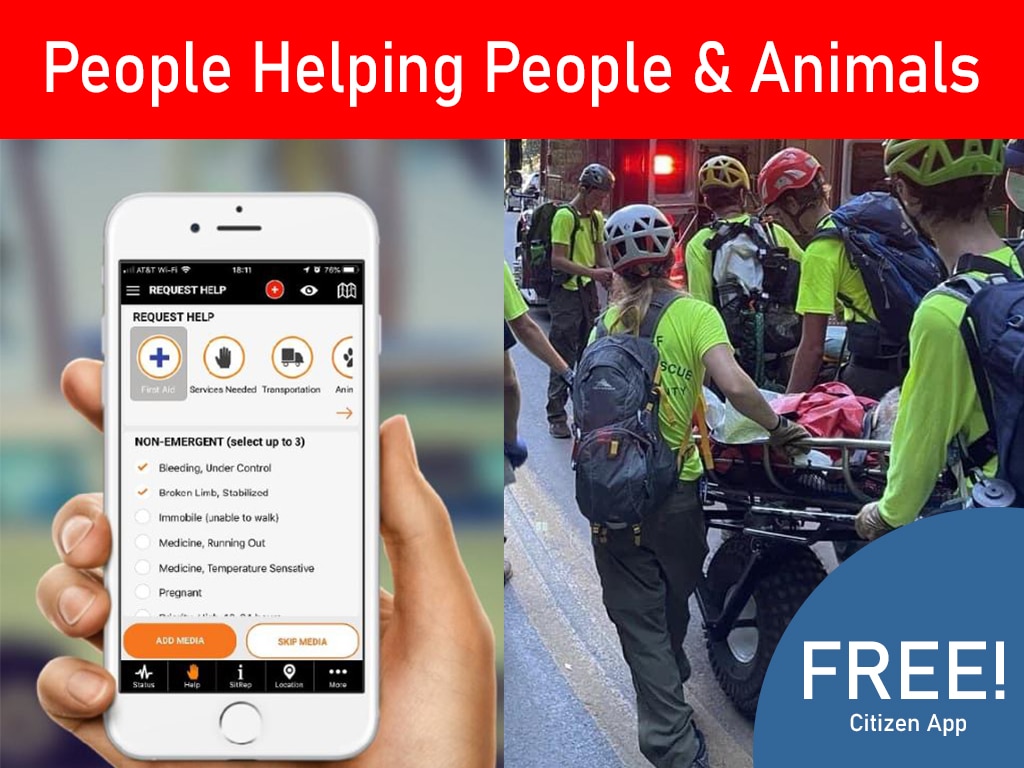
Large-scale emergency responses used to be a mess. Honestly. They were often slow, confusing, and tangled in red tape, leaving teams on the ground feeling frustrated. That’s exactly why the national response framework was created. So, what is the national response framework? It’s our modern playbook for managing crises, built directly from the lessons of past disasters. The national response framework is a streamlined, action-oriented guide that values flexibility and a “whole community” approach. It empowers local action while ensuring state and federal support arrives exactly when and where it’s needed.
Key Takeaways
- The NRF is a shared playbook for teamwork: It provides a common language and flexible structure, including concepts like tiered response and unified command, so diverse groups can work together effectively.
- Response is a shared responsibility that starts locally: The framework’s principles emphasize that emergencies should be managed at the most local level possible, with support scaling up as needed, making community readiness essential.
- Any organization can align with the framework: You can become a more effective partner by building relationships with local responders, creating a compatible emergency plan, and using technology that supports real-time coordination.
What Is the National Response Framework?
When a disaster strikes, a coordinated response is everything. But how do you get federal agencies, local first responders, non-profits, and citizen volunteers all on the same page? That’s where the National Response Framework (NRF) comes in. Think of it as the nation’s master playbook for responding to emergencies of all kinds, from hurricanes and wildfires to public health crises. It’s not a rigid set of rules, but a flexible guide that outlines principles, roles, and structures to ensure everyone can work together effectively when it matters most.
The NRF provides a unified national approach, ensuring that response efforts are not siloed or working at cross-purposes. It establishes a common language and scalable structures that can be applied to any incident, regardless of its size or cause. This is crucial because in the first critical hours of an emergency, confusion can cost lives and resources. By defining how different organizations and levels of government will interact, the framework helps build a cohesive team from a diverse set of players. Understanding the NRF is the first step for any organization, from a local CERT team to a national NGO, to find its place within the larger disaster response ecosystem and contribute effectively.
What Is the NRF’s Core Mission?
At its heart, the National Response Framework is a guide to how the nation responds to any disaster or emergency. Its core mission is to organize and coordinate all the moving parts of a response effort. The framework clarifies who is responsible for what, helping to prevent confusion and delays. It’s designed to be adaptable, scaling up or down to fit the size and complexity of the incident. Whether it’s a localized flood or a nationwide pandemic, the NRF provides the fundamental doctrine to ensure a unified and effective response, making sure help gets to where it’s needed as quickly as possible.
Who Participates in the NRF?
The NRF is built on the idea that disaster response is a shared responsibility. It provides the context for how the whole community works together, from individual citizens to the highest levels of government. This includes federal, state, local, and tribal governments, as well as private companies, non-governmental organizations (NGOs), and community groups. Everyone has a role to play. This collaborative approach is exactly what platforms like PubSafe are designed to support, by providing the technology that helps these diverse groups communicate and coordinate their efforts in real time.
NRF vs. National Response Plan: What Changed?
The NRF wasn’t created in a vacuum; it evolved from a previous system. It officially replaced the older National Response Plan (NRP) back in 2008. This change was made to fix some major issues with the old plan, which was often criticized for being too bureaucratic, long, and confusing for people on the ground. The shift to the NRF was a deliberate move toward a more streamlined, accessible, and action-oriented guide. The goal was to create a framework that is easier for all partners to understand and use, ensuring a quicker and more nimble response during a crisis.
How the NRF Coordinates a Unified Response
When a disaster strikes, bringing order to the chaos is the top priority. The National Response Framework (NRF) provides the playbook for doing just that. It’s not about one single agency taking over; instead, it’s a structured approach that ensures everyone, from local volunteers to federal agencies, can work together effectively. The NRF uses several key concepts to build a coordinated and unified response, making sure that help is delivered efficiently to those who need it most. By understanding these components, your own organization can find its place within the larger national effort.
How Does the Tiered Response Structure Work?
The NRF is built on a tiered response, a commonsense approach that says emergencies should be managed at the lowest possible level first. Think of it this way: a local flood is handled by local emergency services. It’s only when an incident grows too large or complex for local teams to handle that the state steps in, followed by the federal government if needed. This ensures that community resources are the first line of defense, with state and federal support scaling up as the situation requires. This structure empowers local leaders and ensures a more efficient use of resources across the board.
What Is Unified Command?
One of the most important principles of the NRF is achieving unity of effort through unified command. This means that even though multiple agencies and organizations are involved in a response, they all work together toward a common set of goals. It’s not about a single person being in charge of everything. Instead, leaders from different groups coordinate their actions, share information, and make decisions together. This collaborative approach prevents conflicting efforts and ensures everyone is on the same page. Platforms that support effective team management are crucial for creating this kind of seamless communication and coordination among diverse responders.
The Role of Emergency Support Functions (ESFs)
To organize the massive effort of a federal response, the NRF uses Emergency Support Functions, or ESFs. You can think of ESFs as specialized teams, each focused on a specific area of need. There are ESFs for transportation, communications, public health, search and rescue, and more. When a disaster occurs, the federal government can activate the relevant ESFs to provide coordinated support to state and local partners. This structure ensures that federal resources are organized and deployed in a way that directly supports the most critical needs on the ground, as outlined in the National Response Framework.
How Community Lifelines Stabilize a Crisis
During a disaster, the NRF helps responders prioritize their efforts by focusing on community lifelines. These are the essential services that are absolutely critical for a community to function: things like energy, water, communications, transportation, and public safety. By identifying which lifelines are unstable or have failed, response agencies can direct their resources to where they will have the greatest impact. This approach helps stabilize the situation quickly, protect lives, and speed up the community’s recovery. Real-time information from citizens is invaluable for identifying where these lifelines are most at risk, making tools for reporting an incident essential for a rapid response.
What “Whole Community” Integration Means
The NRF emphasizes that disaster response is a team sport, and everyone has a role to play. This “whole community” approach brings together not just government agencies but also non-profits, the private sector, and individual citizens. Everyone is encouraged to participate in preparedness and response efforts. For organizations, this means building partnerships and finding ways to contribute your unique skills and resources. For individuals, it can be as simple as having a family emergency plan or volunteering. When you register your organization, you take a vital step toward becoming an integrated part of your community’s response network.
The 5 Guiding Principles of the National Response Framework
To make sure everyone is on the same page during a crisis, the National Response Framework is built on five core principles. Think of these as the essential rules of engagement for effective disaster response. They guide how individuals, communities, and organizations work together, ensuring that every action is coordinated, efficient, and impactful. Understanding these principles helps clarify why the NRF is structured the way it is and how your own team can align with national efforts.
1. Engaged Partnership
No single group can handle a major disaster alone. The principle of Engaged Partnership is all about teamwork. It stresses that leaders from local, state, and federal agencies must collaborate and share resources. This prevents any one group from being overwhelmed. As the NRF documentation notes, this cooperative approach “ensures that resources are shared effectively.” This spirit of collaboration extends to NGOs, private companies, and citizens. By completing an organization registration on a shared platform, you can create a network of partners before an incident occurs, making it easier to coordinate when it matters most.
2. Tiered Response
The Tiered Response principle is simple: emergencies should be handled at the most local level possible, for as long as possible. A local fire department should be the first to address a small incident, rather than immediately calling for federal aid. This approach keeps the response efficient and reserves state or national resources for when they are truly needed. Citizens play a key role in this first tier. When you report an incident through a platform like PubSafe, you provide immediate, on-the-ground information that helps local authorities manage the situation effectively from the very beginning.
3. Scalable, Flexible, and Adaptable Operations
Disasters are unpredictable. A situation can escalate or de-escalate in minutes. That’s why response operations must be scalable, flexible, and adaptable. This principle means that the response structure can grow or shrink as needed. It involves using specific resources that can be mobilized quickly and then demobilized once the immediate crisis is over. This prevents waste and keeps the response agile. PubSafe’s team management tools are designed for this, allowing you to assign roles, dispatch teams, and adjust your operational footprint in real time as a situation evolves.
4. Unity of Effort Through Unified Command
When multiple organizations are involved in a response, it’s easy for wires to get crossed. The principle of Unity of Effort Through Unified Command ensures everyone works toward the same goals. It’s not about a single person being in charge of everything. Instead, it promotes a collaborative command structure where leaders respect each other’s authority and communicate clearly, often using “Plain English” to avoid jargon. This creates a cohesive and effective response. Technology that provides a common operational picture, like a shared public map, is critical for achieving this unity.
5. Readiness to Act
Preparedness isn’t just for first responders; it’s a collective responsibility. The Readiness to Act principle is a call to action for everyone. It reminds us that individuals, families, communities, and all levels of government must be prepared to respond to emergencies. This means having a plan, assembling a kit, and staying informed. Being ready to act is a mindset, and having the right tools on hand is a big part of that. You can take a proactive step today if you install the free app from PubSafe and encourage your community to do the same, ensuring you are all connected and ready when needed.
What Types of Incidents Does the NRF Cover?
The National Response Framework (NRF) is designed as an “all-hazards” plan. This means it’s not just for one specific type of disaster but is flexible enough to apply to any major emergency the country might face. This comprehensive approach ensures that no matter the crisis, there’s a consistent and scalable structure for response. From the fury of a hurricane to the complexities of a cyberattack, the NRF provides the foundational strategy for bringing together the right people and resources. Let’s look at the main categories of incidents it’s built to handle.
Natural Disasters and Severe Weather
When you think of large-scale emergencies, natural disasters are often the first thing that comes to mind. The National Response Framework is the core guide for how the nation responds to events like hurricanes, tornadoes, floods, earthquakes, and wildfires. It outlines how local, state, and federal agencies work together to save lives, protect property, and begin recovery. For community teams and volunteers, this is where having a clear plan is crucial. During a flood, for example, the NRF’s structure helps coordinate everything from issuing evacuation orders to deploying search and rescue teams and setting up shelters. This is where tools that allow for real-time incident reporting and volunteer coordination become invaluable.
Technological and Accidental Hazards
Not all disasters are caused by nature. The NRF also provides a comprehensive approach for managing technological and accidental hazards. These are incidents like major chemical spills, industrial explosions, nuclear power plant emergencies, or large-scale transportation accidents. Because these events can be incredibly complex and dangerous, a unified response is essential. The framework ensures that specialized teams, like HAZMAT crews, can integrate seamlessly with traditional first responders and public health officials. The goal is to contain the threat, protect the public, and manage the environmental cleanup in a coordinated and efficient way, following a single, comprehensive approach to incident management.
Human-Caused Incidents and Security Threats
The NRF is also designed to handle intentional, human-caused incidents. This includes everything from terrorist attacks to active shooter events and other acts of mass violence. In these situations, the response is often led by law enforcement, but it requires massive coordination with fire departments, emergency medical services (EMS), and government agencies at all levels. The framework’s emphasis on Unified Command is especially critical here, ensuring that every organization operates from the same playbook. This all-hazards approach helps manage the immediate crisis, secure the area, and provide care for victims while also addressing the long-term security and recovery needs of the community.
Public Health Emergencies
Recent years have shown us just how disruptive a public health emergency can be. The NRF provides the structure for a national response to crises like pandemics, widespread disease outbreaks, or bioterrorism events. It outlines how agencies like the Centers for Disease Control and Prevention (CDC) and the Department of Health and Human Services (HHS) work with state and local health departments. The framework helps coordinate everything from distributing medical supplies and setting up testing sites to communicating critical health information to the public. For community organizations, this is a key time to help with volunteer coordination for non-medical support roles, filling a vital gap in the official response.
Cyber Incidents and Infrastructure Attacks
In our connected world, some of the most significant threats are digital. The NRF is adaptable enough to address cyber incidents and attacks on our nation’s critical infrastructure, like the power grid, communication systems, and financial networks. Because these systems are so interconnected, an attack on one can cause cascading failures across the country. The response to these incidents involves a unique mix of federal law enforcement (like the FBI), cybersecurity experts, and the private companies that own and operate much of this infrastructure. The NRF, built on the principles of the National Incident Management System (NIMS), provides the structure to coordinate this complex, multi-sector response and work toward restoring essential services.
How to Align Your Organization with the NRF
Aligning your organization with the National Response Framework might sound like a task reserved for large government agencies, but it’s one of the most practical steps any response group can take. When you sync your operations with the NRF, you’re essentially learning to speak the same language as every other team that will be on the ground during a crisis. This shared understanding is what transforms a chaotic collection of well-meaning groups into a cohesive and powerful response force.
Think of it less as adopting a rigid set of rules and more as using a shared playbook. It ensures that when your team arrives on the scene, you can plug directly into the larger effort without confusion or delay. This alignment helps you coordinate with everyone from federal agencies to local volunteer groups, making your efforts more effective and impactful. By taking a few key steps, you can position your organization to be a reliable and integrated partner in any emergency, ensuring that your resources and skills are used to their fullest potential.
Create an NRF-Compatible Emergency Plan
Your emergency plan is your roadmap, but if it only shows the roads in your immediate neighborhood, you’ll be lost when you need to connect to the national highway. Developing a plan that’s compatible with the NRF means designing it to work well with others. The framework itself provides a solid structure for creating a whole community plan that considers how your organization fits into the bigger picture.
Instead of operating in a silo, a compatible plan anticipates collaboration. It outlines how you’ll communicate with external partners, share resources, and integrate into a unified command structure. This doesn’t mean you need to discard your existing plans. It’s about reviewing them through the lens of the NRF and identifying opportunities to build bridges with other responding agencies, ensuring a smoother response when it matters most.
Build Partnerships with Local Response Teams
The middle of a disaster is the worst time to be exchanging business cards. The most effective response efforts are built on relationships forged long before an emergency strikes. Take the time to connect with the other key players in your community, including local fire and police departments, public health officials, and neighboring NGOs. Attend local emergency planning meetings and introduce yourself and your organization’s capabilities.
These partnerships are the backbone of the NRF’s collaborative approach. When you understand each other’s roles, resources, and limitations ahead of time, you can work together seamlessly. A platform that supports team management can help you maintain these connections and organize contact information, so when an incident occurs, you can activate your network instantly. Building this trust and rapport is a critical investment in your community’s resilience.
Develop a Community Engagement Strategy
A successful response is one that serves the real needs of the people affected, and you can’t know those needs without asking. A strong community engagement strategy is about building a two-way conversation. It involves more than just pushing out information; it’s about actively listening to residents, understanding their concerns, and involving them in the planning process. This approach builds trust and empowers citizens to become active participants in their own safety.
Your strategy could include hosting workshops, maintaining an active social media presence, or working with established community leaders. By making engagement a priority, you gather vital on-the-ground intelligence and ensure your efforts are truly helpful. Platforms that allow citizens to report an incident directly can be a powerful part of this strategy, turning community members into valuable partners in situational awareness.
Use Official NRF Training and Tools
You don’t have to reinvent the wheel when it comes to preparing your team. FEMA and its partners offer a wealth of official training courses and preparedness tools, many of which are free and available online. These resources are specifically designed to help organizations understand and implement the principles of the National Response Framework. Enrolling your team in this training is a direct way to improve your organization’s readiness.
Taking these courses ensures everyone on your team is familiar with the standardized terminology, roles, and structures used in a multi-agency response. This shared knowledge reduces friction and improves coordination during a high-stress event. Think of it as professional development that equips your team with the skills needed to function as a competent and reliable partner. You can find many of these preparedness tools on government websites.
Integrate Tech for Better Coordination
In any modern response, clear and immediate communication is everything. Disconnected systems and outdated methods like phone trees or paper maps create information silos that can hinder operations and put people at risk. Integrating a unified technology platform is essential for breaking down these barriers and achieving the seamless coordination envisioned by the NRF.
A common operational platform like PubSafe provides a centralized hub where all stakeholders, from first responders to volunteers and even citizens, can share real-time updates. This creates a single, shared view of the incident, allowing for better decision-making and more efficient resource allocation. By embracing technology that facilitates real-time emergency coordination, you equip your organization to be a more agile and effective partner in any response effort.
Related Articles
- Disaster Response Platform | Community‑Driven Emergency Coordination | PubSafe
- Why Community Driven Disaster Response Matters | PubSafe
- Community Disaster Response & Emergency Coordination Platform | PubSafe
Frequently Asked Questions
What’s the difference between the National Response Framework (NRF) and the National Incident Management System (NIMS)? This is a great question because the two work hand-in-hand. The easiest way to think about it is that NIMS provides the template, and the NRF provides the strategy. NIMS gives all response partners a shared vocabulary, common processes, and a standard command structure so everyone can work together. The NRF is the guide that explains the roles, responsibilities, and coordination structures for how the entire nation responds to a disaster. You use the tools from NIMS to carry out the strategy of the NRF.
Is the NRF a law that my organization is required to follow? The NRF is not a law, so you won’t get in legal trouble for not following it. Instead, think of it as the national doctrine for emergency response. Adopting its principles is a condition for state, tribal, and local governments to receive federal preparedness grants. For non-profits and community groups, aligning with the NRF is about being an effective partner. When you operate using the same playbook as everyone else, you can integrate into a response effort smoothly, making your team a valuable and reliable asset.
How can my small volunteer group realistically contribute during a large-scale disaster? Your group’s contribution is more critical than you might think. The NRF is built on a tiered response, which means emergencies are always handled at the most local level first. Your team is part of that first, essential tier. Your local knowledge, skills, and community connections are invaluable. The key is to build partnerships with your local emergency managers ahead of time so they know your capabilities. Using a shared communication platform helps you feed real-time information to the larger response effort, ensuring your on-the-ground work is seen and supported.
You mentioned “Unified Command.” Does that just mean one person is in charge of everything? Actually, it’s the opposite. Unified Command is a structure that brings leaders from all the major organizations involved in a response together to make decisions collaboratively. Instead of a single incident commander, you have a team of leaders who work in unison to establish common objectives and strategies. This ensures that every agency, whether it’s law enforcement, fire, or a non-profit, is working toward the same goals without getting in each other’s way. It’s a core part of achieving unity of effort.
What is the most important first step my organization can take to align with the NRF? If you do only one thing, focus on building partnerships. The principle of Engaged Partnership is the foundation of the entire framework. Reach out to your local emergency management agency, fire department, and other community organizations. Introduce your team, explain your capabilities, and ask how you can fit into the local emergency plan. The middle of a crisis is the wrong time to be making introductions. By building these relationships now, you create the trust and communication channels needed for a truly coordinated response later.