For decades, a single, powerful framework has been the bedrock of emergency management in the United States. Developed to manage massive, fast-moving wildfires, the incident command system (ICS) provided a revolutionary way to organize chaos. Its core principles of unified command, manageable span of control, and common terminology are as relevant today as they were fifty years ago. What has changed are the tools we use. Modern technology has supercharged this proven system, transforming it from a process reliant on paper and whiteboards into a dynamic, real-time operation. This article explores the timeless foundations of ICS and reveals how digital platforms are enhancing its power for a new generation of responders.
Key Takeaways
- ICS is the shared language for emergency response: It provides a standardized framework that allows different groups, from fire departments to NGOs, to work together seamlessly by establishing clear roles and communication protocols.
- The system is both structured and flexible: ICS works because of its core principles, like having one supervisor per person, and its modular organization that scales to fit any incident, from a small chemical spill to a major hurricane.
- Mastery requires practice and the right tools: The framework is only as good as the people using it, which makes regular training and drills essential. Modern technology, like digital coordination platforms, enhances ICS by enabling real-time information sharing and simplifying team management.
What Is the Incident Command System (ICS)?
Imagine a major flood. You have firefighters, police, paramedics, volunteers from three different NGOs, and city officials all arriving on the scene. Who’s in charge? Who’s handling evacuations versus medical aid? Without a clear plan, this well-intentioned response can quickly become chaotic and ineffective. This is exactly the problem the Incident Command System (ICS) was designed to solve.
At its core, the Incident Command System is a standardized way to manage emergencies. It’s a flexible framework that helps different groups and people work together smoothly during a crisis. Think of it as a universal organizational chart for emergencies. It provides a clear structure for command, control, and coordination, ensuring that everyone from first responders to volunteers knows their role and how they fit into the bigger picture. Whether the incident is a small chemical spill or a massive hurricane, ICS provides the management tools to mount an effective and efficient response. This system isn’t just for government agencies; it’s a vital tool for any organization, including NGOs and community teams, involved in disaster response. Platforms like PubSafe are built to support this kind of collaboration, helping teams manage their response within a structured framework.
What Is Its Purpose?
The main purpose of ICS is to bring order and efficiency to the often-chaotic environment of an emergency. It makes sure that responses are standard, can grow or shrink as needed, and are well-coordinated. By using a common structure and language, everyone involved can quickly understand their roles and responsibilities, no matter their home agency. This scalability is key; the same system that manages a small team at a local event can expand to coordinate thousands of personnel during a major disaster. It prevents confusion, reduces duplicated effort, and ultimately helps save lives and property by ensuring resources are used in the most effective way possible.
A Brief History of ICS
The story of ICS begins with fire. It was developed in the late 1960s by fire chiefs in Southern California who were struggling to manage massive, fast-moving wildfires. After studying major incidents, they realized a critical truth: response failures were often caused by poor communication and management, not a lack of resources or personnel. From this insight, ICS was born as a way to fix those organizational gaps. Its success was so clear that after the September 11th attacks, the U.S. government made ICS a mandatory part of the National Incident Management System (NIMS) in 2004. Now, agencies must use it to be eligible for federal emergency funding.
The Core Principles That Make ICS Work
The Incident Command System might seem complex from the outside, but it’s built on a handful of straightforward principles that make it so effective. These aren’t just bureaucratic rules; they are proven concepts designed to bring order to chaos and clarity to complex events. Think of them as the foundational pillars that support the entire structure, ensuring everyone can work together smoothly, safely, and efficiently.
Understanding these core ideas is the first step to seeing why ICS is the standard for emergency management across the country. Each principle addresses a common challenge in disaster response, from communication breakdowns to inefficient leadership. By internalizing them, you and your team can respond more decisively, whether you’re managing a small local incident or coordinating a large-scale, multi-agency operation. These principles are what transform a group of individual responders into a cohesive, powerful force.
Unity of Command
Imagine getting different instructions from three different people at the same time. It’s confusing, right? The principle of Unity of Command solves this by ensuring every person involved in an incident has only one designated supervisor they report to. This creates a clear, direct line of authority from the top of the command structure all the way down to the responders on the ground.
This single-supervisor rule is essential during an emergency. It eliminates conflicting orders, reduces confusion, and makes communication much more efficient. When you know exactly who your leader is, you can receive clear direction, report progress, and request resources without any guesswork. This clarity allows for faster, more confident action when every second counts.
Common Terminology
When teams from different agencies, like fire, police, and public works, come together, they often bring their own internal jargon. This can lead to serious misunderstandings. The ICS principle of Common Terminology tackles this by requiring all participating organizations to use standardized, plain language. This applies to everything from job titles and resource names to facility descriptions.
By establishing a shared vocabulary, you ensure that an “engine” means the same thing to a firefighter from one town as it does to one from another. This is critical for effective volunteer coordination and multi-agency operations, where clear communication is the bedrock of a successful response. It allows diverse teams to integrate quickly and work together seamlessly, without stopping to translate or clarify basic terms.
Manageable Span of Control
No one can effectively supervise an unlimited number of people, especially in a high-stress situation. The principle of Manageable Span of Control addresses this by limiting the number of subordinates one supervisor is responsible for. The guideline is to have one supervisor for every three to seven people, with five being the ideal number.
This ensures that supervisors aren’t overwhelmed and can give each team member the direction and support they need. It allows for better oversight, safety, and communication within the team. If a supervisor finds themselves with more than seven people to manage, the ICS structure is designed to expand by creating new teams or groups, each with its own leader. This keeps the entire organization effective, no matter how large the incident becomes.
Modular Organization
Incidents come in all shapes and sizes, and your response structure should be able to adapt accordingly. The principle of Modular Organization gives ICS the flexibility to scale up or down based on the incident’s complexity. The organization develops from the top down, starting with the Incident Commander, who then activates only the positions and functions needed to manage the event.
For a small incident, the Incident Commander might be the only command position required. For a large, complex disaster, the full command and general staff may be activated, with multiple branches and divisions. This approach ensures the response is always the right size, preventing a top-heavy structure for small events and allowing for rapid expansion when an incident grows. It makes for a lean, efficient, and adaptable team management structure.
How Is ICS Structured?
The real strength of the Incident Command System lies in its structure. It’s not just a random collection of roles; it’s a well-defined framework that brings order to chaos. This organizational chart is designed to be logical and clear, so everyone involved in a response knows their part and who they report to. Understanding this structure is the first step to seeing why ICS is so effective at managing emergencies of any scale. It’s built on a few key components that work together to create a cohesive and efficient response effort.
A Flexible and Scalable Structure
One of the best things about ICS is that it’s not a rigid, one-size-fits-all solution. The Incident Command System is a standardized approach designed to be flexible and scalable, allowing it to adapt to incidents of any size. This means you can use the same fundamental structure for a small-scale water main break as you would for a massive hurricane response. The organization expands or shrinks based on the incident’s needs. If an incident grows, you can add more roles and resources. If it starts to wind down, you can scale back. This modular design ensures you always have the right amount of management for the job, without being overwhelmed or under-resourced.
Command and General Staff Positions
Clarity is everything during an emergency, and ICS provides it with a straightforward chain of command. The system has a clear organizational structure that starts with the Incident Commander (IC), who has overall responsibility for the incident. Supporting the IC is the General Staff, which is made up of four Section Chiefs who manage the major functional areas of the response. These are the Operations, Planning, Logistics, and Finance/Administration Section Chiefs. This setup prevents confusion by ensuring that every responder has a single person they report to. It also keeps the workload manageable for the Incident Commander, who can focus on strategy while the General Staff handles the tactical details.
The Functional Areas
At its core, ICS organizes all response activities into five major functional areas. These functions are essential for managing any incident, regardless of its size or complexity. The five areas are:
- Command: Sets objectives and priorities.
- Operations: Conducts the tactical, on-the-ground work to meet objectives.
- Planning: Collects and evaluates information and maintains resource status.
- Logistics: Provides all the resources, services, and support the incident needs.
- Finance/Administration: Monitors costs, handles procurement, and manages any legal or administrative issues.
Every single action taken during a response falls into one of these categories. This functional approach ensures that all critical tasks are covered without overlap or gaps, creating a comprehensive and coordinated effort.
Understanding Key Roles and Responsibilities
When an emergency hits, confusion can be just as dangerous as the incident itself. The Incident Command System cuts through the noise by assigning everyone a clear role. Think of it as a pre-built organizational chart for a crisis. This structure ensures that every critical task has an owner, from on-the-ground action to resource management. Everyone knows what their job is, who they report to, and how their work fits into the bigger picture. Let’s look at the key players who make the system work.
The Incident Commander
At the top of the structure is the Incident Commander, or IC. This is the person in charge of the entire response. The IC assesses the situation, sets the objectives, and has the final say on strategy. Their core mission is to manage the incident effectively while keeping all responders safe. This is a high-pressure job that requires a clear head and decisive leadership. The IC is responsible for all aspects of the response, from managing operations to deploying resources. With PubSafe, leaders can effectively oversee their team management and maintain a clear line of command from the start.
The Command Staff
The Incident Commander doesn’t go it alone. They are supported by the Command Staff, a team of specialists who handle critical functions. This allows the IC to focus on overall strategy. The Command Staff typically includes a Safety Officer, who monitors conditions and develops measures to ensure the safety of all personnel. It also includes a Public Information Officer (PIO), who manages all communications with the public and media, and a Liaison Officer, who is the main point of contact for other responding agencies and organizations. This coordination is essential for a unified effort, especially when managing volunteer coordination with various community groups.
Operations, Planning, Logistics, and Finance/Admin
Beneath the command level are the four main sections that get the work done: Operations, Planning, Logistics, and Finance/Administration. Each is led by a Section Chief who reports to the IC.
- Operations: These are the “doers.” This section directs the tactical, hands-on response to accomplish the IC’s objectives.
- Planning: These are the “thinkers.” They collect and analyze information to create the Incident Action Plan (IAP) and track all resources.
- Logistics: These are the “getters.” This team finds and provides all the necessary resources, including personnel, equipment, supplies, and facilities.
- Finance/Admin: These are the “payers.” They monitor costs, handle procurement, and manage all financial records related to the incident.
Organizations can prepare for these roles ahead of time through organization registration, ensuring they are ready to integrate into a response.
How ICS Improves Communication
In the chaos of an emergency, clear communication isn’t just helpful; it’s everything. When multiple teams converge on a scene, crossed wires can lead to delays, wasted resources, and put lives at risk. The Incident Command System cuts through the noise by creating a framework that ensures everyone is on the same page, speaking the same language, and working toward the same goals. It transforms a potential communication breakdown into a streamlined effort. Let’s look at a few specific ways it achieves this.
Standardized Communication
Imagine trying to coordinate a response where one team calls a staging area a “rally point” and another calls it a “mobilization center.” ICS solves this by establishing a common language and clear procedures that everyone uses, regardless of their agency. This standardized approach means that terms for personnel, resources, and facilities are consistent across the board. By providing a shared vocabulary, ICS ensures messages are understood as intended. This simple but powerful principle dramatically reduces misunderstandings, speeds up decision-making, and keeps responders safer.
Multi-Agency Coordination
Emergencies often require a response from groups that don’t work together daily. ICS provides the essential framework that helps different organizations work together, from local fire departments to NGOs and volunteer teams. It creates a predictable structure so that when a CERT team arrives to support a municipal agency, everyone understands the chain of command and their roles. Digital tools further support this by giving all stakeholders a single platform for real-time updates and team management, creating a truly integrated response.
The Power of Unified Command
When an incident falls under multiple jurisdictions, ICS uses a structure called Unified Command. This approach allows leaders from different agencies to work together by sharing command responsibilities from a single command post. It’s not about having multiple bosses; it’s about a unified team of leaders who jointly develop objectives and strategies. This ensures all participating agencies are aligned on the big picture, preventing conflicting orders and making resource allocation more efficient. For large-scale events, Unified Command is key to a cohesive and effective response.
Putting ICS into Action
Knowing the principles of ICS is one thing, but seeing it work in a real situation is where its value truly shines. The system is designed to be flexible, scaling up or down to meet the needs of any incident. Let’s walk through how you can apply this framework when an event occurs, from initial activation to managing your teams and resources on the ground.
When to Activate ICS
You might think ICS is only for large-scale disasters, but its flexibility is one of its greatest strengths. The system is designed for any incident that requires a coordinated response. This includes natural disasters like floods and wildfires, as well as human-caused emergencies like hazardous material spills. You can see a range of active incidents on the PubSafe public map at any time.
Beyond emergencies, ICS is also the standard for managing planned events. Think of large public gatherings like concerts, marathons, and parades. Using ICS for these events helps ensure safety and smooth operations by coordinating security, medical services, and traffic control under one unified structure.
How to Establish Command
The very first step in any ICS response is to establish command. This means designating a single Incident Commander (IC) who has overall responsibility for the incident. This single point of leadership is critical for preventing the confusion that arises when multiple people try to take charge. The IC assesses the situation, sets the initial objectives, and ensures all responders are working toward the same goals.
Once appointed, the IC is responsible for all aspects of the response until the incident is resolved or command is transferred. This includes managing operations and deploying resources. With a platform that supports clear team management, you can quickly define these roles and establish a clear chain of command from the start.
Managing Resources Effectively
Effective resource management is at the heart of a successful response. ICS provides a clear structure for this through five major functional areas: Command, Operations, Planning, Logistics, and Finance/Administration. This framework ensures that every person and piece of equipment is accounted for and used efficiently. The Operations section handles the hands-on tactical work, while Planning looks ahead to the next operational period.
Logistics finds and provides all the necessary supplies, from water bottles to heavy machinery, and Finance/Administration handles all cost-related activities. This division of labor prevents the IC from getting bogged down in details and allows for better volunteer coordination. Everyone knows their role, which means help gets where it’s needed faster.
Common Challenges in ICS (and How to Solve Them)
The Incident Command System is an incredibly effective framework, but it’s not a magic wand. Simply adopting ICS won’t automatically fix every problem during an emergency. Like any powerful tool, its effectiveness depends on the people using it. Many teams run into similar hurdles, from misunderstandings about what ICS can do to gaps in training and communication breakdowns between different agencies.
Recognizing these common challenges is the first step toward building a more resilient response. Let’s break down some of the most frequent issues and discuss practical ways to solve them.
Myth-Busting: Common Misconceptions
One of the biggest myths is that ICS itself solves incident problems. It doesn’t. ICS is a management system that provides structure; it won’t tell you who should be in charge or what tactical decisions to make. Thinking that a basic training course is all you need to manage a crisis is a common pitfall. The system is only as good as the incident managers who apply its principles with critical thinking and decisive leadership. The solution is to treat ICS as a framework for organization, not a replacement for expertise and sound judgment. It helps you organize chaos so that skilled people can make the best possible decisions.
Solving Training and Resource Gaps
ICS is designed to be flexible, but its complexity can be a major hurdle. Without proper training, responders can experience role confusion, mismanage resources, and struggle to communicate effectively. The key is to move beyond theoretical training. Your team needs regular, hands-on drills that simulate real-world pressures. To make the system more intuitive, you can use digital platforms that simplify team management. These tools provide a clear structure for assigning roles, tracking resources, and managing tasks, which reduces confusion and helps your team operate more efficiently, even under stress. This approach makes ICS less intimidating and more accessible for everyone involved.
Improving Interagency Coordination
ICS was created to prevent the “freelancing” and communication failures that happen when multiple agencies respond to the same incident. Yet, getting different groups to work together seamlessly remains a challenge. Teams may use different terminology or struggle to integrate into a unified command structure. The best way to solve this is by establishing a common operating picture where everyone sees the same real-time information. A shared platform allows different groups, from CERT teams to government agencies, to coordinate their efforts. When everyone can report incidents, share updates, and view the same map, true volunteer coordination becomes possible, turning a collection of separate teams into a single, effective force.
Getting the Right ICS Training
The Incident Command System is a powerful framework, but its effectiveness hinges on the people using it. Just like any other critical skill, proficiency in ICS comes from dedicated training and practice. When your team understands their roles and how the system functions, they can respond to emergencies with confidence and clarity. Fortunately, there are standardized courses and clear pathways for you and your organization to get the training you need.
Investing in training isn’t just about checking a box; it’s about building a culture of preparedness. It ensures everyone speaks the same language and follows the same playbook when seconds count. Whether you’re an individual volunteer or leading a large agency, the right training prepares you to step into your role and make a meaningful difference during a crisis.
FEMA Training Courses and Levels
FEMA provides a structured series of courses that cover the National Incident Management System and Incident Command System. This training is designed to be progressive, building your knowledge from the ground up. The core courses are customized for different levels of responsibility within an incident response.
Think of ICS-100 as the essential introduction for anyone new to emergency response. From there, ICS-200 is designed for personnel who will have supervisory roles in smaller incidents. As incidents grow in scale and complexity, ICS-300 provides training for managing expanding incidents and resources. Finally, ICS-400 is an advanced course for senior leaders who will be involved in high-level strategic planning and multi-agency coordination.
Furthering Your Professional Development
Completing a course is just the beginning. True professional development in emergency response comes from consistently applying ICS principles. Proper training is crucial for teams to move from theory to practice, ensuring they can execute their roles effectively under pressure. This commitment to ongoing learning is what transforms a group of individuals into a cohesive and professional response unit.
By understanding the system inside and out, your organization can improve every aspect of its emergency operations. This leads to safer outcomes for both responders and the community. It also builds trust among partner agencies, as everyone involved knows they are working with a competent and well-prepared team. Effective volunteer coordination is a great example of how trained teams can manage resources more efficiently.
Preparing Your Organization
Individual training is vital, but it’s most effective when supported by organizational preparedness. Before an incident occurs, your organization should establish a clear structure, schedule regular planning meetings, and authorize an Incident Action Plan. The ICS framework helps facilitate communication, but your team must first define the how, where, and when of incident reporting.
Taking these proactive steps ensures that when an emergency happens, your team isn’t starting from scratch. You’ll have a solid foundation to build upon, allowing for a faster and more organized response. A great first step is to get your team set up on a unified platform. You can start by completing your organization registration to create a centralized hub for your team’s coordination efforts.
How Technology Enhances Modern ICS
The core principles of the Incident Command System are as solid today as they were decades ago. What has changed, however, is the toolkit we use to implement them. Technology hasn’t replaced ICS, but it has supercharged it, making response efforts faster, smarter, and more coordinated than ever before. Think of it as moving from a paper map and a compass to a full-featured GPS. Both can get you where you need to go, but one offers a world of efficiency and real-time data the other can’t match. By embracing these advancements, response teams can scale their operations more effectively and adapt to rapidly changing conditions during a crisis.
Digital tools have transformed how teams apply the ICS framework. They break down communication silos, provide a common operating picture for everyone involved, and streamline the flow of information from the field to the command post. By integrating technology, organizations can manage complex incidents with greater clarity and control. This digital evolution allows for a more dynamic and responsive approach, ensuring that every team member, from leadership to volunteers on the ground, has the information they need to act decisively. Understanding how PubSafe works can give you a clear picture of how these modern systems function in a real-world emergency.
Digital Coordination Platforms
Gone are the days of relying solely on whiteboards and paper forms to manage an incident. Digital coordination platforms serve as a central nervous system for your entire response operation. These systems provide a structured environment where you can establish the how, where, and when of incident reporting before an emergency even strikes. They allow an Incident Commander to log events, assign tasks, and track resources from a single dashboard, ensuring nothing falls through the cracks. This centralized approach is key for effective team management during a crisis, as it provides a single source of truth for the entire team and eliminates confusion.
Real-Time Information Sharing
One of the biggest challenges in any emergency is maintaining situational awareness. Technology addresses this by enabling real-time information sharing across all levels of command. A coordinated response strategy enhances communication and resource management, and modern platforms make this happen instantly. When a field volunteer reports a flooded road or a citizen flags a downed power line, that information can immediately appear on a shared map for everyone to see. This live data flow gives command staff a clear and current view of the situation as it unfolds, allowing for better decision-making and more efficient deployment of personnel and equipment. The public map feature in many systems is a great example of this transparency in action.
Modern Communication Tools
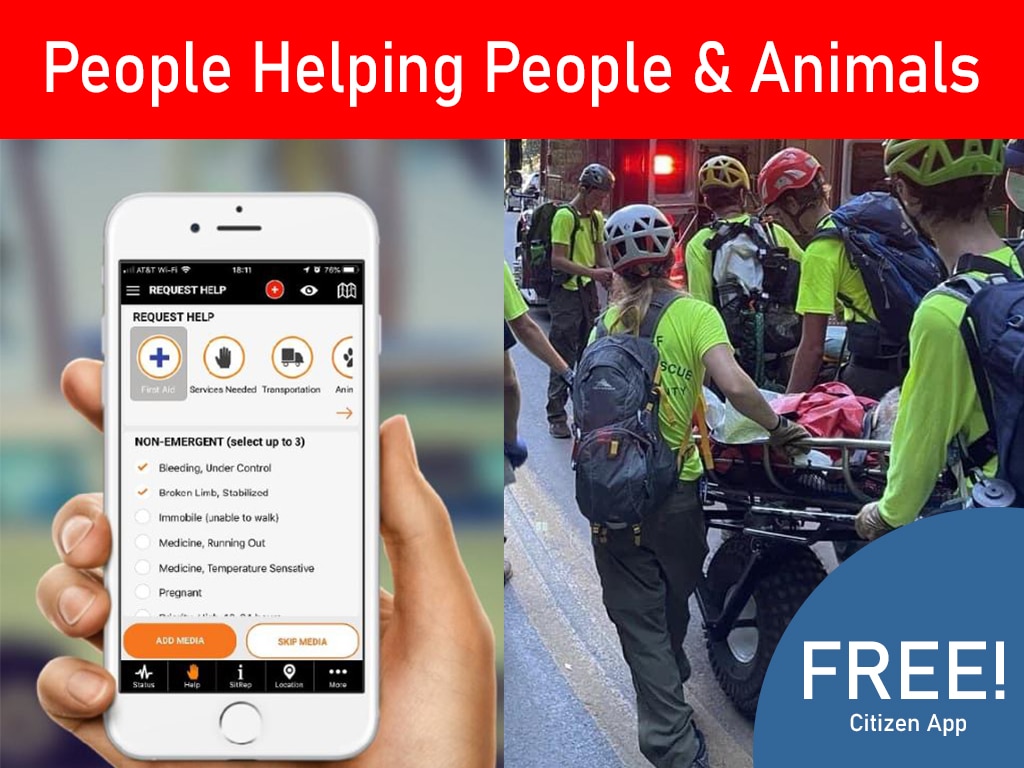
Modern communication tools are the backbone of a tech-enhanced ICS. Mobile apps, in particular, have become indispensable. They turn every team member’s smartphone into a powerful tool for reporting, receiving updates, and communicating securely. Instead of relying on potentially overloaded radio channels, responders can send text, photos, and precise GPS locations directly to the command post. This direct line of communication improves the technical expertise and response capabilities of the entire team. When citizens and volunteers can install a free app to report what they see, it expands the network of eyes and ears on the ground, giving first responders a massive advantage.
Best Practices for Using ICS
Knowing the principles of ICS is one thing, but putting them into practice effectively is what truly makes a difference during an emergency. Using ICS well requires discipline and a commitment to a few key habits. By integrating these practices into your organization’s response culture, you can ensure your team operates smoothly when it matters most. Let’s walk through three of the most important practices to adopt.
Conduct Regular Training and Drills
You can’t expect to perform well under pressure without practice. Regular training and drills are essential for building the muscle memory your team needs to act decisively during a real event. These exercises ensure everyone is familiar with their roles and responsibilities before a crisis hits. Drills can range from simple tabletop discussions to full-scale simulations. Using a platform for team management during these drills helps simulate real-world scenarios, allowing you to test communication flows and resource assignments. The goal is to make your response so familiar it becomes second nature, letting your team focus on solving problems instead of figuring out who does what.
Use Standardized Forms and Procedures
The power of ICS comes from its systematic approach, and that system relies on standardization. Using standardized forms and procedures ensures everyone is speaking the same language and following the same playbook, which is critical when multiple agencies or volunteer groups are working together. This consistency allows the Incident Commander to manage activities and coordinate with partners without confusion. For example, having a clear method for reporting an incident guarantees that all initial reports contain the same vital information. This simple step eliminates guesswork and helps leadership make faster, more informed decisions from the start.
Perform After-Action Reviews
Once the immediate crisis is over, the work isn’t finished. The most resilient organizations are the ones that learn from every experience. An After-Action Review (AAR) is a structured debrief of the response, focusing on what went well, what didn’t, and what could be improved. This isn’t about placing blame; it’s a forward-looking process designed to strengthen your future response capabilities. To conduct a useful AAR, you need accurate data. A platform that provides a real-time log of communications and actions can be an invaluable tool for these after-action reviews, helping your team identify concrete lessons and create actionable improvement plans.
Related Articles
- What Is A CERT Team & How To Contact Yours
- Top Challenges In Disaster Response – Overcoming & Preparing
- Volunteer Coordination During Emergencies: How Communities, NGOs, And Responders Work Together
- Best Incident Management Software for Disaster Response | PubSafe
Frequently Asked Questions
Is the Incident Command System only for huge disasters? Not at all. While ICS is essential for managing large-scale events like hurricanes or wildfires, its real strength is its flexibility. You can use the same core principles to manage a small chemical spill, a local parade, or a community search party. The system is designed to scale, so you only activate the roles and functions you need for that specific situation. This makes it a practical tool for any incident that requires coordination.
I’m a volunteer with a local group. Why do I need to understand ICS? Understanding the basics of ICS is incredibly helpful, even as a volunteer. When you arrive at a scene, knowing the structure helps you understand who is in charge and where you fit in. It allows you to integrate smoothly with first responders and other organizations because everyone is using the same playbook. This shared knowledge prevents confusion, ensures you get clear direction, and helps the entire response run more safely and effectively.
What is the most important first step when using ICS in an emergency? The first and most critical step is to establish command. This means one person is clearly designated as the Incident Commander with overall authority for the response. This single point of leadership immediately brings order to a chaotic situation. It prevents conflicting orders and ensures that everyone, from the first responders on scene to incoming support teams, knows who is leading the effort and what the objectives are.
Our organization is small. Isn’t this system too complicated for us? This is a common concern, but ICS is designed to be as simple or as complex as the incident requires. For a small event, your entire “structure” might just be one person acting as the Incident Commander who handles all the functions. The system grows with the incident. You only add roles like a Planning or Logistics Chief if the situation becomes complex enough to need them. This modular approach makes it perfectly suited for small teams.
How do modern tools like PubSafe work with the ICS framework? Technology doesn’t replace ICS; it makes it easier to execute. Think of platforms like PubSafe as a digital command center that supports the ICS structure. They help you establish command, manage your teams, and track resources in real time. Instead of relying on paper and whiteboards, you have a shared platform where everyone can see the same information, communicate clearly, and report updates from the field. This enhances the core ICS principles of common terminology and unified command.