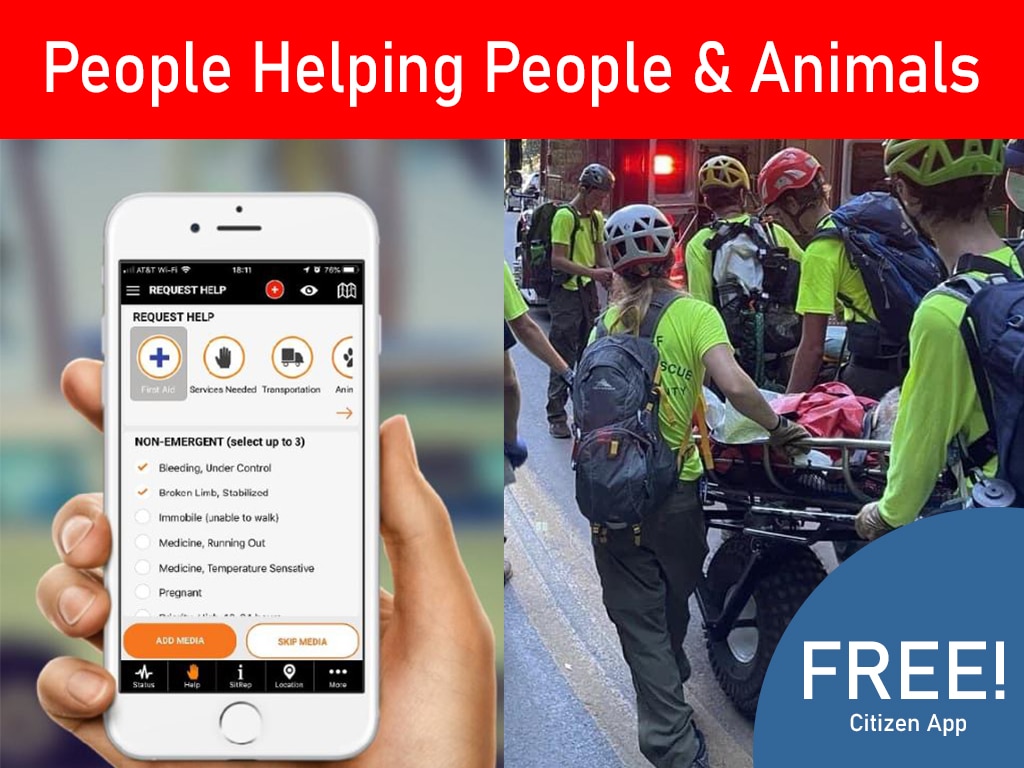
When a crisis hits, the flood of information can be overwhelming. Responders are on the ground, volunteers are ready to help, and command centers are trying to make sense of it all. In these moments, a simple to-do list just won’t cut it. You need a system that brings order to the chaos, ensuring that the most critical needs are met first. This is where the right task management tools become more than just software; they become a lifeline. They provide the clarity and coordination needed to direct resources effectively and keep every team member on the same page. This guide will walk you through what to look for, compare the top options, and help you choose the perfect platform for your team’s mission.
Key Takeaways
- Focus on crisis-specific features: A standard to-do list app isn’t enough. Your tool must have functions like real-time mapping for situational awareness, integrated messaging, and simple workflows designed for speed and clarity under pressure.
- Match the tool to your team’s scale: A simple app may work for a small volunteer group, but large-scale operations require a powerful platform that connects multiple agencies and provides a unified view for all stakeholders.
- Always test drive the software: Use free trials and demos to run practice drills with your team. This ensures the software is intuitive and reliable when it matters most, helping you confirm it’s the right fit before an actual emergency.
What to Look for in a Task Management Tool
When you’re choosing a task management tool for crisis response, you’re not just picking software to organize a to-do list. You’re selecting a lifeline. The right platform can bring order to chaos, while the wrong one can create more confusion when every second counts. The best tools are built with the unique pressures of emergency situations in mind, focusing on speed, clarity, and collaboration. Before you even look at specific brands, it’s helpful to know what features separate a standard project manager from a true emergency response asset. Let’s break down the essentials.
Must-Have Core Features
At a minimum, any tool you consider must provide a clear, real-time view of what’s happening on the ground. This is often called situational awareness, and it’s non-negotiable. Your team needs to see where incidents are, what resources are available, and who is responding. The software should also have strong collaboration capabilities, allowing team members to communicate instantly through built-in messaging or automated notifications. This ensures everyone is working from the same information, which prevents dangerous missteps. Look for tools that streamline processes with simple workflows, so you can activate teams and assign tasks without getting bogged down in complicated menus.
Individual vs. Team Needs
A great tool serves both the individual responder and the command center. For a volunteer on the ground, the software should be simple: a straightforward way to receive assignments, update their status, and report what they see. For the team leader or coordinator, the needs are broader. They require a unified dashboard that shows all assets, personnel, and incoming data. Disconnected systems and outdated information can lead to critical failures. The right platform bridges this gap, ensuring that information flows seamlessly between every stakeholder. This is the key to effective volunteer coordination and making sure everyone, from a single citizen to a government agency, is on the same page.
Features Your Emergency Response Team Needs
Once you’ve covered the basics, look for advanced features that can truly transform your response efforts. Real-time location tracking of team members, for example, allows you to dispatch the closest person to a new incident. The ability to aggregate data from multiple sources, including citizen reports, gives you a more complete picture of the crisis as it unfolds. Look for tools that allow you to automate communication based on specific triggers, like sending a notification to a specialized team when a certain type of incident is reported. Features like interactive maps and a streamlined process for reporting an incident empower both first responders and command centers with a unified, actionable view of the emergency.
The Best Task Management Tools for Emergency Response
Choosing the right task management tool can make a world of difference when every second counts. The best platform for your team depends on your specific needs, whether you’re a small CERT team or a large government agency. Some tools are built specifically for the chaos of a crisis, while others are powerful project management platforms that can be adapted for response efforts. Let’s walk through some of the top options so you can find the perfect fit for your organization.
PubSafe – Comprehensive Emergency Coordination Platform
PubSafe is designed from the ground up for emergency response, making it a standout choice. Unlike general project management tools, its features are tailored for crisis scenarios. The platform empowers organizations to manage teams, coordinate with other agencies, and respond to incidents in real time. With capabilities for everything from volunteer management to damage assessment, it creates a unified operating picture for everyone involved, from citizens reporting an incident to command staff directing the response. This focus on seamless, real-time safety coordination makes it an incredibly powerful tool for public safety organizations, NGOs, and CERT teams who need a dedicated solution.
Asana – Project Management for Public Safety
Asana is a popular project management tool known for its clean, list-focused interface. It’s effective for tracking team goals and assigning tasks, which can be valuable for the logistical side of emergency response. You can use it to manage pre-incident planning, track resource requests, or organize post-event debriefs. While it lacks the specialized, real-time field features of a platform like PubSafe, Asana is a solid option for managing the administrative projects that support a response effort. Its simplicity helps teams stay organized without a steep learning curve, ensuring that crucial background tasks don’t get lost in the shuffle.
Monday.com – Visual Workflow Management
If your team works best with visual aids, Monday.com is worth a look. This cloud-based software excels at tracking workflows using customizable boards, timelines, and Gantt charts. During a crisis, this allows leaders to visualize progress and identify potential bottlenecks at a glance. You can build custom dashboards to monitor resource deployment, track team assignments, or manage a phased response plan. While its flexibility is a major plus, it also means you’ll need to invest time in building out your emergency management workflows from scratch. It’s a great tool for teams that want to see the big picture clearly.
ClickUp – All-in-One Productivity Suite
For large-scale and complex operations, ClickUp offers a highly versatile suite of features. It’s designed to handle intricate projects with multiple layers, offering robust options for creating subtasks, setting dependencies, and fostering collaboration among different teams. During a major emergency, this can be essential for breaking down massive objectives into actionable steps for various departments or agencies. While its extensive feature set is a huge advantage for detailed planning, it can also present a steeper learning curve. Teams that need a powerful, all-in-one platform for complex project management will find a lot to like here.
Trello – Simple Kanban Board Organization
Trello’s strength is its straightforward, visual approach to task management. It uses Kanban-style boards where you can move tasks (represented as cards) through different stages, like “To-Do,” “In Progress,” and “Completed.” This makes it incredibly easy to capture, organize, and track the status of assignments at a glance. For smaller teams or specific functions within a larger response, Trello provides a simple way to stay coordinated without getting bogged down by complex features. It’s an excellent tool for managing a clear, linear workflow and ensuring everyone knows what needs to be done next.
Todoist – Personal Task Management
During a chaotic emergency response, it’s easy for individual responsibilities to slip through the cracks. Todoist is a personal task management app that helps individuals stay on top of their own to-do lists. It uses natural language to let you quickly add tasks and set reminders, like “Send situation report every four hours.” While it isn’t a team collaboration tool, it’s a fantastic supplement to one. Team leaders and responders can use it to manage their personal assignments, ensuring they meet their deadlines and complete their duties, which contributes to the overall success of the team’s mission.
Basecamp – Team Collaboration Platform
Basecamp brings everything your team needs to work together into one organized space. It combines to-do lists, a message board, a group chat, and file sharing to create a single source of truth for your projects. This is perfect for reducing confusion and eliminating the need to switch between different apps for communication and documentation. For an emergency response team, Basecamp can act as a central hub for all internal coordination, keeping conversations, schedules, and important files in one place. It’s less about granular task management and more about creating a cohesive environment for team collaboration.
Matching the Tool to Your Team Size
The perfect task management tool isn’t one-size-fits-all. The needs of a solo volunteer are vastly different from those of a multi-agency command center. Choosing the right software means looking honestly at your team’s size, structure, and the complexity of the tasks you’ll be managing. A tool that’s powerful for a large organization might just be cumbersome for a small team, while a simple app might lack the features a larger group needs to stay coordinated. Before you commit to a platform, think about which of these categories your team falls into. This will help you narrow down the options and find a tool that truly supports your mission instead of getting in the way.
For Solo Responders and Small Teams
If you’re a solo responder or part of a small, agile team, your top priority is simplicity. During an emergency, you don’t have time to wrestle with complicated software or go through extensive training. You need a tool that’s intuitive from the moment you open it. The best options for this group are user-friendly and allow you to focus on the immediate tasks at hand. Look for tools that make it easy to report an incident or manage a personal checklist without a steep learning curve. The goal is to find something that feels like a natural extension of your workflow, not another problem to solve.
For Mid-Sized NGOs and Departments
When your team grows, so does the need for clear communication and accountability. Mid-sized organizations, like local NGOs or municipal departments, are often juggling multiple projects, volunteers, and resources at once. Your ideal tool should provide visibility into who is doing what and when it’s due. Features like task assignment, status updates, and deadline tracking become essential for keeping everyone aligned. You’ll also want a system that helps with volunteer coordination, allowing you to effectively manage the people who are giving their time to help. This prevents tasks from falling through the cracks and ensures your team’s efforts have the greatest impact.
For Large, Multi-Agency Operations
Large-scale disaster response requires a whole new level of coordination. When multiple agencies, government bodies, and nonprofit organizations work together, a simple task list just won’t cut it. These operations need a robust platform built for advanced collaboration and real-time situational awareness. The right tool must streamline communication across different teams, manage resources effectively, and provide a common operating picture for all stakeholders. A comprehensive disaster response platform empowers leaders to make informed decisions quickly by consolidating data and communication in one central hub, which is critical when lives are on the line.
Comparing Task Management Tool Prices
Let’s talk about the price tag. When you’re choosing a tool, the cost is always a factor, but it’s more about the value you get for your money. Most task management software is priced in tiers, so you can find a plan that matches your team’s budget and operational scale. The options generally fall into three buckets: free plans for basic use, paid plans with more features for growing teams, and enterprise-level solutions for large-scale coordination. Understanding what each tier offers will help you decide where to invest your resources for the most effective crisis response.
What You Get with Free Plans
Free plans are a fantastic entry point, especially for individual responders, small volunteer groups, or teams just starting to formalize their process. These versions typically offer core features like task lists, simple boards, and basic collaboration. Many users find free tools easy to use, which is a huge advantage for improving team communication without a steep learning curve. While you won’t get advanced reporting or extensive integrations, a free plan can be surprisingly powerful for organizing initial efforts. It’s also the perfect way to test a platform’s interface before committing. For instance, you can install a free app to see how it feels to report incidents and view a public map in real time.
Paid Plans and Premium Features
When your team’s needs grow beyond the basics, it’s time to look at paid plans. This is where you unlock the features that can seriously streamline your response efforts. For a monthly per-user fee, you’ll typically get access to advanced task management, better automation, and crucial integrations with other software you use. Most software companies offer different plans with varying levels of functionality. These premium features might include things like custom field creation to track specific data points, timeline views to manage project schedules, and more robust analytics to assess your team’s performance during and after an event. This tier is often the sweet spot for mid-sized NGOs and established public safety departments.
Enterprise Plans for Large-Scale Operations
For large, multi-agency operations, an enterprise plan is essential. These plans come with custom pricing because they are specifically configured to your organization’s complex needs. You can expect advanced security protocols, dedicated support, and personalized onboarding to get your entire network up and running smoothly. This level of service is critical for organizations that handle sensitive information and require compliance with certain security standards. The platform becomes a central command center, with features and workflows that are tailored for organizations coordinating a response across different departments, jurisdictions, and even with the public. This ensures everyone is working from the same playbook with the highest level of security.
What Real Users Are Saying: Pros and Cons
Choosing a new tool can feel like a big commitment, so it helps to hear from people who are already using them in the field. When you look at feedback for emergency management software, you start to see clear patterns in what teams love and what becomes a major roadblock. Let’s walk through some of the most common points of praise and criticism.
The Most-Loved Features
Across the board, users rave about features that provide real-time situational awareness. The ability to visualize a crisis as it unfolds is a massive advantage, giving teams a clear picture of what’s happening and where. This is especially true for tools that offer a shared map view, allowing everyone from dispatch to field responders to see the same information. Advanced features that streamline team management and communication are also highly valued. When first responders can act quickly and in unison, it makes a critical difference. The best tools are the ones that remove friction and allow teams to focus on the mission, not the software.
Common Complaints and Dealbreakers
One of the biggest dealbreakers isn’t a missing feature, but a lack of proper training. Many organizations find that even the most powerful software is ineffective if teams don’t know how to use it under pressure. If a tool is too complex or clunky, it can create more problems than it solves. Another major complaint is a breakdown in communication. When a platform is unreliable or information gets siloed, it can lead to significant challenges during a crisis. This is why it’s so important to choose a tool that is not only powerful but also intuitive and dependable, ensuring your team can install the free app and get up to speed quickly.
Feedback on Real-Time Coordination
When it comes to coordination, users want a single source of truth. Feedback consistently shows that teams need instant communication tools like automated notifications and integrated messaging to keep everyone aligned. Juggling multiple apps for different tasks just doesn’t work in an emergency. The most positive reviews are for platforms that bring everything together, from initial incident reports to resource deployment and volunteer coordination. Having an integrated system gives organizations a complete view of an emergency, helping them make faster, more informed decisions when every second counts.
How to Prioritize Tasks in a Crisis
When a crisis hits, everything feels urgent. A flood of requests, reports, and alerts can quickly become overwhelming, making it nearly impossible to know what to do first. This is where a clear system for prioritization becomes your most valuable asset. Without one, teams can waste precious time on lower-impact tasks while critical needs go unaddressed. The right task management tool doesn’t just give you a to-do list; it provides a framework for making smart, fast decisions under pressure. It helps you cut through the noise and focus your team’s efforts where they can save lives and have the greatest impact. By establishing a method for triaging tasks, you can transform a chaotic situation into a structured and effective response, ensuring that your resources are deployed intelligently from the very beginning. This isn’t just about being organized; it’s about creating a clear path forward when the stakes are highest, allowing your team to operate with confidence and purpose. A solid prioritization strategy, supported by the right technology, ensures that every action taken is deliberate and contributes directly to stabilizing the situation and protecting the community. It empowers leaders to see the bigger picture and field teams to act decisively on the ground.
Assess Immediate Life-Safety Needs
The first and most important filter for any incoming task is simple: does it involve an immediate threat to someone’s life? During an emergency, the ability of responders to act quickly and in unison can be the difference between life and death. Your priority should always be addressing incidents like medical emergencies, building collapses, or active search and rescue operations. A good coordination platform ensures these critical alerts are instantly flagged and routed to the right personnel. Disconnected communication systems create dangerous delays, so having a single source of truth for reporting an incident is essential for a rapid, life-saving response.
Use Real-Time Data to Prioritize
Once immediate life-safety issues are addressed, your next priority is determined by real-time information. A task that seemed important an hour ago might be irrelevant now, while a new, more urgent situation may have developed. Emergency management software allows teams to visualize the crisis as it unfolds, giving you a dynamic understanding of the situation on the ground. Using a tool with a public map that shows live incident reports helps you see where the needs are greatest. This allows you to shift resources effectively, directing teams to a newly flooded area or away from a spreading wildfire. This data-driven approach ensures you’re always responding to the most current and accurate picture of the emergency.
Automate Tasks Based on Skills and Availability
Manually assigning every task is inefficient and a recipe for burnout. Modern response tools help you automate this process by matching tasks to the right people based on their certified skills and current availability. For example, a request for medical assistance can be automatically sent to all nearby volunteers with EMT credentials, while a request for debris removal can go to CERT members with the right training and equipment. This level of volunteer coordination ensures that skilled responders aren’t tied up with tasks that anyone could do. It also frees up leadership to focus on strategic decision-making instead of getting bogged down in micromanagement.
Common Implementation Challenges to Prepare For
Choosing a new task management tool is a big step, but the real work begins when you start to implement it. Even the best software is only as good as its rollout. Anticipating a few common hurdles can make the transition smoother for everyone involved, ensuring your team is ready to act when a crisis hits. Let’s walk through some of the most frequent challenges and how you can prepare for them ahead of time.
Getting Your Team Onboard
A new tool can feel like just another thing to learn, especially for busy teams. If people aren’t properly trained, they won’t use the software effectively when stress is high. The key is to make training an ongoing process, not a one-time event. Run drills and simulations using the new tool so it becomes second nature. You can also identify a few tech-savvy team members to act as champions who can support their colleagues. A platform with strong team management capabilities will help you organize roles and responsibilities, making it clear who does what before an emergency ever happens. This preparation builds the muscle memory your team needs to perform under pressure.
Integrating with Your Current Systems
Your new task management tool shouldn’t live on an island. If it doesn’t communicate with your existing systems, you risk creating information silos and communication breakdowns, which are dangerous in a crisis. Before you commit to a platform, map out your current technology, from communication apps to GIS software. Look for a tool that can integrate seamlessly to create a single, reliable source of information. The goal is to build a connected ecosystem where data flows freely between different groups. Understanding how a platform works to connect various stakeholders, from government agencies to citizen volunteers, is a critical step in your evaluation process.
Manage Information Overload in a Crisis
During an emergency, information comes at you from all directions. Without a way to filter the noise, your team can quickly become overwhelmed, leading to analysis paralysis. A good task management tool does more than just collect data; it helps you make sense of it. Look for features that provide a clear, real-time view of the situation, like a live operational map. The ability for anyone, including the public, to report an incident in a structured way can also turn chaotic reports into actionable intelligence. This helps your team focus on what matters most instead of getting lost in a flood of disconnected updates.
How to Choose the Right Tool for Your Team
Choosing a task management tool isn’t just about picking the one with the most features. It’s about finding the right fit for your team’s specific mission during a crisis. The software you select can directly impact your team’s effectiveness when every second counts. Taking a thoughtful approach to this decision will pay off when you need it most, ensuring everyone is on the same page with a clear understanding of assets, resources, and objectives. This clarity is the foundation of a successful response.
Assess Your Team’s Unique Needs
Before you start browsing options, take a close look at your own team. What do you actually need to succeed? A small volunteer group will have different requirements than a large government agency coordinating a multi-state response. Think about your daily operations and your most critical crisis scenarios. Do you need advanced team management features for complex hierarchies? What about data security? For many organizations, choosing software that meets recognized standards for information security is non-negotiable, as it provides an essential layer of trust when handling sensitive data. Make a list of your absolute must-haves before you even start looking.
Test Tools Before You Commit
You wouldn’t buy a car without a test drive, and you shouldn’t commit to a crisis management tool without trying it first. The best way to know if a tool will work under pressure is to put it in your team’s hands. During an emergency, the ability of responders to act quickly and in unison can be the difference between life and death. If a tool is clunky or confusing, it can lead to operational failures. Look for platforms that offer a free trial or a comprehensive demo. Get your team to install the free app and run through a few simulated scenarios. Is it intuitive? Can everyone find what they need without extensive training? The time to find out is now, not during an actual event.
Key Questions to Ask Before You Choose
As you narrow down your options, it’s time to ask some tough questions. A good evaluation framework will help you compare every vendor on your shortlist. Start with the basics: Does this tool offer instant communication features like automated notifications and messaging to keep everyone aligned? Then, dig deeper. Can it integrate with the systems you already use? Is it built for your specific type of user, whether they’re trained professionals or citizen volunteers? And crucially, how does the platform work in the real world? Understanding how PubSafe works, for example, can give you a clear picture of what a fully integrated system looks like in action. Don’t be afraid to press vendors for detailed answers.
Finding Discounts and Free Trials
Choosing a new tool can feel like a big commitment, especially when your team’s budget is already stretched thin. The good news is that many software companies offer ways to try their platforms without a major financial investment. Taking advantage of trials, discounts, and special promotions is a smart way to ensure you’re choosing the right tool for your crisis response team before you sign a long-term contract. It’s all about finding the best fit for your operational needs and your budget, so you can focus your resources on what matters most: your mission. By being strategic, you can access powerful platforms that make your team more efficient and effective during critical events.
Make the Most of Free Trials
A free trial is your team’s opportunity to take a tool for a test drive in a real-world setting. It’s a try-before-you-buy model that works because if a product is truly valuable, using it is the best way to see its impact. During a trial, don’t just click around. Set up a mock incident or a training drill to see how the software performs under pressure. Can you easily report an incident? Is the interface intuitive for volunteers? A free trial is an effective way to sell a product because it removes uncertainty and lets you experience the benefits firsthand, ensuring it meets your specific needs before you commit.
Discounts for Non-Profits and Educational Orgs
Many software companies recognize the vital work of non-profits and offer special pricing to support them. When you’re researching tools, make it a point to look for a “Non-Profit” or “Pricing” page to see if they offer discounts. These programs can make powerful features significantly more accessible. This includes tools for accountable task management, which is essential for coordinating stakeholders and tracking progress during an emergency. Don’t hesitate to reach out to a company’s sales team and ask about non-profit pricing, even if it isn’t advertised. Many are willing to work with organizations that are making a difference.
Keep an Eye Out for Special Promotions
Timing can be everything when it comes to getting a good deal. Software companies often run special promotions around holidays, industry events, or the end of a quarter. These deals can include discounted first-year subscriptions or access to premium features at a lower price. A free trial or a special offer is a great chance for a brand to show customers its purpose and build trust. To stay in the loop, consider subscribing to the newsletters of companies you’re interested in or following them on social media. This way, you’ll be the first to know when a valuable offer becomes available.
Related Articles
- 4 Best Search And Rescue Dispatch Software (2026)
- Best Incident Management Software for Disaster Response | PubSafe
Frequently Asked Questions
Why can’t I just use a standard project management tool like Trello for emergency response? While tools like Trello or Asana are excellent for organizing projects with clear steps, they often lack the dynamic, real-time features essential for a crisis. Emergency response isn’t a linear project; it’s a fluid situation that changes by the second. You need a tool built for situational awareness, one that can show you where incidents are happening on a live map and where your people are. This is the key difference between managing a to-do list and coordinating a life-saving response.
My team is a small volunteer group with almost no budget. What are our options? You have more options than you might think. Many dedicated emergency response platforms, including PubSafe, offer free versions or apps that provide the core features you need most. This gives you access to critical tools like incident reporting and a shared operational map without a financial commitment. Starting with a free, purpose-built tool is a much better approach than trying to make do with group chats or spreadsheets, as it establishes a solid foundation for effective coordination from day one.
What is the single most important feature to look for in an emergency management tool? If you have to prioritize one thing, it should be real-time situational awareness. This means having a single, shared view of the entire event as it unfolds, usually through an interactive map. It allows everyone, from the command center to the responders in the field, to see the same picture of where incidents are, what resources are deployed, and where help is needed most. This shared understanding is what enables fast, smart, and coordinated decision-making when it matters.
We’re worried our team won’t actually use a new tool. How can we get them on board? This is a common and valid concern. The key is to make the tool feel like a natural part of your operations before an emergency happens. Don’t just hold a single training session; integrate the software into your regular drills and exercises. When your team uses the platform to run through mock scenarios, it builds muscle memory. This practice ensures that when a real crisis hits, using the tool is second nature, not another source of stress.
How do we test a tool to know if it will actually work during a real crisis? The best way to test a tool is to use its free trial period to run a realistic simulation. Create a mock incident and have your team work through it using the software. Can a volunteer easily report a problem from their phone? Can a team leader assign a task and see when it’s completed? Does everyone have a clear view of the situation? Answering these questions in a practice environment will tell you everything you need to know about how the tool will perform under pressure.