As a CERT volunteer, you signed up to make a real difference in your community during its most difficult moments. You’ve put in the training hours and you’re ready to act. But in the middle of an emergency, it can be frustrating to feel disconnected, unsure of your next task, or unable to report what you’re seeing. Your dedication deserves to be amplified, not hindered by logistical hurdles. Modern community resilience software for CERT volunteer teams is designed to solve this very problem. It puts critical information directly in your hands, streamlines communication, and ensures your efforts have the greatest possible impact, helping you and your team work together seamlessly when it matters most.
Key Takeaways
- Centralize Your Operations: A unified platform prevents communication breakdowns by combining mapping, tasking, and real-time chat, giving everyone a single source of truth during an emergency.
- Focus on Actionable Features: Choose software with practical tools that simplify fieldwork. Mobile incident reporting, volunteer management, and resource tracking are key features that directly improve your team’s speed and safety on the ground.
- Strengthen Year-Round Preparedness: Your response software is also a powerful training tool. Use it to create a consistent onboarding process for new members, run virtual drills, and keep your team connected and engaged between incidents.
What is CERT and How Can Software Help?
If you’re part of a CERT or work with one, you know these teams are the backbone of community preparedness. They step up when professional responders are stretched thin, providing critical support during emergencies. But passion and training can only go so far in a chaotic situation. Effective coordination is what turns a group of dedicated volunteers into a powerful response force. This is where the right software comes in, transforming how CERTs operate by streamlining communication, managing volunteers, and providing a clear picture of what’s happening on the ground. Let’s look at the role of CERTs and how technology can help them overcome common hurdles.
The Role of CERT in Your Community
CERT stands for Community Emergency Response Team, a program that trains volunteers in basic disaster response skills. Think of CERTs as organized good neighbors. When a disaster strikes, they provide immediate assistance to victims, organize other volunteers, and collect disaster intelligence to support professional responders. By handling essential tasks, CERT volunteers allow firefighters and law enforcement to focus on more complex and hazardous operations. This partnership makes the entire community safer and more resilient, ensuring that help is available quickly when it’s needed most. These teams are a vital local resource, prepared to act during the critical window before professional help arrives.
Common Coordination Challenges for CERTs
In the middle of an emergency, communication can break down quickly. CERT leaders often struggle to get a clear view of the situation, manage incoming volunteers, and assign tasks effectively. Without a central system, teams rely on radio, phone calls, or even runners, which can be slow and unreliable. It’s challenging to track where volunteers are, what they’re doing, and what resources they need. This can lead to duplicated efforts in one area while another critical need goes unmet. Effectively organizing other volunteers who show up wanting to help also becomes a major logistical puzzle, consuming time and energy that could be spent on direct response activities.
How Technology Bridges the Gap
This is where a dedicated software platform makes a world of difference. Technology bridges the gap between CERT members and the information they need to act decisively. Instead of relying on patchy communication, teams can use a single platform to share real-time updates, report incidents, and view everything on a live map. A platform like PubSafe allows CERT leaders to see where their team members are, assign tasks with a few clicks, and manage resources efficiently. It also creates a direct line of communication between volunteers in the field and the command post. This means faster, more informed decisions and a more coordinated response that keeps both volunteers and the community safer.
Key Software Features for CERT Teams
When you’re looking for the right software to support your CERT, it’s easy to get lost in a sea of features. The key is to focus on tools that directly solve your biggest coordination challenges. The right platform isn’t just about fancy tech; it’s about making your team’s job simpler, safer, and more effective when it matters most. Think of it as your digital command center, connecting every member and every piece of information in one place. From instant messaging to tracking resources, these core features are the ones that will truly transform your team’s ability to respond.
A great software solution should feel like a natural extension of your team, not another complicated system to learn during a crisis. It should empower every volunteer, from the team lead at the command post to the member assessing damage in the field. By centralizing communication, management, and reporting, you reduce the mental load on your team, freeing them up to focus on the critical tasks at hand. The goal is to find a platform that brings order to the chaos, providing a clear, shared view of the situation for everyone involved. This unified approach is what turns a group of dedicated volunteers into a highly effective response force.
Real-Time Communication
During an emergency, clear and immediate communication is non-negotiable. Your team needs a reliable way to share updates, coordinate movements, and get critical information out in an instant. Look for software with dedicated channels for real-time chat, push notifications, and a shared map view. These tools are essential for maintaining situational awareness, which allows your team leaders to make smarter, faster decisions when seconds count. With a direct line to every volunteer, you can ensure everyone is on the same page, reducing confusion and improving the safety of your entire team. PubSafe’s platform is built around this very principle, ensuring how PubSafe works is centered on seamless communication.
Volunteer and Team Management
Your volunteers are your greatest asset, but organizing them can be a huge task. The right software simplifies this with strong team management features. This includes tools for volunteer registration, skill-based assignments, scheduling, and tracking certifications. Instead of juggling spreadsheets and phone trees, you can manage your entire roster from a single dashboard. As FEMA highlights, effective volunteer management is fundamental to a successful community response. A good system lets you quickly identify and deploy members with the right skills to the right place, making your team’s efforts much more impactful.
Incident Reporting and Damage Assessment
Systematic reporting is crucial for an organized response. Your team needs a simple way to document what’s happening in the field, from blocked roads to damaged buildings. Software with mobile reporting an incident capabilities allows volunteers to submit reports with photos, GPS locations, and detailed notes directly from their phones. This information creates a live, data-rich picture of the situation for your command center and local authorities. As organizations like the IFRC note, accurate reporting is critical for effective disaster response and recovery. This data not only guides your immediate actions but also becomes invaluable for post-incident analysis and securing future resources.
Resource and Logistics Tracking
Knowing what supplies you have and where they are is a logistical puzzle that software can solve. Features for resource and logistics tracking help you manage everything from first aid kits and equipment to personnel. Imagine being able to see your entire inventory in real-time and deploy assets exactly where they’re needed most. This prevents shortages, avoids duplication of effort, and ensures your team operates at peak efficiency. Effective logistics management is a cornerstone of disaster response, helping you stretch limited resources further and provide aid more effectively.
Data Collection and Analysis
Every emergency offers lessons for the next one. Software that helps you collect and analyze operational data is essential for continuous improvement. By tracking response times, volunteer hours, reported incidents, and resource usage, you can identify what worked well and where you can get better. This data-driven approach helps you refine your emergency plans, optimize training, and demonstrate your team’s impact to stakeholders and funders. Building community resilience is an ongoing process, and using data to inform your strategies is one of the most powerful ways to prepare your team for future events.
Scalability and Integration
Your CERT’s needs will change over time, and your software should be able to grow with you. A scalable platform can handle an increasing number of volunteers, incidents, and data without slowing down. It’s also important that the software can integrate with other systems used by local emergency management agencies and partner organizations. This interoperability is key to creating a unified response effort across your community. Tools that can connect with existing systems are vital for improving overall operational efficiency, ensuring that your team can work seamlessly with others instead of being stuck in a technology silo.
Improve CERT Training and Preparedness with Software
Effective training is the backbone of any successful Community Emergency Response Team (CERT). While in-person drills and classroom sessions are essential, software adds a powerful, dynamic layer to your preparedness strategy. Using a dedicated platform moves training beyond a one-time event and transforms it into an ongoing, engaging process. It makes essential information more accessible, allows for realistic practice without real-world risk, and keeps your team connected and ready to act.
By integrating software into your training regimen, you can create a more resilient, skilled, and coordinated team. These tools help you standardize how you prepare volunteers, run complex simulations with ease, and maintain team morale between deployments. Think of it as a digital training ground and communication hub rolled into one. It’s not about replacing traditional methods but enhancing them to build a team that is confident, capable, and prepared for whatever comes next. From the moment a new volunteer joins to the continuous upskilling of your entire team, software provides the structure and resources needed for success.
Streamline Volunteer Onboarding
Getting new volunteers up to speed quickly and effectively is a common challenge. A community resilience platform can completely transform your onboarding process. Instead of juggling paper packets and inconsistent orientations, you can create a structured digital program. This ensures every new member receives the same foundational training materials, role descriptions, and procedural information. Centralizing these resources saves your leadership team valuable time and helps new recruits feel confident and prepared from day one. According to FEMA, effective onboarding processes can lead to higher retention rates and better-prepared volunteers. With a platform like PubSafe, you can build a resource library that your team can access anytime, making the onboarding experience smooth and consistent for everyone.
Run Digital Drills and Simulations
Practice makes perfect, but running full-scale disaster drills can be logistically complex and expensive. Digital simulations offer a practical and effective alternative. Using software, you can conduct virtual exercises that mimic real-life emergencies, from floods to wildfires. These drills allow volunteers to practice their skills, like reporting an incident, in a controlled, risk-free environment. Research shows that simulations can improve decision-making and coordination among team members during actual emergencies. Running these exercises through your response platform also familiarizes your team with the very tools they’ll use in the field, building both muscle memory and confidence.
Keep Your Team Engaged
Maintaining a volunteer team’s enthusiasm and cohesion, especially during quiet periods, is crucial for long-term success. Community resilience software helps bridge the gaps between meetings and deployments by providing a central hub for communication and collaboration. Features like group chats, event calendars, and shared resource libraries make it easy for members to stay connected. This continuous interaction builds a stronger, more cohesive unit. As disaster response organizations have found, keeping volunteers engaged through regular updates and interactive platforms leads to increased participation and morale. A connected team is a team that’s ready to show up and work together effectively when the community needs them most.
Train Volunteers on New Tools
As technology evolves, so do the tools available for disaster response. Equipping your team with modern software is only half the battle; they also need to know how to use it effectively. The best platforms are designed with the user in mind and often include built-in training modules to get everyone comfortable with the new technology. This approach to continuous learning ensures your team can adapt and innovate. The International Federation of Red Cross and Red Crescent Societies notes that ongoing training is critical to enhance their response capabilities. By choosing an intuitive platform and making training a regular part of your operations, you empower every volunteer to leverage technology to its fullest potential.
How to Successfully Implement New Software
Introducing a new tool to your CERT team can feel like a huge undertaking, but breaking it down into manageable steps makes all the difference. A thoughtful rollout does more than just get the software running; it ensures your team actually uses it effectively when it matters most. By focusing on funding, community engagement, security, and feedback, you can set your team up for a smooth transition and a successful implementation. The goal is to make the software a natural extension of your existing emergency response efforts.
Secure Funding and Resources
Finding the money for new software is often the first hurdle. Start by creating a clear budget that covers not just the software license but also training and any ongoing maintenance costs. With a solid plan in hand, you can explore various funding strategies to find what works for your community. Look into local, state, and federal grants specifically designed for emergency preparedness. Don’t overlook the power of local partnerships, either. Businesses in your area may be willing to sponsor your team’s new technology as part of their community support initiatives. A well-prepared budget shows potential funders that you have a serious, actionable plan.
Build Community Buy-In
For any new tool to be successful, people need to want to use it. Building community buy-in starts with involving everyone from the beginning. Host informational sessions or workshops to show volunteers, local leaders, and partner agencies how the software will make their efforts more effective. When you engage communities early, you create a sense of shared ownership. Listen to their concerns and incorporate their feedback. This collaborative approach not only helps you choose the right tool but also ensures that when an emergency strikes, your team and community are ready and willing to use it. You can start by getting your group set up with an organization registration to create a central hub.
Address Data Privacy and Security
When you’re handling sensitive information during a crisis, data privacy is non-negotiable. Before you commit to any software, make sure you understand its security protocols. It’s essential to have clear policies for how data is collected, stored, and shared. Your team should feel confident that their personal information and any incident reports are protected. Reputable platforms will be transparent about their security measures. Taking the time to understand data privacy in emergency management helps you choose a tool that protects your volunteers and the public you serve, building trust from the ground up.
Use Feedback to Improve Adoption
The best way to ensure a new tool meets your team’s needs is to listen to the people using it. Create a simple process for volunteers to share their thoughts, whether through regular check-ins, surveys, or a dedicated feedback channel. The importance of user feedback can’t be overstated; it provides real-world insights you can’t get anywhere else. Use this input to identify pain points and request enhancements. When volunteers see their suggestions being implemented, they become more invested in the software’s success. This iterative process helps the tool evolve with your team, making it more effective over time.
Align the Tool with Your Response Plan
New software shouldn’t force you to reinvent the wheel. Instead, it should fit into and enhance your existing emergency response plan. Before making a final decision, review the software’s features to see how they support your current protocols. Does it simplify your communication tree? Does it make resource requests more efficient? Integrating technology is most effective when it solves a specific problem outlined in your plan. For example, a platform with strong team management capabilities can directly support your volunteer coordination strategy. This alignment ensures the tool becomes an asset, not another complication, during a critical incident.
Why CERT Teams Choose PubSafe
When it comes to choosing software, CERT teams need more than just a collection of features. They need a tool that understands the unique rhythm of volunteer-led emergency response. It has to be powerful yet simple, and structured enough to support clear command while being flexible enough for the field. PubSafe was built with these specific needs at its core, which is why so many teams rely on it when it matters most. It’s a platform that works with you, not against you, turning coordination challenges into streamlined operations. Let’s look at a few of the key reasons CERTs consistently choose PubSafe for their missions.
A Unified Platform for Seamless Coordination
During an emergency, your team can’t afford to be slowed down by juggling different apps for communication, mapping, and tasking. PubSafe brings all these critical functions into a single, centralized platform. This integration allows your team to share information in real time, ensuring everyone from field volunteers to the command post is on the same page. Instead of fragmented radio calls and confusing text threads, you get a clear, shared operational picture. This unified approach to team management means less confusion and more effective, coordinated action. Everyone knows their role, sees the latest updates, and can work together seamlessly to keep the community safe.
Simplified Reporting from the Field
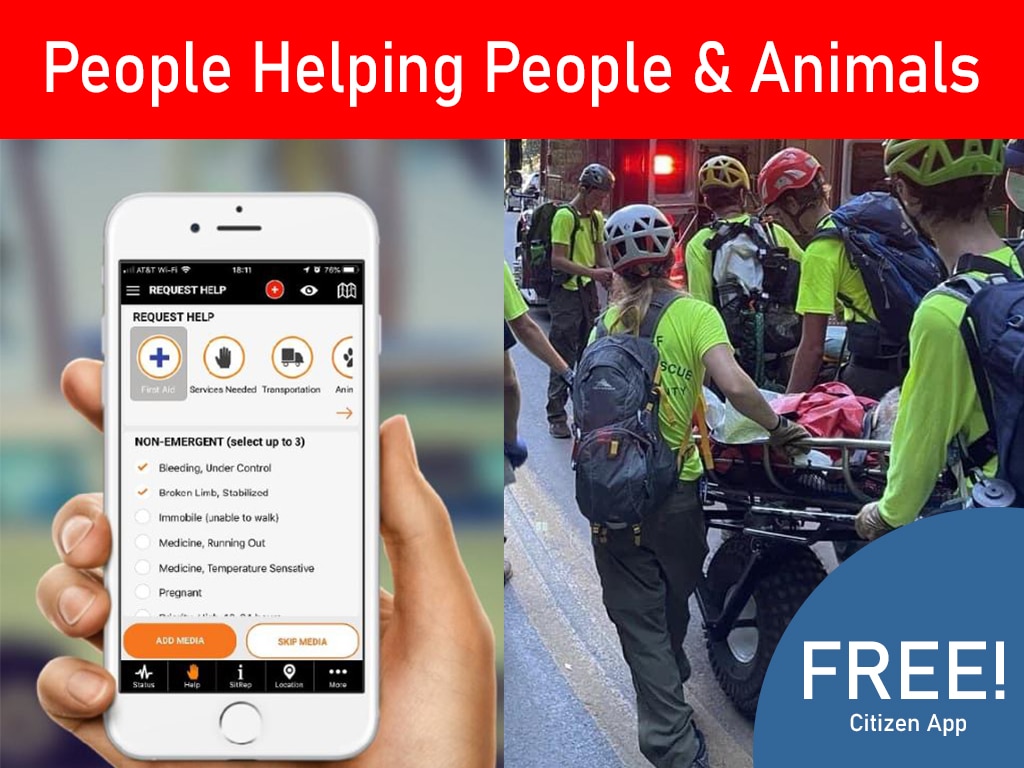
One of the biggest challenges for CERTs is gathering accurate information from the field quickly. Traditional methods involving paper forms or delayed radio reports can create bottlenecks and slow down decision-making. PubSafe streamlines this entire process with easy-to-use field reporting tools. Volunteers can use the mobile app for reporting an incident, complete with photos and location data, in just a few taps. This information instantly appears on the shared map, giving leadership immediate situational awareness. This allows volunteers to spend less time on paperwork and more time on their primary mission: helping people. Faster, more accurate data from the field leads to better resource allocation and a more effective response overall.
Accessible for Every Volunteer
CERTs are built on the strength of community, bringing together volunteers from all walks of life and with varying levels of technical skill. The software you use must be accessible to everyone, not just the tech-savvy members. PubSafe is designed with an intuitive, user-friendly interface that makes it easy for anyone to get started. The straightforward design ensures that even volunteers with minimal technical experience can confidently use the app to communicate, report issues, and track their assignments. By removing technology as a barrier, you encourage greater participation and engagement. When your tools are this easy to use, you can install the free app and get your team up and running with minimal training, allowing you to focus on preparedness and response.
Community resilience depends on accountable, well-organized CERT teams: CERT member accountability system, and CERT team roster and scheduling.
Related Articles
- Community Disaster Response Platform | PubSafe
- Disaster Response Platform | Community‑Driven Emergency Coordination | PubSafe
- Disaster Response Platform for Teams & Communities | PubSafe
- Community Disaster Response & Coordination Platform | PubSafe
Frequently Asked Questions
My CERT team gets by with radios and phone calls. Why do we really need software? Think of software as the central hub that connects all your communication channels. While radios and phones are great for immediate contact, they don’t provide a shared, visual picture of the situation. A good platform puts everyone on the same live map, so you can see where incidents are happening, where your volunteers are, and what tasks have been assigned. This prevents people from working on the same problem while another area goes without help, turning scattered information into a clear, coordinated response.
How can a volunteer team with a small budget afford a platform like this? This is a very practical concern, but you have several options. Many emergency preparedness grants are available at the local, state, and federal levels specifically to fund tools like this. You can also approach local businesses for sponsorships; many are eager to support community safety. It’s also worth noting that some platforms, including PubSafe, offer free access for individuals and affordable plans for organizations, making powerful tools accessible without a huge financial commitment.
What if some of our volunteers aren’t very comfortable with new technology? This is a common and important question for any volunteer group. The right software should be designed for everyone, not just the tech experts on your team. Look for a platform with a simple, intuitive interface that makes key actions, like reporting an issue or updating your status, possible in just a few taps. The goal of the technology is to make the job easier, so a user-friendly design is a non-negotiable feature that ensures every member can participate confidently.
We only activate our CERT during major emergencies. How is software useful during quiet periods? A response platform is just as valuable for preparedness as it is for response. Between events, you can use the software to run digital training drills, manage volunteer rosters and certifications, and maintain a central communication channel to keep your team connected. This continuous engagement builds team cohesion and ensures everyone is familiar with the tool before a crisis hits. When your team is already comfortable with the platform, your response will be that much faster and more effective.
What is the most critical feature to look for when choosing software for a CERT? While many features are helpful, the most essential one is a unified command and control interface. This means a single screen, usually a map, that shows real-time locations of your team members, incoming incident reports, and assigned tasks all in one place. This shared operational picture is what gives team leaders the situational awareness they need to make smart, fast decisions and keeps every volunteer informed and safe in the field.