Every second counts during a flood or wildfire in a rural county. Local leaders need reliable tools to manage their teams without spending the entire yearly budget on one system.

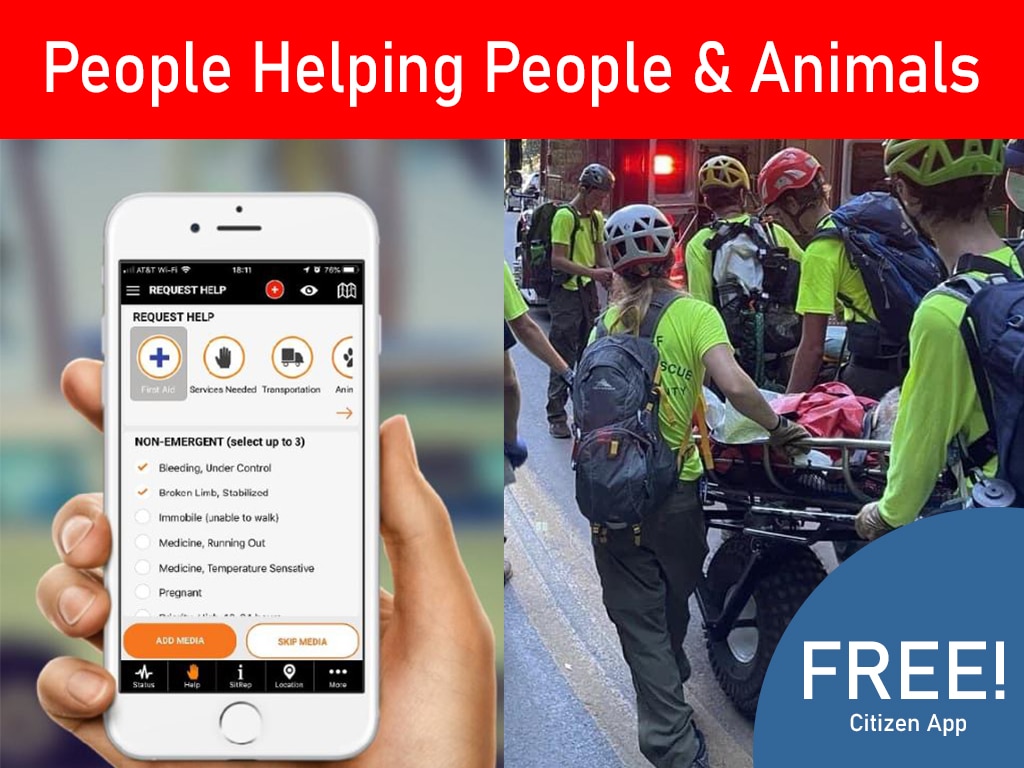
Thank you for reading this post, don't forget to install the free PubSafe mobile app and subscribe!

EOC technology for small jurisdictions provides the tools needed to manage local response during storms and daily work while keeping costs low for small towns. These systems help emergency teams track where volunteers are and map active events while sending clear alerts to local areas without high costs. Modern cloud-based tools now offer features like damage checks and real-time mapping for a much lower price than older systems used in the past. According to a FEMA research paper, small jurisdictions must balance their local threats against limited budgets when choosing new systems. This approach keeps safety teams connected during both blue sky days and major crises to ensure the best possible results for every local community.

Finding the right software requires a clear look at what your community needs to stay safe during a crisis. The path begins with the EOC technology gap. We will first look at how this gap affects local community response.

EOC Technology for Small Jurisdictions: The EOC Technology Gap in Small and Mid-Sized Communities

The EOC technology gap occurs because legacy systems cost between $10,000 and $150,000 annually, pricing out small jurisdictions. Modern cloud-based solutions bridge this gap by offering affordable, scalable. And easy-to-use emergency operations center tools that run on standard mobile devices without the need for expensive dedicated servers.

Many small towns and counties face a big problem with their emergency tools. They need the same power as big cities but have much less money to spend. This creates a gap in eoc technology for small jurisdictions that leaves some areas at risk. While big cities build high-tech hubs, smaller towns often rely on old radios and paper maps. This lack of modern tools makes it hard to share data during a crisis.

High costs of old systems

Large cities often use big software tools to manage data. These platforms help track assets and share status reports in real time. But the cost is very high. Many old systems charge $10,000 to $150,000 per year for one license. Most small towns cannot fit those costs into their limited town budgets. When a town must choose between a fire truck or software, the software often loses.

The gap is not just about the price of the software. Old tools also need costly servers and IT staff to keep them running. Small counties may not have the experts needed to set up these hard systems. This means they are often stuck with out-of-date tech that does not work with modern phone apps.

Why small towns struggle

Staffing is another big part of the gap. Big cities have full-time teams to run their EOC tech. Small towns often rely on volunteers or staff who do many jobs. If a tool is too hard to learn, it will not be used when a crisis hits. A modern EOC must pick tools that are simple enough for unpaid staff to run well. Hard systems often fail in small towns because the people using them only touch the software once or twice a year.

Internet access is also a problem in rural areas. High-end tools often need a fast, stable web link to work. During a storm, these links can go down. Small jurisdictions need tech that works when the grid is weak. Without strong tools, local leaders cannot get the facts they need to save lives.

Finding a better way

Towns must find a balance between high-end tech and low budgets. They need tools that grow during a storm but cost very little during daily use. It is vital to choose emergency management software that fits these needs. This allows small counties to get expert results without the high price tag of big-city systems.

By using cloud-based tools, small towns can skip the cost of local servers. They can also use mobile apps that work on phones the staff already own. This helps close the gap and ensures that every community is ready for the next big event.

What Are the Key Functions of an Emergency Operations Center (EOC)?

An Emergency Operations Center (EOC) manages five core NIMS/ICS functions: multi-agency coordination, command and management, operations and resourcing, planning and intelligence, and finance and administration. Modern EOC technology unifies these duties into a single dashboard, allowing small teams to coordinate resources efficiently during crises.

An Emergency Operations Center (EOC) acts as the hub for any disaster response. Under the National Incident Management System (NIMS), these centers follow a set of rules to keep people safe. While large cities have big budgets, small towns often need to find ways to do more with less. Using the right eoc technology for small jurisdictions helps these teams stay fast and ready without overspending. These tools allow small groups to handle big tasks with ease.

Most local leaders know that a good EOC needs a strong plan before a storm hits. This involves looking at the risks in your area and finding the best way to meet those needs. A modern emergency management platform makes these jobs much easier by putting all data in one place. It helps teams move from daily work to full emergency mode without losing time or facts.

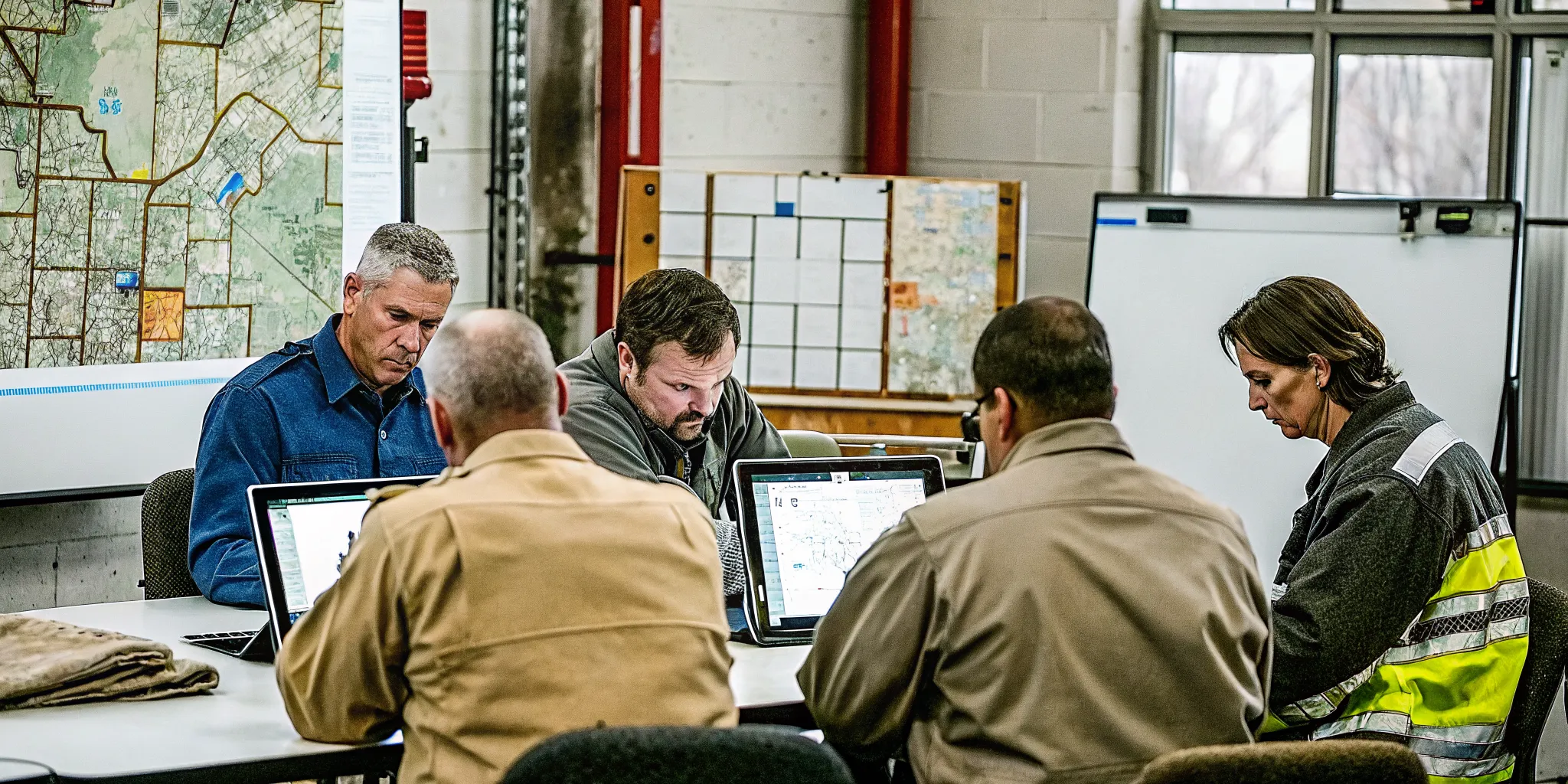
Emergency coordinators using PubSafe on tablets to coordinate volunteer teams

Core Operational Duties

Every EOC must handle five main jobs to work well. These tasks help leaders stay in control and move help to where it is needed most, which is critical when coordinating volunteer rescue teams in local neighborhoods. Without a clear plan, even the best teams can face trouble during a crisis. These roles ensure that resources go to the right places at the right time. Using clear steps helps prevent confusion when the pressure is high.

  1. Multi-agency Coordination: This job brings different groups together, like police, fire, and medical teams. Tech tools help these groups talk to each other in real time. This keeps everyone on the same page during a fast-moving event. It also helps avoid two groups doing the same job in one spot.
  2. Command and Management: Leaders use this role to set goals and make big choices. Good software shows a clear map of the scene so leaders can act fast. This helps them see where gaps in coverage might exist. It gives them the facts they need to lead with confidence.
  3. Operations and Resourcing: This job is about moving gear and people to the right spots. Small towns can use simple tools to track every truck and tool they have. This prevents wasting time and money on gear they do not need yet. It also ensures that life-saving tools are always ready to go.
  4. Planning and Intelligence: Teams look at data to guess what might happen next. Modern emergency communication for local government helps by gathering data from many sources at once. This shows where the risk is highest before the worst happens. It turns raw facts into a plan that saves lives.
  5. Finance and Administration: Every crisis has a cost. This function tracks spending and work hours for later review. Easy-to-use tech makes it simple to log these facts even when things are busy. This is vital for getting aid money back from the state or federal groups later.

Technology as a Force Multiplier

For small areas, tech is a way to bridge the gap in staff and funding. It turns a few workers into a strong team that can handle big events. This is why choosing the right tools is so vital for local safety. Using a clear process for tech upgrades helps towns stay within their budgetary limitations while meeting best practices. It ensures that every dollar spent helps the community stay safe.

Real-time data is the key to a good EOC. It allows teams to see the whole picture at once. Instead of guessing, they can use facts to drive their choices. This path from day-to-day work to active response should be smooth. This ensures that the EOC is always ready to help when the community needs it most. Good tech stays out of the way and lets the team focus on the job at hand.

Scalable tools are also very helpful for small towns. As a crisis grows, the tech should be able to grow with it. This means the system can handle more users and more data without slowing down. It allows small towns to partner with neighbors during big disasters. This kind of teamwork is what keeps a region safe during the most difficult times.

WebEOC vs. Affordable Emergency Operations Center Software: Which Fits Your Budget?

While legacy WebEOC software provides robust features, it is expensive and requires extensive training. Affordable EOC software like PubSafe offers cloud-based real-time coordination, mobile field reporting. And map integration starting at just $0.99/year for base services up to $8.99/month for full government incident management.

Small towns and local groups often face a hard choice when picking eoc technology for small jurisdictions. High-end tools like WebEOC offer many features but come with a high cost. These old systems can cost from $10,000 to over $150,000 each year. This price often puts them out of reach for many towns with tight budgets.

The cost of legacy systems

Old EOC tools usually need a lot of training and setup time. Small teams may struggle to keep up with these needs. FEMA research shows that towns must weigh their risks against their cash limits when they upgrade. High costs can lead to a gap in safety if a town cannot buy the latest tools.

Modern affordable solutions

New cloud tools offer a better way. Solutions like PubSafe give you live data and team tools for a much lower price. Pricing starts at just $0.99 a year for base services and $8.99 a month ($107.88 a year) for the government tier. At this rate, any small group can get an emergency management platform that works on any phone. These tools are built to be simple so that anyone can use them without weeks of class time, making them highly effective for managing CERT team contact lists and local volunteer schedules.

Feature Legacy WebEOC Affordable Software
Annual Cost $10K – $150K+ $0.99 – $107
Setup Time Months Minutes
Ease of Use Hard Simple
Hardware Servers Mobile

.

Choosing the right fit

When you choose emergency management software, look at how fast you can start. Small towns need tools that work right away during a crisis. A new system lets you track events and map data without a big team of IT pros. This helps ensure that every small town can stay safe without spending too much.

Essential EOC Hardware and Connectivity Upgrades

Essential EOC hardware upgrades for small jurisdictions include backup power generators, low-orbit satellite dishes (such as Starlink), and rugged mobile devices. Integrating these tools with GIS mapping software ensures continuous situational awareness and communication even when local cell towers and power grids fail.

Tough networks and backup tools

Small towns must plan for EOC upgrades based on their own threats and budget limits. One big need is a way to stay online during a storm. If the main internet line goes down, the EOC can go dark. You should look for backup tools like low-orbit satellite dishes. These tools are now cheaper and easy to set up. Also, look at mesh radios that work without towers. This helps keep a link between the base and the field. This keeps data moving even when the grid is down. It is vital to pick gear that stays on.

Backup power is just as vital as backup data. A large UPS can keep your main servers and screens on during a short dip. For long outages, you will need a generator. Small centers should pick a system that starts on its own. This way, the team does not lose work when the power cuts out. Having these tools ready during “blue skies” means you will be set for “gray skies.” It is a smart move for any town. It keeps your team safe and your data secure.

Shared maps and GIS displays

A modern EOC needs big screens to show maps in real time. This is called GIS mapping. It helps everyone in the room see where the danger is. Small towns do not need a wall of screens like a big city. A few large TVs can do the job well. These screens show where teams and tools are. This helps managers make fast choices. Using emergency communication for local government tools makes it easy to update these maps from the street. This ensures that no one is working with old data.

The tech should be simple to use. Most people in the room will not be IT experts. They need a system that lets them drag and drop files. It should show live feeds from the field with one click. Good mapping tech also helps with tasks after the storm. It lets you mark spots on a map that need fix-it crews. This saves time and helps your town get back on its feet fast. It turns a busy scene into a clear plan of action.

Gear for many agencies to use

When you buy new gear, think about how different teams will use it. It is best to use tools that fire, police, and public works can all share. You can choose emergency management software that works on many types of gear. This saves money and makes training easier. Look for mobile kits that can move from the office to the field. These kits should include laptops, tablets, and power banks. The gear must be tough and easy to use. This is helpful because many users will be volunteers. They need tools they can learn fast. Picking the right eoc technology for small jurisdictions means focusing on gear that lasts. It should also be easy to grow as your needs change.

Scalable hardware lets you add more users during a big event. You might start with five tablets but need fifty if a flood hits. Your tech must be able to handle this jump in use. Also, think about how you store your data. Local servers are good, but cloud storage adds a layer of safety. If the EOC building is damaged, your data stays safe in the cloud. This mix of local and cloud tools is the best way to stay tough. It keeps your team working no matter what happens on the ground.

Transitioning from Blue Skies to Gray Skies with PubSafe

Transitioning from blue skies (daily operations) to gray skies (disaster response) requires tools that teams use regularly. PubSafe facilitates this transition by serving as a daily tracking and communication platform. Ensuring that local personnel are fully trained and comfortable with the technology before a major crisis hits.

Most local leaders spend their time in “blue skies.” This means daily tasks and normal city work. But “gray skies” can arrive at any time. When a storm, flood, or fire hits, small towns must have a plan.

They need to move from calm days to an active event fast. This shift is often hard without the right tools in place. The best eoc technology for small jurisdictions helps make this change smooth and safe.

Bridging the gap in emergency tools

During blue skies, your team can use PubSafe for daily tasks. This includes tracking team members or sharing daily status reports. Keeping the software active every day means your staff will know how to use it when a crisis starts.

Many towns struggle because they only open their emergency tools once a year. By the time a storm hits, people have forgotten their logins. PubSafe avoids this by being a part of your daily flow, allowing you to see how the disaster response platform works before an active incident happens. You can learn how to choose emergency management software that works well during these calm periods.

Many towns have small budgets. They often cannot buy high-end systems that cost over $100,000 each year. Research shows that small jurisdictions must match their tools to their specific needs and local funds.

PubSafe fills this gap. It offers a low-cost platform that costs just $0.99 per year for base services, up to $8.99 per month ($107.88 per year) for the full government tier. This keeps the team ready for when real trouble starts without spending too much. This makes it a great fit for city and county leaders who must watch every dollar.

Clear talk during gray skies

PubSafe provides high-end tools like real-time mapping for a small part of the usual price. In a crisis, mass alerts are not enough. Sending a message to every person in the city can cause clutter and panic.

PubSafe uses street-level messaging instead. This lets you send clear notes to just one block or a single building. The system also supports two-way talk. This means citizens can report damage or ask for help directly through the app.

These features are key parts of emergency communication for local government during an active event. It turns raw data into a clear picture for all teams on the ground.

Growing for large-scale response

Events can grow very fast. Your technology must grow with them. Standard training focuses on adding more resources for large-scale incidents. PubSafe can support up to 30,000 members at once.

This means you can add more helpers or teams as the event gets bigger. The platform also helps create status reports and damage files in real-time. This saves time and keeps everyone on the same page.

It acts as a full technology package that stays active during both blue and gray skies. Leaders can track every asset and person from one central hub, no matter how big the response becomes.

Frequently Asked Questions About EOC Technology for Small Jurisdictions

What are the 5 functions of an EOC?

According to the Arkansas Department of Public Safety, an EOC handles command, operations, planning, logistics, and finance. These parts help local teams manage tools and share facts during a crisis. For small towns, the EOC is a main hub where leaders manage a response across many groups. This plan ensures that every team member knows their job when an emergency happens.

What is the difference between ICS and EOC?

The Incident Command System (ICS) manages the direct work at the scene of an emergency. In contrast, an Emergency Operations Center (EOC) provides high-level support from a remote site. While the ICS team handles daily tasks in the field, the EOC manages tools, sets rules, and tracks the big picture. Both groups work together to make sure that field units have the staff they need to stay safe.

How does EOC technology help small towns?

EOC technology for small jurisdictions helps local towns share data and map incident spots more clearly. Features like live mapping and fast alerts allow a small staff to track a wide area without extra help. This tech also creates a set path for planning and design. The U.S. Fire Administration says this is a top need for local groups. These tools make it easy for volunteers to share useful facts during big events.

What is the most affordable EOC software for small towns?

Many small towns use low-cost, cloud tools instead of high-priced systems. While some platforms cost over $10,000 per year, tools like PubSafe offer similar features for a small fee. These tools allow local governments to send precise messages and manage volunteers without spending too much. Small towns should look for tools that work for daily tasks and rare disasters to get the best value for their money.

Should your small town or county upgrade its emergency tools?

Using slow and old tools during a major storm puts your staff at risk and makes it very hard for your team to save lives. If you wait to fix these gaps, you will struggle to share data and send out alerts when a real crisis hits your town. Starting your plan today means you will be fully prepared to act with speed and skill before the next big fire or flood occurs. You can also choose emergency management software that fits your budget and helps you stay ready for any grey sky event.

Ready to act? Explore our disaster response platform solutions to schedule a free demo and get your team ready now.