
When a disaster disrupts power, transportation, staffing, or normal access to a facility, food banks and community shelters must make decisions while demand is changing. A reliable response starts before the emergency, with clear roles, current contact lists, and a shared way to report what is open, needed, and already distributed.
Effective disaster preparedness for food banks and community shelters connects people, supplies, sites, and updates in one repeatable workflow. It helps leaders activate staff and volunteers, prioritize requests, communicate site status, coordinate with partners, and keep distribution information accurate as conditions change. Planning should also account for the foods people will actually eat and special dietary needs, as Ready.gov advises: https://www.ready.gov/food.
Continuity is more than keeping inventory on hand. It is the ability to maintain safe, equitable service when normal processes no longer work. That begins by identifying the operational gaps most likely to interrupt assistance and deciding how the organization will close them.
Why food banks and shelters need a continuity plan
Food banks and community shelters do more than distribute supplies during a crisis. They keep essential services moving when roads are disrupted, power is unreliable, staff are stretched, and the number of people seeking help changes quickly. A continuity plan gives operators a practical way to protect people, preserve safe food handling, and keep decisions coordinated when normal procedures no longer fit.
The need is especially serious for people already living in vulnerable situations. The Global FoodBanking Network notes that disasters and crises disproportionately affect vulnerable populations. Food-bank networks may need to assess damage, identify needs, and mobilize food and critical supplies through local partners. That response depends on more than having inventory on hand. Leaders need current information about which sites are open, what each location needs, who is available to work, and how requests should be prioritized. See this NGO disaster preparedness guide for broader planning considerations.
Continuity protects both service and safety
A disruption can turn a routine distribution problem into a food-safety issue. Ready.gov explains that food stored in refrigerators and freezers can become unsafe without electricity or another cold source. The CDC advises keeping refrigerators at 40 degrees Fahrenheit or below and freezers at 0 degrees Fahrenheit or below. It also says that a closed refrigerator may keep food safe for up to four hours, while a full freezer may do so for up to 48 hours. These limits should inform decisions about backup power, coolers, inspections, disposal, and what can be distributed.
Planning must also account for the people being served. Ready.gov recommends considering special dietary needs and choosing foods people will actually eat. For a shelter, that may include planning for infants, allergies, medical diets, and safe meal preparation. For a food bank, it may mean recording product categories, storage requirements, and distribution alternatives before an incident forces hurried substitutions.
Preparedness is an operating system, not a landing page
A shelter or resource-distribution page can tell the public where to seek help. An operator continuity plan answers the internal questions that make that help dependable: Who opens the site? Who confirms supplies? How are volunteers activated? How are changing needs reported? Which partners receive updates? FEMA’s Emergency Food and Shelter Program illustrates this local, collaborative model by supplementing the work of nonprofit and governmental organizations that provide food, shelter, and supportive services.
That is why disaster preparedness for food banks and community shelters should be treated as a year-round discipline. Written roles, backup procedures, communication channels, safety checks, and documented handoffs reduce improvisation without replacing official emergency protocols or local authority.
How does disaster preparedness for food banks and community shelters work?
| Phase. | Primary focus. | Operational output. |
|---|---|---|
| Before. | People, supplies, sites, and decisions. | Ready roles, contacts, backup procedures, and triggers. |
| During. | Requests, status, distribution, and coordination. | Assigned actions, verified updates, and documented handoffs. |
| After. | Review and improvement. | After-action notes and an updated preparedness plan. |
A useful plan turns broad intentions into decisions people can follow under pressure. For food banks and community shelters, it should explain who is responsible, how information moves, what happens when normal operations fail, and when the team changes from routine service to incident response. Build the framework with staff, volunteers, partner organizations, and people who understand the needs of the community.
-
Assign roles and decision authority
Name the person responsible for overall coordination, then define leads for staffing, food and supply management, site safety, client or resident support, communications, and documentation. State who can open or close a site, change distribution procedures, request supplies, and approve public updates. Include alternates for each role so the plan does not depend on one person being available.
-
Maintain a current contact and partner list
Record staff, volunteer leads, transportation providers, suppliers, local emergency managers, nearby shelters, health or social-service partners, and key nonprofit contacts. Include more than a phone number when appropriate, such as email, backup contact method, organization, role, and the last verification date. Keep a printed or offline copy available if the primary system or internet connection is unavailable.
-
Define backup operations
Describe how the organization will continue, reduce, relocate, or pause services if the building, power, refrigeration, vehicles, staff, or communications systems are disrupted. Address alternate sites, access and security, safe food handling, water, transportation, equipment, and supply storage. Ready.gov advises planning for special dietary needs and recognizing that food can become unsafe without electricity or another cold source. These decisions belong in the plan rather than in improvised response.
-
Set information flows and update routines
Specify where requests, site conditions, inventory concerns, volunteer availability, and distribution changes are recorded. Decide who verifies information, who receives internal updates, and who communicates with residents, clients, partners, and the public. Use consistent labels for urgent, pending, resolved, and needs-follow-up items. A shared record reduces duplicate requests and helps incoming staff understand what has already happened.
-
Write triggers, actions, and documentation requirements
Connect recognizable conditions to predefined actions. Examples include a severe-weather warning, loss of power, unsafe facility conditions, a sudden supply request, or a change in shelter capacity. For each trigger, state who confirms it, what happens first, and when the next review occurs. Preserve decisions, supply movements, site changes, safety issues, and partner handoffs in an incident log. After the event, use those records to identify gaps and update the plan.
How do you prepare staff and volunteers for activation?
Effective activation starts before an emergency. Food banks and community shelters should define who makes decisions, who manages each operational area, and how people will receive assignments when normal routines change. A written role map prevents two common problems: critical work being overlooked and multiple people assuming someone else is responsible.
Assign roles that match the response
Give each staff member and volunteer a clear function, such as intake, inventory, receiving, packing, distribution, transportation, site safety, communications, or family support. Name a lead for each function and a backup who can step in if the lead is unavailable. Keep assignments practical. A person handling sensitive client information may need different access and training from someone unloading donations or directing traffic.
Use a short onboarding process for new volunteers. Explain the mission, site layout, reporting line, communication channel, conduct expectations, and the conditions that require immediate escalation. Record contact information, availability, relevant skills, training, and any accommodations that affect safe participation. The organization registration process can help establish an accurate roster before an incident.
Make check-ins and handoffs routine
At activation, hold a brief check-in that covers the current situation, priorities, known hazards, open requests, and changes to the operating plan. Repeat check-ins when conditions shift, and give people a reliable way to report what they see. A simple status update should identify the location, the issue, what has already been done, and what support is needed.
Handoffs deserve the same discipline as initial assignments. Before leaving, each person should tell the incoming lead what was completed, what remains open, which supplies or people are expected, and whether any safety concern needs attention. Keep these updates in a shared record rather than relying on memory or private messages. That record supports continuity across shifts and gives coordinators a clearer basis for decisions.
Safety should override speed. Confirm supervision, appropriate protective equipment, safe work areas, breaks, and procedures for refusing an unsafe assignment. Volunteers should know whom to contact when a site becomes inaccessible, overcrowded, or otherwise unsuitable for operations. For broader guidance on organizing people across agencies and response groups, see volunteer coordination during emergencies.
How should teams manage requests, sites, and distribution updates?
During an incident, a request is useful only when the right person can see it, assess it, and act on it. Food banks and community shelters should use one intake process for supply needs, site conditions, and distribution changes. This reduces the risk of duplicate deliveries, missed needs, or volunteers traveling to a location that is no longer operating.
Start with a structured request record. Capture the requesting organization or site, location, type of need, urgency, current stock or capacity, and the person responsible for follow-up. Keep the description specific enough for a partner to make a decision. A request for water, meal support, transportation, or volunteers should not disappear into an untracked group message.
Assign priority and ownership
Priority should reflect safety, time sensitivity, and the effect on people receiving services. Define those criteria before an incident so staff are not negotiating the meaning of “urgent” while conditions are changing. Assign each request to an owner, record the next action, and set a clear status such as new, acknowledged, assigned, in progress, waiting on a partner, fulfilled, or closed. A status change should explain what changed and who needs to know.
This same discipline applies to each operating site. Record whether a pantry, shelter, warehouse, or distribution point is open, delayed, relocated, at capacity, or closed. Include the last update time and a responsible contact. If a location has a safety concern or access problem, treat it as an incident rather than burying it in a routine logistics note. PubSafe’s incident reporting workflow supports structured details such as location, category, severity, description, media, routing, and status through resolution.
Keep distribution information current and visible
Distribution updates should answer practical questions: Where can people go? What is available? When was the information last confirmed? Who should partners contact for changes? Use internal messages or situation reports for operational detail, and publish only information that is appropriate for public release. A shared public view can help residents and partner organizations find relevant updates without exposing private case information. PubSafe’s public map can provide a public-facing way to share approved locations and incident information.
Close the loop after fulfillment. Note what was delivered, what remains unresolved, and whether the request revealed a planning gap. Those records help leaders improve future disaster preparedness for food banks and community shelters without relying on memory after the response ends.
How can food banks coordinate with shelters and partners?
Coordination works best when every organization can see the same operational picture: which sites are open, what supplies are available, which communities need support, and who owns the next decision. Food banks, shelters, nonprofits, local emergency managers, transportation providers, and suppliers may each hold part of that information. A shared process prevents conflicting updates from slowing distribution or sending resources to a location that cannot receive them.
Start by agreeing on the information that partners will exchange. A useful update includes the reporting time, location, current need, available capacity, delivery status, and the person responsible for follow-up. Keep updates focused on decisions rather than long narratives. Feeding America describes collaboration with national disaster response partners as a way to expand assistance capacity. While the Global FoodBanking Network highlights local networks that assess damage and needs before mobilizing food and critical supplies. See how food banks collaborate during disaster response and adapt the principle to your local network.
Set an update cadence and clear escalation triggers
Partners should know when routine updates are expected and what requires an immediate escalation. For example, a shelter closure, unsafe access route, refrigeration failure, sudden change in resident needs, or delivery delay should move directly to the designated emergency manager or coordination lead. Do not rely on an informal group chat as the only record. Record the decision, its owner, the time it was made, and the next review point. This creates a useful handoff when shifts change and reduces duplicate requests.
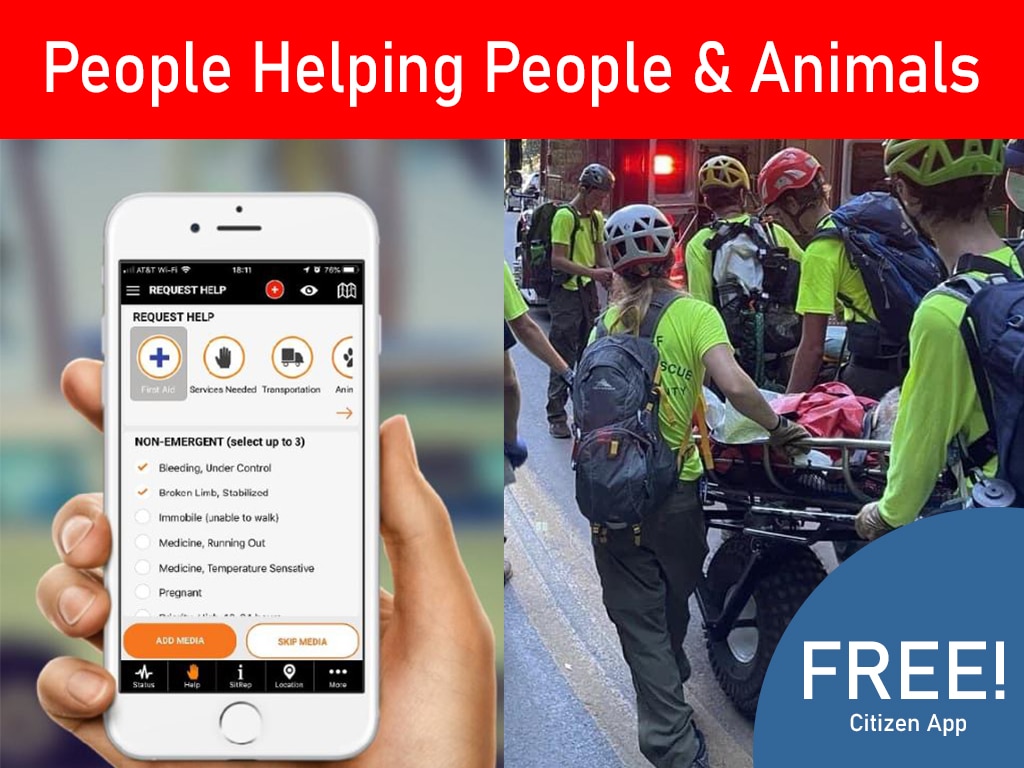
A coordination platform can help teams collect reports, share status, and keep partner information in one place. PubSafe’s disaster response platform and product overview describe the relevant workflow and capabilities. PubSafe requires internet connectivity, so include backup procedures such as phone trees, radio check-ins, printed contact lists, and locally stored protocols for outages. Those backups should feed information back into the shared record when connectivity returns.
Capture after-action notes while details are fresh
After each response period, ask partners what changed, which requests were missed or duplicated, where handoffs failed, and which suppliers or sites performed as expected. Keep the notes factual and assign an owner to each improvement. A short after-action record can then update contact lists, escalation rules, delivery plans, and training before the next incident.
How do you turn preparedness into a repeatable workflow?
A preparedness plan becomes useful when staff can follow it under pressure without relying on one person’s memory. Build the workflow around three phases: before an incident, during the response, and after operations stabilize. Keep each phase tied to a clear owner, a documented handoff, and a consistent place for updates.
Before: prepare people, supplies, and decisions
Review the plan with food-bank and shelter leaders, then confirm who can activate volunteers, approve supply requests, assess site conditions, communicate with partners, and publish public updates. Check contact information and backup coverage rather than assuming last year’s list is still accurate. Use a short tabletop exercise to walk through a power outage, severe weather event, or facility closure. Record open questions and assign each one to a person with a due date.
Review food safety procedures as part of the readiness cycle. Ready.gov advises planning for the foods people will actually eat and accounting for special dietary needs. Its guidance also addresses safe handling when refrigeration, electricity, or clean storage conditions are disrupted: review the emergency food recommendations and adapt them to your organization’s policies.
During: operate from shared updates
When an incident begins, use the same sequence every time. Confirm staff and volunteer availability, assess each operating site, log urgent requests, and set the next update time. If a person is unavailable, the backup owner takes over using the existing record instead of starting a separate conversation. That simple handoff protects continuity when phone service, staffing, or facility access changes.
Keep updates specific and decision-ready. Note what is open, what is unsafe or inaccessible, what supplies are needed, which partner is responding, and who owns the next action. Link volunteer coordination practices to your broader response process so activation is not improvised.
After: document, review, and improve
Close the response with an after-action review. Compare planned actions with what actually happened, including delayed handoffs, duplicate requests, communication gaps, and effective partner support. Save decisions, site updates, and unresolved needs in a shared record. Then revise the plan, contact list, training materials, and exercise scenario. Measure consistency rather than chasing arbitrary numbers: ask whether every critical role had an owner, every handoff was documented, and every partner received the information needed to act.
Frequently Asked Questions
What do food banks and community shelters need most during a disaster?
They need a clear operating plan, safe food and water, defined staff and volunteer roles, reliable contact lists, and a way to share changing site and distribution information. Plan for accessibility and dietary needs, then confirm how requests, supplies, transportation, and referrals will be coordinated with local partners.
What are the five steps to disaster preparedness?
Start by identifying likely hazards and community needs. Next, assign responsibilities and backup contacts. Prepare essential supplies and alternate operating procedures. Establish communication and status-reporting processes. Finally, practice the plan, update it after exercises or incidents, and document lessons for the next response.
How should a shelter handle food safety after a power outage?
Keep refrigerator and freezer doors closed, check temperatures, and separate food that may be unsafe. The CDC says a closed refrigerator can keep food safe for up to four hours, while a full freezer can last up to 48 hours. Never taste questionable food to test it. CDC food-safety guidance
How can volunteers and partner organizations coordinate during response?
Use one shared process for onboarding, role assignment, check-ins, supply requests, incident reporting, and handoffs. Keep official shelter decisions with authorized leaders, while giving partners consistent updates about capacity, needs, hours, and access. Record actions and unresolved needs so the after-action review improves the next plan.
Contact us to plan a coordinated response
A practical coordination approach can help food banks, shelters, volunteers, and partner organizations keep responsibilities, requests, and status updates aligned during a disruption. Contact PubSafe to discuss how your organization can structure that approach around its existing preparedness priorities. Contact PubSafe to start the conversation.