After a disaster, the first useful report is rarely the longest one. It is the clearest account of who needs help, how urgent that need is, what has been confirmed, and which team can act next.
A post disaster community needs assessment gives emergency managers, nonprofits, community CERT teams, and local leaders a structured way to turn those accounts into safe, coordinated action.
Start by defining what the assessment must capture and what decisions it needs to support.
What Is a Post Disaster Community Needs Assessment?
A post disaster community needs assessment is a structured process for identifying what people and neighborhoods need after an incident. Then using that information to guide immediate safety actions and longer-term recovery. It can support a formal government-led assessment or give local response teams a practical, current picture of unmet needs.
A post disaster community needs assessment is a structured process for collecting and validating requests for essentials such as food, shelter, transportation, medical support, utilities, and accessibility assistance. It should guide immediate safety actions while also building a reliable picture for recovery.
The reader-facing purpose is simple: replace assumptions with usable information. Teams use the process to understand where residents need food, shelter, transportation, medical support, utilities, accessibility assistance, or other help. The assessment should also show which needs are urgent, which groups face additional barriers, and which organization is best positioned to respond. It is not a promise that the assessment team will provide every service. It is a disciplined way to identify, document, share, and revisit needs.
Formal PDNA and local operational assessments
In international recovery planning, a post-disaster needs assessment, or PDNA, is generally a comprehensive, multisectoral, government-led process. The United Nations Development Programme describes the approach as covering damage, losses, and recovery needs, while helping coordinate recovery across sectors. A full assessment may consider infrastructure, shelter, livelihoods, and social and community services in a balanced way. UNDP’s PDNA overview explains why harmonized methods matter when many agencies are collecting information after a major disaster.
A local operational assessment is narrower and faster. An emergency manager, community organization, first responder, NGO. Or Community Emergency Response Team may use it to identify immediate needs in a defined area and communicate them to the local emergency management office. It may begin within the first 12 to 36 hours, then continue as conditions change over the following weeks or months. Local government, first responders, and community organizations can produce a more complete picture when they coordinate rather than keeping separate, disconnected lists.
What belongs in the scope?
Scope should follow the decisions the assessment needs to support. Record the location, type, urgency, and source of each reported need. Look beyond visible property damage to questions such as whether residents can reach shelter, obtain medication. Access clean water, travel safely, communicate with responders, or receive information in a language and format they understand. Include the experiences of children, older adults, people who are sick, people with disabilities, and other residents who may be overlooked by standard channels.
Privacy, consent, accessibility, language access, verification, and human oversight are part of the assessment itself. Information from another agency or social media post can be useful, but its accuracy should not be assumed. A needs assessment is strongest when it records uncertainty, checks for duplication, and gives affected people a safe way to correct or add information. It should complement, not replace, official emergency services or a separate property damage workflow. For that distinction, review these CERT damage assessment practices.
How Should Teams Collect Needs in the First 12 to 36 Hours?
The first collection period should create a usable picture of urgent conditions, not a perfect census. Immediate needs assessments commonly begin within 12 to 36 hours, but that window is a planning reference rather than a universal response timeline. Access, hazards, official direction, and the needs of affected residents should determine what a team can safely do. Continue updating the assessment as conditions change.
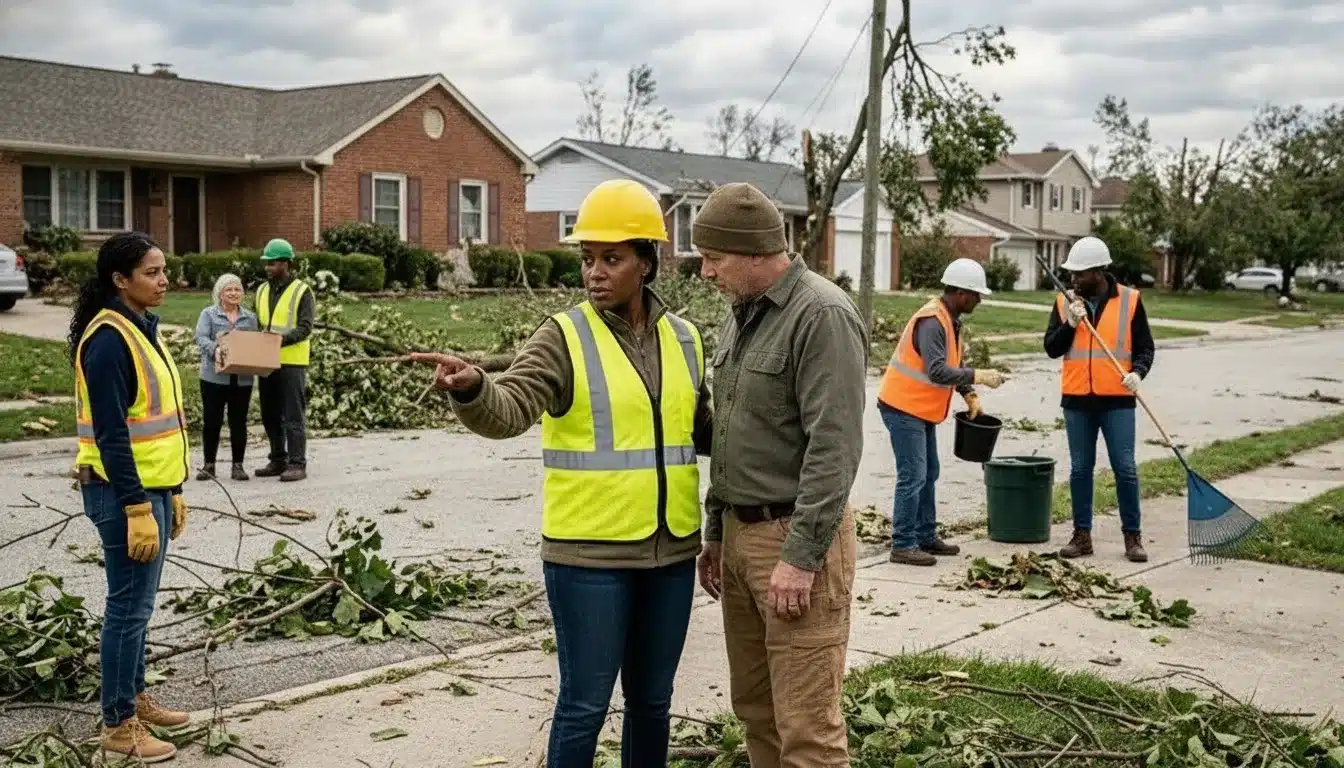
- Prepare a safe observation route. Coordinate with the incident command structure, local emergency management office, and other authorized partners before entering affected areas. When assessors can safely reach the site, on-site visual inspection can gather information quickly. Record what is observable without entering unsafe structures or interfering with response operations. Visit representative locations such as shelters, water sources, clinics, distribution centers, and transportation points. Note whether utilities, sanitation systems, roads, and vehicles are functioning. Photographs or video may support the record when collected lawfully and with appropriate privacy protections. Physical damage can be a supporting input, but this exercise is about what people need now.
- Speak with residents and frontline groups. Use short, respectful interviews with individuals and groups to learn what is missing, who cannot reach available services, and which needs are likely to worsen. Interviews can happen in person or remotely when direct contact is not possible. Ask about food, safe shelter, transportation, medical care, medication access, power, water, sanitation, and communication. Include community CERT volunteers, shelter staff, disability advocates, neighborhood leaders, and organizations already serving residents. Do not treat a single account as a complete representation of the area.
- Look deliberately for people who are easy to miss. Observe conditions affecting children, older adults, people who are sick, people with disabilities, people without transportation, and residents who are isolated or displaced. Ask whether information, intake locations, and shelters are physically accessible. Check whether interpretation, translated materials, and language-concordant outreach are available. Language differences and fear of officials can limit what some survivors disclose, so use trusted intermediaries and explain how information will be used. Avoid collecting more personal information than the response requires.
- Compare field observations with secondary sources. Review reports from local government, first responders, clinics, shelters, utilities, transportation providers, community organizations, and trusted hotlines. These sources can reveal gaps outside the team’s route, including utility outages, blocked roads, or changing shelter capacity. Treat reports as leads, not confirmed facts. Secondary information may be inaccurate, outdated, duplicated, or shaped by the reporting organization’s perspective. Record the source, time, location, and confidence level for each significant need, then flag items for follow-up.
- Organize findings by service and hand them to the right authority. Group requests under food, shelter, transportation, medical support, utilities, sanitation, accessibility, and language access. Distinguish immediate safety concerns from needs that can be addressed through ongoing recovery coordination. Share the collected information with the local emergency management office and follow established referral and privacy procedures. Use a structured disaster case management workflow when follow-up requires an owner, status, or documented handoff.
How Do You Validate and Protect Community Requests?
Validation should make a request more useful without making residents repeat themselves or wait for perfect information. Treat each entry as a working record with a clear status, rather than presenting every report as a confirmed fact.
Separate reported needs from verified needs
Record whether a request is reported, partially verified, or verified. A resident’s report may be enough to trigger a safety check. But it should not automatically be treated as proof that a site, service, or entire neighborhood has the same need. Add the source, time received, location, request type, and confidence level. A field observation, direct conversation, shelter intake, or coordinated agency report can raise confidence, while an unconfirmed social post should remain clearly labeled.
Use simple duplicate checks before creating a new case. Compare the location, household or organization identifier, need category, time, and descriptive details. If two people report the same blocked access route or missing service, link the records while preserving each source. Do not merge reports merely because they sound similar. A duplicate check should reduce noise, not erase distinct households or accessibility needs.
Use secondary reports carefully
Partner and agency information can fill gaps when teams cannot reach an area. However, secondary information supplements an assessment; its accuracy should not be assumed. The Enterprise Community Partners guidance identifies that assumption as a risk in this method. Use secondary reports as leads to corroborate, and retain the original source and date so another coordinator can understand what was known at the time. Also look for collection bias. Rapid data may miss frontline communities, people who are isolated, or residents who do not use the same communication channels.
Protect people while collecting enough information
Ask for consent before recording personal details or sharing a request beyond the team that needs it. Collect the minimum information required to assess, route, and follow up. Avoid unnecessary identity documents, precise medical details, immigration information, or details about a person’s home when a less specific record will work. Set role-based access, use an audit trail where available, and define when sensitive notes should be restricted or deleted according to the organization’s established policy.
Validation must also be accessible. Offer language support, interpretation, alternate formats, and communication methods that work for people with disabilities. Do not treat a lack of response as evidence that no need exists. Fear of officials and language differences can limit what survivors share, so trusted community groups and trained local partners may provide a safer path to information.
Finally, set a safety boundary: a needs record is not a substitute for emergency dispatch, clinical judgment, or official incident command. Escalate immediate threats through the appropriate emergency channel, while keeping the community request available for coordination and follow-up. A protected record can then support disaster case management workflows without overstating what has been confirmed.
How Do You Prioritize Food, Shelter, Medical, and Accessibility Needs?
A transparent triage model helps response leaders make defensible decisions when requests arrive faster than resources can be assigned. The model should not turn people into scores or replace professional judgment. It should create a shared set of questions that local authorities, trained responders, and community organizations can apply consistently, document, and revisit as conditions change.
Start with life safety and urgency
First ask whether a request involves an immediate threat to life or serious harm. A person without essential medication, a resident trapped by flooding, or someone exposed to dangerous temperatures may require escalation before a broader food or supply distribution effort. Medical emergencies still go through the appropriate emergency services. A community needs assessment supports coordination; it does not replace dispatch, clinical evaluation, or incident command.
Next consider time sensitivity. Food insecurity may become more urgent when a household has no safe water or cooking access. Shelter needs may rise quickly when a building is unsafe, temperatures are extreme, or a household includes an infant, older adult, or person with a medical condition. Utilities such as power, water, and sanitation can affect multiple households, so a single infrastructure report may carry wider consequences than an isolated request.
Account for vulnerability and access barriers
Two households reporting the same need may face different levels of risk. Consider age, health, disability, pregnancy, caregiving responsibilities, mobility, language, transportation, and access to communication. Accessibility is part of the need, not an optional service layer. A shelter referral that cannot accommodate a wheelchair, a medication pickup that requires inaccessible transportation. Or an alert delivered in a language the resident cannot understand is not a complete resolution.
Record the barrier and the requested accommodation without collecting more personal information than the response requires. Use consent-based information sharing, protect sensitive details, and involve people trained to work with frontline communities. Language differences, fear of officials, and collector bias can cause rapid assessments to miss residents, so teams should actively seek perspectives beyond the easiest locations to reach.
Look for dependencies before assigning resources
Needs are connected. Transportation may be required before a person can reach medical care or a shelter. Restoring power may protect refrigerated medication, enable communication, and make a home habitable. Food distribution may depend on safe roads, refrigeration, volunteers, or a functioning community site. Note these dependencies so the team can coordinate a sequence rather than close one request while leaving the underlying barrier in place.
Use clear priority labels, record the reason for each decision, and set a review time. Conditions change, and a request that was routine in the morning may become urgent after an aftershock, road closure, or missed delivery. Maintain a separate path for unresolved or disputed cases, and let authorized responders adjust priorities when field conditions contradict the initial report. For follow-up after the first assignment, connect triage records to disaster case management workflows so ownership and status remain visible.
How Do You Route Requests and Track Resolution?
A useful assessment does not end when a request is recorded. Each need should move to an accountable owner, with enough context for that person or organization to act without making the resident repeat the entire story. Start by assigning requests according to capability and geography. A medical concern may need a health partner, a blocked-access report may belong with public works. And a shelter request may require a local emergency management or nonprofit coordinator. Geographic assignment can then direct the request to the team covering that neighborhood, facility, or service area.
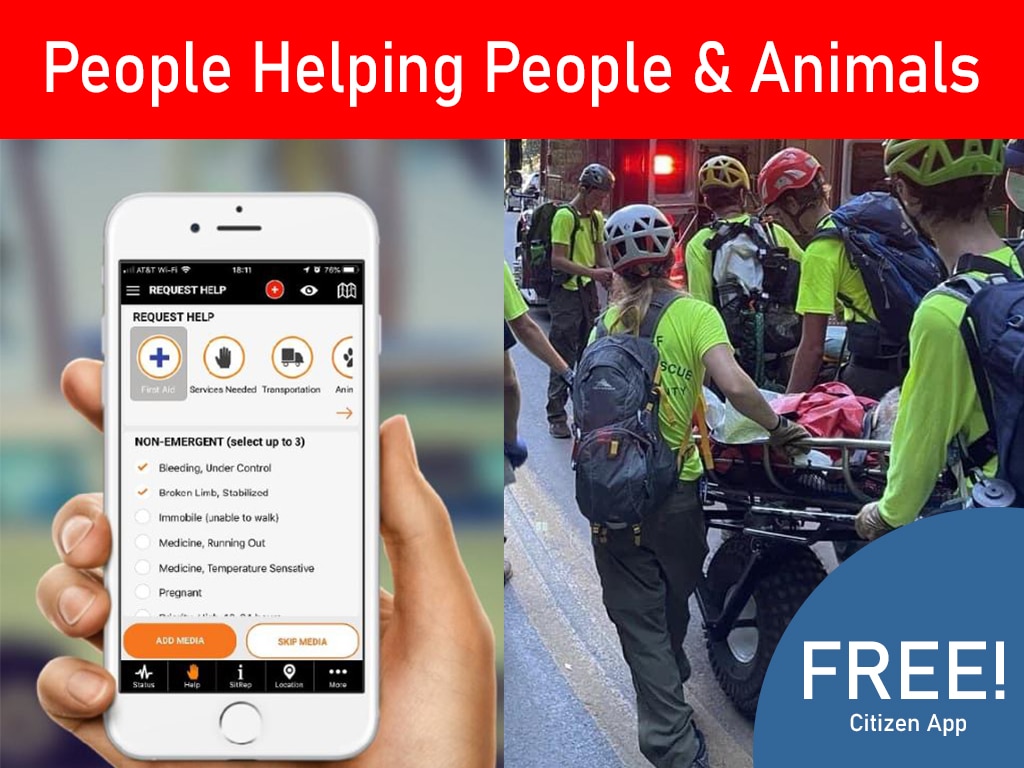
Use a warm handoff when the receiving team needs context or the request involves a vulnerable resident. The original coordinator should confirm that the next owner has accepted the request, share relevant consented details, and identify the expected next update. This is stronger than forwarding a message into a shared inbox and hoping someone notices it. PubSafe’s incident workflow supports location capture, category and severity classification, media and descriptions, routing to relevant organizations, and status tracking through resolution. See PubSafe disaster response scenarios for examples of how different organizations can coordinate around field needs.
Make ownership and status visible
Use a small, consistent set of status values, such as New, Triaging, Assigned, In progress, Waiting for information, Escalated, and Resolved. Every open request should show an owner, last action, next action, and next check-in time. Escalate when a life-safety concern is worsening, the assigned team cannot meet the need, a dependency has failed, or the request remains unacknowledged beyond the response standard. Record the reason for escalation so leaders can identify capacity gaps instead of repeatedly rediscovering them.
Duplicate prevention matters when residents use multiple channels or several teams report the same location. Compare the address or map point, request category, time, description, and source before creating a new case. Link related reports when they describe one need, but preserve distinct households or people when their circumstances differ. A web command center can give coordinators a shared operational view, while native iOS and Android apps support field updates. Maps can combine incidents, resources, weather information, and alert layers, helping teams see geographic concentrations rather than treating every report as isolated.
Close the loop with the resident in plain language. Confirm what action was taken, what remains unavailable, and where to seek official help if the request cannot be fulfilled. PubSafe supports two-way communication through chat, team messaging, broadcasts, situation reports, and priority alerts, but it requires internet connectivity. It is a coordination layer, not a relief provider and not a replacement for 911, emergency management, medical care, utilities, or other official services. For broader follow-up, connect the routing record to disaster case management workflows so unresolved needs remain visible after the initial response period.
Community Needs Assessment vs. Property Damage Assessment
These workflows answer different operational questions, even when they draw on some of the same field observations. A community needs assessment focuses on people, services, and barriers: who needs food, shelter, transportation. Medical support, utilities, or accessibility assistance, and how those needs should be prioritized and routed. A property damage assessment focuses on the condition of buildings, infrastructure, and other physical assets.
Keeping the distinction clear helps response leaders avoid treating visible damage as a complete picture of community impact. A damaged property may be unoccupied, while a less visibly damaged building may contain residents who need medication, language support, transportation, or a safe place to stay. Needs data should be collected with privacy, consent, accessibility, and human oversight in mind. Teams should also include people trained to gather information from frontline communities, because the quality of an assessment depends on who can safely and accurately reach affected residents. CERT damage assessment practices can support the physical-damage side of the workflow.
| Workflow | Primary question | Typical inputs | Output/use |
|---|---|---|---|
| Community needs assessment | What support do people and communities need now? | Resident reports, interviews, observations, service requests, and access considerations | Prioritized needs, referrals, assignments, and a follow-up record |
| Property damage assessment | What physical assets are damaged, unsafe, or unavailable? | Site observations, photographs, infrastructure reports, utility conditions, and damage descriptions | Damage documentation, safety concerns, repair needs, and evidence for response decisions |
The workflows complement each other when teams connect the records without collapsing them into one category. Damage findings can explain why a household needs relocation or why a route is inaccessible. Resident reports can identify consequences that a physical inspection misses, such as medication access, caregiver needs, or transportation barriers. Coordinators can compare both views, verify gaps, share relevant information with emergency management partners, and assign the next action to the right owner.
A Field-Ready Assessment Checklist for Response Leaders
A practical checklist keeps a post-disaster community needs assessment consistent when conditions change, information arrives unevenly, and multiple people share the workload. Use it as a briefing tool before deployment, a prompt during collection, and a review record afterward.
- Before collection: Confirm the assessment area, operating period, safety boundaries, and decision authority. Assign clear roles for intake, verification, triage, routing, accessibility support, and quality review. Define categories such as food, shelter, transportation, medical support, utilities, communication, and accessibility assistance. Prepare plain-language questions and translation or interpretation options.
- Before collection: Set a consistent record structure. Capture the request, location, affected people, requested assistance, time observed, source, consent status, and confidence level. Explain how information will be used, collect only what the response requires, and protect sensitive details. Remember that damage observations can support the picture, but they do not replace direct assessment of community needs.
- During collection: Gather information through more than one channel, including resident conversations, partner reports, field observation, and existing situation reports. Make room for people who may be overlooked, including residents with disabilities, older adults, people with limited English proficiency, people without reliable transportation, and households with limited connectivity. Do not treat silence as evidence that no need exists.
- During collection: Label each entry as reported, partially checked, or verified, and record who supplied or confirmed it. Check for duplicate requests, conflicting locations, changing conditions, and unsafe assumptions. Apply human judgment before escalating a case. Triage urgent life-safety concerns first, then consider vulnerability, access barriers, time sensitivity, dependencies, and available routes to help.
- During routing: Assign one accountable owner and document every handoff. Use clear statuses such as new, reviewing, assigned, pending information, escalated, and resolved. Coordinate spontaneous volunteer management carefully, matching volunteers to approved needs and appropriate supervision rather than sending unverified help into the field.
- After routing: Follow up with the requester or reporting partner when it is safe and appropriate. Record what changed, what remains unresolved, and whether the request needs escalation. Strong disaster case management workflows make ownership and follow-up visible instead of allowing cases to disappear between teams.
- After the assessment period: Review coverage, delays, duplicate entries, unanswered requests, accessibility gaps, and decisions that lacked sufficient confidence. Invite feedback from residents, field staff, community CERT teams, partner organizations, and volunteers. Update the checklist and category definitions while the lessons are still specific enough to improve the next response.
Frequently Asked Questions
When should a post-disaster community needs assessment begin?
Begin collecting information as soon as it is safe and continue updating it as conditions change. An immediate needs assessment commonly starts within 12 to 36 hours, while follow-up assessments may continue for weeks or months. Use the first pass to identify urgent safety, shelter, food, water, medical, transportation, and accessibility needs, then schedule regular reviews.
What information should a community needs assessment collect?
Collect the location, type of need, urgency, number of people affected, accessibility or language considerations, contact preferences, and any known deadline or dependency. Include observations from shelters, homes, clinics, water sources, and distribution sites, along with reports from residents, responders, community CERT teams, and partner organizations. Record whether each request is reported, corroborated, or verified.
How can teams validate requests without delaying assistance?
Use a confidence field and a quick duplicate check rather than waiting for perfect information. Compare requests with direct observation, a second report, service-provider information, or a follow-up contact. Secondary information can help fill gaps, but its accuracy should not be assumed. Protect personal information, obtain consent where appropriate, limit access to sensitive details, and escalate immediate life-safety concerns before completing every verification step.
How should assessment findings be prioritized and routed?
Apply transparent criteria such as immediate danger, medical urgency, vulnerability, lack of access to alternatives, time sensitivity, and dependencies between needs. Assign each request to the organization best positioned to act, set a status and owner, and document handoffs and escalations. Share relevant findings with the local emergency management office so community information can inform the wider response. Source guidance also recommends coordination among government, first responders, and community organizations.
Ready to coordinate community needs more clearly?
A consistent way to organize incident reports, community needs, teams, maps, and response follow-up can help response leaders keep information usable as conditions change. Contact PubSafe to discuss a coordinated approach for your organization and community.