Managing thousands of unvetted citizens who show up to help after a major flood is a logistics nightmare. Most local agencies lack the systems to track these people or keep them safe. A sudden crowd of helpers can quickly turn into a second crisis for the incident leader.
Spontaneous volunteer management is the process used to organize and check citizens who arrive at a disaster site to help without being part of a group. Local governments use these systems to check skills and assign jobs so that residents do not block roads or get hurt in unsafe zones. According to FEMA, using digital tools to track hours and skills helps local leaders reduce legal risk while verifying the abilities of every person who offers aid. This coordination turns a crowd of unvetted helpers into a safe force that follows orders and supports expert teams to help the community heal.
Local leaders must understand the risks of having too many unvetted helpers on the scene. We will look at how to build a plan that keeps everyone safe during the next storm. Understanding The Spontaneous Volunteer Challenge for Local Governments is the first step toward better volunteer coordination during emergencies. The path begins with
Spontaneous Volunteer Management: The Spontaneous Volunteer Challenge for Local Governments
When a disaster strikes, people naturally want to help. This drive leads to a surge of helpers known as unaffiliated or spontaneous volunteers. These people often self-deploy to aid their neighbors without any prior coordination. While their intent is good, large numbers of untrained helpers can create big hurdles for local leaders. These spontaneous volunteers arrive at a time when city resources are already thin.
A history of volunteer convergence
The trend of people rushing to help after a crisis is not new. It has been a part of major events for over a century. One early case was the 1917 Halifax explosion. A famous study by Samuel Prince showed how people and goods converged on the site to offer aid. More recently, after the 1985 Mexico City earthquake, about ten percent of the city population stepped up to assist. This meant over two million people were active on the streets. Local governments must face the fact that volunteer coordination during emergencies is a recurring need that repeats with every major incident.
The scale of unsolicited help
Modern disasters show that the scale of this help is growing. Following the 9/11 attacks, more than 40,000 unsolicited people arrived at Ground Zero in New York to help with the response. Similar spikes in help occurred after Hurricane Katrina and the 2004 Indian Ocean Tsunami. For a small town or county, even a few hundred extra people can block roads and slow down professional crews. Managing thousands of people who show up without notice requires a clear and fast system to keep everyone safe and useful.
Why ignoring the surge fails
Some leaders might think that if they do not ask for help, people will stay away. History shows the opposite is true. Choosing to ignore these groups does not stop them from coming. This was seen during the 2003 and 2009 bushfires in Australia. The same thing happened during the 2010 and 2011 floods in Victoria. In each case, spontaneous volunteer management was vital because people came anyway. When a local government has no plan to use these people, it loses a valuable resource and faces more chaos at the scene.
Why Pre-Incident Spontaneous Volunteer Planning Is Essential
Local governments often face a surge of help when a disaster hits. Thousands of people may show up to offer their time and skills. If you do not have a plan, this wave of help can turn into a new crisis. You may face site crowding, safety risks, and lost time. Good volunteer coordination starts long before the first call for help arrives. Local leaders must view spontaneous volunteer management as a core part of their duty to the public. Planning lets you turn chaos into a useful force for your town. It makes sure that every pair of hands is put to the best use.
Setting Clear Roles and Duties
A strong plan defines who is in charge and what each person does. FEMA advice tells local leaders to set these roles early. This work includes training and drills to make sure all staff know their tasks. When you plan ahead, you can decide how to vet and track each new helper. You can also name which local groups will lead parts of the work. This stops two groups from doing the same task. It also makes sure no key need is left out when the work is at its peak.
Reducing Legal and Task Risks
Local governments have a clear duty to keep their people and helpers safe. In many places, the law expects towns to have a formal plan for help. For example, some rules expect local councils to make plans for volunteer management during a crisis. If you do not plan, you risk legal suits and safety gaps. You might place a person in a role they are not fit to handle. This creates risk for the town and danger for the worker. A plan sets the rules for how to check skills and limit these risks.
Syncing with Big Frameworks
Your local work should fit into larger systems. The FEMA Volunteer and Donations Management Support Annex gives a map for this work. It shows how local, state, and federal groups can work as one large team. By following these rules, you make it easier to get extra help when things get tough. A plan helps you share facts and needs with state or federal partners. This makes the whole response fast and smooth. It also keeps your local team in sync with larger aid goals across the region.
The Cost of Poor Planning
Without a plan, the high number of helpers can slow down the real work. Managers may spend hours just talking to people instead of leading the response. This leads to a waste of food, water, and tools. It also causes stress for the people who came to help. A lack of planning often leads to a mix-up where managing the crowd becomes the main task. By setting up a process now, you ensure that every resource goes to the right place at the right time. This proactive stance saves lives and protects the reputation of the local government.
Conducting a Risk-Benefit Assessment for Spontaneous Volunteer Engagement
Local councils often face a tough choice when hundreds of people arrive to help after a disaster. Some leaders worry that volunteer coordination adds too much work or creates legal risks. But history shows that doing nothing is the biggest risk of all. Research from past bushfires and floods shows that ignoring the crowd does not stop people from arriving to help. Instead, it leads to unmanaged groups acting on their own, which can get in the way of official response teams.
Balancing liability and community help
A good risk-benefit review looks at what happens if you use volunteers versus what happens if you do not. According to the Australian Institute for Disaster Resilience, refusing to manage these people will not reduce the numbers that show up. When councils do not provide a path for help, volunteers may enter dangerous zones without gear or oversight. This creates a larger safety risk than a managed program. By setting up a clear system, you can turn a chaotic crowd into a useful force for the community.
Using task scoping to lower risk
One way to lower risk is to limit what spontaneous volunteers do. They should not handle high-risk tasks like deep-water rescue or building searches. Instead, assign them to low-risk roles that still meet vital needs. This includes things like cleaning debris, moving supplies, or managing traffic. By matching people to simple jobs, you keep them safe while freeing up trained staff for complex work. This helps the council stay in control while still using the extra hands that have arrived.
Working with VOADs and resource centers
You do not have to manage the entire process on your own. Many Volunteer Organizations Active in Disasters (VOADs) can help you. These groups have the skill to vet, register, and lead teams of helpers. A local Volunteer Resource Center can act as a filter for the council by handling the initial intake. This ensures every person is signed in and knows the rules before they reach a work site. Using these partners lowers the workload for local government staff and ensures a safer, more organized response.
A Step-by-Step Process for Rapid Volunteer Registration and Deployment
When a disaster strikes, local people often rush to the scene to help. This rush of help is a common part of any crisis. For local leaders, spontaneous volunteer management is about more than just saying yes or no. It is about having a clear path to turn that help into a safe and useful force. A solid process keeps the site safe and makes the work faster.
Building on local networks
Local governments do not have to do this alone. Working with groups that already exist is a smart move. For example, faith-based groups are fast at calling up large numbers of helpers. They have deep ties to the community and can move quickly when the need is high. This helps the government fill gaps in the first few hours.
Schools also offer a lot of help. Local colleges and schools can provide a skilled group of students and staff. These people can serve as team leaders or do expert work. Also, volunteer coordination works best when you partner with a VOAD. These groups give you extra support and help you manage the crowd when resources are tight.
The framework for safe deployment
The FEMA coordination framework suggests using a formal plan to handle those who show up without a group. By using a set of clear steps, you can vet helpers and put them to work without adding new risks. This step-by-step path helps you track who is on the ground and what they are doing.
- Set up a registration hub. Create one spot, both physical and digital, where every helper must check in. This stops people from wandering into danger zones.
- Check IDs and basic skills. You must know who is on the scene. Ask for a state ID and check for any special licenses or skills they may have.
- Assign tasks by skill level. Do not just give everyone a shovel. Match the person to the task, like using a nurse for medical help or a driver for supply runs.
- Give a safety talk. Every helper needs a quick brief on the risks. Tell them where to go, what to wear, and how to stay safe on the job.
- Deploy with a clear leader. Never send a volunteer out alone. Put them in a team with a trained leader who knows the chain of command.
- Log every hour. Keep a record of when people start and stop. This data is vital for reports and getting funds back after the crisis ends.
A good process helps you use the crowd for good. When you have a hub and a path, you reduce the chaos of the scene. You also ensure that the help you get does not become a new problem for your team to solve. Using these steps allows your local agency to stay in control while letting the community play its part in the recovery.
Using Technology to Coordinate Spontaneous Volunteers at Scale
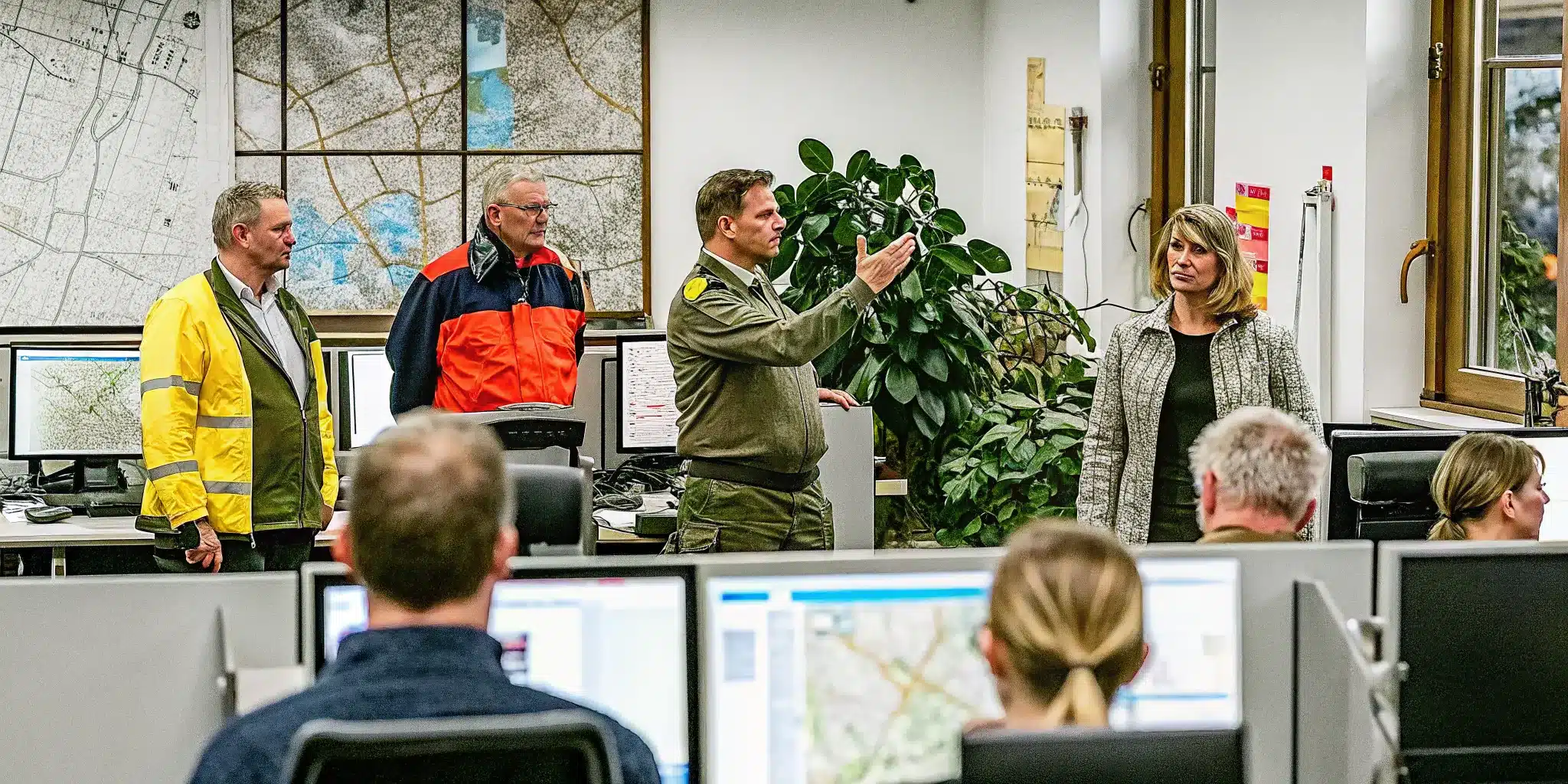
Managing a sudden influx of helpers requires a shift from manual tracking to digital systems. Local governments have a responsibility to create formal plans for volunteer coordination to ensure safety and efficiency. Traditional methods often fail when hundreds of people arrive at once. Modern software helps emergency managers sort, track, and deploy these people without slowing down the primary response effort.
Digital onboarding and rapid vetting
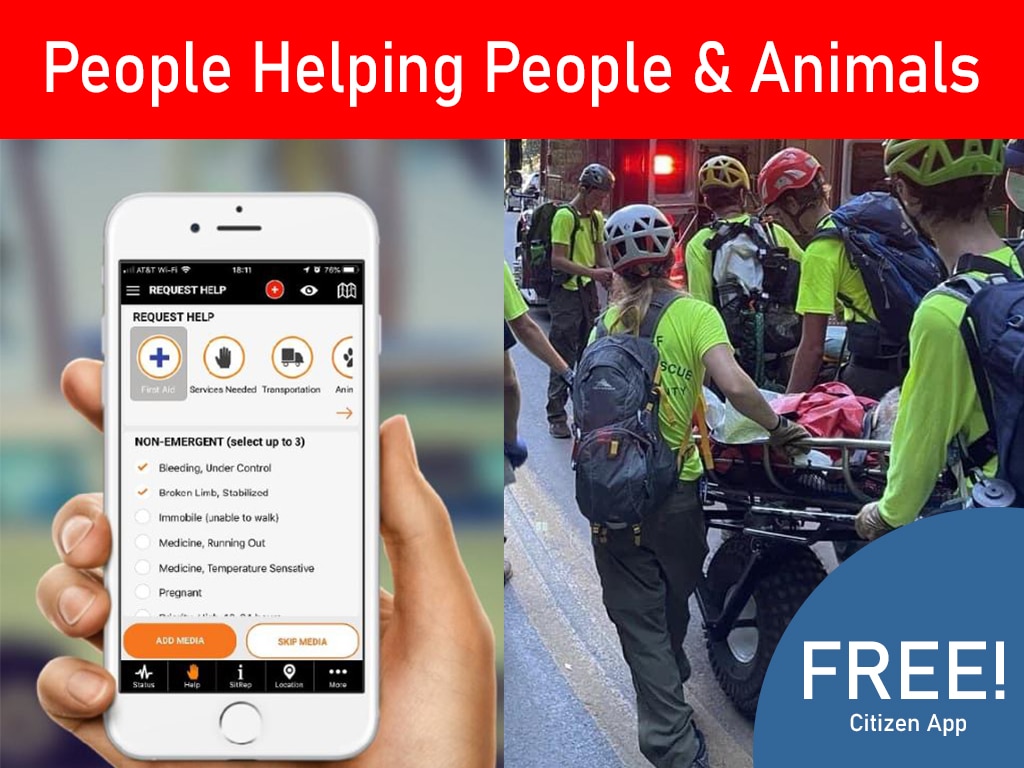
In a crisis, every minute spent on paperwork is a minute lost to the response. Digital tools allow for rapid registration through mobile devices. For example, PubSafe uses QR code onboarding to gather contact details and basic skills in seconds. This removes the need for paper sign-in sheets and manual data entry. It ensures that unaffiliated volunteers are logged into a central system before they enter a disaster zone.
Once registered, software can sort volunteers based on their skills or gear. Emergency managers can find people with specific tools or training, such as heavy equipment or first aid. This allows for smarter tasking. You can send the right person to the right spot without making many phone calls. The system keeps a clear record of who is on-site and what they are doing.
Real-time visibility and team tracking
Knowing where volunteers are is a major safety concern. Modern systems use live map views to show team locations. This feature helps prevent volunteers from entering high-risk areas by mistake. It also lets coordinators see gaps in coverage in real time. PubSafe provides this tracking alongside situation reports to keep everyone informed as the scene changes.
Tracking hours is also vital for state and federal aid. Local governments must document volunteer time to meet match requirements for disaster grants. Digital logs are much more accurate than paper forms. They provide the hard data needed to justify costs and request funds after the event. Using volunteer responder management software simplifies this path for busy staff.
Comparing coordination approaches
Traditional tools like spreadsheets and phone trees are cheap but hard to scale. They often lead to data gaps where only one person has the full picture. Modern software breaks these gaps by sharing data across groups. While some large systems cost over $10,000 to set up, PubSafe offers a coordination layer for just $60 per user each year. This makes it easier for small towns and counties to build a resilient response network.
| Capability | Traditional Approach | Modern Software Solution |
|---|---|---|
| Check-in/Registration | Paper sign-in sheets | Mobile QR code onboarding |
| Skills Tracking | Manual sorting/Interviews | Searchable digital skills database |
| Real-time Location | Occasional radio checks | Live geospatial map visualization |
| Task Assignment | Verbal orders/Paper lists | Digital SITREPs and app alerts |
| Multi-agency View | Physical EOC meetings | Shared cloud-based dashboard |
| Hour Tracking | Post-event tallying | Automated logs for grant match |
How PubSafe Helps Local Governments Manage Spontaneous Volunteers
Local governments have a duty to create clear plans for spontaneous volunteer management during crises. When disasters strike, people want to help. If a city does not have a way to track them, these helpers can cause site issues. PubSafe provides a cheap, fast way for towns and counties to organize this energy without high costs.
Rapid registration and onboarding
In a crisis, time is short. PubSafe uses QR codes to help volunteers sign up fast at staging sites. This volunteer management software lets people scan a code with their phones and join the effort in seconds. Managers get instant data on who is on-site and what skills they have. This removes the need for paper lists that get lost or damaged.
Real-time tracking and safety
Public safety leaders need to know where teams are working. PubSafe uses geolocation to track volunteers in the field. This helps coordinating crisis volunteers because leaders can see team spots on a live map. If a group needs help or a task changes, managers can send new info fast. This keeps volunteers safe and ensures they are working in the right areas.
Structured reporting and compliance
Local governments must track hours and tasks for FEMA grant compliance and audit needs. PubSafe automates this by logging check-in times and field updates. Volunteers can send situation reports (SITREPs) from their phones. This data helps cities prove how much work was done and what costs they had during the response.
Multi-organization coordination
Disaster response often involves many groups like VOADs or faith-based teams. PubSafe lets disaster response platform users share data across different agencies. This unified view helps stop double-work and ensures no tasks are missed. It works as a bridge between groups, adding a coordination layer to existing CAD or 911 systems.
Affordable scaling for any budget
Many big systems cost over $10,000 per year. This price is too high for many small towns. PubSafe offers a big cost edge at about $60 per user each year. This makes it easy for local leaders to use the same tool during daily work and big events. By using the app for both “blue sky” and “gray sky” days, teams stay ready for any threat.
Frequently Asked Questions
How much does spontaneous volunteer management software cost for local government?
PubSafe costs about $60 per user each year. This price is much lower than large tools that often cost more than $10,000. These low costs help small towns use expert tools without spending too much. Cheap software lets leaders track workers and send quick reports during a crisis. This helps keep both helpers and the public safe. Using these tools is a smart way to manage your budget and your team.
What is the difference between a community CERT and a cybersecurity CERT?
A community CERT is a group of local people trained to help during a flood or fire. A cybersecurity CERT works to stop attacks on computer systems. The CDC says that people who join community volunteer groups are 80 percent more likely to have a plan for a crisis. It is vital to use the right name to find local teams that help in person. This keeps your search fast and clear.
Can local governments use QR codes to register spontaneous volunteers?
Yes, new tools allow you to use QR codes for fast sign-ups on the spot. This way, you do not need paper forms or to type data by hand during a crisis. Volunteers just scan the code with a phone to share their name and skills. This speed helps you get people to work faster. It also keeps an online list of everyone on the scene. It is a great way to manage large groups of helpers.
Why is a pre-incident plan needed for spontaneous volunteer management?
A plan made before a disaster defines roles and rules for everyone. FEMA says local governments should work with groups to set clear steps for training. Without a plan, a sudden rush of helpers can confuse local leaders and cause safety risks. Planning ahead ensures that you can use the extra help in a safe and smart way. This helps your community when it needs you most.
Ready to find a better way to coordinate your volunteers?
Waiting until a crisis hits to manage volunteers creates safety risks and delays aid, making your response less effective for every person who needs your help. Every hour you spend on manual paperwork and vetting is an hour lost for your community, so starting your plan today is a vital step. By starting now with a disaster response platform, you can turn chaotic energy into a safe force that helps your whole town recover much faster. Our team is ready to help you set up a system that works for your unique government needs and ensures your staff stays safe during crises.
Ready to schedule? Schedule a demo of the PubSafe volunteer coordination platform to talk to a coordination expert and learn how to protect your town.