
Continuity plans are only useful when people can find the right information, confirm who owns each action, and coordinate the next step under pressure. For public safety organizations, nonprofits, municipalities, and community CERT teams, readiness depends on more than storing a document in a shared drive.
The practical question is how to connect year-round maintenance with action during a disruption. Start by separating what the software should document, what it should keep current, and what it should help teams coordinate when conditions change.
What Is Continuity of Operations Plan Software?
Continuity of operations plan software helps an organization organize, maintain, test, and activate procedures for essential functions during a disruption. It is not the COOP itself. The formal plan defines priorities, authorities, alternate procedures, resources, and responsibilities. Software provides a working environment for keeping that plan current. It also connects the plan to the people and information needed when conditions change.
A continuity of operations plan, commonly called a COOP. Answers a practical question: how will an organization continue its most important work if a facility, system, workforce, supplier, or other operating condition is disrupted? The answer should identify essential functions, the personnel who perform them, backup personnel, required resources, and the sequence for restoring or sustaining operations. AppState’s COOP quick-start process recommends identifying at least two backup people who can perform essential work when primary staff are unavailable. Its guidance describes COOP development as a nine-step process, rather than a one-time document-writing exercise.
The difference between a plan and a software system
A document can record a continuity strategy, but a document alone does not ensure that contacts are current, staff know their roles, or procedures have been tested. Continuity of operations plan software can centralize plan ownership, essential-function details, supporting procedures, review tasks, and exercise records. It can make it easier for authorized people to find the current version instead of relying on an old file saved to a local drive or shared across disconnected folders.
The right system should complement, not replace, formal emergency plans, agency authority, dispatch, radio, or specialized response tools. For a community CERT, nonprofit, municipality, or emergency management office, the operational value is in connecting documented responsibilities with a repeatable readiness workflow. That may include managing members, sharing approved information, and coordinating reports when an activation occurs, while the organization’s official COOP remains the governing plan.
COOP software follows a lifecycle
AppState’s workflow includes naming plan owners, reviewing existing emergency procedures, selecting continuity software. Submitting the plan for review and approval, completing annual updates and reviews, and conducting annual testing and exercises. Those stages show why continuity is a year-round discipline. Owners must revisit assumptions, confirm essential personnel and backups, update contact information, and record lessons from exercises. Testing can reveal that a process depends on one unavailable person, an outdated contact path, or a resource that cannot be reached under the conditions being planned for.
During an actual disruption, the system should help authorized teams locate the approved plan, understand who is responsible for each essential function, communicate status, and document decisions. It supports execution of the plan, but it does not create guaranteed continuity. The strongest setup treats the COOP as a living operational program: define, assign, review, exercise, improve, and activate.
Which Features Matter in Continuity of Operations Plan Software?
The right platform should support more than storing a finished continuity plan. It should help an organization keep responsibilities visible, maintain readiness between incidents, and coordinate people when normal operations are disrupted. A practical evaluation starts by separating three functions: preserving the plan, managing the work required to stay ready, and supporting communication during activation.
Common COOP software categories include plan management, role mapping, communications, resource tracking, exercises, and reporting. These categories provide a useful checklist, but they should be tested against your actual operating model. A municipality may need oversight across departments, while a nonprofit or community CERT may need simpler team administration and faster volunteer mobilization.
| Capability area | What to look for | Operational question |
|---|---|---|
| Document repository | Central access to current plans, procedures, contact information, role assignments, and supporting resources, with clear ownership and change history. | Can the right people find the current plan and understand which version they should use? |
| Readiness workflow | Assignments for reviews, updates, exercises, resources, and reporting, with status visibility so gaps do not remain hidden in a file. | Can managers see what is ready, what is overdue, and who owns the next action? |
| Live coordination | Team communications, alerts, situation reports, incident information, routing, status tracking, and a shared operational view across authorized users. | Can the organization move from a documented plan to coordinated action without losing information across separate channels? |
For many organizations, the repository is the starting point, not the finish line. A plan that is accurate but difficult to activate can still leave staff searching through email, spreadsheets, or disconnected message groups. Readiness workflows connect the plan to recurring reviews, role confirmation, exercises, and corrective actions. Reporting then gives leaders evidence of progress instead of relying on informal updates.
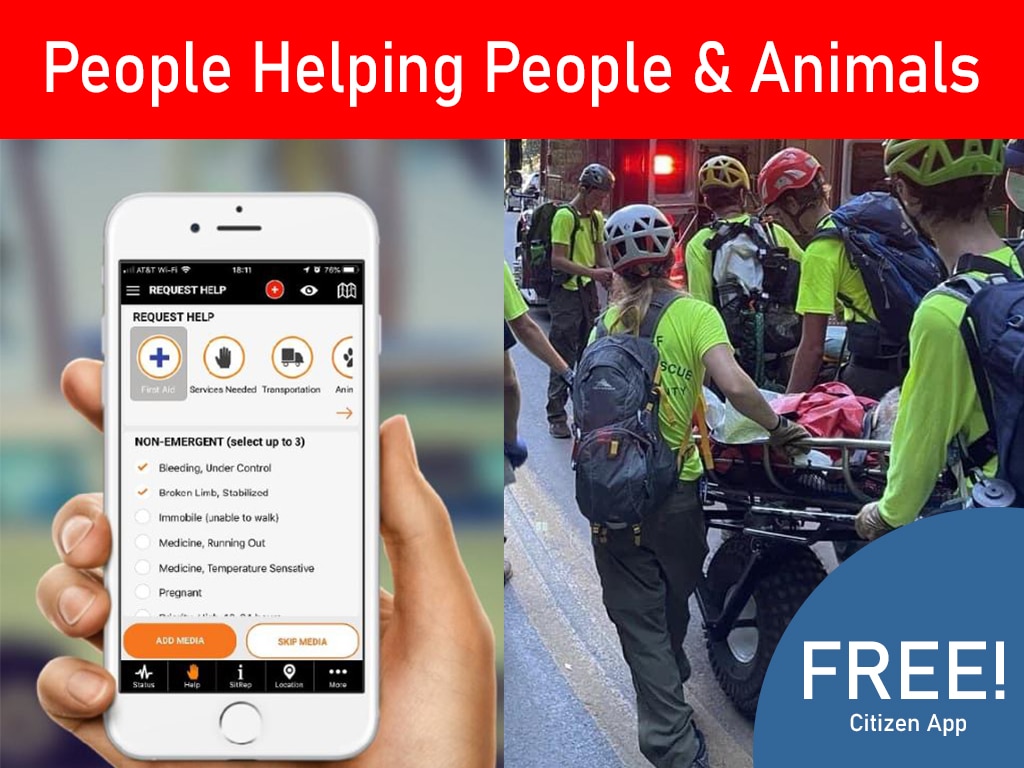
Live coordination is a related but distinct requirement. PubSafe documents a combination of mobile applications, a browser-based command portal, and cloud synchronization for organizational management. Its communication features include direct chat, team messaging, broadcasts, situation reports, and priority alerts. Structured incident reports can include location, classification, severity, media, routing, and status through resolution. Explore the disaster response platform and how PubSafe works to see how those coordination capabilities fit alongside an organization’s formal continuity plans and existing emergency systems.
How Do You Keep Plans, Contacts, and Dependencies Current?
A continuity plan is only useful when the people, facilities, systems, and procedures inside it still match reality. Assign a plan owner who is responsible for the maintenance cycle, then give each essential function a primary lead and at least two trained backups. AppState includes plan ownership, review and approval, annual updates, and testing among the elements of its COOP workflow. Reinforcing that maintenance is part of continuity planning rather than an administrative afterthought. Its COOP quick-start guidance describes a nine-step process that organizations can adapt to their own governance requirements.
Assign ownership and maintain a dependable source of truth
Start with an inventory of critical functions. For each one, record the responsible role, contact methods, required resources, upstream and downstream dependencies, and the conditions that trigger a handoff. Contacts should include alternates, not just department heads. Review names, phone numbers, email addresses, permissions, and organizational affiliations after staffing changes, reorganizations, and major exercises.
Use version control so responders can distinguish the current approved plan from an outdated copy. A useful continuity of operations plan software evaluation should ask whether the system preserves change history, identifies the effective version, supports review assignments, and produces records for oversight. Backups should also be deliberate: define what is backed up, who can restore it, where the backup is stored, and how restoration is tested. Do not assume that uploading a document automatically proves that the organization can use it during a disruption.
Map dependencies, alternate sites, and recovery objectives
Document the relationships that keep each critical function operating. A function may depend on specific staff, facilities, vendors, applications, records, utilities, transportation routes, or communications channels. Include an alternate site and the resources required to work there. Then define a recovery time objective, or RTO, for each priority function. The RTO should reflect an operational decision approved by the organization, not a number selected because a software field requires one.
As an example of evaluation criteria, Veoci describes linking dependencies, critical functions, and alternate sites, calculating RTOs, scheduling recurring reviews, and tracking changes through version control. It also presents dashboards, readiness scores, and audit-ready exports as ways to support oversight. These are capabilities described by Veoci’s government COOP offering, not promises about every continuity platform.
Review, exercise, and improve
Set a review cadence that includes routine checks and event-driven updates. A six-month review interval can be a useful starting point, while annual exercises test whether the documented contacts, backups, dependencies, alternate sites, and RTOs work under pressure. Record gaps, assign corrective actions, and update the approved version after each exercise. A dashboard can help leaders see which plans are current, awaiting review, or missing key information, but the score is only valuable when someone acts on the gap.
How Can Software Support Activation During a Disruption?
Activation is the point when a continuity plan becomes an operating rhythm. Leaders confirm what happened, identify essential functions, assign available people, share verified information, and track actions as conditions change. The software should make those steps visible without creating another disconnected channel for staff and volunteers.
Turn incoming information into assigned work
A mobile app and browser-based command portal can give different participants an appropriate view of the same operation. Field personnel may submit an incident report with a location, severity, description, media, routing information, and status. Coordinators can review those reports, direct follow-up, and track an item through resolution. That structure is more useful than a stream of unclassified messages because it preserves the details needed for prioritization and handoffs.
PubSafe documents this mobile and web coordination model, along with cloud-based synchronization for organizational management and real-time updates. Its communication features include one-to-one chat, team messaging, broadcasts, situation reports, and priority alerts. A municipality, nonprofit, or community CERT team could use those functions to announce an activation, brief a team, send an urgent update, and maintain a shared operational picture. These capabilities support coordination; they do not make PubSafe the official authority for an incident.
Coordinate people, locations, and resources
During activation, teams need to know who is available, which group owns a task, and where conditions or resources are changing. PubSafe supports team management, QR-code volunteer onboarding, members who participate in multiple organizations, and volunteer-hour tracking. Those functions can help an organization move from a maintained roster to an accountable response structure. Read more about volunteer management for nonprofits and CERTs when designing that workflow.
Its documented mapping features include live geospatial visualization, weather and incident layers, resource overlays, and public-safety data integrations. For example, an emergency manager could use location-based incident information alongside team and resource updates when deciding what needs attention next. Organizations can also define the measures they will review after activation. The guide to measure emergency readiness can help connect response activity with useful operational indicators.
Know what the platform does not replace
Continuity of operations plan software may contain plan documents, assignments, review workflows, or activation records, but a coordination platform is not automatically a formal COOP authoring system. PubSafe should not be represented as a replacement for a signed COOP plan, official emergency management authority, dispatch, radio communications, or specialized public-safety systems. It also should not be described as an offline solution. If internet access is unavailable, organizations must follow their approved backup communications and operating procedures.
Used within those boundaries, PubSafe can serve as a practical coordination layer between preparedness and response. Teams can maintain readiness during routine operations, then use the same organizational context to communicate, report, map, and assign work when a disruption occurs.
A Practical COOP Software Checklist for Nonprofits and Municipalities
A useful checklist turns continuity planning from a document exercise into a repeatable operating practice. Use it with nonprofit leaders, municipal departments, emergency managers, and community CERT coordinators. Continuity of operations plan software can organize the workflow, but it should support, not replace, your formal plan, authorities, dispatch, radio, and other specialized systems.
- Define essential functions. List the services that must continue during a disruption, such as public information, shelter support, volunteer coordination, health services, inspections, or emergency response. For each function, record the minimum acceptable service level and the consequences of interruption. Keep the list specific enough that a team can act on it.
- Assign an owner and backups. Name the person accountable for each function, then identify at least two backups who can perform the work if the primary owner is unavailable. This follows a practical COOP principle documented by Appalachian State University. Include role expectations and escalation authority, not just names.
- Verify contacts. Confirm staff, volunteers, partner agencies, vendors, facilities, and leadership contacts. Set a recurring review date and remove stale numbers, addresses, and responsibilities. Nonprofits should include volunteer leads; municipalities should include department and jurisdictional contacts; community CERT teams should include team leaders and activation coordinators.
- Map dependencies. Connect each essential function to its people, facilities, technology, suppliers, records, transportation, and communications channels. Note alternate sites and recovery time objectives where applicable. A dependency map should reveal which single failure could interrupt several services at once.
- Set the review cadence. Schedule routine plan reviews, at least annually and more often when staffing, facilities, systems, or responsibilities change. Some continuity platforms support recurring six-month reviews, but the right cadence depends on operational risk. Track the current version, approver, changes, and unresolved gaps.
- Run exercises. Test the plan with a tabletop discussion, communications drill, functional exercise, or field activity. Include the people expected to act, not only plan authors. Community CERT exercises can include activation, search and rescue coordination, damage assessment, medical triage support, and training scenarios.
- Connect activation channels. Define how an approved activation becomes an assignment, alert, status update, or situation report. A coordination platform may connect mobile and web users, but it should complement official notification procedures and available communications systems. Organizations can review organization registration as part of onboarding their operational structure.
- Capture reports and evidence. Record who was notified, what happened, which resources were used, what decisions were made, and when each task changed status. Consistent records support handoffs, grant reporting, leadership review, and improvement work.
- Review corrective actions. After every exercise or disruption, assign each finding to an owner with a deadline and verification method. Use a workflow to track corrective actions after exercises so lessons become completed improvements rather than notes filed away.
Frequently Asked Questions
What is an example of a continuity of operations plan?
A continuity of operations plan explains how an organization will keep its essential functions running during a disruption. It typically identifies critical services, responsible roles, facilities, vital records, communications methods, dependencies, alternate procedures, and activation steps. A municipality might document how it will maintain emergency communications and essential public services if its primary facility is unavailable.
What is the difference between BCP and DRP?
A business continuity plan, or BCP, addresses how an organization continues critical operations across a broad range of disruptions. A disaster recovery plan, or DRP, usually focuses more narrowly on restoring technology, systems, data, or infrastructure after an incident. They can work together, but a DRP is one component of a broader continuity strategy.
What should continuity planning software support?
Look for support for plan ownership, role and contact management, version control, critical-function documentation, dependencies, exercises, corrective actions, reporting, and controlled activation. If the organization also needs incident coordination, evaluate whether the platform supports communications, structured reports, team management, and status tracking without replacing formal authorities or specialized systems.
What is the best business continuity software?
The best option depends on the organization’s functions, risk profile, existing systems, staffing, and operating environment. Compare how each platform handles plan maintenance, permissions, exercises, evidence, integrations, and real-world coordination. Prioritize a tool that teams can keep current and use confidently during an exercise or disruption, rather than choosing based only on a feature list.
Ready to strengthen your readiness workflow?
Continuity planning is more useful when people can maintain responsibilities, communicate clearly, and coordinate action during disruption. PubSafe can help your organization connect preparedness work with practical activation workflows across teams and community partners. To discuss how the platform may fit your emergency readiness goals, contact PubSafe.