A preparedness plan is only useful if people can find it, act on it, and update it while conditions are changing. Emergency preparedness plan software gives agencies, CERT teams, nonprofits, and community partners one operational place to turn written plans into assigned work, current information, and accountable action.
For many organizations, preparedness still lives across binders, shared drives, spreadsheets, contact lists, text-message groups, and individual memory. That approach can work for a small exercise. It becomes fragile when a severe storm, wildfire, hazardous-material incident, or public-health event creates hundreds of reports, rotating personnel, and urgent decisions at once.
What Emergency Preparedness Plan Software Should Do
The right system does more than store an emergency operations plan. It helps the organization maintain readiness in blue-sky conditions and coordinate work during gray-sky operations. The difference matters: a static document describes intentions, while an operational platform helps leaders verify who is available, what resources are needed, where incidents are occurring, and which tasks remain open.
A capable platform should connect preparedness activities to real response workflows. That means managing people and credentials before deployment, collecting requests and incident reports as they occur, dispatching teams, tracking work orders, and preserving a clear activity record for command staff and later review.
This is not simply project management with emergency terminology added. Emergency operations create time pressure, sensitive information, field constraints, and a changing operating picture. Software must support those realities without making responders work around the system.
Start With the Gaps That Slow Your Response
Before evaluating software, identify where coordination breaks down in your current process. Most agencies and organizations do not have one problem. They have a chain of small operational gaps that become serious together.
A volunteer coordinator may have a roster but no reliable view of training status or current availability. Dispatch may receive calls, email, social media messages, and field updates without a single intake process. An incident commander may have a map in one system, resource information in another, and community requests in a spreadsheet that is already out of date.
Emergency preparedness plan software should reduce these handoffs by creating a shared operational picture. It should answer practical questions quickly: Who can deploy? Who is qualified? Which requests need triage? What work has been assigned? Where are conditions worsening? Which partner organization owns the next action?
Preparedness Is a Living Operational Record
Readiness depends on current records, not last year’s planning cycle. Contact information changes. Certifications expire. Volunteers complete training or become unavailable. Mutual-aid partners adjust their points of contact. Equipment and shelter arrangements shift.
Your system should make routine maintenance easier enough that it actually happens. Individual records should support roles, skills, certifications, training history, and organizational affiliation. Leaders need visibility into gaps before an incident exposes them, such as insufficient trained radio operators, expired credentials, or too few field supervisors for a planned activation.
The same principle applies to plans and procedures. A useful platform provides controlled access to the latest operational information while preserving accountability for updates. People should not have to guess which PDF, contact sheet, or checklist is current.
Build a Workflow From Report to Resolution
The clearest way to evaluate a platform is to follow the life of a real request. Consider a resident who reports a blocked road, a downed tree, flooding near a vulnerable neighbor, or an animal evacuation need. That report has limited value if it remains in an inbox. Its value grows when it enters an organized workflow.
First, the report needs to be captured with enough context for triage: location, category, contact information when appropriate, time, photos or notes, and immediate safety concerns. Next, a coordinator needs to assess urgency and determine whether the matter belongs with public works, fire, law enforcement, an NGO, animal services, a volunteer team, or another partner.
From there, staff should be able to create and assign a work order or mission, notify the responsible team, record actions, and update the requester when the situation allows. Command staff should see the request in the broader operational picture rather than as an isolated message.
This workflow is where purpose-built software earns its place. A system that handles reports, requests, dispatch activity, work orders, alerts, and live mapping together helps teams avoid duplicate work and lost information. It also creates an audit trail that supports shift changes, reimbursement documentation, after-action reviews, and public accountability.
Include the Community Without Losing Control
Residents are often the first people to see changing local conditions. They may notice flooded intersections, damaged infrastructure, welfare concerns, stranded animals, or neighborhoods that have not received an alert. Treating the public solely as an audience for outbound messages overlooks valuable local intelligence.
At the same time, open reporting must be structured. Organizations need clear categories, triage rules, secure handling of personal information, and a defined path for moving urgent reports to the appropriate responder. Community participation is most useful when citizens know what to report, what not to report, and when to call 911 instead.
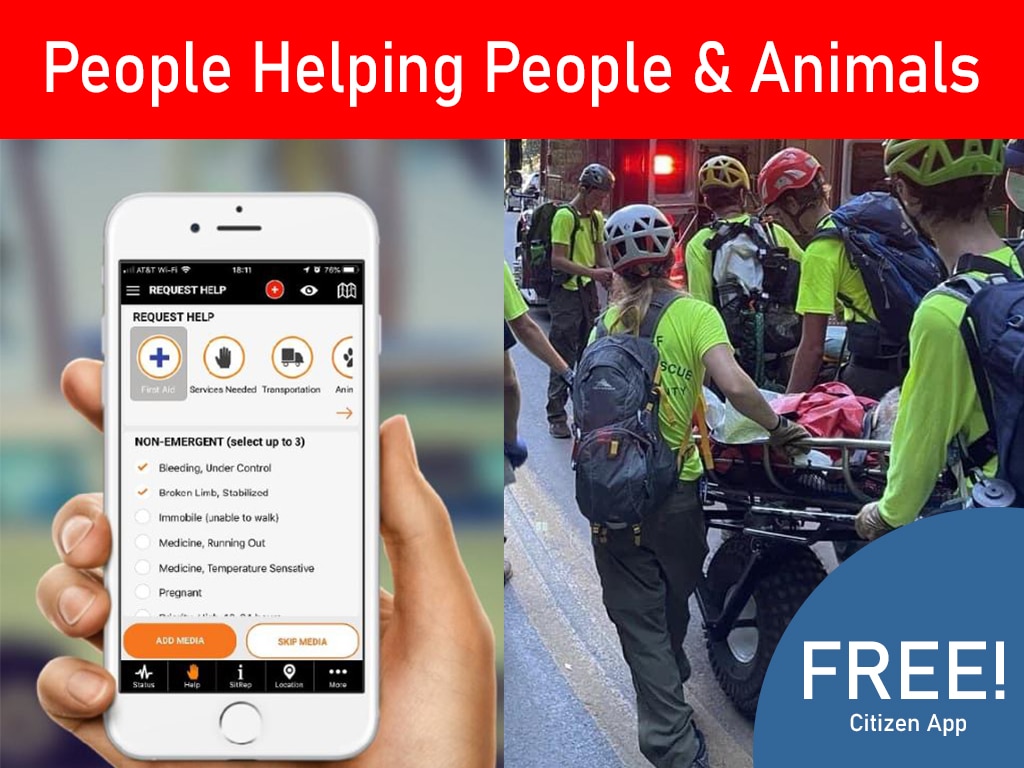
A free citizen-facing reporting app can extend the response network without requiring every resident to understand internal agency tools. It creates a two-way channel: the community can submit conditions and assistance needs, while authorized organizations can provide trusted alerts and guidance. The goal is not to send more notifications. It is to improve the quality and speed of decisions made with local information.
Choose Capabilities That Match Incident Operations
A software demonstration should show complete workflows, not only attractive dashboards. Ask vendors to demonstrate how a community report becomes a task, how a task is assigned to a qualified person, how field updates reach command, and how the team closes the loop.
Look for these connected capabilities:
- Centralized management of members, volunteers, contacts, qualifications, certifications, and training records.
- Structured intake for hazards, help requests, incidents, and community conditions, with triage and routing controls.
- Dispatch, mission, and work-order tools that document assignments, status changes, field activity, and completion.
- Live operational mapping and alerts that help leaders understand location, coverage, active requests, and developing conditions.
- Secure, role-based access that gives each user the information needed for their job without broadly exposing sensitive records.
The right balance depends on your organization. A small volunteer group may prioritize member readiness, requests, and mission coordination. A county emergency-management office may need stronger multi-agency workflows, operational mapping, and command-level visibility. A nonprofit supporting disaster recovery may focus on survivor needs, case coordination, volunteer capacity, and documentation across a long recovery period.
Avoid buying more complexity than your staff can sustain. Features only improve readiness when teams are trained to use them, permissions are maintained, and processes are adopted before an emergency. But avoid choosing a basic tool simply because it feels familiar if it forces staff back into disconnected spreadsheets and manual work during activation.
Test the System Before the Disaster
Preparedness software should be part of exercises, not a system introduced at the moment of impact. Use tabletop exercises to test whether leaders can see incoming reports, assign work, communicate with partners, and account for resources. Then use functional exercises to test mobile access, field reporting, volunteer check-in, dispatch procedures, and shift turnover.
Measure operational outcomes rather than activity alone. How long did it take to route a request? Were duplicate missions created? Could supervisors identify qualified personnel? Did the incoming information create a usable picture of needs by area? Could a new shift understand the status of open work without relying on verbal handoffs?
Each exercise should result in specific process improvements. Update intake categories, refine dispatch rules, clarify roles, clean up records, and train again. Preparedness is not a document approval event. It is a cycle of maintaining people, information, and procedures until they can perform under pressure.
Make Technology Serve the Mission
PubSafe brings these functions into a cloud-based operations environment designed for organizations that coordinate people, resources, and community information before, during, and after disaster events. The operational value is not technology for its own sake. It is helping the right person make an informed decision while protecting the people and animals who depend on that decision.
Start with one workflow your team cannot afford to lose during an activation, such as volunteer deployment, assistance requests, damage reporting, or shelter support. Build it, test it with the people who will use it, and improve it before the next call for help arrives.