A storm cell shifts course overnight. A wildfire crosses a containment line. A neighborhood loses power and cell service at the same time. In those first operational hours, disaster preparedness is no longer a planning document on a shared drive. It is the ability to see what is happening, assign the right people, protect sensitive information, and give residents a trusted way to ask for help or report conditions.
For emergency managers, CERT leaders, NGOs, and public safety partners, preparedness must work in both blue-sky and gray-sky conditions. The strongest programs do not rely on one person’s memory, a collection of spreadsheets, or an inbox that becomes unmanageable during a surge. They create repeatable operational discipline before the incident begins.
Disaster Preparedness Starts With an Operational Picture
A response team cannot coordinate what it cannot see. Yet many organizations begin an incident with reports scattered across phone calls, text threads, email inboxes, social media, paper forms, and separate agency systems. Valuable local intelligence arrives, but it is difficult to verify, prioritize, and turn into action.
A useful preparedness program defines how information enters the organization, who validates it, where it is recorded, and how it reaches the people responsible for action. This includes resident-reported hazards, assistance requests, responder observations, weather updates, shelter conditions, infrastructure concerns, and animal welfare needs.
The goal is not to collect every possible data point. The goal is to collect information that supports a decision. A downed tree may be a routine public works issue, or it may block an evacuation route. A request for medication may be a welfare check, or it may reveal that a whole apartment building is isolated. Context, location, status, and ownership turn a report into an operational item.
Create one intake process for field and community reports
Before an emergency, establish a standard process for receiving, categorizing, and assigning reports. Each report should capture enough information for the receiving team to determine urgency and next steps without requiring repeated follow-up.
At a minimum, teams should be able to record the location, time, reporter contact details when appropriate, type of issue, supporting notes or photos, and current disposition. Access controls matter here. Public reports may contain personal, medical, or location-sensitive details that should be visible only to authorized personnel.
A citizen reporting channel adds capacity when it is connected to a managed workflow. Residents often see flooded roads, damaged structures, vulnerable neighbors, loose animals, and changing conditions before responders can reach the area. Their observations should not replace official assessment. They should strengthen situational awareness and help command staff direct limited resources where they are needed most.
Build Readiness Around People, Not Just Plans
Plans are necessary, but people execute them. That means preparedness depends on current records, clear roles, documented qualifications, and a realistic understanding of who can respond.
During a fast-moving incident, volunteer coordinators should not be searching through outdated rosters to find out who has completed training, who can operate in a specific environment, or who is available for a particular assignment. The same is true for agency partners, spontaneous volunteers, contractors, and animal response teams.
Maintain a living record of each responder’s contact information, emergency contacts, certifications, training history, skills, equipment access, and availability. Review it regularly. A credential that was valid last year may not meet a mission requirement today, and a phone number that has changed can delay critical notification.
Preparedness also requires an honest conversation about role boundaries. Volunteers can provide enormous value in damage assessment support, distribution sites, call centers, welfare checks, traffic support where authorized, and community outreach. They should not be assigned beyond their training, credentialing, supervision, or legal authority. Clear task definitions protect both the public and the people trying to help.
Train for the handoffs that usually fail
Many response problems happen between teams rather than within them. A field observer submits a report, but no one owns verification. A dispatcher creates an assignment, but the field supervisor cannot see it. A volunteer completes a task, but the work order remains open. A public message goes out, but partner organizations do not receive the same guidance.
Exercises should test these handoffs. Instead of rehearsing only a command briefing, run a scenario from initial public report through assignment, field updates, completion, documentation, and public communication. Measure where information stalls, where duplicate work appears, and where personnel lack access to the tools or records they need.
Tabletop exercises are valuable for decision-making, but they should be paired with functional drills. Ask actual users to log an incident, dispatch a team, update a status, request resources, and close the mission. The resulting friction is useful. It identifies the process gaps that a polished plan may hide.
Organize Work Before the Mission Arrives
An incident may begin with a single call, but its workload can expand quickly. Assistance requests become missions. Missions create assignments, resource needs, field updates, safety concerns, and documentation requirements. Without a common workflow, teams can lose track of open work or duplicate effort across agencies.
A preparedness framework should define the lifecycle of a mission: intake, triage, approval, assignment, deployment, status updates, completion, and follow-up. Not every incident needs the same level of formality. A small community event can use a lighter process than a countywide disaster declaration. What matters is that the process scales without becoming improvised.
For each mission type, identify the decision authority, expected response time, required qualifications, safety considerations, and closeout standard. A welfare check, for example, may need documented contact attempts and escalation rules. Debris removal may require a location, property access details, equipment needs, and coordination with public works. A shelter support assignment may require shift tracking and supervisor approval.
Operational mapping should be part of that workflow, not a separate afterthought. A live map gives leadership and field teams a shared view of reported conditions, active assignments, resource locations, shelters, staging areas, road closures, and other mission-relevant information. The map is most useful when its data is current, permissioned, and tied to work that someone has been assigned to complete.
Make Communication Actionable and Two-Way
Public messaging is a core preparedness responsibility, but issuing alerts alone does not create readiness. Residents need to know what actions to take, where to get verified updates, and how to report urgent concerns through the appropriate channels.
Messages should be specific. “Avoid travel in the northern area due to flooding” is more actionable when it identifies affected roads, the expected duration, and the alternative source for changing conditions. “Check on neighbors who may need support” is stronger when residents know how to report a welfare concern and what information responders need.
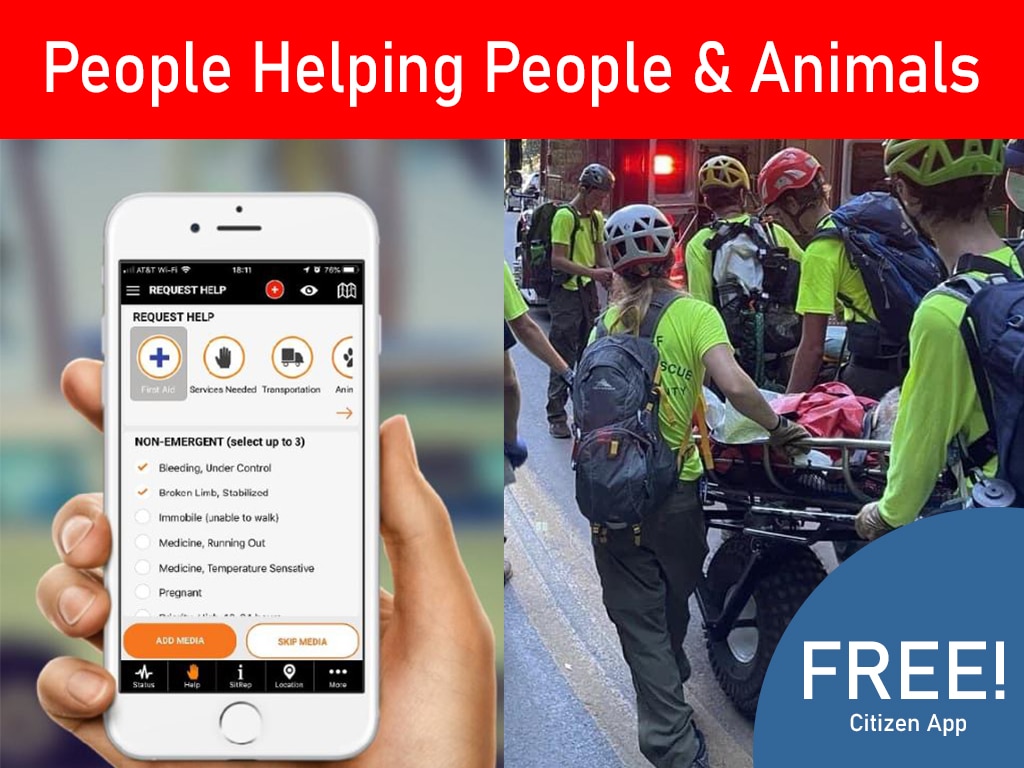
Two-way communication also helps agencies avoid operating from assumptions. A free community reporting tool, such as the PubSafe app, can give residents a direct, organized path to share hazards and assistance needs with the organizations coordinating response. For the organization, the value comes from bringing those reports into a structured system where they can be reviewed, assigned, and tracked rather than lost in informal channels.
Trust is central. Communities are more likely to follow instructions and share useful information when they understand who is receiving reports, how the information will be used, and what response they can reasonably expect. Be clear about emergency versus non-emergency reporting, expected monitoring hours, privacy practices, and the limits of available resources.
Keep Your System Ready When Nothing Is Happening
Preparedness can weaken quietly. Staff turnover, expired training, changing partner agreements, stale contact records, and unused software workflows can all create failure points long before an emergency declaration.
Set a recurring readiness cadence. Monthly reviews may focus on roster changes, open training requirements, and communication tests. Quarterly exercises can validate operational workflows and partner coordination. Seasonal planning should account for hazards relevant to the jurisdiction, whether that means hurricanes, tornadoes, wildfire, extreme heat, flooding, winter storms, or large public events.
Use after-action findings as operational work, not archival material. Assign owners, due dates, and verification steps for each improvement item. If an exercise identifies a gap in volunteer credential visibility, the corrective action should be more specific than “improve tracking.” Define the record required, the responsible role, the review frequency, and the system where it will be maintained.
Preparedness is not measured by the length of a plan. It is measured by whether the right person can act on reliable information at the moment the community needs help. Build that capability one tested workflow, one trained responder, and one trusted community connection at a time.