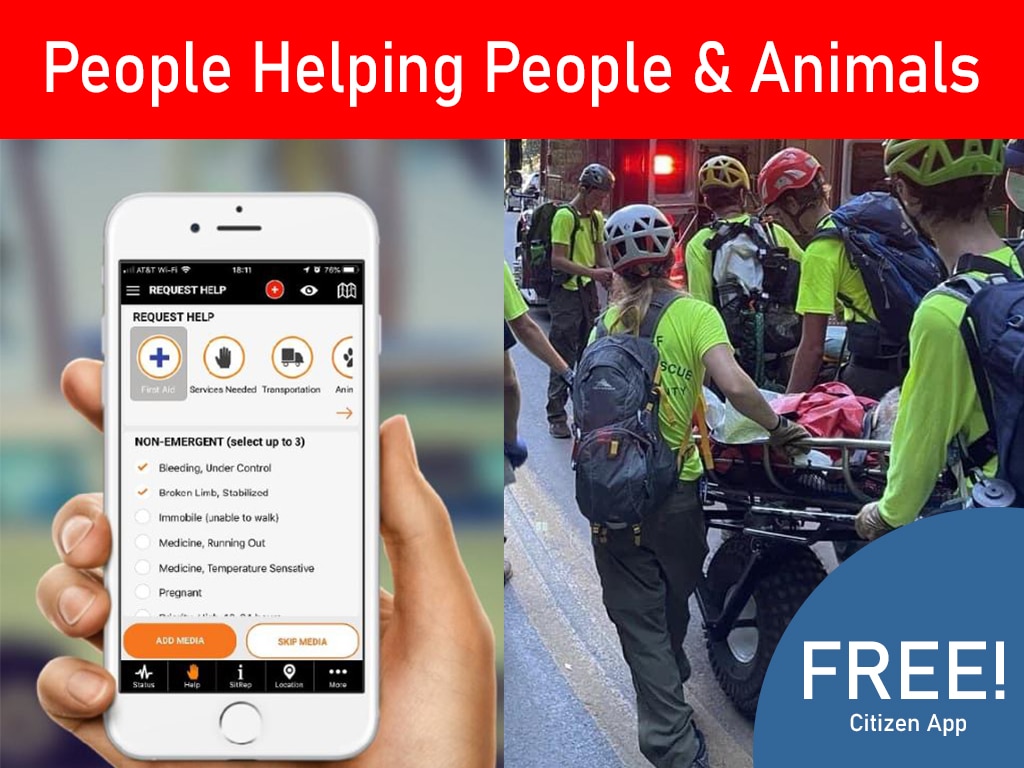
Our first ideas about emergency response often come from the movies. We see a lone hero saving the day against impossible odds. While thrilling, this Hollywood script misses the most critical part of a real-world crisis: collaboration. Real emergencies aren’t solved by one person. They are managed by a powerful community emergency response. This is a network of government agencies, non-profits, and dedicated volunteers all working together. This guide will pull back the curtain, showing you the difference between fact and fiction and how this coordinated effort is what truly saves lives.
Key Takeaways
- Effective emergency management is a cycle: True preparedness goes beyond the immediate response. It includes preparing beforehand, recovering afterward, and taking steps to reduce the impact of future events.
- Preparation starts with you, but succeeds as a community: Your personal safety begins with an emergency kit and a family plan, but true community resilience is built when neighbors and local organizations work together.
- Successful response relies on coordinated action: During a crisis, no single group acts alone. Effective response requires seamless communication between government agencies, NGOs, and volunteers, often powered by technology that gives everyone a shared view of the situation.
What Makes a Situation an Emergency?
We’ve all used the word “emergency,” but what does it really mean? It’s more than just a bad day. An emergency is a specific type of event that demands our immediate attention and action. Understanding the difference between a minor problem, a true emergency, and a full-blown crisis is the first step in knowing how to respond effectively. It helps everyone, from individuals to professional responders, prepare for the unexpected and act with purpose when it matters most. Let’s break down what separates a simple incident from a situation that requires an urgent, coordinated effort.
The Key Components of a Crisis
At its heart, an emergency is a sudden and serious event that poses an immediate risk to health, life, property, or the environment. Think of it as a situation that can’t wait. The key ingredients are its unexpected nature and the urgent need for action to prevent things from getting worse. A slow drip from a faucet isn’t an emergency, but a burst pipe flooding your home certainly is. This urgency is why having a clear plan is so important. Knowing how to quickly report an incident can be the difference between a contained situation and a catastrophe, getting help to where it’s needed without delay.
From Minor Incident to Major Crisis
Not all emergencies are created equal. The real distinction between an emergency and a larger crisis or disaster comes down to scale and resources. An emergency is typically a situation that local responders, like your town’s fire department or paramedics, can manage on their own. A crisis, on the other hand, overwhelms those local capabilities. When an event is so large or complex that it requires outside help from regional or national organizations, it has escalated beyond a local emergency. This is where a coordinated response becomes critical, bringing together different teams to manage the situation. Effective team management ensures that every resource is used efficiently when a community’s capacity is stretched thin.
What Kinds of Emergencies Should You Know?
Emergencies come in all shapes and sizes, from a personal health scare to a city-wide natural disaster. While they all share a sense of urgency and potential for harm, understanding the different types can help us prepare and respond more effectively. Thinking about emergencies in categories allows communities and organizations to create specific plans, gather the right resources, and train teams for the most likely scenarios they might face.
For example, the response to a sudden medical event is very different from the coordination required during a hurricane. One needs immediate medical attention from a small team, while the other requires large-scale evacuation, resource management, and multi-agency collaboration. A flexible platform is key to managing these varied situations, ensuring that whether you’re reporting a local hazard or managing a regional disaster, the right people get the right information. Let’s look at the main categories of emergencies you might encounter.
Handling Sudden Medical Crises
Medical emergencies are situations that pose an immediate risk to a person’s health or life, demanding quick action. According to the Mayo Clinic, these include events like heart attacks, strokes, severe injuries from an accident, or life-threatening allergic reactions. The defining feature of a medical crisis is its time-sensitivity; every second counts, and a fast response can make all the difference. This is why it’s so important to know when to call 911 and provide clear, accurate information to dispatchers. In these moments, tools that allow citizens to quickly report an incident can also help mobilize nearby community responders who may be able to provide aid before professional help arrives.
Facing Natural Disasters Head-On
Natural disasters are large-scale, catastrophic events caused by the Earth’s natural processes. The National Oceanic and Atmospheric Administration (NOAA) identifies events like hurricanes, earthquakes, floods, tornadoes, and wildfires as natural disasters. These events can devastate entire communities, causing widespread damage to property and infrastructure and posing a significant threat to life. Unlike a localized medical crisis, a natural disaster requires a coordinated response from multiple organizations, including government agencies, NGOs, and community volunteer groups. Effective team management becomes critical for deploying resources, conducting search and rescue operations, and providing aid to those affected.
Human-Caused and Technological Disasters
Not all emergencies are caused by nature. Technological and human-caused events can be just as destructive. These incidents can stem from industrial accidents like chemical spills, major power outages, transportation crashes, or even intentional acts like cyberattacks and terrorism. According to the Federal Emergency Management Agency (FEMA), these events often happen with little to no warning and require a specialized response to contain the hazard and protect the public. Clear, real-time communication is essential for managing these complex situations, as multiple public safety and emergency management agencies must work together seamlessly to mitigate the harm and restore safety to the community.
When Emergencies Hit Close to Home
Emergencies aren’t always front-page news. Many happen behind closed doors and are deeply personal. Personal and family crises can include situations like domestic violence, a sudden death in the family, or a mental health emergency. The American Psychological Association highlights that these events require immediate support and intervention to ensure the safety and well-being of the individuals involved. While they may not affect an entire community, their impact on the people experiencing them is immense. Community support networks and local NGOs play a vital role in providing a lifeline, offering resources, shelter, and counseling. These organizations are a crucial part of a community’s overall emergency response fabric.
How Hollywood Shapes Our Idea of an Emergency
What we see on screen often becomes our first introduction to emergency response. From classic TV shows to modern blockbuster movies, these stories can be powerful, but they don’t always paint the full picture of what a real crisis looks like. Understanding the difference between Hollywood drama and real-world response is a key part of being truly prepared. It helps us set realistic expectations and appreciate the complex, collaborative effort that goes into managing a crisis effectively.
The Lasting Impact of Classic Rescue Shows
If you’ve ever wondered why we have paramedics, you can thank a 1970s TV show. The series Emergency! was a game-changer for public perception of emergency medical services (EMS). The creators worked closely with real firefighters and paramedics, and the actors even went through paramedic training to make their roles authentic. This commitment to realism did more than just entertain; it educated millions of Americans about the life-saving work of first responders. The show’s popularity helped build public support for paramedic programs, leading to their expansion across the country. It showed people what a coordinated, professional response could achieve, setting a new standard in the public’s mind.
Disaster on the Big Screen Today
While “Emergency!” aimed for realism, many modern disaster movies lean into spectacle. Think of films where a single hero saves the day while cities crumble in the background. These stories are thrilling, but they often skip over the most critical part of a real disaster response: collaboration. A real crisis isn’t solved by one person; it requires a network of teams communicating and working together. From government agencies to local volunteer groups, the true power lies in coordinated action. While movies can be great for raising awareness about potential threats, they can also create a skewed perception of how help actually arrives and what it takes to manage a large-scale event.
What Hollywood Gets Wrong About Disaster Response
So, what exactly is an emergency? At its core, it’s a sudden, urgent event that requires immediate action. It doesn’t always involve massive explosions or city-wide chaos. It can be a localized flood, a multi-car pile-up, or a search for a missing person. The media often focuses on the most dramatic scenarios, which can lead to misconceptions about what to expect. For example, help might not arrive in minutes, and communication can be difficult. Understanding that real emergencies are often messy and require patience and community effort is crucial. This is where platforms that facilitate real-time incident reporting and coordination become so important, bridging the gap between the chaos and an organized response.
The Four Phases of Effective Emergency Management
When we think about emergencies, our minds often jump straight to the action: first responders on the scene, helicopters overhead, and communities pulling together. That’s the response phase, and while it’s critical, it’s only one piece of a much larger puzzle. Effective emergency management is a continuous cycle with four distinct phases: preparation, response, recovery, and mitigation. Each phase flows into the next, creating a loop of constant improvement that helps communities better handle future crises.
Understanding this cycle is key for everyone, from government agencies and NGOs to individual citizens. It helps us see that managing a disaster isn’t just about what happens during the event, but also what we do before and after. By taking a structured approach, we can build stronger, more resilient communities. This framework allows organizations to create clear plans, allocate resources effectively, and ensure that when an emergency strikes, everyone knows their role. It transforms a chaotic situation into a coordinated effort, ultimately saving lives and property.
Phase 1: How to Prepare Before a Disaster
Preparation is all about getting ready before a disaster hits. Think of it as the ongoing homework that makes the test (the emergency) manageable. According to FEMA, preparedness is a cycle of planning, organizing, training, and evaluating to ensure an effective response. For organizations, this means creating detailed emergency plans, training personnel, and stockpiling necessary supplies. It’s about asking “what if” and having a solid answer ready. This is where you build the foundation for a successful response, ensuring your teams are equipped and ready to act.
Effective preparation involves more than just writing a plan and putting it on a shelf. It requires regular drills and exercises to test your procedures and find weaknesses. It also means organizing your people into effective groups. Using a platform for team management allows you to assign roles, track certifications, and communicate with your volunteers and staff before, during, and after an event. This proactive organization ensures that when the call comes, your team can mobilize quickly and efficiently.
Phase 2: Taking Action When It Matters Most
The response phase is the one we see in the news. It’s the immediate, hands-on action taken to save lives, protect property, and meet basic human needs during and right after a disaster. This includes search and rescue operations, providing first aid, setting up temporary shelters, and distributing essentials like food and water. The main goal is to stabilize the situation and prevent further harm. Success in this phase depends heavily on the quality of your preparation.
Coordination is everything during the response phase. With multiple agencies, volunteer groups, and citizens involved, clear and instant communication is non-negotiable. This is where technology plays a vital role. Being able to report an incident in real time with geographic data allows responders to get a clear picture of the situation on the ground. It helps dispatchers direct resources where they are needed most, turning a scattered effort into a focused, effective operation that makes a real difference when every second counts.
Phase 3: Putting the Pieces Back Together
Once the immediate threat has passed, the recovery phase begins. This is the long-term process of getting a community back on its feet. Recovery isn’t just about rebuilding damaged structures; it’s about restoring the social, economic, and emotional well-being of the people affected. This can involve everything from clearing debris and repairing infrastructure to providing financial assistance and mental health support. The recovery phase can last for months or even years, depending on the scale of the disaster.
The information gathered during the response phase is invaluable for a successful recovery. Damage assessments, incident reports, and resource deployment logs all help shape the recovery strategy. For example, a public map showing the extent of damage can help planners prioritize areas for rebuilding and direct aid to the hardest-hit neighborhoods. This data-driven approach ensures that recovery efforts are efficient, equitable, and focused on helping the community heal and rebuild stronger than before.
Phase 4: Reducing the Impact of Future Events
Mitigation is the final, and arguably most important, phase. It’s all about learning from the past to reduce the impact of future disasters. This proactive phase involves taking steps to lessen the severity of hazards and our vulnerability to them. Examples include updating building codes to withstand earthquakes, creating better warning systems for tornadoes, or managing land to prevent wildfires. Mitigation is the ultimate “ounce of prevention,” aiming to break the cycle of damage and recovery.
This phase requires a community-wide effort. It involves analyzing what went right and what went wrong during the last emergency and implementing changes. For organizations, this might mean updating response plans or investing in new equipment. It’s also a great time for new groups to get involved. By completing an organization registration with a coordination platform, you become part of the community’s preparedness network, ensuring you’re ready to help when the next disaster strikes and contributing to a more resilient future.
How Can You Prepare for an Emergency?
Thinking about emergencies can feel overwhelming, but preparing for them is one of the most effective ways to protect yourself and your loved ones. Taking small, manageable steps now can make a huge difference when a crisis occurs. It’s about building confidence and resilience, not living in fear. A solid plan doesn’t have to be complicated. It just needs to cover the essentials: having supplies ready, knowing how to communicate, considering everyone’s unique needs, and understanding the specific risks in your community. Let’s walk through how to get started.
Build Your Essential Emergency Kit
An emergency kit is your go-to resource for the first 72 hours of a crisis, when professional help might not be available. Create a designated emergency supply box or bag to keep these items organized and easily accessible. You don’t need to buy everything at once; you can build your kit over time. Start with the basics: a gallon of water per person per day, non-perishable food, a first-aid kit, a flashlight with extra batteries, and a whistle to signal for help. Also include copies of important documents, cash, and any personal hygiene items. It’s a good idea to have one comprehensive kit at home and a smaller, portable version in your car.
Create Your Family Communication Plan
When an emergency strikes, you might not be with your family, and communication lines can get jammed. That’s why a plan is so important. Establish clear communication strategies to ensure that all family members know how to reach each other and where to meet. Designate an out-of-town friend or relative as a central point of contact, since long-distance calls are often easier to make during a local disaster. Also, pick two meeting spots: one right outside your home for sudden events like a fire, and another outside your neighborhood in case you can’t return. You can also use tools like the PubSafe app for reporting an incident and staying informed.
Planning for Accessibility and Special Needs
Every family is different, and your emergency plan should reflect that. Take time to think about the specific needs of everyone in your household, including seniors, children, pets, and individuals with disabilities or medical conditions. For example, people with disabilities should keep important papers and cards in an accessible place or copy them for their emergency kit. This ensures that they have what they need during an emergency. Make sure you have a surplus of essential medications, specialized medical supplies, and any necessary equipment like hearing aids or glasses. If you have pets, your kit should include their food, water, and a carrier. Planning ahead for these individual considerations is key to keeping everyone safe.
Identify the Top Risks in Your Area
Effective preparation starts with understanding what you’re preparing for. Know the possible emergencies in your area, such as natural disasters or other local hazards, to better prepare and respond effectively. If you live in a coastal region, your plan should address hurricanes, while someone in the Midwest might focus on tornadoes. Check with your local emergency management agency to learn about the most common risks in your town. This knowledge helps you tailor your emergency kit and evacuation plans. For instance, if wildfires are a threat, you’ll want to include N95 masks in your kit. Staying aware of real-time events through resources like PubSafe’s public map can also help you stay ahead of developing situations.
Who Leads the Community Emergency Response?
When a large-scale emergency strikes, no single person or group can handle it alone. A successful response relies on a network of organizations working together, from federal agencies to local volunteer groups. Each plays a distinct and vital part in the process. Understanding how these groups function and collaborate is key to seeing the bigger picture of disaster management. This coordinated effort ensures that resources are used effectively and that communities get the help they need as quickly as possible. Platforms like PubSafe are built to support this complex web of communication, helping everyone stay connected when it matters most.
The Role of Government Agencies
Most countries have a formal system for managing disasters. These frameworks, often established by law, create a clear chain of command to make sure the response is organized and efficient. At the top, you’ll find national agencies, like FEMA in the United States, which coordinate the federal response. The structure then flows down to state and local levels, where Emergency Operations Centers (EOCs) act as command posts. This top-down approach ensures that efforts are aligned and resources are distributed where they are most needed. Effective team management within this structure is critical for a swift and effective response to any crisis.
How Nonprofits and Volunteers Help
Government agencies don’t work in a vacuum. Non-governmental organizations (NGOs) and nonprofits are essential partners in any emergency response. Groups like the Red Cross, World Central Kitchen, and countless local charities provide specialized services, from setting up shelters and distributing food to offering medical aid and long-term recovery support. On an international scale, the UN’s Office for the Coordination of Humanitarian Affairs (OCHA) helps manage global relief efforts. These organizations fill critical gaps, bringing expertise and resources directly to affected communities. For these groups, simple organization registration on a shared platform can make all the difference in coordinating with other responders.
The Power of Community Emergency Response Teams (CERT)
Some of the most effective responders are the ones already on the ground: your neighbors. Community Emergency Response Teams (CERT) are trained to assist in their communities during emergencies when professional first responders are overwhelmed. They are equipped with basic skills in fire safety, search and rescue, and medical operations. CERTs also play a huge role in public education, teaching preparedness long before a disaster hits. Their local knowledge and ability to act quickly make them an invaluable asset. Efficient volunteer coordination is what allows these teams to make the biggest impact during a crisis.
From Local Concept to National Program
The idea for CERT wasn’t born in a federal boardroom; it started on the streets of Los Angeles in 1985. After experiencing devastating earthquakes and fires, the Los Angeles Fire Department realized that trained citizens were a powerful, untapped resource. They developed a program to teach everyday people basic disaster response skills. The concept was so effective that it was adopted as a national program in 1993. Today, there are over 2,700 local CERT programs across the country, with more than 600,000 people trained. This grassroots movement has grown into a cornerstone of community resilience, proving that prepared individuals can make a monumental difference.
Filling the Gap: The Critical Role of Trained Bystanders
In the immediate aftermath of a major disaster, professional responders can be overwhelmed. In fact, studies show that in 95% of emergencies, the first people to offer help are bystanders or the victims themselves. It can take 72 hours or more for official help to reach every part of a community. This is the critical gap where CERT members step in. Armed with practical skills, they can provide immediate assistance to their families and neighbors, addressing urgent needs until professional help arrives. They are the bridge between the onset of a crisis and the arrival of large-scale aid, providing essential support when it matters most.
What CERT Training Involves
Becoming a CERT volunteer is accessible to almost everyone. The core CERT Basic Training course is typically offered for free by local emergency management agencies. The curriculum is designed to empower you with practical, hands-on skills for handling situations you might face before professional help is available. Over several sessions, you’ll learn about disaster preparedness, fire safety, light search and rescue techniques, and basic medical operations. The goal isn’t to turn you into a paramedic or firefighter, but to give you the confidence and competence to make safe, effective decisions and provide immediate assistance in a crisis.
Roles and Rules for CERT Volunteers
While CERT training empowers you to act, it also comes with important guidelines. A core rule is that CERT members cannot self-deploy to a disaster site. They must be officially activated by their sponsoring organization, like a local fire department or emergency management agency. This ensures a coordinated and safe response. While any CERT graduate can use their skills as a “Good Samaritan” to help in an immediate, personal crisis, joining a local team allows for structured involvement. This is where modern tools become essential. Platforms like PubSafe help agencies manage and deploy their volunteer teams, ensuring that the right people are sent to the right places safely.
Specialized CERT Programs for Campuses, Teens, and Workplaces
The CERT model is incredibly adaptable, which is why it has expanded beyond general community programs. There are now specialized CERT programs tailored for different environments. Teen CERT, for example, trains students to be a resource in their schools during an emergency. Campus CERT programs help make college communities more prepared for disasters. There are even Workplace CERT programs that equip businesses and their employees with the skills to handle on-site emergencies. This variety shows that the principles of preparedness and community response can be applied anywhere, strengthening resilience across all parts of society.
Why a Coordinated Response Is Crucial
Effective disaster management unfolds in phases: the immediate response, short-term rehabilitation, and long-term recovery. Success in each phase depends entirely on seamless collaboration between all the players involved, including government agencies, NGOs, and community teams. When these groups work together, they can share information, avoid duplicating efforts, and ensure no critical needs are overlooked. This unified approach creates a stronger, more resilient response effort. Understanding how PubSafe works shows how technology can bridge communication gaps, allowing different organizations to operate as a single, cohesive team to protect and rebuild communities.
How Do Response Teams Work Together?
When a disaster strikes, an effective response isn’t the work of a single hero or organization. It’s a carefully orchestrated effort involving dozens of different groups. Think of it like a complex symphony where every musician has a part to play. Government agencies, non-profits, community teams, and even citizen volunteers must work together to get the right help to the right people as quickly as possible. This collaboration is the backbone of any successful emergency response.
The key is ensuring everyone has the same information and is working toward the same goals. Without clear coordination, efforts can be duplicated, resources can be wasted, and people in need can be overlooked. This process involves constant communication, strategic resource management, and the use of technology to create a clear, real-time picture of the situation on the ground. It’s about turning chaos into a structured, life-saving operation. Understanding how PubSafe works can give you a clearer picture of how these moving parts connect.
Keeping Communication Lines Open
During a crisis, clear and immediate communication is everything. To make this happen, officials often set up an Emergency Operations Center, or EOC. This acts as a physical or virtual command center where leaders from different agencies, like fire, police, public health, and NGOs, come together. Their primary job is to share updates, analyze the situation, and make coordinated decisions. Instead of working in silos, they share a common operating picture, which helps ensure that every action taken is strategic and informed. This central hub prevents conflicting orders and keeps everyone on the same page.
Getting Resources to the Right Place
Once a plan is in place, the next challenge is getting resources, like personnel, equipment, and supplies, where they are needed most. This process follows a structured approach, moving from immediate response to long-term recovery. It’s not just about sending help; it’s about sending the right kind of help. This requires careful volunteer coordination to match skills with needs and manage logistics to avoid bottlenecks. Effective resource management ensures that aid is distributed efficiently and equitably, maximizing the impact of every person and piece of equipment deployed.
The Role of Technology in Coordination
Technology has become a game-changer for emergency coordination. Digital platforms now serve as virtual EOCs, connecting everyone from citizens on the ground to decision-makers in the command center. Tools like Geographic Information Systems (GIS) and interactive maps help visualize critical data, showing where incidents are happening and where resources are located. This allows responders to see the bigger picture and make faster, smarter decisions. Platforms that use a public map give everyone involved a shared, real-time view of the event as it unfolds, creating a more unified and effective response.
Using Platforms to Connect Agencies, NGOs, and Volunteers
The real magic of modern emergency response happens when all the different players can communicate on a single, shared platform. This is where technology steps in to act as a virtual command center, bridging the gap between government agencies, non-profits, and volunteers on the ground. Instead of relying on separate communication channels, these platforms create a unified space where information flows freely. This allows for seamless team management, ensuring that a CERT volunteer reporting a blocked road has the same information as an official coordinating resources from the EOC. It breaks down silos and creates a powerful, coordinated force working from a single source of truth.
What Technology Powers Modern Emergency Response?
When a crisis hits, clear and rapid communication can make all the difference. Technology has fundamentally changed how we handle emergencies, moving us from crackling radios to interconnected digital platforms that provide a complete picture of a situation as it unfolds. These tools aren’t just about fancy gadgets; they’re about getting the right information to the right people at the right time. This allows teams to work more efficiently, deploy resources where they’re needed most, and ultimately keep communities safer.
Modern response technology connects everyone involved, from the citizen reporting an issue to the command center coordinating the effort. Platforms like PubSafe are designed to be the central hub for this activity, showing how PubSafe works to integrate data from multiple sources. By leveraging mobile apps, advanced communication networks, and intelligent alert systems, responders can gain situational awareness that was impossible just a decade ago. This means faster response times, better-informed decisions, and a more coordinated effort from every agency and volunteer on the ground.
Using Mobile Apps to Report Incidents
Your smartphone is one of the most powerful tools in an emergency. Mobile apps have made it possible for anyone to become an active participant in community safety. Instead of trying to describe a location over the phone, you can now send a report with a precise GPS pin, photos, and detailed notes directly from the scene. This firsthand information is incredibly valuable for first responders, giving them a clear view of the situation before they even arrive. It helps them understand the scale of the incident and prepare the right equipment and personnel. Platforms that allow for easy incident reporting empower citizens and streamline the flow of critical information.
How First Responders Stay Connected
In the past, it was common for police, fire, and medical services to operate on separate radio channels, making multi-agency coordination a challenge. Today, integrated communication networks are breaking down those silos. These digital systems allow different organizations to share real-time information seamlessly. A central platform can display incoming incident details, track the location of emergency vehicles, and provide responders with critical data on their mobile devices. This shared view ensures everyone is on the same page, which is essential for effective team management during a large-scale event. When every second counts, having a unified communication system prevents delays and confusion.
How Emergency Alert Systems Work
Getting timely warnings out to the public is a core part of emergency management. Emergency alert systems are designed to do just that, using various channels like text messages (WEA), radio, and television broadcasts to disseminate critical information. Modern systems are becoming increasingly sophisticated, using data to send targeted alerts to specific geographic areas. This prevents unnecessary panic and ensures that people who are directly in harm’s way get the information they need to act. Tools like a public map that display real-time incidents and safety information also serve as a passive alert system, allowing citizens to stay aware of what’s happening in their community.
Strengthening Your Community’s Emergency Response
When a crisis hits, a community’s strength is truly tested. Resilience isn’t just about bouncing back to normal; it’s about having the systems, skills, and connections in place to withstand the shock and recover effectively. A resilient community doesn’t wait for disaster to strike. Instead, it prepares proactively, recognizing that preparedness is a shared responsibility that involves everyone, from city officials to individual residents.
Building this kind of strength happens long before the emergency sirens sound. It’s rooted in clear communication, organized collaboration, and a genuine sense of looking out for one another. By focusing on a few key areas, any community can improve its ability to face challenges together. This involves creating solid plans for volunteers, making sure citizens are part of the planning process, and building strong neighborhood networks that can act as the first line of support. These efforts create a foundation that helps everyone stay safer when it matters most.
Effectively Training and Managing Volunteers
Volunteers are the heart of any effective disaster response, but their energy needs direction. Simply having a list of willing hands isn’t enough; you need a clear and organized approach to volunteer coordination. A comprehensive emergency plan should outline exactly how volunteers will be managed, trained, and deployed. This includes proactive strategies for training people before an event occurs and reactive plans for managing spontaneous volunteers who show up to help during a crisis.
Proper training is essential. It ensures that volunteers can perform their tasks safely and effectively without putting themselves or others at risk. When organizations invest in managing and training their volunteers, they build a capable and reliable force ready to assist with everything from search and rescue to distributing supplies.
Bringing Your Neighbors into the Planning Process
The best emergency plans are created with the community, not just for the community. When citizens are actively involved in the planning process, they become partners in their own safety. This starts with education and communication. Encourage residents to create personal emergency plans and sign up for local alerts to stay informed.
Beyond individual preparedness, organizations should create opportunities for public input through town halls, surveys, and community meetings. When people feel heard, they are more likely to trust and follow official guidance during a crisis. Furthermore, empowered citizens can become valuable assets, using tools like the PubSafe app to report incidents and provide real-time information from the ground, creating a more complete picture of the situation for responders.
Building a Neighborhood Preparedness Network
Formal emergency services are critical, but neighbors are often the first to help. Fostering strong community networks is one of the most powerful ways to build resilience. This can be as simple as creating a neighborhood phone tree or as organized as establishing a community emergency pantry, where neighbors pool resources like water, non-perishable food, and first-aid supplies.
Encourage people to get to know their neighbors, especially those who might need extra help, such as the elderly or families with young children. Identifying residents with useful skills, like medical training, or equipment, like a generator, can also make a huge difference. These informal networks create a safety net that activates instantly, providing immediate support while professional responders are on their way.
Related Articles
- Top Challenges In Disaster Response – Overcoming & Preparing
- Community Driven Disaster Response: Empowering Resilient Communities | PubSafe
- How Communities Can Respond To Hurricanes: A Complete Preparedness & Recovery Guide
Frequently Asked Questions
What’s the real difference between an emergency and a disaster? Think of it in terms of scale and resources. An emergency is a serious, urgent event that your local responders, like the town fire department or paramedics, can typically manage. A disaster, however, is a much larger event that overwhelms those local capabilities. When a situation requires outside help from regional or even national organizations to manage the response, it has grown from a local emergency into a full-blown disaster.
I see big disasters in movies all the time. How is a real response different? Movies often show a single hero saving the day, but a real emergency response is all about teamwork. Instead of one person making all the decisions, a real crisis is managed through the coordinated effort of many different groups. Government agencies, non-profits, and community volunteer teams all have to communicate and work together. The true power of a response isn’t in one heroic act, but in the seamless collaboration between all these different players.
The four phases of emergency management seem complicated. Do I need to know all of them? You don’t need to be an expert, but understanding the basic cycle helps you see the bigger picture. Knowing that emergency management includes preparation (before), response (during), recovery (after), and mitigation (learning for next time) shows that safety isn’t just about the event itself. It helps you appreciate why things like community planning and updating building codes are just as important as the immediate, hands-on response.
Besides making a kit, what’s one practical thing I can do to help my community prepare? Get to know your neighbors. Strong neighborhood connections are one of the most powerful tools for community resilience. Knowing who might need extra help, like an elderly person or a family with a newborn, and who has useful skills or resources, like medical training or a generator, creates an immediate support system. This network can provide critical help in the first few moments of a crisis before professional responders arrive.
How has technology actually changed how emergencies are handled? Technology has transformed emergency response by connecting everyone involved in real time. In the past, different agencies often struggled to communicate with each other. Now, digital platforms create a shared view of the situation for everyone. A citizen can report an incident with a precise location from their phone, and that information can instantly appear on a map for dispatchers, first responders, and emergency managers to see, leading to a faster and more coordinated effort.