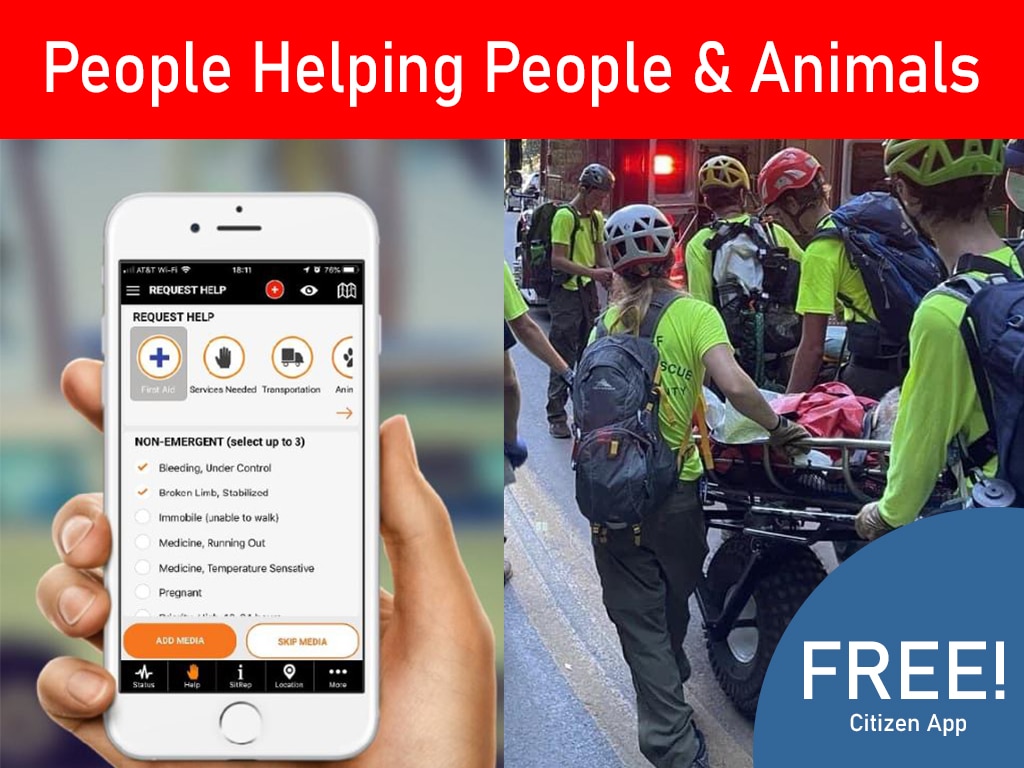
In an emergency, technology has one simple job: connection. It connects a person trapped at home to a rescue team. It connects a skilled volunteer to the family that needs them. It gives scattered teams a single, clear picture of the situation on the ground. Relying on outdated methods leaves these critical connections to chance. A strong community disaster response depends on embracing the tools that make this real-time coordination possible. This isn’t about replacing people; it’s about empowering them with the right information to act faster and smarter.
Key Takeaways
- Preparation is your most critical phase: A successful response depends on the work you do beforehand. Start by thoroughly assessing your community’s unique risks, mapping your resources, and establishing clear communication protocols.
- Collaboration is key to resilience: Your community’s strength lies in its connections. Actively build partnerships between official agencies, non-profits, and citizen volunteers to share knowledge, coordinate actions, and create a truly unified response.
- Leverage technology for real-time awareness: Modern tools are essential for a fast, effective response. Use a central platform to coordinate teams, gather incident reports directly from citizens, and manage volunteers, giving you a clear picture of the situation as it unfolds.
What Makes a Effective Disaster Response Plan?
A great disaster response plan isn’t just a document that sits on a shelf; it’s a living guide that helps your community act decisively when it matters most. For volunteer groups, the plan should also define how to maintain CERT relevance in a disaster. It’s about being prepared, not just reactive. A truly effective plan is built on a few key pillars that work together to create a resilient community. It starts with a clear-eyed look at the threats you face and where you’re most exposed. From there, it’s about getting organized with your people and supplies, setting up communication that works under pressure, and making sure no one gets left behind. Let’s walk through what each of these steps involves.
Pinpoint Risks and Map Out Vulnerabilities
First things first, you need to know what you’re up against. An effective plan starts with a thorough risk and vulnerability assessment. This isn’t about guesswork; it’s a systematic look at the specific hazards your community faces, from extreme weather to public health crises. The goal is to create a clear risk profile that ranks potential threats and identifies the people, places, and infrastructure most exposed to harm. You can develop vulnerability maps that pinpoint critical areas, helping you direct resources where they’ll have the biggest impact. This foundational step ensures your entire response strategy is built on data, not assumptions.
Keep Track of Essential Resources and Supplies
Once you know your risks, you need to know what you have to face them. This means taking a detailed inventory of your available resources, including personnel, equipment, and supplies. A great way to do this is through a “bottom-up” approach that combines official data with local knowledge. Your community members often have the best understanding of what’s needed on the ground. By conducting a disaster vulnerability assessment, you can identify gaps and prioritize needs before an emergency strikes. Platforms like PubSafe can help you with team management and tracking resources in real time, ensuring the right assets are deployed to the right place at the right time.
Build Your Communication Channels
When a crisis hits, confusion is the enemy. That’s why clear, reliable communication is non-negotiable. Your plan must outline how information will flow between response teams, government agencies, the media, and the public. This isn’t just about one-way alerts; it’s about creating an ongoing dialogue. Building trust and knowledge before a disaster happens is key. An effective risk communication strategy ensures that everyone understands the risks and knows what actions to take. This includes setting up multiple channels for disseminating information, so your messages can get through even if some systems fail.
Supporting Your Most Vulnerable Populations
A disaster doesn’t affect everyone equally. Your plan must include specific strategies for protecting at-risk populations, such as the elderly, people with disabilities, low-income families, and those with limited English proficiency. Start by identifying and mapping where these groups live within your community. Understanding the social determinants of health can provide deep insights into the unique challenges these individuals face during an emergency. This allows you to create tailored interventions, like targeted outreach, accessible transportation for evacuations, and specialized shelter support, ensuring your response is equitable and truly serves the entire community.
Move Beyond Siloed Planning Models
Having a plan is essential, but what happens when that plan is too rigid to adapt to a chaotic, fast-moving crisis? Many communities rely on traditional emergency management frameworks that are broken down into neat, separate phases. While this looks organized on paper, it doesn’t reflect the messy reality of a disaster, where different activities happen all at once. To build a truly resilient community, we need to move past these isolated approaches and embrace a more integrated and flexible mindset. This means seeing disaster management not as a linear checklist, but as a dynamic process where every part works together.
Understanding the Limits of the Four-Pillar Model
For a long time, emergency management has been guided by the “four pillars”: mitigation, preparedness, response, and recovery. The problem isn’t the pillars themselves, but that they are often treated as separate stages that happen one after another. As the experts at HazNet point out, the biggest issue is that this approach treats the pillars as separate parts when they should be deeply interconnected. In a real event, you don’t just stop preparing when you start responding. Recovery efforts can begin while the response is still underway. When these functions operate in silos, you get communication breakdowns and missed opportunities. True effectiveness comes from seeing these pillars as constantly overlapping and influencing one another.
Adopting a “Toolkit” of Emergency Management Models
So, what’s the alternative? Instead of sticking to a single, rigid model, effective emergency managers should build a “toolkit” of different approaches. No two disasters are the same, so your strategy shouldn’t be either. The goal is to choose the best model for the specific problem you’re trying to solve. This flexible mindset allows you to adapt on the fly, whether you’re dealing with a sudden flood or a long-term public health crisis. A central part of this modern toolkit is a platform that can connect all the moving parts. With PubSafe, you can break down those silos by creating a common operational picture for everyone, from public safety agencies to citizen volunteers, enabling the seamless coordination that a flexible response demands.
Where Are Your Community’s Biggest Risks?
Before you can build a solid disaster response plan, you need to know exactly what you’re up against. Identifying and assessing risks is the foundational step that informs every other decision you make, from allocating resources to setting up communication channels. It’s about looking at your community with clear eyes and asking the tough questions: What are our biggest threats? Which areas and populations are most likely to be affected? Where are we most vulnerable?
Answering these questions isn’t a one-person job. It requires a collaborative effort that brings together historical data, local knowledge, and modern technology. By systematically evaluating potential hazards and understanding your community’s unique vulnerabilities, you can move from a reactive to a proactive stance. This process helps you prioritize your efforts and build a targeted plan that protects everyone, especially those who need it most. A platform that shows how PubSafe works can help visualize these risks and coordinate the response when an incident occurs.
Run a Thorough Hazard Assessment
First things first, you need to get a complete picture of the potential dangers your community faces. A comprehensive hazard assessment involves systematically evaluating risks by looking at specific threats, your community’s exposure to them, and existing vulnerabilities. Think about the natural disasters common to your region, like floods, wildfires, or tornadoes. Then, consider man-made risks. The goal is to create a detailed profile of what could happen, what areas would be impacted, and how severe the consequences might be. This risk and vulnerability assessment provides the foundation for all your preparedness efforts, ensuring you’re planning for the most likely and most impactful scenarios.
Account for Changing Disaster Trends
The risks your community faces aren’t set in stone; they’re constantly evolving. With climate change, major disasters are becoming more frequent, and their patterns are shifting. For example, what was once a predictable hurricane season from June to November is now often longer, demanding a year-round state of readiness. This means a disaster plan from five years ago might already be dangerously out of date. Your risk assessment must be a living process, not a one-time report. It’s crucial to continuously re-evaluate threats and vulnerabilities, including the deep mental and emotional well-being of your community members. Using a dynamic tool that provides a real-time view, like the PubSafe public map, allows your team to adapt to these unpredictable conditions as they happen, rather than relying on static assumptions.
Learn from Past Events
The past offers powerful lessons for the future. By analyzing historical data from previous emergencies, you can identify patterns in how disasters affect your community. Look at which neighborhoods were hit hardest, what infrastructure failed, and which populations required the most assistance. This information is crucial for understanding your community’s specific social vulnerabilities and mitigating the impact on at-risk groups in the future. Knowing where breakdowns occurred before allows you to reinforce those weak points in your current plan. This historical context turns abstract risks into concrete, actionable insights you can use to build a more resilient community.
Get Input from Community Members
No one knows a neighborhood better than the people who live there. Involving community members in the risk identification process is essential for getting an accurate, ground-level view of vulnerabilities. Residents can point out risks that officials might overlook, like a local creek that always floods or an elderly population concentrated in one apartment building. Creating channels for citizens to report an incident or concern helps build a real-time picture of emerging threats. This collaborative approach not only leads to a more effective plan but also fosters a sense of shared ownership and responsibility, which is invaluable when a crisis hits.
Map Vulnerable Areas with GIS Technology
Geographic Information Systems (GIS) are powerful tools for turning data into a clear visual story. By using GIS for vulnerability mapping, you can create detailed maps that pinpoint the areas and populations most exposed to specific hazards. Imagine a map that layers flood zones over neighborhoods with a high percentage of senior citizens or mobile homes. This visual data helps emergency managers make smarter, faster decisions about where to stage resources, plan evacuation routes, and direct response teams. Tools like PubSafe’s Public Map bring this concept to life during an actual event, showing where help is needed in real time.
How to Lead an Effective Community Disaster Response
As a local leader, you’re in a unique position to guide your community through a crisis. But you don’t have to do it alone. The most effective response efforts are built on collaboration, clear structures, and the collective wisdom of the community itself. By focusing on building relationships and systems before an emergency, you can create a resilient network that’s ready to act when it matters most. Here are four practical ways to strengthen your community’s response capabilities.
Partner with Local Agencies and NGOs
No single group can handle a disaster alone. Your greatest strength lies in the partnerships you build with local agencies and non-governmental organizations (NGOs). These groups bring specialized skills, resources, and volunteers to the table. Start by reaching out to your local fire and police departments, public health officials, established NGOs, and local CERT teams. By collaborating, you can improve resource sharing and overall preparedness. Formalizing these relationships helps ensure everyone understands their role. A shared platform where organizations can register and coordinate their efforts in real time is a game-changer, turning separate groups into a unified force.
Engage Academic Institutions
Don’t overlook the powerhouse of resources in your own backyard: local colleges and universities. These institutions are more than just centers of learning; they are hubs of expertise, research, and community engagement. Academic institutions play an important role in building community disaster resilience by helping to reduce a disaster’s potential harm and improving public health preparedness. Reach out to departments like public health, urban planning, engineering, and social work. Their faculty can offer invaluable research and analysis for your risk assessments, while their students represent an energetic and often skilled pool of potential volunteers ready to help their community.
Recognize the Critical Role of Nurses
When a disaster strikes, nurses are often among the first to answer the call, and their role extends far beyond traditional medical care. They are front-line leaders who perform triage, provide immediate care to the injured, assist with evacuations, and manage care in emergency shelters. As the source of medical expertise on the ground, they are vital to the community response to disaster. Nurses also play a crucial part in public health by monitoring for disease outbreaks and ensuring care is delivered with cultural sensitivity. Make sure your plan actively includes local nursing associations and healthcare facilities. Integrating their expertise from the beginning ensures your response is medically sound and deeply compassionate.
Create a Clear Chain of Command
When a crisis hits, clear leadership is essential. A unified command structure prevents confusion and ensures all stakeholders are working toward the same goals. This approach brings different agencies and community groups together to make decisions collaboratively, so you don’t have conflicting orders causing chaos. Before an incident occurs, work with your partners to outline this structure. Define who is responsible for what and how information will flow between teams. Using a tool with strong team management features can help you maintain this structure, even when the situation on the ground is changing rapidly.
Train Together for Better Coordination
You can have the best plan in the world, but it won’t mean much if no one has practiced it. Joint training programs and drills are where your plans come to life. These exercises build trust and familiarity between different teams, from first responders to citizen volunteers. Start with simple tabletop exercises where you talk through a scenario, then move on to more hands-on drills. These sessions help everyone understand each other’s capabilities and communication styles. This is also a perfect opportunity to refine your strategy for volunteer coordination, ensuring everyone is prepared to respond effectively and safely.
Use Your Community’s Unique Strengths
The people who live in a community know it best. They know which streets flood first, which neighbors might need extra help, and where to find local resources that aren’t on any official map. Tapping into this local knowledge is critical for an effective response. Create simple ways for residents to share what they know, whether through community meetings or a mobile app. When citizens can easily report an incident or add information to a shared public map, they become an active part of the solution. This grassroots intelligence can make all the difference in saving lives and property.
How to Build and Train a Strong Volunteer Network
A strong community response is powered by people. When a disaster strikes, an organized and well-trained volunteer network can make all the difference, providing critical support where it’s needed most. But you can’t just wait for an emergency to happen and hope people show up. Building an effective volunteer force requires a thoughtful approach that starts long before a crisis. It’s about creating a system that attracts the right people, gives them the skills they need to be helpful, and manages their efforts efficiently when every second counts.
The foundation of a great volunteer network rests on four key pillars: recruitment, training, practice, and management. By focusing on these areas, you can transform a group of willing individuals into a coordinated team ready to act. This means actively engaging community members to get them involved, providing training that prepares them for real-world scenarios, running regular drills to keep their skills sharp, and using a solid system to direct their efforts. A platform that helps with volunteer coordination can bring all these pieces together, ensuring your team is prepared, connected, and ready to respond effectively.
Find and Inspire Your Volunteers
The first step is getting people to raise their hands. Start by clearly communicating the need and the specific roles volunteers can fill. When people understand how their contribution fits into the bigger picture, they feel a greater sense of purpose. Reach out through community centers, local events, and social media to find individuals who are passionate about helping their neighbors. Once you have their attention, keep them engaged by fostering a sense of ownership and community. Make it clear that their involvement is valued and that they are an essential part of the local disaster preparedness plan. This approach helps build a committed team that will be there when you need them most.
Understand Why Local Volunteers Are Crucial
Before you can effectively train and manage volunteers, it’s important to grasp just how vital they are. Local volunteers aren’t just extra hands; they are the heart of a resilient community. They bring a level of insight, speed, and trust that external teams simply can’t replicate. Recognizing their unique role is the first step in building a response plan that truly works for the people it’s meant to protect. When you shift your perspective to see community members as essential partners, you change the entire dynamic of disaster management for the better.
Empowering the True First Responders
In any disaster, the first people on the scene are almost always the neighbors. Long before official agencies can mobilize and arrive, it’s the local residents who are checking on the elderly, clearing debris from a shared road, or providing immediate aid. This makes them the true first responders. A community approach to disaster preparedness acknowledges this reality and empowers these individuals with the tools and structure they need to act safely and effectively. Their knowledge of the local terrain, social networks, and hidden vulnerabilities is an asset that can’t be overstated. By integrating them into your formal response, you’re not just gaining volunteers; you’re activating a network of experts with unparalleled ground-level intelligence.
Respecting Community Dignity and Voice
Effective disaster response is about more than just distributing supplies; it’s about upholding the dignity of those affected. When you actively involve community members in the planning and response process, you ensure their voices are heard and their unique struggles are understood. As one analysis of community response points out, residents can highlight risks that officials might otherwise miss, providing a more accurate picture of what’s happening. This collaborative approach builds trust and ensures that the aid provided is relevant and respectful. It transforms people from passive recipients of help into active participants in their own recovery, which is a powerful step toward rebuilding not just structures, but community spirit as well.
Equip Volunteers with Specialized Skills
Once you have your volunteers, you need to equip them with the right skills. Generic training isn’t enough; your programs should be tailored to the specific risks your community faces, whether it’s wildfires, floods, or winter storms. A community-based approach ensures that the training is relevant and practical. Cover essential skills like first aid, search and rescue basics, and how to operate communication equipment. It’s also important to train volunteers on how to work together as a team and understand the command structure. This specialized preparation ensures everyone knows their role and can perform it safely and effectively during a high-stress event.
Offer Practical Training Courses
Your training should go beyond theory and focus on real-world application. Organizations can offer training in practical skills like asset mapping to find local resources, understanding community needs, and managing response efforts. When volunteers know how to systematically identify resources or lead a small team, they become force multipliers. This kind of hands-on education doesn’t just make them more effective; it makes them safer. It gives them the confidence to act decisively and correctly under pressure, turning good intentions into life-saving actions. By investing in practical courses, you’re building a team that can think on its feet and adapt to the chaotic reality of a disaster.
Teach Community Assessment and Problem-Solving
Empower your volunteers by teaching them how to see the bigger picture. Instead of just waiting for instructions, train them in community assessment and problem-solving. When volunteers understand how to identify risks and needs on the ground, they become your eyes and ears. Involving them in the risk identification process provides an invaluable ground-level perspective that official channels might miss. This is where technology can be a huge help. Using a simple mobile app, volunteers can report observations, map needs, and share critical information in real time. This transforms them from passive helpers into active problem-solvers who contribute directly to a smarter, more coordinated response.
Practice Together with Regular Drills
Skills get rusty without practice. Regular drills and exercises are essential for keeping your volunteer network sharp and ready for action. These simulations, from tabletop discussions to full-scale field exercises, allow volunteers to apply their training in a controlled environment. Drills help identify gaps in your plan, improve team coordination, and build confidence. They also reinforce safety protocols, which is crucial for protecting your volunteers during an actual emergency. Consistent practice ensures that when a real disaster occurs, your team can respond quickly and cohesively, turning their training into effective, real-world action.
Keep Your Volunteers Organized and Engaged
During a crisis, chaos can take over quickly. A robust volunteer management system is vital for bringing order to the response. This system should handle everything from registration and communication to deployment and tracking. Think of it as your operational hub. Some communities establish a physical Volunteer Reception Center, or VRC, to organize volunteers effectively. Modern platforms like PubSafe offer powerful digital tools for team management, allowing you to see who is available, what their skills are, and where they are needed in real time. By having your organization registered and your system in place beforehand, you can manage your volunteers efficiently and maximize their impact.
Your Guide to Effective Emergency Communication
When a disaster strikes, clear and consistent communication is your most powerful tool. It’s what turns a chaotic scene into a coordinated response, ensuring everyone from first responders to community members has the information they need to act safely and effectively. Mastering emergency communication means building a system that is resilient, reliable, and reaches every single person. It’s about creating a flow of information that saves lives, directs resources where they’re needed most, and builds trust when it matters more than ever.
Use Multiple Channels to Spread the Word
Relying on a single channel for emergency alerts is a recipe for failure. Power outages can silence TVs, cell towers can go down, and internet access can become spotty. A robust communication plan uses multiple channels to spread the word. Think about combining traditional methods like sirens and radio broadcasts with modern tools like SMS alerts, social media updates, and dedicated mobile apps. The United Nations Office for Disaster Risk Reduction emphasizes that effective risk communication builds on dialogue across formal and informal channels. This approach ensures your message has the best chance of reaching people, no matter what infrastructure is available.
Direct People to Trusted Government Resources
In the middle of a crisis, rumors and bad information can spread as quickly as the disaster itself. That’s why one of your most important jobs is to consistently point people toward official sources like FEMA, your state’s emergency management agency, or the local public health department. These agencies are the central hub for verified updates, evacuation orders, and safety instructions. This practice is a cornerstone of clear, reliable communication, as it cuts through the noise and builds community trust. When people know where to find the facts, they are empowered to make safe decisions for themselves and their families, turning confusion into coordinated action.
Keep Your Information Accurate and Timely
In a crisis, rumors and misinformation can spread as fast as the disaster itself. Your role is to be the source of truth. Establish a clear process for verifying information before it’s shared. Messages should be simple, direct, and actionable. Tell people what is happening, where it is happening, and what they need to do to stay safe. As the Global Facility for Disaster Reduction and Recovery notes, “The initial, key recovery messages regarding government intentions need to be developed and disseminated quickly.” By enabling citizens to report an incident with geographic data, you can gather accurate information from the ground and share timely updates with everyone.
Reach Vulnerable and Isolated People
An emergency plan is only effective if it includes everyone. It’s crucial to consider how you’ll reach vulnerable populations, including the elderly, people with disabilities, and those who don’t speak the local language. Inclusive communication ensures that all individuals have equal access to life-saving information. This might involve partnering with community leaders to share messages door-to-door, providing updates in multiple languages, or using visual aids. A public map can help your team visualize reported incidents and needs, allowing you to direct assistance to isolated neighborhoods or individuals who may not have access to mainstream communication channels.
Foster a “Culture of Preparedness” Through Inclusive Planning
A culture of preparedness isn’t just about having a plan; it’s about creating a community-wide mindset where everyone feels responsible and empowered. This starts by making your planning process truly inclusive. The people who live in a community know it best—they know which streets flood first and which neighbors might need extra help. Your plan must include specific strategies for protecting at-risk populations, such as the elderly, people with disabilities, and those with limited English proficiency. This means making sure disaster plans respect the different cultures and languages within your community. When you give residents tools to share what they know—like the ability to report an incident or concern directly onto a shared map—you’re not just collecting data; you’re building trust and creating a more accurate, ground-level plan that reflects real-world needs.
Use Social Media and Mobile Alerts
Social media and mobile technology have changed the landscape of disaster response. Platforms like X (formerly Twitter) and Facebook are powerful tools for broadcasting real-time updates to a wide audience. Mobile apps take this a step further by creating a two-way street for communication. They allow residents to report damage, request help, and receive location-specific alerts directly on their phones. These disruptive technologies empower both response teams and citizens. You can get started by encouraging your community to install the free PubSafe app so they are connected and prepared before an emergency happens.
Supporting Long-Term Recovery and Community Well-being
The immediate response to a disaster is intense, but the work is far from over when the emergency vehicles leave. True recovery is a marathon, not a sprint. It’s the long, steady process of rebuilding not just structures, but lives and the very fabric of the community. This phase is where your community’s resilience is truly tested and strengthened. It involves addressing the invisible wounds left by trauma, helping residents get back on their feet financially and physically, and strategically planning to build back stronger than before. Supporting your community through this journey requires patience, empathy, and a focus on long-term well-being.
Address the Mental and Behavioral Health Impact
Disasters leave behind more than just physical damage; they leave deep emotional and psychological scars. The stress, loss, and disruption can take a heavy toll on residents and even the responders themselves. Addressing this mental and behavioral health impact is a critical, yet often overlooked, part of the recovery process. Creating a supportive environment where people feel safe to talk about their experiences and seek help is fundamental to healing. Prioritizing mental wellness ensures that your community can recover not just on the surface, but from the inside out, building a foundation of emotional strength for the future.
Recognize the Need for Disaster Behavioral Health Support
The mental health effects of a disaster are a recognized public health concern. Organizations like the Substance Abuse and Mental Health Services Administration (SAMHSA) provide expert guidance in what’s known as “disaster behavioral health.” This field focuses on helping people cope with the anxiety, grief, and trauma that follow a crisis. Recognizing this need is the first step. It means understanding that it’s normal for people to struggle after a traumatic event and that specialized support can make a significant difference in how your community heals over the long term. Acknowledging this reality opens the door to providing meaningful care.
Leverage Resources from SAMHSA and Other Organizations
You don’t have to build a mental health response from scratch. Federal agencies, non-profits, and local groups are prepared to help. SAMHSA, for example, offers a wealth of resources and helps coordinate efforts with state, tribal, and community partners. By connecting with these organizations, you can bring expert-led support directly to your community. This collaborative approach ensures that residents have access to counseling, support groups, and other vital services needed to process their experiences and begin healing, strengthening the entire community in the process.
Navigate Post-Disaster Challenges
Once the immediate danger has passed, residents face a new set of overwhelming challenges. They have to find stable housing, deal with insurance claims, and begin the daunting task of rebuilding their homes and lives. This period of vulnerability can also attract opportunistic scammers who prey on people in desperate situations. As a community leader, you can play a vital role by providing reliable information and guidance, helping your neighbors make sound decisions and protecting them from further harm during this difficult and confusing time. Your leadership can provide a steady hand when people feel most lost.
Help Residents Avoid Contractor Scams
After a disaster, fraudulent contractors often descend on affected areas, promising quick repairs but delivering shoddy work or disappearing with the money. You can help protect your community by warning residents about these scams. Encourage them to work only with licensed and insured contractors and to get multiple written estimates. Organizations like NeighborWorks America, which remain in communities for the long haul, are excellent resources for vetting contractors and providing trusted advice to homeowners trying to rebuild safely and securely.
Provide Guidance on Housing Recovery
Finding a safe place to live is the most urgent need for many families after a disaster. The path to housing recovery is complicated, whether you’re a renter trying to understand your rights or a homeowner facing a total rebuild. You can help by connecting residents with resources that offer clear guidance. Many community-focused organizations create guides that walk people through their options, explain how to work with FEMA and insurance companies, and provide checklists for making sound housing decisions. This support empowers residents to regain stability one step at a time and move forward with confidence.
Plan for Long-Term Rebuilding
Recovery isn’t just about returning to normal; it’s an opportunity to build back better and smarter. This requires a strategic approach to rebuilding that goes beyond simply replacing what was lost. It’s about learning from the event and making changes that will make your community stronger and more resilient for the future. By studying what worked and what didn’t, both in your own response and in the experiences of other communities, you can make informed decisions that reduce future risks and create a safer environment for everyone. This forward-thinking mindset is the key to lasting resilience.
Learn from the Recovery Stories of Other Communities
Your community isn’t the first to face a long road to recovery. There is a wealth of knowledge to be gained from the experiences of others. Academic institutions often play a key role by studying disaster events and their aftermath. Their research provides valuable insights into what it takes to build community disaster resilience. By learning from these recovery stories, you can adopt proven strategies for rebuilding infrastructure, supporting local economies, and strengthening social networks, ensuring your community emerges from the crisis more prepared than ever before.
Tech Tools for a Smarter Community Disaster Response
Technology has fundamentally changed how we handle emergencies. Gone are the days of relying solely on paper maps and radio dispatches. Today, we have a suite of digital tools that provide real-time data, streamline communication, and connect everyone from professional first responders to citizen volunteers. This shift allows for a more agile and informed response, helping leaders make critical decisions faster and allocate resources more effectively. When a disaster strikes, having a clear, live picture of the situation is everything.
Modern response platforms act as a central hub, bringing together incident reports, resource availability, and team locations into a single view. This unified approach breaks down the communication barriers that often slow down relief efforts. Instead of different organizations working in silos, they can share information and coordinate their actions seamlessly. Emerging technologies like artificial intelligence are also accelerating response times by helping analyze data and predict needs. By embracing these tools, communities can build a more resilient and collaborative response network, ensuring that help gets where it’s needed most, without delay.
Use Digital Platforms for Real-Time Coordination
In a crisis, clear and immediate communication is non-negotiable. Real-time coordination platforms are designed to connect public safety agencies, NGOs, and community response teams on one unified system. This shared space allows everyone to see the same information at the same time, from incident reports to volunteer locations. It eliminates confusion and ensures that efforts aren’t duplicated. With effective team management tools, leaders can assign tasks, track progress, and adjust plans on the fly as the situation evolves. This level of synchronization means a faster, more organized response that ultimately saves lives and reduces suffering.
Use Tools for Damage Reporting and Assessment
Getting accurate information from the ground is one of the biggest challenges during a disaster. Technology provides powerful tools for this, putting the ability to report and assess damage directly into the hands of the community. Citizens can use mobile apps for reporting an incident the moment it happens, complete with photos and precise locations. This crowdsourced data gives emergency managers immediate insight into the scope of the event. For a broader view, agencies can deploy drones and use satellite imagery to conduct rapid damage assessments without putting personnel at risk, helping to prioritize the most critical areas for response.
Engage Your Community with Mobile Apps
Mobile apps are one of the most direct and effective ways to connect with your community before, during, and after a disaster. They serve as a two-way communication channel, allowing you to push out critical alerts and safety information while also enabling residents to request assistance or volunteer their help. An app can turn every citizen with a smartphone into a potential first informer. By encouraging community members to install a free app, you empower them to be active participants in their own safety and the recovery of their neighborhood. This fosters a sense of shared responsibility and builds a stronger, more prepared community.
Use Data and Analytics for Early Warnings
The best disaster response is one that starts before the disaster even hits. Modern technology allows us to move from a reactive to a proactive approach. By integrating data analytics, we can analyze historical trends and real-time information to predict potential impacts and identify vulnerable populations. Advanced communication networks and innovations in disaster management help disseminate early warnings quickly and widely, giving people more time to prepare or evacuate. These systems use data to create smarter, more targeted alerts, ensuring the right message reaches the right people at the right time through the most effective channels.
Related Articles
- Community Driven Disaster Response: Empowering Resilient Communities | PubSafe
- Why Community Driven Disaster Response Matters | PubSafe
- Top Challenges in Disaster Response & How to Overcome Them | PubSafe
- Disaster Response Platform | Community‑Driven Emergency Coordination | PubSafe
Frequently Asked Questions
This all sounds great for a big city, but what about a small community with limited resources? That’s a completely valid concern, but an effective plan is less about a big budget and more about being organized and resourceful. Your community’s greatest assets are its people and their local knowledge. Start by building partnerships with regional organizations, faith-based groups, and neighboring towns to share resources and expertise. Empowering a well-trained volunteer network can also dramatically expand your capabilities. Modern tools are also a great equalizer; free platforms like PubSafe provide powerful coordination features that were once only available to large agencies.
How do I get my community members to actually participate and take this seriously before a disaster happens? Getting people engaged before a crisis is all about making preparedness a visible and ongoing part of community life. Instead of just holding a single town hall, involve residents directly in the planning process, like asking them to help identify local risks. People are far more likely to invest in a plan they helped create. Make training events practical and accessible, and keep people connected through a simple communication system, like a mobile app, so they feel like part of a team long before an emergency occurs.
What’s the single most important thing to focus on if we’re just starting to build our plan? If you’re starting from scratch, begin with a risk and vulnerability assessment. This is the foundational step that informs every other part of your plan. It involves taking an honest look at the specific hazards your community faces and identifying the people and infrastructure most likely to be affected. Without this clarity, you risk spending time and resources preparing for the wrong things. A solid assessment ensures your entire strategy is built on evidence, not assumptions.
How does technology like PubSafe actually help when the power is out and the internet is down? No technology is a silver bullet, which is why a strong plan always includes multiple communication methods that don’t rely on a single point of failure. While widespread outages can be a challenge, many mobile tools are designed with this in mind. For instance, you can often log information or reports offline, and they will sync automatically once a connection is restored. The platform becomes crucial for the teams and agencies operating on the edges of an affected area, allowing them to coordinate resources and direct help into the places that have gone dark.
Our response plan is already written. How often should we update it, and what should trigger a review? A disaster plan should be treated as a living document, not a file that collects dust on a shelf. It’s a good practice to review and update it at least once a year. More importantly, you should always conduct a review after specific events. These triggers include running a training drill that reveals a flaw, experiencing an actual emergency, or seeing significant changes in your community, such as new housing developments or shifts in population. The goal is to ensure your plan always reflects your community’s current reality.