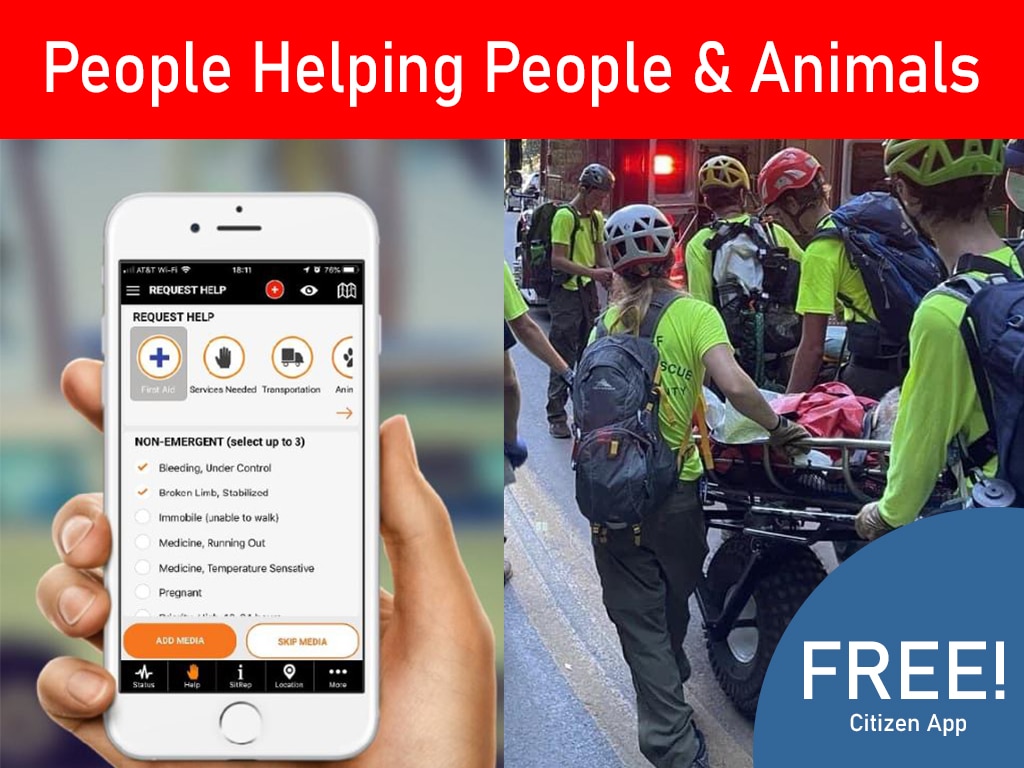
Power outages happen. They’re one of the most common disruptions we face, and what starts as an annoyance can quickly become a serious safety hazard. This is especially true for households relying on powered medical devices, refrigerated medicine, or essential heating and cooling. A strong outage response is your best defense against these risks. Thankfully, you don’t have to figure it all out alone. The Ready.gov Power Outage Hazard Information Sheet is the perfect starting point for your power outage emergency response plan, with clear guidance on everything from prep to recovery—including why you should always use flashlights, not candles.
Understanding Power Outages
When the lights go out, it’s easy to feel disconnected and a little helpless. But understanding why power outages happen is the first step toward being better prepared. The reasons can range from a squirrel on a transformer to a major storm system rolling through, and each scenario requires a slightly different approach. Knowing the potential causes, the different types of outages, and why they seem to be happening more often can help you and your community create a more effective response plan. Let’s look at what’s happening behind the scenes when you find yourself in the dark, so you can feel more in control the next time it happens.
Common Causes of Power Outages
Power can go out for many reasons, and it’s not always due to a major disaster. While severe weather is a primary culprit, other factors play a significant role. From wildlife to human accidents, the grid is vulnerable to a wide array of disruptions. When these events occur, community members can play a vital role by reporting an incident, which helps first responders and utility companies understand the scope of the problem and direct resources more efficiently. This initial information is critical for a swift and organized response, turning bystanders into active participants in the recovery effort.
Weather, Wildlife, and Human Error
According to the Division of Homeland Security and Emergency Services, the leading cause of power outages is severe weather. High winds, lightning, ice, and heavy snow can all damage power lines and equipment. It might sound surprising, but small animals, particularly squirrels, are another common cause, often chewing through wires or interfering with transformers. Human error also contributes significantly, with car accidents damaging utility poles or construction crews accidentally digging into underground cables. Less frequently, simple equipment failure on an aging grid can also lead to unexpected blackouts. You can find more details in these Power Outage Safety Tips.
Types of Outages
Not all power outages are the same. They can be broadly sorted into two categories: those that are planned by the utility company and those that are completely unexpected. Understanding the difference helps set expectations for how long the power might be out and what kind of response is needed. Planned outages are typically for maintenance and come with advance notice, giving you time to prepare. Unplanned outages, however, require immediate action and clear communication to ensure everyone in the affected area stays safe and informed, which is where community networks truly show their strength.
Planned vs. Unplanned Outages
A planned outage, sometimes called a blackout, is when a utility company intentionally shuts off power to a specific area to perform essential maintenance or upgrades on the grid. You’ll usually receive a notice days or even weeks in advance. Rolling blackouts are also a type of planned outage, implemented during periods of high demand to prevent the entire system from collapsing. Unplanned outages, on the other hand, are sudden and caused by the factors we just discussed, like storms or accidents. These are the situations where a coordinated community response becomes essential for sharing information and checking on vulnerable neighbors.
Why the U.S. Experiences Frequent Outages
If it feels like you’re losing power more often, you’re not imagining it. The United States experiences more power outages than any other developed nation, with the average American facing about six hours without electricity each year. This is largely due to our nation’s aging infrastructure, which is struggling to keep up with ever-increasing demand. As we rely more on electricity for everything from work and communication to transportation and healthcare, our grid becomes more strained and vulnerable to failure. This reality underscores the need for robust disaster response platforms that connect citizens with safety teams to manage these disruptions effectively.
What Are the Real Dangers of a Power Outage?
Many people underestimate how quickly a power outage can become dangerous. Beyond the inconvenience of darkness, outages can cause food safety failures (refrigerators keep food safe only 4 hours without power), carbon monoxide poisoning from improperly used generators or indoor combustion, hypothermia or heat illness from loss of heating/cooling, medical equipment failure for people dependent on powered devices, and water system disruption since both municipal systems and private wells require electricity.
Impact on Home Systems
When the power goes out, our homes can feel like they’ve been sent back in time. We’re so accustomed to the constant hum of electricity that we often forget how many of our home’s core systems depend on it. It’s not just about the lights or the Wi-Fi. A prolonged outage can disrupt the fundamental functions that keep your household safe and healthy. Your refrigerator and freezer will stop running, putting your food supply at risk of spoilage. Even appliances you might not think of as purely electric, like a gas furnace, often rely on an electric ignition or fan to operate, leaving you without heat when you might need it most.
Loss of Water, Heat, and Sanitation
One of the most critical impacts of a power outage is the potential loss of water. If your home uses a private well, the electric pump that draws water will stop working, immediately cutting off your access to water for drinking, cooking, and sanitation. Even some municipal water systems can be affected by widespread outages. This creates a serious challenge, as clean water is essential for hygiene and health. Without power, you may also lose your primary source of heat, which is dangerous in cold climates. If you notice a widespread water or utility failure in your neighborhood, you can report the incident to help local response teams understand the scope of the problem.
Disruption to Daily Services
A power outage’s effects ripple out from our homes into the wider community, grinding many daily services to a halt. The infrastructure that supports our modern lives is deeply intertwined with the electrical grid. When it fails, the systems we rely on for commerce, communication, and transportation can quickly break down. This can leave you feeling isolated and cut off from essential resources. Simple errands become major challenges, and navigating your community can even become hazardous. Preparing for these disruptions is just as important as preparing your home for the loss of power itself.
Access to Money, Gas, and Supplies
Without electricity, many of the conveniences we take for granted disappear. ATMs won’t dispense cash, and credit card readers at stores will be useless, making it impossible to buy supplies if you don’t have physical currency on hand. Gas stations can’t pump fuel, which can leave you stranded. To make matters worse, traveling can be risky because traffic lights will be out, leading to confusion and potential accidents at intersections. During an emergency, staying aware of local conditions is key. Using a tool like the PubSafe Public Map can help you see real-time reports from your area, so you can avoid hazards and understand which services are affected.
Risks in Cold Weather
While any extended power outage is a serious concern, one that occurs during a winter storm can quickly become a life-threatening emergency. The primary danger is the loss of heat, which exposes everyone in the household to the risk of hypothermia. This is especially dangerous for vulnerable individuals, such as young children, the elderly, and those with chronic health conditions. Cold temperatures also introduce a significant threat to your home’s plumbing. When water in your pipes freezes, it expands, which can cause pipes to burst, leading to major water damage once the power is restored and the ice thaws.
How to Prevent Frozen Pipes
You can take a few simple steps to protect your home during a winter outage. To keep food from spoiling, the Division of Homeland Security and Emergency Services suggests filling plastic containers with water and placing them in your fridge and freezer ahead of a storm; this creates cold mass that helps maintain a low temperature. To prevent frozen pipes, open the cabinet doors under your sinks to allow warmer air to circulate around the plumbing. You can also turn your faucets on to a slow drip to keep water moving. Most importantly, a winter outage is a time to lean on your community. Check on your neighbors, and if you’re part of a response group, you can use a platform that helps with volunteer coordination to organize wellness checks and distribute resources effectively.
How to Prepare Before the Power Goes Out
- Register with your utility company if you or a household member depends on electrically powered medical equipment. Many utilities maintain priority restoration lists.
- Build an emergency kit that does not depend on electricity: flashlights (with backup batteries), battery-powered or hand-crank radio, manual can opener, non-perishable food, and water.
- Invest in backup power carefully. Portable generators must be operated OUTDOORS, at least 20 feet from your home, exhaust away from windows and doors. Have CO detectors installed. Never use a generator indoors.
- Prepare your devices. Keep phone batteries charged. Consider a battery bank or solar charger. Download offline maps and emergency contacts in case internet connectivity is lost.
- Know your medical equipment needs. If you use a CPAP, ventilator, oxygen concentrator, or insulin pump, discuss extended outage plans with your healthcare provider and have a plan for relocation if needed.
- Identify nearby resources. Know the location of warming and cooling centers in your community, and which neighbors have generators or may need assistance during extended outages.
Generator Safety Best Practices
A portable generator can be a lifesaver during an outage, but it can also be extremely dangerous if you don’t follow safety rules to the letter. These machines produce powerful electricity and toxic fumes, a combination that demands respect and careful handling. Think of these rules not as suggestions, but as essential steps to protect your family and your home. Following these best practices ensures your backup power source doesn’t become a primary hazard.
Keep Your Generator Dry and Ventilated
The single most important rule of generator safety is to keep it outside. Always run your generator and store its fuel at least 20 feet away from your house, with the exhaust pointing away from any windows, doors, or vents. Generators produce carbon monoxide (CO), a deadly gas that is both odorless and colorless, making it impossible to detect without a CO alarm. Never, ever run a generator in a garage, basement, or any enclosed space, even with the doors open. If you see a neighbor running a generator unsafely, it poses a risk to them and the community. You can help by sharing this information or, if needed, reporting the hazard so local safety teams can respond.
Use Heavy-Duty Extension Cords
Never plug a generator directly into your home’s wall outlets. This practice, known as “backfeeding,” is incredibly dangerous and can electrocute utility workers or your neighbors. Instead, connect appliances directly to the generator using heavy-duty, outdoor-rated extension cords. Make sure the cords are in good condition, free of cuts or frays, and have a wire gauge that can handle the electrical load of the appliances you’re powering. Using a flimsy indoor cord can cause it to overheat, creating a serious fire risk. It’s worth investing in the right cords to ensure you can deliver power safely where you need it.
Refuel Your Generator Safely
A running generator’s engine gets extremely hot, and spilling gasoline on it can instantly start a fire. To prevent this, always turn the generator off and let it cool down completely before you attempt to refuel it. It might feel like an inconvenient delay, but it’s a critical step that prevents a dangerous flash fire. Store your fuel in an approved safety can, away from the generator and any other heat sources. Keeping your fuel supply stable and separate from your living space and the generator itself is a key part of a safe and effective backup power plan.
What to Do When the Power Goes Out
- Keep refrigerator and freezer doors closed as much as possible
- Use only flashlights for lighting — never candles (fire risk)
- Do not use gas stoves, camp stoves, or charcoal grills for heating or cooking indoors
- Check on elderly neighbors and those with medical equipment dependencies
- Conserve phone battery by reducing screen brightness and disabling unnecessary features
- Listen to a battery-powered radio for official emergency updates
Your First Steps
When the lights go out, your first few actions can set the tone for the rest of the outage. Before you assume it’s a neighborhood-wide issue, it’s worth doing a quick check to see if the problem is isolated to your home. This involves a quick, safe inspection of your immediate surroundings and your home’s electrical system. Taking a moment to assess the situation calmly can help you determine your next steps, whether that’s flipping a switch or preparing for a longer wait. It’s all about ruling out the simple fixes first before settling in.
Check Your Home’s Circuit Breakers
First, see if the outage is just in your home. Head to your circuit breaker box (usually in a garage, basement, or closet) with a flashlight. If you see a switch that is flipped to the “Off” position or is in the middle, try flipping it back to “On.” If it stays, you’ve solved the problem. If it immediately trips again, you likely have an overloaded circuit or a more serious electrical issue that needs a professional. However, if all your breakers are in the correct position, the outage is likely external. Remember, if you smell gas or see a fire at any point, leave your home immediately and call for help from a safe distance.
Assess for Immediate Dangers Like Fire or Gas Leaks
Your senses are your best first line of defense. Before you do anything else, take a moment to look and listen for signs of immediate danger. A smell of gas, smoke, or the sight of sparks or fire are all red flags that require you to evacuate immediately. Don’t waste time investigating the source. Get everyone out of the house and call 911 from a safe location. Once you are safe, you can also alert your community to the hazard by reporting the incident through an emergency coordination platform. This helps keep your neighbors and local response teams aware of the situation as it unfolds.
Critical Safety: Downed Power Lines
If you suspect the outage is caused by a storm, one of the most critical rules is to be aware of downed power lines. Never approach or touch a fallen power line or anything in contact with it, like a tree branch or a puddle. Always assume downed lines are live and extremely dangerous. Keep yourself, your family, and your pets at least 30 feet away. Report any fallen lines to your utility company right away so they can send a crew to handle it safely. You can also check a public map for community-reported hazards, which can help you stay aware of dangers in your area that you might not see from your home.
Tips for Inside Your Home
Once you’ve confirmed it’s a wider outage and there are no immediate threats, your focus can shift to managing the situation comfortably and safely inside your home. A few simple habits can make a big difference, not only for your convenience but also for protecting your appliances and letting you know the moment the situation is resolved. These small actions help you maintain a sense of control and readiness while you wait for the power to be restored by the utility crews.
Leave One Light On
It’s a simple but effective trick: leave a single light switch in the “On” position. This acts as a clear signal for when the power comes back on. Choose a light in a central area where you’re likely to notice it. This small step prevents you from having to constantly check if the power has been restored. It also serves as a good reminder to turn off and unplug other major appliances, which can help prevent damage from a potential power surge when the electricity is restored. For more tips, Ready.gov offers a comprehensive guide to handling outages.
Handling Specific Situations
A power outage can present unique challenges depending on where you are when it happens. Whether you’re at home with pets, on the road, or in a public building, knowing how to react in different scenarios is key to staying safe. The loss of electricity affects everything from traffic control to building systems, so being prepared for these specific situations can help you handle them with confidence and ensure the well-being of yourself and those around you.
Driving When Traffic Lights Are Out
If you’re on the road when the power goes out, you’ll likely encounter intersections where the traffic lights are dark. In this situation, you must treat the intersection as a four-way stop. The first vehicle to arrive has the right-of-way. If two vehicles arrive at the same time, the driver on the right goes first. Proceed with extreme caution, drive slowly, and make sure other drivers see you before you enter the intersection. If possible, it’s best to avoid driving altogether until power is restored.
What to Do if You’re in an Elevator
Getting stuck in an elevator during a power outage can be frightening, but modern elevators are designed with safety features for this exact scenario. The most important thing to do is stay calm. Use the elevator’s emergency call button or phone to alert building management or emergency services of your situation. Do not try to pry or force the doors open. Emergency brakes will hold the car in place, and a trained technician or firefighter will need to perform the rescue. Just sit tight and wait for help to arrive.
Caring for Your Pets
Don’t forget about your furry family members during an outage. Keep your pets secure and calm, as the sudden darkness and change in routine can be stressful for them. Make sure they have access to fresh, cool water, especially during warmer weather when dehydration is a risk. Keep them away from any temporary lighting sources like flashlights or lanterns where they could knock them over. Having their favorite toys or a comfortable bed nearby can also help reduce their anxiety while you all wait for the lights to come back on.
What to Do After the Power Comes Back On
- Discard any food that has been above 40°F for more than 2 hours
- Let appliances cycle on gradually to avoid overloading the restored electrical circuit
- Check carbon monoxide detectors after extended generator use
- Report remaining outages in your neighborhood to your utility company
Check Your Refrigerated Medications
Once the lights are back on, one of your first checks should be any medications that require refrigeration, like insulin. If your power was out for more than a day, you might need to discard them. According to guidance from Ready.gov, it’s best to throw away refrigerated medicine unless the label specifically says otherwise. Don’t take any chances with your health. The safest move is to contact your doctor or pharmacist right away. They can confirm if your medication is still effective and help you get a replacement if necessary. Taking this step is critical to making sure your health isn’t compromised after an outage.
Restock Your Emergency Kit
Think of the power outage as a real-world test for your emergency kit. Now is the perfect time to take inventory and get it ready for the next time. Start by replacing any food, water, or first-aid supplies you used. Did you run your flashlight for hours? Put in fresh batteries. Make sure to fully recharge your power banks and any other backup batteries so they’re at 100%. Also, take a moment to think about what you wished you had. Maybe a hand-crank radio or a deck of cards would have been helpful. Adding those items now will make you even more prepared for a future event, putting you in a better position to not only care for yourself but to assist your neighbors as well.
How PubSafe Improves Your Outage Response
Power outages disrupt the digital infrastructure that communities depend on for communication. PubSafe is designed to remain functional even when traditional infrastructure is degraded, providing neighbor welfare check coordination to quickly identify who has power and who needs help; generator sharing and resource matching connecting neighbors who have backup power with those who critically need it; official information relay distributing utility restoration timelines and emergency guidance through the community network; and medical vulnerability alerts allowing community members who depend on powered medical equipment to signal that they need priority welfare checking during extended outages.
In the aftermath of major storms that caused week-long or longer power outages, communities with strong mutual aid networks fared significantly better than isolated households. PubSafe is the tool that helps build that network. Download it now and connect your neighborhood before the next outage.
### Reporting Hazards in Real-Time When the power goes out, new dangers like downed power lines or blocked roads can appear. Reporting these issues quickly is key to keeping everyone safe. While you should always inform your utility company about outages, you can also alert your entire community in real-time. Using a tool like PubSafe lets you report an incident directly on a public map, giving neighbors and first responders immediate awareness of a hazard’s location. This helps people avoid danger and allows response teams to act faster. As you assess the situation, remember to use flashlights for light—never candles, which are a fire risk. Staying informed with a battery-powered radio is also a smart way to get official updates without draining your phone. ### Coordinating Community Support During a long outage, your greatest resource is often your neighbors. We’ve seen time and again that communities with strong mutual aid networks handle emergencies far better than isolated households. The main challenge is usually coordinating that support. This is where technology can bridge the gap, helping you organize welfare checks to see who needs help or has critical medical needs. The PubSafe platform is built for this exact scenario, simplifying volunteer coordination and resource matching, like connecting a neighbor who has a generator with someone who relies on powered medical equipment. By building these connections before an emergency, you create a resilient network ready to support each other when the lights go out.
More Resources for Power Outage Preparedness
- Ready.gov Power Outages page
- CDC Power Outage Safety: cdc.gov/disasters/poweroutage
- CPSC Generator Safety: cpsc.gov
Download the Ready.gov Power Outage Hazard Information Sheet and prepare your emergency kit today. Connect your neighbors on PubSafe — so your community stays connected even when the grid does not.
Gathering Supplies for Your Emergency Kit
The first step in preparing for an outage is building an emergency kit that works entirely without electricity. Think of this as your non-digital lifeline. Your kit should be built around essential items that provide light, information, and sustenance. Start with a good flashlight and plenty of extra batteries—or even better, a hand-crank flashlight. Add a battery-powered or hand-crank radio to stay informed with official updates when the internet and cell service are down. You’ll also need a manual can opener, along with a supply of non-perishable food and at least one gallon of water per person, per day. Store these items together in an easily accessible spot so you can grab them the moment you need them, without fumbling around in the dark.
Including Items for Comfort and Entertainment
Once you have the essentials covered, think about what will make an extended outage more bearable. Staying calm and occupied is just as important as staying fed and hydrated. Power outages can be stressful and, frankly, very boring. Adding a few items for comfort and entertainment can make a huge difference for your mental well-being. Pack a deck of cards, a few good books, or some board games to help pass the time. A fully charged portable power bank is also a great addition for keeping your personal devices running a little longer. These small comforts can help maintain a sense of normalcy and keep spirits up, turning a potentially tense situation into a manageable one.
Packing for Children and Pets
Your standard emergency kit is a great start, but it’s crucial to customize it for every member of your household, including the little ones and furry ones. If you have children, pack items specific to their needs, like diapers, formula, baby food, and familiar snacks. Don’t forget to include some special activities just for them, like coloring books, crayons, or a favorite toy to provide comfort. For your pets, ensure you have a supply of their food, extra water, and any necessary medications. The ASPCA provides a detailed checklist to help you prepare your pets for an emergency. Taking these extra steps ensures everyone in your family, no matter how small, is safe and comfortable during an outage.
Preparing for an Extended Power Outage
Short-duration power outages (minutes to hours) are a common, manageable inconvenience. Extended outages — lasting days, weeks, or even longer — are a fundamentally different category of emergency that can threaten lives and cause significant economic harm. Extended outages have multiple potential causes, including major hurricanes and ice storms that damage large portions of the transmission and distribution network, wildfires that destroy utility infrastructure, geomagnetic storms from solar activity that can damage transformers, and cyberattacks on grid management systems.
The most severe potential grid disruption scenario involves damage to high-voltage transmission equipment, particularly large power transformers (LPTs). These enormous pieces of equipment — some weighing 400 tons or more — are not manufactured in the United States, take 12–18 months to procure internationally, and cannot be easily transported when roads and bridges are damaged. A major geomagnetic storm or physical attack targeting LPTs in multiple regions could cause outages lasting months to years in affected areas. The federal government has invested in programs to develop domestic LPT manufacturing capacity and maintain transformer stockpiles to reduce this risk.
For individuals and communities, the lesson from extreme outage scenarios is the same as for shorter outages: the longer the potential outage, the more robust your preparedness needs to be. Those who have stored adequate water and food, have non-electric heating and cooking options, and are connected to a community network for mutual aid will fare far better in extended outage scenarios than isolated, unprepared households.
Create a Family Evacuation Plan
Sometimes, staying put isn’t the safest option, especially during a long-term outage in extreme weather. That’s why having a family evacuation plan is a critical piece of your preparedness strategy. Start by deciding where you’ll go—this could be a friend’s house in an unaffected area or a designated community shelter. It’s also smart to choose one out-of-state relative or friend to be the central point of contact. If your family gets separated, everyone knows to call that one person to check in. Once you have your details sorted, make a plan with your entire family and practice it so everyone knows what to do when it counts.
Keeping Food Safe in Your Freezer
When the power goes out, your first instinct might be to check the food in your fridge and freezer. Resist that urge. Your best strategy for keeping food safe is to keep the refrigerator and freezer doors closed. Every time you open the door, you let cold air escape, which speeds up the thawing process. If you can, group foods together in the freezer, as a solid block of frozen items will stay cold longer. Keep appliance thermometers in your fridge and freezer so you can check the temperature once power is restored. Following food safety guidelines is crucial; food becomes unsafe to eat if it has been above 40°F for two hours or more.
How Long Food Stays Frozen
Knowing how long your food will last can help you make smart decisions. A full, well-stocked freezer will typically hold its temperature and keep food frozen for about 48 hours (or two days) if the door remains closed. If your freezer is only half-full, that time is cut down to about 24 hours. A refrigerator, on the other hand, will only keep food safely chilled for about four hours. This is why having a supply of non-perishable food is so important for any emergency kit. Once the power is restored, you’ll need to evaluate each item and remember the golden rule: when in doubt, throw it out.
Staying Warm Without Electricity
Losing your heat source during a winter storm can become dangerous quickly. Your priority should be conserving body heat and keeping your home as warm as possible. Consolidate your family into a single, well-insulated room and close the doors to unused spaces to contain heat. You can also block drafts from windows and doors by rolling up towels and placing them along the bottom. It’s crucial to never use a gas stove, oven, or outdoor grill to heat your home. These can release deadly carbon monoxide gas, so you must understand the dangers of CO poisoning and stick to safe heating methods like layering clothing and blankets.
Using Blankets, Coats, and Hats
Dressing in layers is one of the most effective ways to stay warm. Multiple thin layers trap warm air close to your body, creating insulation that is more effective than one single thick layer. Start with a base layer that wicks moisture away, add a fleece or wool mid-layer, and top it off with a coat if needed. Don’t forget your extremities. A significant amount of body heat is lost through your head, so wearing a hat, even indoors, can make a big difference. Wool socks and gloves will also help you retain warmth and stay comfortable while you wait for the power to return.
Managing Medical Needs During a Power Outage
For Americans who depend on electrically powered medical equipment, power outages are not merely inconvenient — they can be immediately life-threatening. The population of power-dependent medical device users has grown significantly with the expansion of home health services, including people dependent on home oxygen concentrators, ventilators, electric wheelchairs, infusion pumps, implanted cardiac devices requiring phone-line charging, peritoneal dialysis machines, and insulin requiring refrigeration.
FEMA and Ready.gov recommend that power-dependent medical device users take the following steps: Register with your utility company’s life support or medical baseline programs — most utilities maintain a list of customers with critical medical power needs and use it to prioritize restoration, provide advance notification of planned outages, and connect customers with additional resources. Discuss your specific equipment’s power requirements and backup options with your healthcare provider and equipment vendor. Identify your local power company’s emergency contact and know how to reach a live person during an outage. Have a plan for where you will go and how you will get there if your home loses power for more than a few hours.
Community members can play an important role by knowing their neighbors’ medical power dependencies and proactively checking on them during outage events. PubSafe enables communities to maintain a voluntary registry of neighbors with medical power needs, so that when an outage occurs, welfare checks can be conducted systematically rather than relying on chance or memory.
Connect with Your Utility Company
One of the most critical steps you can take is to establish a clear line of communication with your power company before an outage occurs. If anyone in your household relies on electricity for medical devices, you should register with your utility’s medical baseline or life-support program. Many companies use these lists to prioritize power restoration for their most vulnerable customers and may provide advanced warnings for planned shutoffs. Even if you don’t have medical needs, it’s wise to sign up for your utility’s outage alerts, which are often sent via text or email. Knowing how to quickly report an outage and get status updates can provide peace of mind and help you make informed decisions for your family’s safety.
Prepare Your Home and Vehicle
Your home and vehicle are your primary shelters during an emergency, but they rely on systems that can fail without electricity. Taking a few minutes to prepare them can make a world of difference when the lights go out. Beyond stocking your emergency kit, think about the functional parts of your property that you might take for granted. Your car can be more than just transportation—it can be a charging station and a source of heat. Your garage, on the other hand, can become a barrier if you can’t open the door. A little bit of foresight ensures you can access these resources when you need them most, preventing a simple inconvenience from turning into a serious problem.
Keep Your Gas Tank at Least Half Full
Try to make it a regular habit to never let your car’s gas tank fall below the halfway mark. When a widespread power outage hits, gas stations can’t operate their pumps, making it impossible to refuel. A car with a sufficient amount of gas is a vital resource. It ensures you have the option to evacuate if authorities issue an order, and it can also serve as a temporary warming shelter and a place to charge your phone and other essential devices. This simple rule provides a significant buffer of safety and mobility when other options are unavailable.
Learn to Manually Open Your Garage Door
An automatic garage door is a great convenience until the power goes out, at which point it can trap your vehicle inside. Every automatic garage door opener is equipped with a manual release mechanism for exactly this situation. Look for a red cord with a handle hanging from the opener’s motor assembly. Pulling this cord disengages the motor, allowing you to lift and close the door by hand. Don’t wait for an emergency to figure this out. Practice using the manual release so you’re comfortable with the process and can get your car out quickly if you need to leave.
Build Your Power Outage Emergency Response Plan
Preparedness is not a single action — it is an ongoing practice. Every time you review your emergency plan, check your supply kit, or connect a neighbor to a preparedness resource, you are building community resilience. The cumulative effect of thousands of individuals and families taking preparedness seriously is a community that absorbs shocks, recovers faster, and takes care of its most vulnerable members during the worst days.
Bookmark the relevant Ready.gov hazard page, download the Hazard Information Sheet, and share this article with your family, coworkers, and neighbors. Join the PubSafe network to stay connected with your community before, during, and after any emergency. Check your local emergency management agency’s website for preparedness resources specific to your region. And consider volunteering with local emergency response teams — CERT (Community Emergency Response Team), volunteer fire departments, and local emergency management councils all welcome community members who want to contribute to a more resilient community.
Emergency preparedness does not require perfection. Start where you are, with what you have. Each small step builds on the last, and the journey from being unprepared to being genuinely ready is shorter than most people think. Take one step today — for yourself, for your family, and for your community.
Frequently Asked Questions
What’s the first thing I should do when the power goes out? Before you do anything else, check your home’s circuit breaker box. If a breaker has tripped, you might be able to restore power yourself. If all the breakers are fine, the problem is likely outside your home. At that point, take a moment to look and listen for immediate dangers like fire or gas leaks. If you see or smell anything unusual, evacuate immediately and call 911 from a safe distance.
My neighbor is running their generator in their garage. Is that okay? No, that is extremely dangerous. Generators produce carbon monoxide, an invisible and odorless gas that can be deadly. They must always be operated outdoors, at least 20 feet away from the house, with the exhaust pointing away from all windows, doors, and vents. If you see a neighbor using a generator unsafely, it’s a serious hazard. You can help by sharing this safety information or, if necessary, reporting the hazard so local safety teams can intervene.
How long will the food in my refrigerator and freezer stay safe? Your refrigerator will only keep food at a safe temperature for about four hours if it remains closed. A full freezer can keep food frozen for about 48 hours, while a half-full one will last about 24 hours. The most important rule is to keep the doors closed as much as possible to trap the cold air inside. Once power is restored, check the temperature and discard any perishable food that has been above 40°F for two hours or more.
I rely on powered medical equipment. What’s the most important step I can take to prepare? If you depend on medical equipment that needs electricity, your most important step is to register with your utility company’s medical baseline or life-support program before an outage happens. This puts you on a priority list for power restoration and can provide you with advance notice of planned outages. You should also have a detailed conversation with your doctor about a backup plan, including where you will go if you lose power for an extended period.
How can I help my community during a widespread power outage? The best way to help is to prepare yourself first, so you are not a drain on resources. Once you are secure, check on your neighbors, especially the elderly or those with medical needs. You can also use a community platform like PubSafe to report hazards like downed power lines, which helps keep everyone informed. Coordinating with neighbors to share resources, like a generator or a warm place to stay, builds a strong support network that makes the entire community more resilient.
Key Takeaways
- Prepare before the power goes out: Your best defense is a solid plan. Build an emergency kit with essentials like non-perishable food, water, flashlights, and a hand-crank radio. If you use a generator, learn how to operate it safely outdoors, and if you rely on powered medical devices, register with your utility company now.
- Prioritize safety when the lights are off: Once the power is out, focus on immediate safety. Never use candles for light, run generators indoors, or use gas stoves for heat. Keep your fridge and freezer closed to preserve food, and always assume downed power lines are live and extremely dangerous.
- Lean on your community for support: You don’t have to handle an outage by yourself. Check on your neighbors, especially the elderly or those with medical needs. Using a community platform like PubSafe helps coordinate welfare checks, share resources like backup power, and report hazards in real-time to keep everyone safer.
Related Articles
- How Communities Can Respond To Hurricanes: A Complete Preparedness & Recovery Guide
- Community Hurricane Preparedness & Recovery Strategies | PubSafe
- What To Do After An Earthquake: Community Response | PubSafe
- What to Do After an Earthquake: Safety & Community Guide | PubSafe
- Top Challenges In Disaster Response – Overcoming & Preparing