Choosing the right technology for your team can feel overwhelming, especially when so many tools are designed for cybersecurity, not community response. Your mission isn’t about fighting malware; it’s about managing on-the-ground events and coordinating people. You need a platform built for the physical world. A specialized CERT incident reporting and response tracking software provides the features you actually need, like volunteer dispatching, resource tracking, and a public-facing map for citizen reports. This article cuts through the noise, comparing different types of software and outlining the key questions to ask so you can find a solution that truly fits your team’s operational needs.
Key Takeaways
- Establish a single source of truth: Move beyond scattered group chats and paper forms. A dedicated platform provides a structured system for incident reporting and coordination, ensuring your entire team works from the same real-time information.
- Focus on mission-critical capabilities: The most important features provide a clear operational picture with a live map, streamline volunteer assignments with automated workflows, and enable seamless collaboration between your team and partner agencies.
- Choose a tool that fits your team: Select the right software by assessing your team’s size and technical skill, matching features to your current response maturity, and asking vendors specific questions about support, data security, and scalability.
What Is CERT Incident Reporting Software?
When a disaster strikes, coordinated action is everything. For a Community Emergency Response Team (CERT), having the right tools can be the difference between chaos and control. CERT incident reporting software is a digital platform designed specifically for these volunteer teams to manage their response efforts effectively. Think of it as a centralized command center that helps you log incidents, track resources, and communicate with your team and other agencies in real time. Instead of relying on scattered radio calls, paper forms, and messy group chats, this software provides a structured way to capture critical information from the field.
Whether you’re dealing with a flood, wildfire, or winter storm, the software allows volunteers to report what they see, from a fallen tree blocking a road to a request for medical assistance. These reports are often geotagged and appear on a live map, giving team leaders a clear operational picture of the entire area. This visibility is crucial for making smart decisions about where to deploy volunteers and what resources are needed most. A good platform helps you move beyond just reacting to events by enabling proactive volunteer coordination and seamless information sharing, ensuring everyone is on the same page when it matters most.
CERT vs. CSIRT: What’s the Difference?
You might see the acronym “CERT” used in different contexts, which can be a bit confusing. In the world of community safety and disaster relief, CERT stands for Community Emergency Response Team. These are the amazing groups of trained volunteers who step up to help their neighbors during emergencies. However, in the cybersecurity industry, CERT (or CSIRT) refers to a Computer Security Incident Response Team, which handles data breaches and cyberattacks. While both types of teams respond to incidents, their fields are completely different.
This article, and the software we discuss, is focused entirely on Community Emergency Response Teams. We’re talking about the on-the-ground heroes who perform light search and rescue, provide basic medical aid, and support professional first responders during real-world events. The tools they need are for managing physical incidents and coordinating people, not for fighting malware. So, if you’re here to help your community prepare for and respond to disasters, you’re in the right place.
How It Differs from General Communication Tools
You might wonder, “Can’t we just use a group chat or a shared spreadsheet?” While those tools are great for everyday planning, they fall short during a real emergency. CERT incident reporting software is built for the unique challenges of disaster response. Unlike a simple messaging app, it provides structured forms for reporting an incident, ensuring you collect consistent and actionable data every time. Information isn’t lost in a long thread of messages; it’s organized, mapped, and easily searchable.
Furthermore, general tools lack the specialized features needed for effective field operations. A dedicated platform like PubSafe offers a public map that visualizes all ongoing incidents, volunteer locations, and available resources. It allows for clear task assignment and status tracking, so you always know who is doing what. These systems are also designed for resilience, often with offline capabilities for when cell service is spotty. They provide a single source of truth that keeps your entire team, and even partner organizations, perfectly synchronized.
Challenges for CERTs Without the Right Software
Relying on outdated methods like spreadsheets, group texts, and paper forms can create serious roadblocks for a Community Emergency Response Team. When every second counts, these manual processes often lead to confusion and delays instead of clear, decisive action. Without a dedicated platform, your team is likely spending more time managing logistics than responding to the actual emergency. Let’s look at some of the most common hurdles CERTs face when they don’t have the right software in their toolkit.
Gaps in Communication and Coordination
During a crisis, clear communication is everything. When your team is using a jumble of personal cell phones, emails, and radio channels, critical information can easily fall through the cracks. Who is on-site? Which areas have been checked? What resources are needed most urgently? Without a single source of truth, team members operate in silos, leading to duplicated efforts and dangerous misunderstandings. This lack of a unified system also makes it incredibly difficult to coordinate with external agencies like fire departments, police, or other NGOs. Effective volunteer coordination depends on everyone having access to the same real-time information, which is nearly impossible to achieve with a patchwork of different tools.
Risks in Documentation and Compliance
After the immediate danger has passed, the work is far from over. Your team needs to produce detailed reports for after-action reviews, funding requests, and potential legal inquiries. If you’re relying on handwritten notes or scattered digital files, creating an accurate and comprehensive record is a huge challenge. Important details, like timestamps and specific actions taken, can be lost or recorded incorrectly. This not only hinders your team’s ability to learn from the event but also puts you at risk during audits. Proper software helps you report an incident with secure, time-stamped logs, ensuring every detail is captured accurately and stored in one place for easy access when you need it most.
Issues with Resource and Workflow Management
Let’s be honest: managing volunteers, equipment, and tasks by hand is chaotic. It takes a lot of time and is incredibly prone to human error. Who is available to deploy? What certifications do they have? Where is the extra medical kit? Answering these questions quickly is vital, but without a centralized system, it becomes a frantic scramble. Manually assigning tasks and tracking their completion across a team is inefficient and can lead to critical steps being missed. A dedicated platform streamlines these processes, giving you a clear view of your assets and personnel. Effective team management software automates workflows, so you can deploy the right people and resources to the right places without delay.
Key Features to Look for in CERT Software
When you start comparing CERT software, you’ll find a wide range of features and functionalities. The right platform isn’t just a digital logbook; it’s the command center for your entire operation. It should bring clarity to chaos, connect your team, and help you make smarter, faster decisions when every second counts. To find a solution that truly supports your team, you need to look past the flashy sales pitches and focus on the core capabilities that drive effective incident response. These are the non-negotiable features that separate a basic tool from a mission-critical platform.
Think of it as building a toolkit. You need more than just a hammer. You need tools for assessment, communication, execution, and review. The best CERT software provides all of these in one integrated package. It empowers your team with real-time information, streamlines complex workflows, and ensures that every action is documented. From the initial incident report to the final after-action review, each feature should work together to strengthen your team’s preparedness and response efforts. Let’s walk through the essential features you should be looking for.
Centralized Dashboard for Real-Time Monitoring
Your team can’t respond to what it can’t see. A centralized dashboard is the single most important feature for situational awareness. It gives managers and responders a live, consolidated view of all reported incidents on a map or list. Instead of juggling information from phone calls, emails, and radio chatter, everything is in one place. This allows you to instantly grasp the scope of an event, identify hotspots, and track assets in the field. With a clear operational picture, you can make informed decisions quickly and deploy resources where they are needed most. A great example is a public map that visualizes incoming reports for everyone to see, ensuring all stakeholders are on the same page.
Smart Incident Categorization and Prioritization
Not all incidents are created equal. A fallen tree requires a different response than a multi-structure fire. Software with smart categorization helps you sort incoming reports by type, severity, and urgency, so you can address the most critical issues first. This feature prevents high-priority incidents from getting lost in the noise and ensures your team’s efforts are focused on what matters most. By automatically flagging and prioritizing events based on predefined rules, you can optimize resource allocation and streamline your response workflow. This is especially crucial when you’re managing a large-scale event with limited personnel and resources, as it helps you direct your team with precision.
Automated Response Workflows
Repetitive administrative tasks can bog down your team during an emergency. Look for software that automates key parts of your response workflow. This can include automatically notifying the right team members when a new incident is assigned, sending status updates to stakeholders, or escalating an issue if it isn’t addressed within a certain timeframe. Automation frees your team from manual coordination, allowing them to focus on the hands-on work of resolving the incident. It also reduces the chance of human error, ensuring that critical steps aren’t missed. Effective volunteer coordination becomes much simpler when notifications and assignments are handled automatically.
Tools for Multi-Stakeholder Collaboration
Disaster response is a team sport, often involving multiple agencies, NGOs, and volunteer groups. Your software should act as a common ground where everyone can communicate and coordinate seamlessly. Features like in-app messaging, shared incident logs, and role-based permissions allow different teams to work together without getting in each other’s way. This breaks down communication silos and creates a unified command structure. When a fire department, a CERT team, and a local non-profit can all view and update the same incident file, the response becomes more efficient and effective. Platforms that support easy organization registration make it simple to bring all your partners into one system.
In-Depth Reporting and Post-Incident Analysis
The work isn’t over when the incident is closed. Comprehensive reporting is essential for learning and improving. Your software should automatically generate detailed logs for every incident, complete with timestamps, actions taken, and communications exchanged. These reports are invaluable for conducting after-action reviews to identify what went well and what could be done better next time. They also provide the documentation needed for compliance, funding requests, and official records. By analyzing incident data over time, you can spot trends and anticipate future needs. The quality of your analysis depends on the quality of your initial data, which is why a simple process to report an incident is so important.
Seamless Integration with Existing Tools
New software should simplify your workflow, not complicate it. The best CERT platforms are designed to integrate with the tools you already use. Whether it’s connecting to your existing GIS mapping systems, communication platforms, or credentialing databases, seamless integration is key. This prevents you from having to duplicate data entry and allows information to flow freely between systems. A well-integrated solution creates a more powerful and unified ecosystem for managing your operations. Before committing to a platform, make sure it can connect to your critical systems to create a truly cohesive environment. Understanding how PubSafe works with other systems can give you an idea of what to look for.
A Look at Top CERT Incident Reporting Software
Choosing the right software can feel overwhelming, especially since the term “incident response” covers everything from a data breach to a natural disaster. Many powerful tools on the market are designed specifically for cybersecurity incident response teams (CSIRTs), focusing on digital threats. While these platforms are robust, their features don’t always translate to the on-the-ground needs of a Community Emergency Response Team (CERT). Your team’s mission is to manage physical events, coordinate volunteers, and communicate with the public, which requires a different set of tools.
To help you understand the landscape, we’ll look at a few different types of incident reporting software. Some are built for cybersecurity, while others are designed for the community-focused work that CERTs do. Seeing the differences will make it easier to identify what your team truly needs to operate effectively during an emergency. The goal is to find a platform that supports your specific workflows, from initial incident reports to final damage assessments, all while keeping every stakeholder connected.
PubSafe
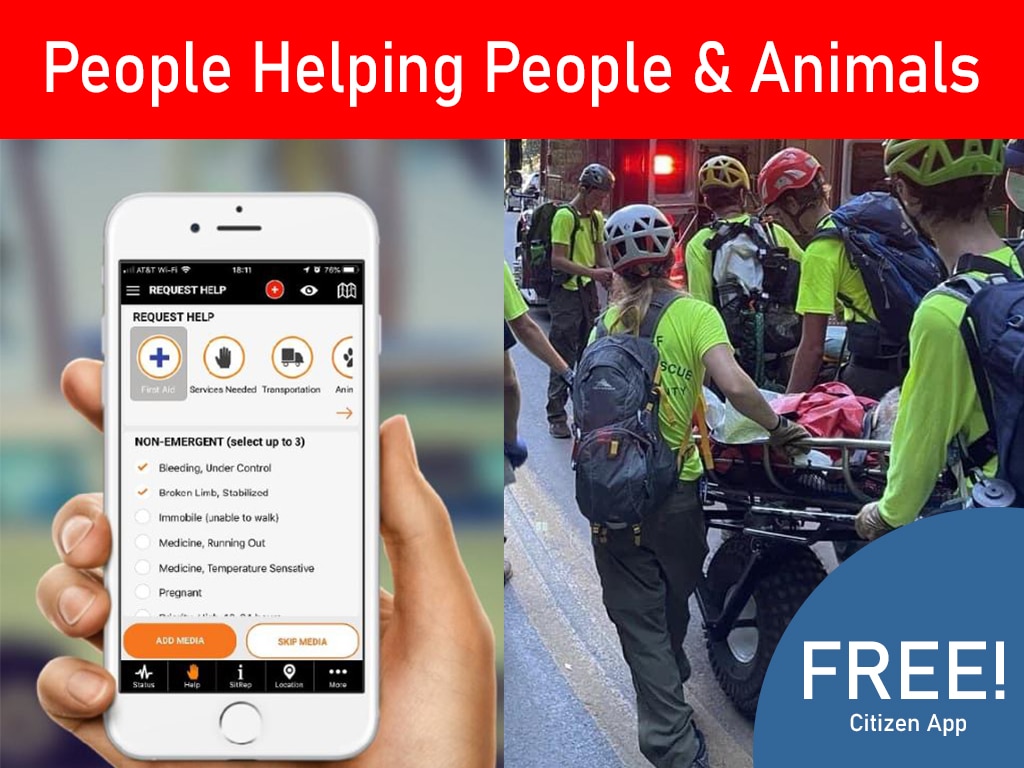
PubSafe is designed specifically for the kind of work CERTs do every day. It’s a collaborative platform that connects citizens, NGOs, public safety agencies, and volunteer teams in real time. Instead of focusing on digital threats, its goal is to manage on-the-ground physical incidents. Your team can use it for everything from volunteer coordination to damage assessments after a flood or tornado.
One of its standout features is the ability for anyone to report an incident through the free app, which then appears on a shared public map. This gives your team immediate situational awareness. As an organization, you get advanced tools for team management, allowing you to dispatch volunteers, track progress, and communicate securely with all stakeholders in one place. It’s a comprehensive system for community-wide disaster response.
Splunk Enterprise Security
Splunk Enterprise Security is a heavyweight in the cybersecurity world. Think of it as a security information hub that helps teams find and respond to advanced digital threats. It’s primarily built for managed security service providers who need to monitor networks in real time. Key features include using machine learning to spot unusual activity and creating detailed custom reports for analysis. While its focus is on cyber threats, the principles of real-time monitoring and structured investigation are valuable for any incident response team to understand, even if the tool itself isn’t a fit for physical events.
ASGARD Management Center
ASGARD Management Center is a more streamlined tool designed to find and handle threats on computers and other endpoint devices. It’s a great fit for small to medium-sized businesses or security providers who need a lightweight solution for endpoint security. Its main jobs are detecting malware, identifying signs of a digital attack, and allowing for remote investigation of a compromised machine. For CERTs, this type of software is highly specialized for cyber incidents and isn’t designed for managing physical events or coordinating community volunteers in the field.
ManageEngine EventLog Analyzer
ManageEngine EventLog Analyzer works by collecting and analyzing log data from all sorts of digital sources to pinpoint security incidents. It’s a solid choice for security providers who need a single tool for both security information and log management. The platform offers real-time monitoring, the ability to set up automated responses to certain triggers, and features that help with compliance reporting. While its automation and reporting capabilities are impressive, its core function is rooted in analyzing machine-generated data, not coordinating human responses during a community crisis.
BlackPoint Cyber SNAP-Defense
BlackPoint Cyber SNAP-Defense is a managed service that actively protects against cyber threats by detecting and responding to them as they happen. It’s a good option for teams that want automated threat detection backed by expert human assistance. The service uses real-time security monitoring and behavior analysis to identify anything out of the ordinary on a network and then responds quickly. This model of combining technology with expert oversight is effective, but it’s tailored for protecting digital assets rather than managing a physical disaster scene.
Cisco SecureX
Cisco SecureX is an all-in-one security platform that gives teams a single, unified view of security across their networks, devices, and cloud services. It’s best for security providers who want a centralized solution to manage all their different security tools and tasks. The platform pulls everything into one dashboard, automates responses using threat intelligence, and helps speed up investigations. Its strength lies in integrating a complex digital security infrastructure, which is a different challenge than coordinating multi-agency field operations during an emergency.
Open-Source vs. Commercial: Which Is Right for You?
Deciding between open-source and commercial software can feel like a major crossroads for any CERT team. The truth is, there’s no single “best” answer. The right choice depends entirely on your team’s specific situation: your budget, your technical skills, the scale of your operations, and your compliance needs. An open-source tool might be perfect for a tech-savvy team that needs deep customization, while a commercial platform could be the ideal solution for an organization that needs to get up and running quickly with guaranteed support and streamlined workflows.
Before you commit to a path, it’s helpful to take a clear-eyed look at your resources and long-term goals. Think about who will be using the software daily. Are they volunteers with varying technical abilities or trained IT staff? Do you handle sensitive data that requires strict compliance and reporting? Answering these questions will help you determine which type of solution will truly support your mission instead of creating more work. Let’s look at the scenarios where each option shines, so you can make an informed decision that aligns with your team’s operational reality and helps you achieve better disaster response outcomes.
When to Choose an Open-Source Solution
An open-source solution is a great fit if your team has a tight budget and strong technical expertise. These tools are often free from licensing fees and offer incredible flexibility. You can modify the source code to build a system that perfectly matches your unique workflows. Resources like the Awesome Incident Response repository on GitHub provide a curated list of tools for everything from data analysis to evidence collection. This path is ideal for organizations that want total control over their software and have the in-house talent to manage setup, customization, and ongoing maintenance. The trade-off is that support comes from community forums, which may not be available 24/7 during a critical event.
When to Invest in a Commercial Solution
Investing in a commercial solution makes sense when you need a reliable, ready-to-go platform with dedicated support. These tools are built to get you operational fast, with intuitive interfaces that are easy for everyone, including non-technical volunteers, to use. Commercial software often includes automated tracking, structured reporting, and built-in compliance features to help you meet regulatory requirements with less effort. This ensures all actions are documented, which is crucial for post-incident reviews and funding applications. A platform like PubSafe provides a comprehensive system for team management and multi-stakeholder coordination, reducing the administrative burden so you can focus on the response itself. This is the best route for teams that prioritize ease of use, scalability, and guaranteed support.
How Do CERT Software Costs Compare?
When you start looking at CERT software, you’ll find that the costs can vary quite a bit. There isn’t a single price tag, because the right solution depends entirely on your team’s size, needs, and budget. Some platforms are completely free, while others come with a significant monthly or annual subscription fee. Understanding the different pricing structures is the first step to finding a tool that gives you the features you need without breaking the bank. It’s easy to get overwhelmed by the options, but it really comes down to matching your operational requirements with your financial reality. Let’s walk through the most common models you’ll encounter. We’ll explore tiered subscriptions, free and open-source options, and the factors that can make prices go up, so you can make an informed choice for your team.
Understanding Tiered Pricing Models
Many commercial CERT software providers use a tiered pricing model. Think of it like a ‘good, better, best’ menu where you pick the plan that fits your team. Typically, you’ll see basic, professional, and enterprise levels. A basic plan might be perfect for a small team just getting started, offering core features for a lower price. As your needs grow, you can move to a higher tier to get more advanced tools, like detailed analytics, more user seats, or priority support. This structure allows you to manage costs effectively while ensuring the software can scale with your organization. Before committing, look closely at what each tier includes to make sure you’re only paying for what you’ll actually use.
Exploring Free and Open-Source Alternatives
If your budget is tight, free and open-source software can seem like an attractive option. These tools can provide powerful features without a subscription fee, but it’s important to remember that “free” doesn’t mean zero cost. Open-source platforms often require significant technical expertise to set up, customize, and maintain. For teams with limited budgets, free and open-source alternatives can be a great starting point if you have the IT resources to manage them. Alternatively, some platforms like PubSafe offer a free app for citizens and teams, giving you a ready-to-use solution without the technical overhead of open-source software. This approach provides core functionality right out of the box, which is ideal for many organizations.
What Factors Drive Up the Price?
When you see a high price tag on a commercial CERT tool, several factors are usually at play. The most advanced platforms often include sophisticated features like AI-driven analytics, automated workflows, and specialized compliance tracking, which add to the cost. The price also reflects the level of customer support you receive, from basic email help to a dedicated 24/7 support team. Don’t forget to account for other potential expenses that contribute to the total cost of ownership. These can include one-time setup fees, charges for integrating the software with your existing systems, and costs for training your team. Asking about these details upfront will help you avoid surprises later.
Best Practices for Effective Incident Management
Having the right software is a game-changer, but the technology itself is only part of the equation. Truly effective incident management hinges on the people and processes you have in place. Think of your software as the vehicle, but your team and your strategy are the drivers who know where to go and how to get there safely. By building a strong foundation of clear policies, consistent training, and a commitment to learning, your team can respond to any event with confidence and efficiency. These practices ensure that when an incident occurs, everyone can act decisively, communicate clearly, and work together toward a swift resolution.
Establish Clear Response Policies
Before an incident ever occurs, your team needs a playbook. Establishing clear response policies provides a structured, reliable framework that eliminates guesswork during a crisis. Your policies should outline everything from initial incident reporting to final resolution, defining specific roles and responsibilities for every team member. This ensures everyone knows exactly what they need to do and who they need to communicate with. A great policy document is a living resource, not a file that collects dust. As your team grows and your needs change, you can refine your team management structure and update your policies to match, keeping your response strategy sharp and relevant.
Run Regular Training and Simulation Drills
A plan is only as good as your team’s ability to execute it. Regular training and simulation drills are where your policies come to life, transforming abstract plans into practical skills. These exercises build muscle memory, allowing your team to act instinctively and effectively under pressure. Drills are also the perfect opportunity to test your workflows and identify potential gaps in a low-stakes environment. You can practice everything from initial alerting to on-the-ground volunteer coordination. By running simulations for various scenarios, whether it’s a natural disaster or a community emergency, you prepare your team to handle the real thing with composure and competence.
Conduct Post-Incident Reviews
The learning doesn’t stop once an incident is resolved. Conducting a thorough post-incident review is one of the most valuable things you can do to strengthen your response capabilities. The goal here isn’t to assign blame but to foster a culture of continuous improvement. Gather your team to discuss what went well, what challenges you faced, and what you would do differently next time. Use the data from your initial incident reporting to guide the conversation. These insights are invaluable for refining your policies, adjusting your training, and making your team more resilient for future events.
Use Continuous Monitoring to Stay Prepared
The best incident response is proactive, not just reactive. Continuous monitoring gives your team the situational awareness needed to anticipate events before they escalate. This means keeping an eye on all relevant data streams, from weather alerts and infrastructure sensors to reports coming in from citizens on the ground. Having a real-time, consolidated view of your operational area allows you to spot developing trends and deploy resources strategically. Tools like a public map that visualizes incoming information can be incredibly powerful, helping your team stay ahead of the curve and manage situations before they become full-blown crises.
What to Plan for During Implementation
Choosing your CERT software is a huge step, but the work doesn’t stop there. A thoughtful implementation plan is what turns a great tool into a game-changing asset for your team. To make sure your rollout is a success, you need to think through how the software will fit into your current operations, how your team will learn to use it, and how it will support your long-term goals. Let’s walk through the key areas to focus on.
Integrating with Your Existing Systems
Your new incident reporting software shouldn’t live on an island. For it to be truly effective, it needs to connect with the other tools your team relies on every day. Think about your communication apps, mapping software, and volunteer databases. The goal is to create a single source of truth where information flows freely. This ensures everyone, from field volunteers to command center staff, has a clear and consistent picture of the situation. A well-integrated system breaks down communication silos and helps you coordinate a more unified and effective response. The right platform will work with your existing structure to connect all the moving parts of your operation.
Ensuring User Adoption and Training
A powerful tool is only powerful if your team knows how to use it. Moving from manual, paper-based methods to a digital platform is a big shift. To get everyone on board, you need a solid training plan. This goes beyond a single demo. Consider creating easy-to-follow guides, running regular drills, and appointing champions within your team who can help their peers. The aim is to make the new process second nature, reducing errors and saving critical time during an emergency. Proper training ensures your team can confidently manage volunteer coordination and other complex tasks when it matters most, standardizing your response and keeping clear records.
Meeting Data Privacy and Compliance Needs
Incident reports are filled with sensitive information, from personal details of affected individuals to strategic response plans. Protecting this data isn’t just a best practice; it’s a legal and ethical requirement. Your chosen software must have strong security features to prevent unauthorized access and ensure you stay compliant with privacy laws. This is fundamental to building and maintaining trust with the community you serve and the agencies you partner with. When an organization registers to use a platform, they are also entrusting it with their data. Make sure your implementation plan includes a thorough review of all data handling and privacy protocols to mitigate risk.
Planning for Scalability and Customization
The incident you’re responding to today might be small, but what about tomorrow? Your software needs to be able to scale, handling everything from a localized water main break to a region-wide hurricane response without skipping a beat. Look for a platform that can grow with your team and adapt to different scenarios. Customization is just as important. You should be able to tailor workflows, forms, and dashboards to fit your specific operational needs. A flexible system allows you to manage your response teams effectively, whether you’re deploying a small crew or coordinating a multi-agency effort, ensuring you’re always prepared for what’s next.
How to Choose the Right CERT Software for Your Team
Finding the right software for your CERT isn’t about picking the one with the most features. It’s about finding the tool that fits your team’s unique workflow, size, and goals like a glove. The perfect platform for a small community team will look very different from what a large, multi-agency organization needs. Making the right choice means you’ll spend less time fighting with your software and more time responding to what matters. When your team is in the middle of a critical incident, the last thing you need is a clunky, confusing platform slowing you down. The right software should feel like a natural extension of your team, facilitating clear communication and efficient coordination when every second counts.
To get started, you need to look inward at your own operations. Think about how your team is structured, where you are in your incident response journey, and what you truly need from a software partner. By focusing on these key areas, you can cut through the marketing noise and select a platform that genuinely supports your mission. Let’s walk through how to assess your needs and what to ask vendors before you make a commitment.
Assess Your Team’s Size and Structure
First, consider who is on your team and how they work together. A small, localized CERT might only need a straightforward way to communicate and track volunteer tasks. But if your team is larger or works across different jurisdictions, your needs become more complex. You’ll require a platform that can seamlessly connect your core team with other departments, like IT and legal, as well as external public safety agencies.
Think about your command structure. Does your software need to support a clear hierarchy with different permission levels for various roles? Look for tools that offer flexible team management capabilities. The right software should not only fit your current structure but also be able to scale with you as your team grows and your responsibilities expand.
Match Features to Your Incident Response Maturity
Next, be honest about your team’s experience level. Are you a new CERT just establishing your response protocols, or are you a seasoned group with years of experience? Your incident response maturity will dictate which features are most important. Newer teams often benefit from user-friendly interfaces, pre-built templates, and guided workflows that make reporting and coordination simple from day one.
More advanced teams should look for software that supports sophisticated operations. These features might include the ability to integrate real-time data to make smarter, faster decisions or tools that help you perform root cause analysis. The goal is to find a platform that not only fixes the immediate problem but also helps you improve your response strategies over time to prevent future incidents. A good tool will meet you where you are and help you grow.
Questions to Ask Vendors Before You Commit
Once you have a shortlist of potential software, it’s time to ask some tough questions. Don’t just rely on the product descriptions on their website; dig deeper to understand what you’re really signing up for. Many vendors promise 24/7 support, but you need to know what that actually means. Ask if they have skilled people ready to act immediately, not just a call center that creates a ticket.
You should also inquire about how the software handles documentation. Can it properly collect digital evidence and generate reports that meet legal or regulatory standards? Find out how the platform works from start to finish, including its integration capabilities with your existing systems and what the training process looks like. Finally, get a clear picture of the pricing structure to ensure there are no surprises down the road.
Incident reporting should connect with the systems that track people in the field: CERT deployment tracking, and CERT member accountability system.
Related Articles
Frequently Asked Questions
We’re a small CERT team with a limited budget. Is this kind of software really necessary for us? Absolutely. This software isn’t just for large, city-wide organizations. In fact, a dedicated platform can be even more impactful for a small team because it helps you maximize your limited resources. Instead of one person spending hours managing logistics, the software automates coordination so everyone can focus on the response. Many platforms, including PubSafe, offer free versions or apps that provide core features like incident reporting and mapping. This gives you a professional system to build on without needing a big budget upfront.
My team is used to using group chats and spreadsheets. Why should we switch? While group chats and spreadsheets feel familiar, they often create confusion during a real emergency. Critical information gets buried in long message threads, there’s no live map to see where incidents are happening, and creating an accurate report afterward is a nightmare. CERT software provides a structured system where every report is organized, geotagged, and easy to track. It gives you a single source of truth, so you can see exactly who is doing what and where help is needed most, which is something a simple chat app just can’t do.
What’s the real difference between software for community response (CERT) and software for cybersecurity (CSIRT)? It’s a great question because the acronyms are so similar. The simplest way to think about it is that they operate in two different worlds. Community Emergency Response Team (CERT) software is for managing physical, on-the-ground events like floods, missing person searches, or storm damage. Cybersecurity Incident Response Team (CSIRT) software is for handling digital threats like data breaches and malware. While both manage “incidents,” the tools are completely different because the problems they solve are fundamentally different.
How do we ensure our volunteers will actually adopt and use a new digital tool? This is a common concern, and the key is to make the transition as smooth as possible. Start by choosing a platform with an intuitive, user-friendly interface that doesn’t require a lot of technical skill. Then, focus on training. Run regular drills using the software so it becomes second nature before a real emergency strikes. It also helps to appoint a few tech-savvy “champions” on your team who can offer support to others. When volunteers see how much easier the tool makes their work, adoption happens naturally.
Can this software be used for smaller, day-to-day incidents, or is it only for major disasters? This software is incredibly versatile and is just as useful for small-scale events as it is for major disasters. You can use it to manage anything from a localized water main break or a fallen tree blocking a road to coordinating efforts at a community festival. Using the platform for minor events is actually great practice. It keeps your team familiar with the system and ensures your response skills stay sharp, so when a large-scale incident does happen, everyone is ready to act without hesitation.