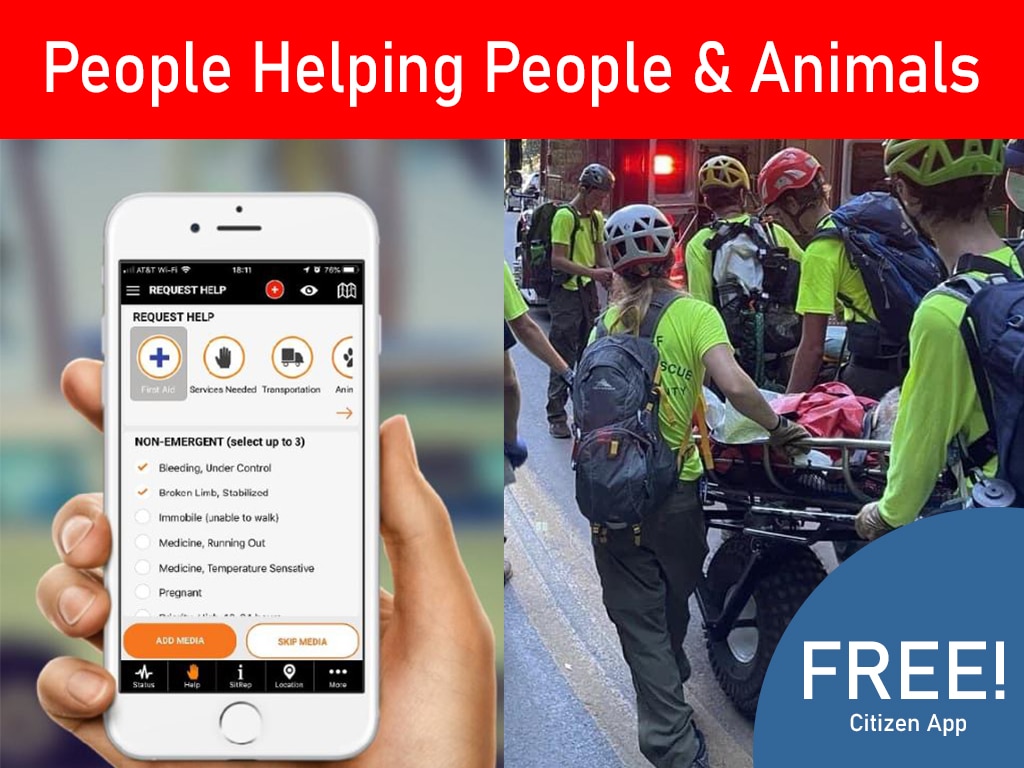
Volunteers are the lifeblood of community resilience, but coordinating their efforts during a crisis can be a monumental task. They need clear direction, real-time information, and the confidence that their skills are being put to the best use safely. This is the core purpose of modern software for managing civilian disaster response organizations. It’s not just about top-down command; it’s about empowering every person on your team, from professional first responders to spontaneous volunteers. This article will show you how the right digital tools can connect your entire network, streamline complex tasks like volunteer assignments, and ultimately help your team make a bigger impact when it matters most.
Key Takeaways
- Centralize your response efforts: A unified platform gives everyone, from command staff to field volunteers, the same real-time information. This shared view eliminates confusion and helps your team make faster, more coordinated decisions.
- Focus on field-ready features: Your teams operate on the ground, not behind a desk, so prioritize software with excellent mobile access, live mapping, and direct reporting to keep personnel connected and effective.
- Plan for people, not just software: Successful adoption happens when you involve your team from the start. Include them in the selection process, test the software with realistic drills, and plan for inter-agency coordination to ensure a smooth rollout.
What Is Disaster Response Software?
At its core, disaster response software is a digital toolkit that helps you coordinate, communicate, and keep track of everything during an emergency. Think of it as a central hub for managing the entire lifecycle of an incident, from initial preparation and real-time response to long-term recovery and future risk reduction. Instead of juggling paper maps, chaotic group texts, and endless radio chatter, these platforms bring all your critical operations into one organized space.
This kind of software isn’t just for large government agencies. It’s designed for the full spectrum of responders, including non-profits, Community Emergency Response Teams (CERT), and even citizen volunteers. The goal is to create a common operational picture where everyone, from field teams to command staff, sees the same information at the same time. This shared awareness is what allows for a truly coordinated effort. By centralizing data and communication, you can make faster, smarter decisions when every second counts. The right platform shows you how PubSafe works to connect all these different groups, ensuring that help is deployed efficiently and effectively.
Why Specialized Software Is a Game-Changer
Using a platform built specifically for emergencies is a total game-changer for response efforts. When you rely on everyday tools, you spend too much time trying to make them fit a situation they weren’t designed for. Specialized software cuts through that noise. It’s built to handle the unique pressures of a crisis, leading to faster dispatch, better coordination among teams, and fewer communication errors. It provides a clear structure for command and makes post-incident reviews much more effective because all the data is already in one place.
These platforms are designed to be intuitive and easy to use, even when things are stressful. They streamline complex tasks, like assigning volunteers to specific locations or tracking resources in real time. This allows your team to focus on the mission, not the technology. Effective team management becomes simpler, as you can see who is where, what they are doing, and what they need. It transforms your response from a series of frantic, disconnected actions into a synchronized, strategic operation.
Busting Common Myths About Response Software
Many teams hesitate to adopt new technology because of a few common myths. One of the biggest is that this software is too complicated for volunteers or staff without a technical background. The truth is, modern platforms are built with user-friendliness in mind. They often feature simple interfaces and mobile apps that feel as familiar as the apps you use every day. The goal is to empower your team, not overwhelm them.
Another myth is that this software is only for massive, headline-grabbing disasters. In reality, these tools are scalable and just as valuable for smaller, local incidents. Whether you’re organizing a search for a missing person, responding to a localized flood, or managing a community event, the principles of good coordination and communication still apply. Getting your organization registration completed is the first step to using these tools for incidents of any size, helping you build a more resilient community from the ground up.
Essential Features for Your Response Platform
When you’re in the middle of a crisis, the last thing you need is a tool that complicates things. The right disaster response software cuts through the noise, connecting your team and community with the information they need to act decisively. Think of it as the digital backbone for your entire operation. These platforms aren’t just about fancy maps or data points; they are about creating a single, shared reality for everyone involved, from a citizen reporting a downed power line to the command center coordinating a large-scale evacuation. The goal is to get the right information to the right people at the right time. Let’s walk through the essential features that make this possible, turning chaos into a coordinated response.
Real-Time Reporting and Situational Awareness
During an emergency, information is everything. Situational awareness is the ability to see a clear, real-time picture of what’s happening on the ground. This allows dispatchers, field teams, and commanders to stay informed and make timely decisions. Instead of relying on fragmented radio chatter or delayed phone calls, modern software allows citizens and field personnel to report an incident directly from their phones. These reports, often with photos and GPS locations, instantly populate a shared map. This gives your command center a live, evolving view of the disaster zone, helping you identify emerging hotspots, verify information, and direct resources where they are needed most. It’s about seeing the full picture so you can act with confidence.
Live Mapping and Resource Tracking
A static map is of little use when a situation is changing by the minute. That’s why a live, interactive map is a non-negotiable feature. This isn’t just a map of the area; it’s a dynamic dashboard that displays incident details, team locations, available resources, and critical infrastructure. According to GINA Software, a live map ensures that “everyone involved has access to the same information.” You can see where your teams are, track their progress, and identify safe routes. PubSafe’s public map is a great example of how this technology can be used to share vital information not just with your team, but with the entire community, keeping everyone safer and more informed.
Volunteer and Team Management
Volunteers are the heart of community response, but managing them can be a huge challenge. Who has shown up? What are their skills? Where have you sent them? Effective software helps you manage your people, from professional first responders to spontaneous volunteers. A strong team management system allows you to register personnel, assign tasks, and track their status in real time. This ensures that every team member is accounted for and that their skills are put to the best possible use. It replaces chaotic spreadsheets and clipboards with a streamlined process, so you can focus on the mission instead of the paperwork.
Integrated Communication Tools
In a crisis, communication breakdowns can have serious consequences. Juggling phone calls, text messages, and radio dispatches creates confusion and wastes precious time. An integrated communication platform solves this by consolidating all messaging into one place. This creates a single channel for your organization to communicate internally and with external partners like NGOs and public agencies. As noted by D4H, centralized communication can “eliminate the need for endless phone calls during emergencies.” This ensures that every message is logged, every team member is on the same page, and critical updates are never missed. It’s about creating a seamless flow of information so your team can work together effectively.
Mobile Access for Teams in the Field
Emergencies don’t happen in an office. Your teams on the ground need access to the same real-time information as the command center. Mobile access is crucial, allowing responders to view maps, receive tasks, and file reports directly from their smartphones or tablets. Field teams need to operate effectively even in challenging conditions, and a powerful mobile app makes that possible. Whether they are navigating a flooded street or assessing damage in a remote area, having critical data at their fingertips empowers them to make smart, safe decisions on the spot. You can install the free app to see how mobile access can transform your field operations.
Damage Assessment and Audit Trails
After the immediate danger has passed, the work of recovery begins. This often involves detailed damage assessments for insurance claims and federal aid applications, like those from FEMA. Manually collecting this data is slow and prone to error. A good response platform allows your team to conduct assessments digitally, capturing photos, notes, and locations in a standardized format. Furthermore, the software should automatically record every action and communication with a timestamp. This creates an invaluable audit trail, which is essential for accountability, post-incident reports, and learning from the event. This data helps you justify your actions and improve your response for the future.
What to Look for Beyond the Core Features
Once you’ve confirmed a platform has the essential features, it’s time to look deeper. The core functions are the engine, but the features we’ll cover here are the transmission and steering. They determine how well the software adapts to real-world chaos, connects with the broader response community, and protects your critical information.
Thinking about these aspects from the start helps you choose a platform that won’t just work for your next incident, but for every incident to come. These are the qualities that separate a good tool from a great partner in emergency response. They ensure your software can grow with your needs, integrate smoothly into your existing operations, and maintain the trust of both your team and the community you serve. A truly effective platform brings everyone together, from individual citizens to established NGOs, creating a unified and powerful response network.
Community and NGO Integration
Disaster response is a team effort, and your team is bigger than just your organization. It includes neighboring agencies, non-profits, CERT teams, and even citizen volunteers who show up ready to help. If your software can’t connect all these different groups, you’re creating information silos at the worst possible time. Look for a platform designed to be a central hub where every stakeholder can share information and coordinate their actions.
This kind of integration means an NGO can see where a public agency is staging resources and direct its volunteers elsewhere, preventing duplicated efforts. It allows different organizations to seamlessly join a shared network, contributing to a single, unified view of the incident. When everyone is working from the same map, the entire response becomes more efficient, transparent, and effective.
Scalability for Any Incident
Emergencies are unpredictable by nature. A small, localized flood can quickly become a regional crisis, and your software needs to handle that escalation without skipping a beat. Scalability isn’t just about supporting more users; it’s about managing a massive influx of data, from thousands of field reports to constant communication streams, all while maintaining performance.
Your chosen platform should be just as effective for a five-person team managing a minor event as it is for a multi-agency command center coordinating a hurricane response. It needs to flex with the demands of the situation, providing the right tools at the right scale. A platform with a flexible framework shows how it can adapt to any scenario, ensuring you have a reliable tool whether the incident is large or small.
Integration with Your Existing Tools
No software is an island. Your organization likely already relies on a set of tools for communication, data analysis, or reporting. A new platform shouldn’t force you to abandon these systems. Instead, it should integrate with them, creating a more connected and efficient workflow for your team. This prevents you from having to jump between different applications and manually transfer data, which is slow and prone to error.
Look for software that offers a flexible API or pre-built integrations with common tools used in public safety. For example, the ability to pull in data from other systems or push out reports can save countless hours. This focus on interoperability makes adoption easier and allows your team to build on its existing processes. Effective team management features often depend on how well a platform can centralize communication and tasks from different sources.
Data Security and Compliance
During an emergency, you handle incredibly sensitive information, including personal data from affected citizens and operational details about critical infrastructure. Protecting this data is not just a best practice; it’s a fundamental responsibility. A security breach during a crisis could have devastating consequences, eroding public trust and compromising your mission.
Therefore, your software must be built on a foundation of robust security. Look for features like end-to-end encryption, secure login protocols like two-factor authentication, and clear data privacy policies. The platform should give you control over what information is kept private and what can be shared publicly. For instance, you might share general incident locations on a public map while keeping victim information and operational plans strictly confidential and secure.
Planning for Implementation Challenges
Choosing the right software is a huge step, but the work doesn’t stop there. Rolling out any new tool comes with its own set of challenges, from getting your team on board to making it work with other agencies. The key is to anticipate these hurdles so you can create a smooth transition. A little planning goes a long way in making sure your new platform becomes an indispensable part of your response efforts, rather than another piece of software that gathers dust. When you’re in the middle of an incident, the last thing you need is a technical roadblock or a team that’s hesitant to use the tools at their disposal.
Thinking through these potential issues ahead of time helps you select a platform that’s not just powerful on paper, but practical in the field. It’s about finding a solution that fits the reality of your operations, your team’s technical comfort level, and your budget. This foresight will guide your selection process and set the stage for successful adoption across your entire organization and partner network. Let’s walk through some of the most common implementation challenges and how you can prepare for them, ensuring your investment pays off when it matters most.
Encouraging Team Adoption and Training
The best software in the world is useless if your team doesn’t use it. The key to getting everyone on board is choosing a platform that’s intuitive and easy to learn. Look for software with a clean interface that doesn’t require a technical degree to operate. When a platform is user-friendly, training becomes less about memorizing complex steps and more about understanding how it makes everyone’s job easier.
A great system allows for different permission levels and roles, so you can tailor the experience for everyone from field volunteers to incident commanders. This ensures team members only see the information relevant to them, which reduces confusion. Platforms that offer clear guides on how their system works can also simplify the onboarding process, helping your team feel confident and capable from day one.
Coordinating Across Different Agencies
Emergencies are messy and rarely stick to neat jurisdictional lines. Your software needs to reflect that reality by making it simple to work with other organizations. A major challenge is getting different agencies, each with their own protocols, to communicate effectively. The right platform acts as a common ground, breaking down communication silos between public safety, NGOs, CERT teams, and even citizen volunteers.
Look for a system with integrated communication tools that allow different groups to share updates and assign tasks in one place. The ability for various organizations to register and operate within the same platform is critical. This creates a unified operational picture, ensuring everyone is working with the same real-time information and preventing dangerous miscommunications during a critical event.
Working Within Your Budget
Let’s be honest: budget is a major factor, especially for non-profits and volunteer-led organizations. The good news is that powerful disaster response software doesn’t have to break the bank. Many modern platforms offer flexible pricing, and some provide essential services for free. When evaluating cost, think about the total value, not just the price tag. A platform that improves coordination and efficiency can save significant time and resources during a response.
Start by looking for solutions that offer a free or low-cost entry point, allowing you to get started without a huge upfront investment. For example, some platforms offer a free app for individuals and community members, which can dramatically expand your network’s reach. This approach allows you to build a foundation for community-wide collaboration while staying well within your budget.
How to Choose the Right Response Software
Selecting the right disaster response software is a big decision, but it doesn’t have to be overwhelming. The best platform for your organization is one that fits your specific operational needs, empowers your team in the field, and integrates smoothly with your existing workflows. Instead of getting distracted by flashy features, focus on a clear, step-by-step evaluation process. By assessing your needs, prioritizing core functions, testing the software, and involving your team, you can confidently choose a tool that truly enhances your response efforts. This approach ensures you invest in a solution that works for your people on the ground, not just on paper.
Assess Your Organization’s Needs First
Before you even look at a demo, take a detailed look at your own organization. What are your biggest communication hurdles during an incident? Where do your current processes fall short? Make a checklist of must-have features. A solid platform should handle incident intake, offer real-time location tracking, and simplify resource management. It also needs integrated communications, clear mapping for situational awareness, and mobile access for field teams. Creating this list will give you a clear scorecard to measure each potential software against. It helps you understand how a platform works in the context of what you actually need to accomplish.
Prioritize Real-Time and Mobile Features
In an emergency, information that is even a few minutes old can be obsolete. That’s why real-time data and mobile accessibility are non-negotiable. Your team isn’t sitting behind a desk; they are in the field, often in challenging conditions. They need a tool that allows them to report observations, receive assignments, and see what’s happening around them, all from their phones. A platform that helps different groups work together in real-time, sends instant alerts, and tracks teams on a live map is essential. The ability for every member to access a mobile app ensures that your entire network, from command staff to individual volunteers, stays connected and informed.
Test Your Platform with Drills and Simulations
A sales demo can show you what a platform can do, but a hands-on drill shows you what it will do for your team. Once you’ve narrowed down your options, run a simulation of a common scenario your organization faces. This is the best way to see how the software performs under pressure. Using the right software in a drill can lead to faster dispatch, better coordination, and fewer errors. It also provides a chance to see how intuitive the platform is for your team. A successful test run will give you the confidence that the software will hold up when a real crisis hits. The first step is often a simple organization registration to get your team into the system for a trial.
Involve Your Team from the Start
The most feature-rich software is worthless if your team finds it complicated or refuses to use it. Involve your people in the selection process from the very beginning. Get feedback from everyone, including field volunteers, dispatchers, and leadership. They are the ones who will be using it every day, and their insights are invaluable. Ask them what would make their jobs easier and safer. A platform that is both powerful and easy to use will see much higher adoption rates. Look for tools that support effective team management and can be tailored to the unique roles and responsibilities within your organization, ensuring it’s a help, not a hindrance.
Related Articles
Frequently Asked Questions
Is this software only for large government agencies, or can smaller groups like ours use it? Not at all. Modern response software is designed to be scalable, meaning it’s just as effective for a local CERT team or a community non-profit as it is for a state-level agency. The goal is to provide a tool that fits your specific needs, whether you’re coordinating a small search party or managing a large-scale evacuation. These platforms help organizations of any size improve their communication and efficiency.
My team is mostly volunteers who aren’t tech experts. How difficult is this software to learn? This is a really common concern, but you can put it to rest. The best platforms are designed with user-friendliness as a top priority. They often feature intuitive mobile apps that feel familiar to anyone who uses a smartphone. The focus is on clear, simple interfaces so your team can spend their energy on the mission, not on figuring out complicated software.
We’re a non-profit with a limited budget. Are these platforms affordable? Yes, many are. The industry has moved away from the idea that only organizations with huge budgets can access these tools. Many software providers offer flexible pricing models, and some, like PubSafe, provide free versions for individuals and basic organizational use. When you consider the time and resources saved by better coordination, the right platform often provides a value that far outweighs its cost.
We already use group texts and shared maps. Why do we need specialized software? While everyday tools can seem like enough, they create information silos and can become chaotic during a real emergency. Specialized software brings all your operations into one place. It creates a single, real-time map for everyone, logs all communications for future review, and provides dedicated tools for tasks like volunteer management and damage assessment. This turns a series of disconnected messages into a truly coordinated and strategic response.
How does this software help us work with other agencies and volunteer groups during an emergency? This is one of the most powerful benefits. Instead of creating more barriers, the right platform acts as a common operational hub. It allows different organizations, from public safety to NGOs, to join a shared incident and see the same real-time information. This prevents duplicated efforts, fills response gaps, and ensures everyone is working together seamlessly, which is critical when lives are on the line.