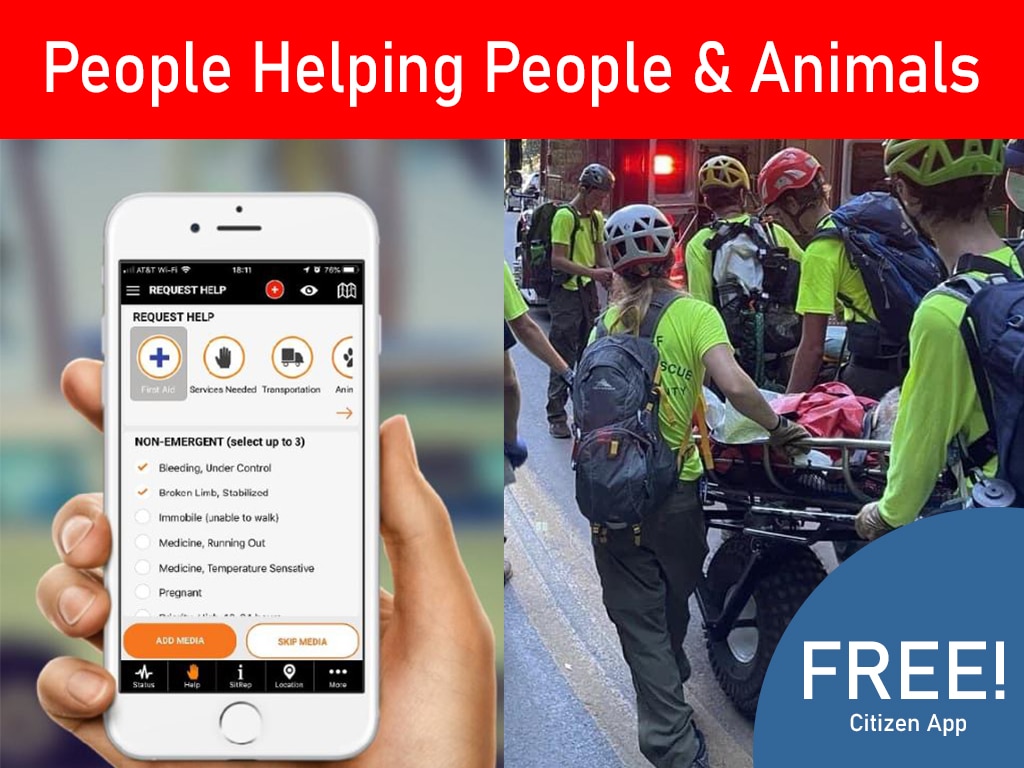
Local emergency managers often struggle to manage response teams using outdated tools and siloed data. Clear communication across agencies during a disaster requires more than just spreadsheets. Modern teamwork depends on a platform that joins field reports with command decisions.
Compare PubSafe’s affordable EOC software pricing for your local government team — schedule a free demo to explore the platform.
Emergency operations center software provides a unified digital space where managers can track resources and coordinate in real time. These platforms help local governments handle daily tasks and major disasters by closing the gap between field alerts and command decisions with tools for mapping and field reporting.
Choosing the right digital tools for your command center needs a deep look at how your team works. To help you find the best fit, we will first look at the basic parts of this technology in the section titled What Is Emergency Operations Center Software?
What Is Emergency Operations Center Software?
Emergency operations center software serves as a digital hub where local government leaders unify tools and data during emergencies. It gives teams one place to track incidents, manage resources, and coordinate field operations through a shared cloud platform that keeps everyone aligned as a crisis unfolds.
Emergency operations center software is a digital hub for local government leaders. It helps emergency managers unify tools and data during big events. This tool gives teams one place to track news and manage field work. Most systems use a cloud platform to keep staff on the same page. This setup allows for quick updates as a crisis unfolds.
By using this tech, cities can manage staff and gear more easily. It replaces paper logs and messy files with live maps. This change lets managers see where help is needed in real time.
Bridging the gap between alerts and response
A primary goal of emergency operations center software is to connect alerts with action. When a warning goes out, the software helps bridge the gap to a real-world response. It takes data from local calls and turns it into a clear plan. This link ensures that teams move fast when minutes count.
Local leaders use these tools to share info across many groups. This includes police, fire, and public works staff. The DHS SAVER program helps responders find the right tools for incident management and teamwork. By using a shared system, groups avoid work that overlaps or misses key needs.
Supporting blue-sky and gray-sky operations
Modern software handles more than just major storms or fires. It supports both blue-sky and gray-sky operations. In blue-sky times, managers use the tool for daily tasks to keep the team ready for the next big event. These tasks often include:
- Running training drills for staff and volunteers
- Checking gear lists and resource locations
- Updating contact lists for local partners
When a gray-sky emergency hits, the system grows to handle the stress. It manages new tasks and tracks many people at once. This shift is vital for local governments that face frequent risks. Having one system for all days makes the software easier to use when a crisis starts.
Affordable help for local governments
In the past, these systems were costly. Some large tools still cost $10,000 to $150,000 each year. This high price often blocks local towns from getting the help they need. Newer platforms now offer a huge price drop of up to 99 percent. This change makes expert tools open to every local area.
These low-cost options give smaller towns the same power as big cities. They offer live maps and mobile apps for field staff. This shift means that cost is no longer a bar to public safety. Local governments can also explore volunteer responder management software to manage field personnel more effectively.
Key Features Local Government Emergency Managers Need
Local government agencies need EOC software that offers incident management with ICS compliance, real-time GIS mapping for shared situational awareness, and mobile field reporting tools. These core capabilities ensure teams can coordinate effectively during both daily operations and large-scale disasters.

Local government agencies often face tough tasks during large events. Choosing the right emergency operations center software helps your team manage tools and keep people safe. Modern systems must handle daily work and large-scale disasters. Good tools allow managers to make quick choices that save lives and reduce risks for the whole community.
Incident management and compliance
Top systems must follow the Incident Command System (ICS). This standard helps different groups work together without confusion. Your software should track roles, tasks, and forms to keep every response clear. Using a platform that links emergency operations center software with field reports makes it easier to follow local and federal rules, including the use of emergency alerts and mass notification systems for local government.
Mapping and shared situational awareness
Real-time maps are a core part of any modern EOC. High-quality tools use Geographic Information Systems (GIS) to show live data on one screen. This helps you see where gear is and where new threats might grow. Agencies like those in Oregon use maps to speed up alerts during fires or floods. Sharing these maps across your team ensures that every person sees the same facts at the same time.
You can find more data on how tools help with choices on Oregon state sites. These tools help teams talk faster when every second counts.
Field reporting and coordination
Field teams need to send updates back to the center fast. Good software lets staff and CERT volunteers use mobile apps to report what they see and coordinate volunteer rescue teams effectively. This fills the gap between the alert and the actual work on the ground. Field teams can also refer to the incident reporting guide for field teams for proper data collection. When choosing emergency operations center software, look for tools that combine incident management with citizen engagement. This full view helps you lead with trust and keep your public informed.
To help with your choice, the Department of Homeland Security offers the SAVER program. This program gives clear data to help public safety leaders buy the best tools for their needs.
EOC Software for Local Government vs. Enterprise Solutions
Local government emergency managers must choose between expensive enterprise systems costing $10,000 or more per year and affordable cloud platforms like PubSafe at roughly $60 per user annually. Modern cloud solutions offer faster setup, simpler training, and the same core features as legacy enterprise tools.
Local government emergency managers often find themselves caught between two worlds. On one side are the large enterprise tools. These systems offer many features but often carry a high price tag. On the other side are flexible platforms built to meet the needs of county and city teams. Choosing the right path depends on your budget and how fast you need to set up your emergency operations center software.
The cost of enterprise systems
Old enterprise systems can be a big drain on local budgets. Some of these platforms cost between $10,000 and $150,000 or more each year. For many small or mid-sized towns, this price is too high. These tools also tend to be hard to use. They often require a long time to set up and staff training to use well. This can lead to delays when you need to act fast during a crisis.
The DHS SAVER program helps local officials look at these tools. It provides data to help you make better buying choices. Many teams now look for EOC software alternatives that offer a better value. These options provide the core features you need without the high yearly fees. This allows you to spend more of your budget on field gear and staff needs. You can get the job done without the complex license models of legacy brands.
Good tools must also support ICS compliance. This ensures your team follows the standard chain of command. PubSafe and other modern tools build these rules into the workflow. This makes it easier for staff to stay within the lines during a high-stress event. You can focus on the mission instead of the paperwork.
Flexible solutions for local managers
Modern platforms like PubSafe focus on ease of use and low cost. A cloud-based disaster response platform can be ready to use in hours. PubSafe costs about $60 per user per year. This is a 95% to 99% drop in price compared to old systems. Other tools also serve this market well. D4H was named a Market Leader for Winter 2025 on G2. Veoci offers a no-code way to build a virtual EOC. Noggin provides all-hazards help, while ESRI leads in GIS mapping to track live events.
These tools work well for both daily tasks and major events. This includes blue-sky days where you track routine safety and gray-sky days during a major disaster. Using a dedicated system helps you share data fast. In Oregon, managers found that these tools cut down the time it takes to send out evacuation info during a crisis. This speed saves lives and helps you keep your community safe. You can bridge the gap between alerts and a real-world response without a high price.
The best software should be as mobile as your team. Field reporting and live chat let you coordinate with staff and NGOs on the fly. This ensures that every member of the team knows the plan. By picking a tool made for local needs, you can scale up fast when a storm hits. This keeps your response agile and your data clear for everyone who needs it.
| Feature | Enterprise Systems | Local Gov Platforms |
|---|---|---|
| Annual Cost | $10,000 to $150,000+ | ~$60 per user |
| Setup Time | Weeks or months | Hours or days |
| Complexity | High, needs training | Low, easy for all staff |
| GIS Mapping | Deep integration | Built-in and simple |
| Growth | Fixed per license | Easy to add users fast |
| Setup | On-site or cloud | Mostly cloud-based |
How Much Does Emergency Operations Center Software Cost?
Emergency operations center software costs vary widely, from $10,000 to over $150,000 annually for enterprise platforms down to roughly $60 per user per year for cloud-based solutions like PubSafe. Following a structured evaluation process helps local governments find the best value for their budget.
Budgeting for emergency operations center software is a big task for any public safety leader. In the past, teams had few choices besides large systems. These old tools often cost from $10,000 to over $150,000 every year. High costs often stop local teams from getting the best tools. Today, cloud options offer the same power for much less money. To pick the right path, you must look at every cost part. The DHS SAVER program gives people good advice for checking these tools before they buy.
Checking New Software Prices
New pricing is often based on how many people use the tool. This makes it easy for small teams to plan their costs. Some systems charge one flat rate, but these can be hard to change. Clear plans like PubSafe pricing start at about $60 per user each year. This change helps teams move away from heavy deals that last for years. It allows for a 95% to 99% price drop compared to older systems.
A Clear Five-Step Cost Plan
Checking the true price of software takes five steps. You should look at current costs and future needs at the same time.
- Find your current total spend. Count what you pay for radios, apps, and paper logs. Many teams find they pay for tools that do not work well together.
- Compare per-user and flat-fee plans. Flat fees can seem simple, but per-user pricing often fits a local budget better. This lets you pay only for the staff who use the system.
- Check set-up and training fees. Some sellers charge large fees just to start the service. Look for simple tools like D4H, which won a G2 ROI award in Winter 2025 for its high value.
- Match features to your needs. Ensure the price includes vital tools like GIS maps and field reports. Do not pay for extra parts that your team will not use during a real crisis.
- Find the total cost over five years. Include the price of any updates and tech help. Hidden fees for upkeep can make a cheap system very costly over time.
By following these steps, you can find a system that fits your needs. Moving to the cloud often solves both budget and team problems at once.
How to Choose the Right EOC Software for Your Jurisdiction
Selecting the right EOC software requires prioritizing ICS and NIMS compliance, evaluating GIS and mapping capabilities, and choosing a platform your team can use daily. Cloud-based tools that support both routine operations and large-scale emergencies provide the best long-term value for local governments.

Choosing the right tool for your Emergency Operations Center (EOC) is a big step for local city leaders. You need a system that helps your team during daily tasks and major disasters. Many groups start by looking at tools in the DHS SAVER program to find proven tools. This program helps you see how different tools handle real-world needs before you buy them.
Prioritize ICS and NIMS Rules
Your chosen emergency operations center software must follow the Incident Command System (ICS). This ensures your team can work with state and federal partners during a large event. Look for features that track assets and manage incident plans. Following these rules helps you keep clean records for FEMA payments later. You can learn more about how these systems work by reviewing how PubSafe works to help local teams.
Review GIS and Mapping Tools
Modern EOC software needs strong GIS and mapping tools to give you a clear view of the scene. Your staff should be able to see where things happen on a live map in real time. This data helps you make fast choices when lives are on the line. Data from Oregon emergency managers shows that using new software can lead to a big drop in the time needed to share news. A good map makes these hard details easy for everyone to see.
Check Field Reporting and Daily Use
The best software handles both daily work and emergency events. If your team only uses the tool once a year, they will forget how it works in a crisis. Pick a platform that your staff can use for regular tracking and field reports every day. This daily use builds the skills needed for a high-stress event. You should also check the total cost to ensure the tool fits your long-term budget without high yearly fees.
Why Local Governments Are Switching to Cloud-Based EOC Platforms
Local governments are migrating to cloud-based EOC platforms for lower costs, faster deployment, and stronger field communication. These tools bridge the gap between alerts and real-world response, support both daily operations and crisis events, and eliminate the high upfront costs of legacy on-premise systems.
Many local governments now move away from old tools. They choose cloud-based emergency operations center software to manage their work. These modern tools cost less and work faster than old systems. They also help teams stay connected during large-scale disasters and daily tasks.
Bridge the response gap
A cloud tool helps bridge the gap between a fast alert and a real-world response. It gives teams one place to track data and plan moves. This setup makes it easy for leaders to see where help is needed most. You can learn more about how PubSafe works to see this in action.
These tools also support both blue-sky days and gray-sky crises. On quiet days, you can use the software for daily tasks and plans. When a crisis hits, the same system grows to handle big needs. This is vital for any modern emergency operations center software used by local leaders.
Faster field communication
Field teams need mobile access to stay safe and helpful. Cloud tools give them live data on their phones or tablets. This speed saves lives when every second counts. For example, state leaders in Oregon found that good software cut the time needed to share news about an evacuation.
Quick choices keep people safe during fast events like fires or floods. By using cloud tools, managers can push news to the field and the public at once. This stops old or wrong data from causing more chaos. It also lets field staff send photos and live status updates from the scene.
Save on upfront costs
Old systems often need a lot of money to start. They need big servers and long setup times. Cloud tools remove these bars with low fees and fast starts. This lets small cities and counties get the same tools as big areas without a huge budget.
Auto updates are another big win for local budgets. You do not have to pay for a team to fix bugs or add new parts. The provider handles all the tech work. This lets your team focus on safety and plans rather than tech fixes and hardware.
Frequently Asked Questions
What are the benefits of using emergency management software for local government?
Using this software helps local leaders plan life-saving work during a crisis. It connects alerts to real-world response. The State of Oregon says these tools help leaders make fast and smart choices to keep people safe. These systems also make tasks like field reports and mapping very simple. This makes sure that every team member sees the same data at once. Better data leads to faster help and more lives saved.
Are there free emergency operations center software options?
While most full systems cost a lot, some tools offer free plans for small teams. However, most free versions lack key features like mapping or field reports. For a low cost, you can get a system like PubSafe for about sixty dollars per user each year. This is much less than the ten thousand dollars or more that big systems often cost. Choosing a low-cost option helps small towns get the same power as big cities.
Can Microsoft Teams be used as an emergency operations center?
Teams can help with chat and video, but it is not a full tool for emergency work. It lacks unique features like field reports and mapping tools. It also does not support the formal event plans used by local leaders. A true system like PubSafe handles both daily work and large-scale crisis events. Using this platform makes sure your team stays on task and follows the right safety rules during a major event.
Why is crisis management software important for emergency response?
This software is key because it brings all teamwork into one place. Without it, data stays in separate spots like email or paper logs. This can slow down life-saving work. According to the Department of Homeland Security, using tested tools helps leaders make better choices for their teams. These systems keep all people on the same page during a flood or fire. Using the right tools leads to better results and safer towns for all.
Ready to upgrade your city’s emergency response tools?
Every second counts when your local team must react to a sudden storm, flood, fire, or other major crisis event that puts lives at risk. If your current systems fail to share clear data across agencies, you face a real risk of slow response times and missed calls. Putting better tools in place right now will ensure your team is ready to act fast and work together when a crisis occurs.
Ready to update your operations? Don’t wait for a disaster to find out that your team needs better tools for faster communication and field reporting. Call (813) 736-1853 today to speak with a PubSafe specialist about affordable emergency operations center software for your local government team.
For a dedicated coordination platform, explore PubSafe’s government emergency communication system.