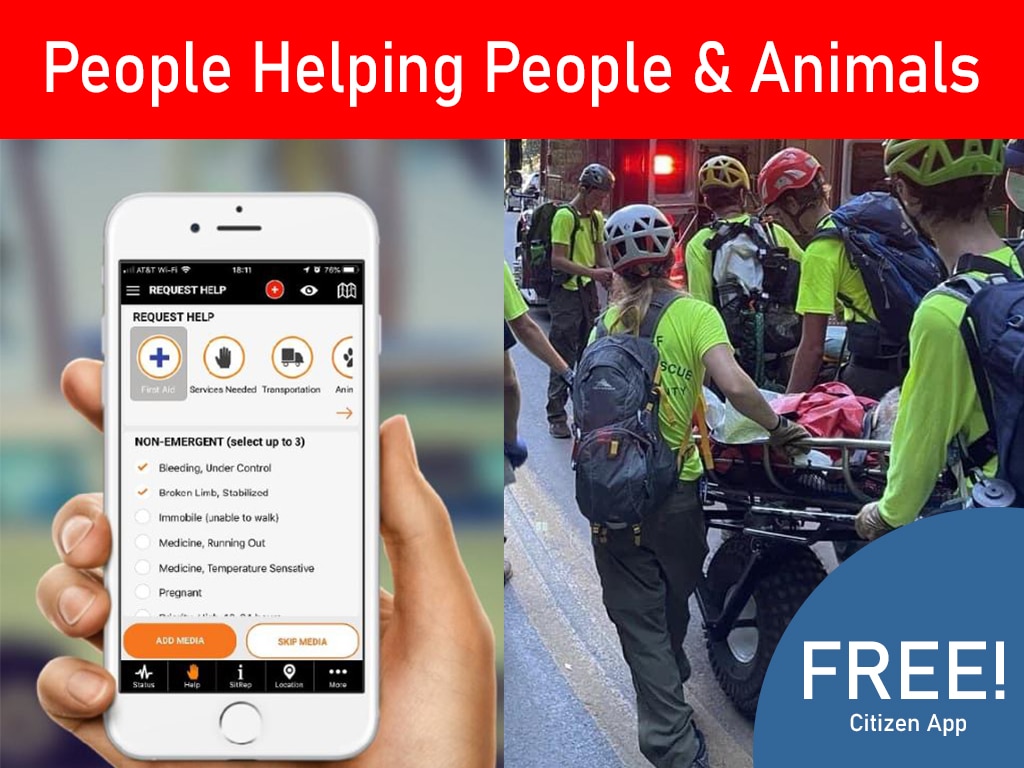
A strong Community Emergency Response Team does not wait for the next disaster to become visible. It gives people useful ways to participate between incidents, makes training expectations clear, and keeps volunteers connected after the first orientation. That approach turns occasional interest into a dependable readiness pipeline. CERT volunteers can help communities prepare and respond when professional responders are not immediately available. While social proof and active participation give new members a reason to stay involved.
Ready.gov notes that CERT volunteers provide basic response support that helps professional responders focus on more complex tasks. Building that capacity starts with a deliberate plan for outreach, onboarding, training, and retention, not a one-time signup drive. The first step is understanding why recruitment and retention should be managed as one connected system.
Why Community Emergency Response Teams Need a Strategic CERT Volunteer Recruitment Plan
A Community Emergency Response Team (CERT) is most valuable when its volunteers are prepared before an incident, not assembled after one begins. A strategic CERT volunteer recruitment plan gives coordinators a reliable way to build awareness, welcome new people, and keep current members connected to meaningful service. It also turns recruitment from an occasional push into an operating habit that strengthens the team between emergencies.
Contact us to streamline your CERT volunteer management
Recruit for readiness, not just headcount. Local CERT programs train and organize volunteers to safely assist families, neighbors, co-workers, and other community members when professional responders may not be immediately available. That role requires more than collecting names. Coordinators need people who understand the mission, complete the appropriate training, and know how to participate within the team’s structure. Ready.gov describes the role of CERT volunteers as providing basic disaster response support during that critical gap.
Connect volunteer service to the wider response system
A proactive recruiting message should explain why participation matters without overstating what volunteers can do. CERT members may check on neighbors, share information, support emergency operations centers, and help manage traffic or crowds. These fundamental activities allow professional responders to focus on more complex tasks, according to the same Ready.gov guidance. Prospective volunteers are more likely to commit when they can see how their training fits into a coordinated community response.
Make the opportunity tangible. Show what members can expect after joining: an orientation, training milestones, practice activities, and ongoing ways to contribute. A clear pathway reduces uncertainty and helps people with different schedules or experience levels identify where they belong.
Keep recruitment active between disasters
Emergency-only messaging creates long gaps in visibility. Recruitment efforts are stronger when they highlight year-round participation and social proof of active service, such as preparedness events, exercises, educational outreach, and team updates. This gives current volunteers reasons to stay involved and gives prospective members evidence that the organization is active rather than dormant. The goal is not constant promotion. It is a dependable presence that makes joining feel timely and relevant.
Use a consistent place to organize interest, member information, communication, and follow-up. Volunteer management software for CERTs can help coordinators maintain that pipeline while preserving the human connection that makes community service compelling.
Where Can You Find and Attract CERT Volunteers in Your Community?
Start where community preparedness is already visible. CERT volunteers support, organize, promote, and participate in emergency preparedness events, activities, and projects, making these gatherings natural places to meet people who are already motivated to serve.
Show up where preparedness happens
Set up an approachable CERT table at safety fairs, neighborhood preparedness days, community meetings, health and wellness events, school safety nights, and emergency training sessions. Do more than hand out a flyer. Invite attendees to try a short hands-on activity, ask what skills they want to learn, or speak with a current volunteer about a recent deployment or exercise.
Make the first conversation specific. Explain what a new member can do in the first 30, 60, or 90 days. Some people may want medical-response training, while others may be better suited to logistics, communications, public information, or event support. A clear next step, such as an upcoming orientation or introductory class, turns general interest into a useful lead.
Build partnerships beyond emergency management
Ask faith organizations, civic groups, neighborhood associations, schools, local employers, and service clubs to share a concise volunteer invitation with their members. These partners already have trusted communication channels and can help you reach residents who may not search for CERT opportunities on their own. Consider offering a short preparedness presentation in return, then close with a direct invitation to attend an orientation.
Do not assume a large organization is required to make a meaningful contribution. Research from the University of Georgia Extension system describes how four geographically dispersed. Specially trained small teams built capacity for readiness, response, and recovery during natural disasters and local emergencies. Small, focused teams can expand community capacity when their roles and connections are clear.
Use current volunteers as your strongest proof
Prospective members want to understand what participation feels like between disasters. Share photos and short stories from drills, preparedness events, training sessions, and neighborhood outreach, with permission. Highlight the people and responsibilities involved, not just the mission statement. Showing year-round activity gives candidates a realistic picture of service and creates social proof that the team is active.
Track every promising conversation and follow up quickly. A simple intake process or volunteer management software for CERTs can keep contact details, interests, event participation, and next steps organized so interested residents do not disappear after the event.
How Do You Turn Interest Into Trained CERT Volunteers?
A strong CERT volunteer recruitment process does more than collect names. It gives each interested resident a clear path from first contact to useful participation, while respecting different schedules, experience levels, and comfort with emergency response work. The goal is not to make every person follow the same route. It is to make the next step obvious and achievable.
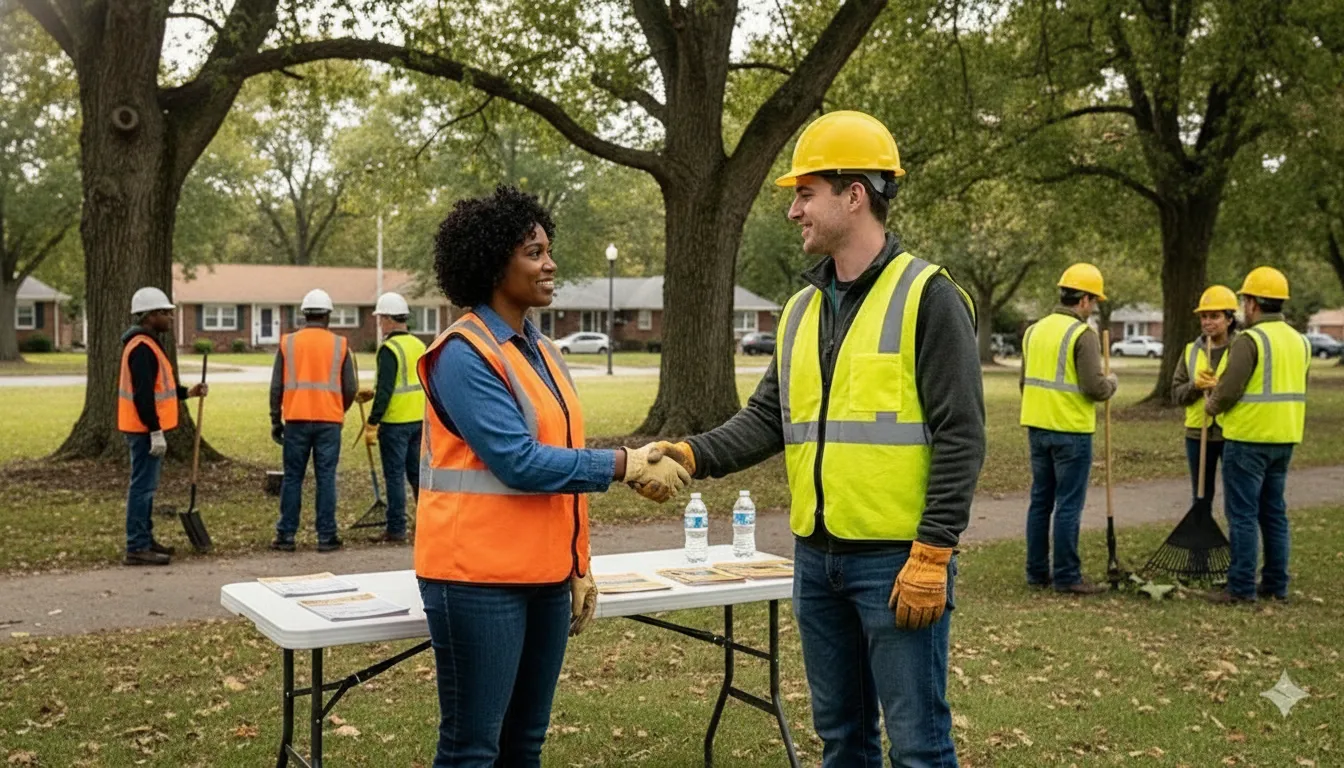
- Make interest easy to capture. Offer a short sign-up form at preparedness events, community meetings, and online. Ask for only the information a coordinator needs to follow up, such as contact details, availability, neighborhood, and areas of interest. Avoid losing motivated residents because registration feels like an application. A simple first step creates a larger pool for later orientation.
- Follow up within a few days. Send a personal, practical response while the conversation is fresh. Explain what the Community Emergency Response Team does, what the initial orientation covers, and how much time a new member should expect to commit. Include the next available dates and a named contact for questions. Clear expectations build trust before training begins.
- Offer manageable onboarding sessions. Schedule orientations at accessible times and consider more than one format when resources allow. Break the process into sensible stages rather than making a new volunteer absorb every detail at once. Provide a variety of training paths, including basic, advanced, and specialized options, so people with different skill levels and interests can find a meaningful entry point. This flexibility can widen recruitment without lowering standards. Research on CERT training structures supports offering varied options for diverse volunteers.
- Pair each new member with a mentor or buddy. Assign a person who can answer routine questions, explain team norms, and help the volunteer choose a first role. A buddy relationship turns orientation into belonging. Give the new member a defined, manageable responsibility, such as event support, communications assistance, logistics, or neighborhood outreach, so participation becomes concrete.
- Show how leadership works. Publish a simple team structure and explain who handles operations, logistics, communications, and member questions. Clear functions prevent new volunteers from wondering where to turn during training or an incident. CERT guidance recommends designated leadership roles because a defined hierarchy helps teams operate efficiently during emergencies: see the leadership guidance. Review the structure during onboarding and update it when responsibilities change.
Building a Training Calendar That Keeps CERT Volunteers Engaged
A training calendar should do more than prepare people for the next emergency. It should give volunteers a clear reason to stay involved during the quiet periods, when recruitment interest can fade and teams can lose momentum. A predictable schedule turns participation into a year-round experience rather than an occasional request for help.
Build a repeating rhythm of activities
Start with a manageable annual pattern that volunteers can understand at a glance. Schedule core refresher courses at regular intervals, then add recurring drills that practice a specific response task. A community CERT might rotate through first aid, damage assessment, communications, traffic and crowd support, or neighborhood check-ins. These activities reinforce the basic response skills volunteers need to safely assist their families, neighbors, co-workers, and other community members when professional responders are not immediately available. Planning CERT disaster drills in advance also gives team leaders time to define objectives, assign roles, and capture lessons afterward.
Include social meetups and low-pressure service activities alongside formal instruction. Preparedness fairs, community education events, equipment demonstrations, and informal gatherings help members build relationships before a crisis. They also give prospective volunteers a useful way to experience the team without committing immediately to an intensive training track. A calendar with both skill-building and community-focused activities makes participation easier to sustain.
Offer multiple paths into the team
Not every volunteer arrives with the same experience, schedule, or interest. Offer a mix of basic, advanced, and specialized sessions so newcomers have an accessible starting point while experienced members can keep developing. A basic orientation may introduce the team’s mission and expectations. More advanced sessions can focus on leadership, logistics, or incident coordination, while specialized workshops can serve volunteers interested in communications, medical support, mapping, or public information.
This variety supports both recruitment and retention. A potential member can choose an entry point that fits their skill level, and an established member can see a path for continued growth. Keep dates visible, send reminders early, and record attendance so coordinators can identify gaps without making volunteers repeat training unnecessarily. The goal is consistent readiness, not a crowded calendar.
How Should CERT Coordinators Communicate With Volunteers Year-Round?
Communication between emergencies is what turns one-time interest into dependable participation. Community Emergency Response Team (CERT) coordinators should give volunteers useful reasons to stay connected, even when no incident is active. That might mean sharing a training opportunity, recognizing a member’s contribution, or asking who is available for an upcoming preparedness event.
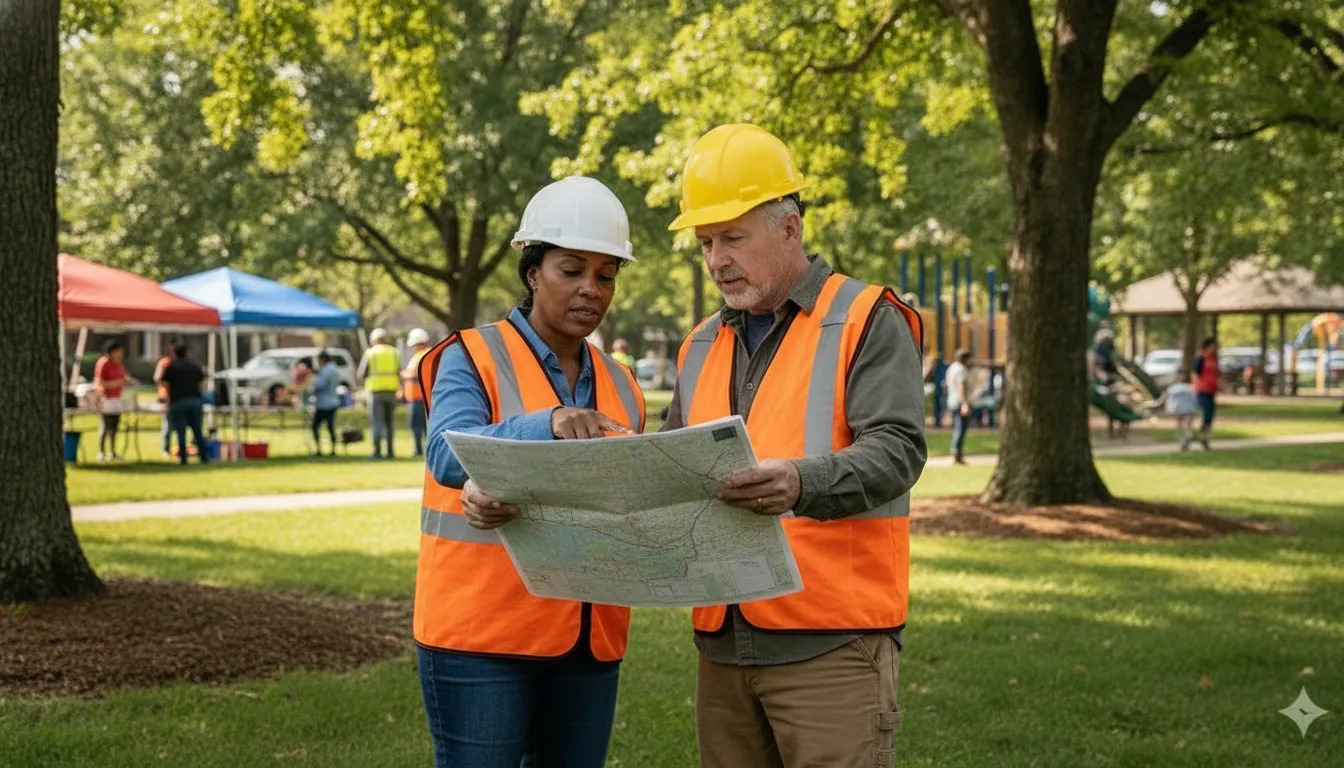
Make every update purposeful: inform volunteers, invite a next action, or show them how their participation strengthens the team.
Use a consistent rhythm across several channels
A monthly email or newsletter can provide the broad update: upcoming training, community activities, team news, and a short volunteer spotlight. Pair it with a shared community calendar so members can see dates without searching through old messages. The calendar should include training sessions, exercises, public preparedness events, leadership meetings, and deadlines for confirming attendance.
For time-sensitive information, use text messages or push notifications. Reminders are useful for a training start time, a location change, or a request for volunteers at a community event. Keep these messages short and action-oriented. Do not make volunteers dig through a long newsletter to find what they need to do next.
| Channel | Best used for | When to use it |
|---|---|---|
| Email or newsletter | Broad updates, training outlook, volunteer spotlights | Monthly, once |
| Shared community calendar | Dates: training, drills, events, meetings | Always visible |
| Text or push notification | Urgent action: start time, location change, coverage request | Short, time-sensitive |
| Online member portal | Availability, training signup, hour reporting | Self-service, year-round |
Use email for context, a calendar for planning, and text or push notifications for timely action. This simple division reduces duplicate messages and makes the communication system easier to maintain.
Give volunteers a place to manage their own participation
An online member portal can make year-round communication two-way instead of coordinator-led only. Volunteers should be able to update their availability, review training dates, confirm assignments, and report hours from one accessible location. When members can keep their information current, coordinators spend less time reconciling spreadsheets and more time building readiness.
That portal also creates useful recruitment momentum. Prospective members can see that the team offers meaningful ways to participate beyond disaster deployment, while current volunteers can find a manageable next step. A person who cannot attend a full exercise may still help at a preparedness event or complete a training session. Highlighting these options supports the broader principle that active, year-round participation strengthens CERT volunteer recruitment and retention.
Choose collaboration tools for CERT teams that keep information organized and accessible. The coordination layer must also remain useful when standard networks, including radio or mesh systems, are stressed during an outage. PubSafe is designed to connect everyday coordination with emergency operations rather than treating them as separate workflows.
Tracking Volunteer Hours and Readiness for Grant Reporting
Recruitment does not end when a volunteer joins the roster. A sustainable Community Emergency Response Team (CERT) also needs a dependable way to record participation, training, certifications, and current readiness. Without that record, coordinators may spend hours reconstructing attendance from spreadsheets, email threads, and paper sign-in sheets just when a grant application or progress report is due.
Make every hour of service visible. Tracking volunteer hours in PubSafe is a key feature for grant reporting requirements, giving coordinators a clearer administrative record of the work their community CERT performs. That can include training sessions, preparedness events, exercises, outreach, and response activities, provided the program defines its categories and records them consistently.
Connect participation to readiness
Hours alone do not tell the whole story. Pair participation records with each member’s training status, certifications, skills, and most recent activity. A single member record helps coordinators answer practical questions: Who has completed basic training? Which volunteers are current for a particular assignment? Who needs a refresher before the next exercise? This is where volunteer credentialing for CERTs supports a more complete readiness picture.
Use the same system for routine work and emergency preparation. Recording attendance and credentials during blue-sky operations creates a useful baseline before an incident occurs. It also makes reporting less subjective. Instead of describing an active program in general terms, coordinators can show participation trends, completed training, and the number of volunteers prepared for defined roles. Keep the process simple enough that team leaders can update it promptly after an event.
Turn grant evidence into a recruitment advantage
Clear reporting helps protect funding, but it can also support CERT volunteer recruitment. Prospective volunteers are more likely to commit when they can see that the team has an organized training path. Meaningful activities between emergencies, and a plan for sustaining its work. Funders benefit from measurable evidence, while applicants gain confidence that their time will be used well.
Review the record regularly with team leadership. Look for gaps in training, inactive members who need a personal follow-up, and activities that attract sustained participation. The goal is not to measure volunteers for its own sake. It is to maintain a ready, accountable program that can demonstrate impact and keep growing.
Contact us to see how PubSafe can track volunteer hours and readiness for your CERT team
Frequently Asked Questions
How can a community CERT attract volunteers who stay involved?
Show people what participation looks like between emergencies, not only during a disaster. Invite prospects to preparedness events, exercises, communications practice, and other useful activities. Share real examples of volunteers contributing and make the next step clear, such as an orientation date or introductory training session. Year-round opportunities and social proof give prospective members a more concrete reason to join and remain active. Ready.gov guidance also explains that CERT volunteers support preparedness activities in their communities.
What should a CERT volunteer onboarding process include?
Start with a clear welcome, an explanation of the team’s mission, basic expectations, and a simple path to training. Give each volunteer a defined contact or team lead, then record skills, availability, training progress, and preferred roles. A clear leadership structure helps assign responsibilities for operations, logistics, and communications during a crisis. Offer more than one training path so people with different experience levels can find an appropriate starting point.
How often should CERT volunteers receive training or communication?
Use a predictable year-round rhythm rather than waiting for the next emergency. A monthly update, recurring skills practice, quarterly exercise, or seasonal preparedness event can keep volunteers connected without overwhelming them. Vary the format with short briefings, hands-on drills, and role-specific refreshers. Basic response skills remain important, but ongoing communication should also recognize contributions and explain what the team is preparing to do next.
What information should coordinators track for each CERT volunteer?
Track contact information, emergency contacts, skills, assigned role, training status, certifications, availability, exercise participation, and volunteer hours. Keep records current and make it easy to identify who is ready for a specific assignment. Hour tracking can also support grant reporting requirements. A centralized coordination system can reduce scattered spreadsheets and give coordinators a clearer view of readiness.
Ready to simplify CERT volunteer management?
A clear system for outreach, communication, and readiness tracking can help your Community Emergency Response Team keep volunteers informed and involved throughout the year. PubSafe can help you organize those activities in one place while you try the free app. Contact PubSafe today to discuss a practical next step for your team.