Managing a CERT team shouldn’t feel like juggling spreadsheets, endless email chains, and scattered group texts. Your energy is better spent on training and leading, not on administrative headaches. What if you had a central hub to keep your team connected, informed, and ready to respond at a moment’s notice? That’s exactly what modern CERT volunteer retention and engagement software tools are designed to do. They streamline everything from onboarding to deployment, making it easier for you to lead and for your volunteers to stay involved. Let’s explore how these platforms can transform your operations and build a stronger team.
Key Takeaways
- Bridge the gap between deployments: Volunteers often lose interest when they feel disconnected or bogged down by administrative tasks. Use a central software platform to maintain consistent communication and automate scheduling, showing your team you value their time and commitment even during quiet periods.
- Choose an all-in-one command center: Ditch the scattered spreadsheets and group texts for a single platform that handles everything. The best software streamlines communication, tracks certifications, and automates onboarding, giving you more time to lead your team and less time managing paperwork.
- Pair technology with a culture of appreciation: Software provides the framework, but a strong community culture is what makes volunteers stay. Use your platform’s tools to consistently recognize contributions, gather feedback, and organize training that builds both skills and personal connections.
Why CERT Teams Struggle with Volunteer Retention
Keeping a team of dedicated volunteers is one of the biggest challenges for any CERT leader. You bring in passionate, skilled individuals who want to make a difference, but over time, you might notice your roster starting to shrink. This isn’t a reflection of your leadership or your team’s mission. It’s a common hurdle that stems from a few key issues that many organizations face.
Understanding these retention roadblocks is the first step toward building a more resilient and engaged team for the long haul. Let’s break down the most common reasons volunteers decide to step away.
Losing Touch Between Deployments
The nature of emergency response is often “hurry up and wait.” During a crisis, your team is active and connected. But what happens during the quiet periods in between? Without a structured way to stay in touch, volunteers can feel disconnected and forgotten. When months go by without a meeting, training, or even a simple check-in, their initial enthusiasm can fade.
Effective team management requires a central place to keep all your volunteer information, schedules, and messages organized. When you can easily send updates, share training opportunities, or just say hello, you keep the team spirit alive, ensuring everyone feels like a valued member, even when there isn’t an active emergency.
Balancing Time, Burnout, and Real Life
Your volunteers are generous people with busy lives. They have jobs, families, and personal commitments that all demand their time and energy. When the administrative side of volunteering becomes clunky and time-consuming, it adds unnecessary stress. Juggling spreadsheets, tracking certifications manually, and sending out countless emails can lead to burnout for both you and your team members.
Streamlining your volunteer coordination saves a tremendous amount of time and makes the entire operation run more smoothly. By making it easy for volunteers to manage their availability and for you to manage the team, you respect their time and reduce the friction that often leads to them stepping back.
When Poor Communication and Recognition Backfire
Volunteers want to know their contributions matter. If communication is inconsistent or they feel their efforts go unnoticed, their motivation will naturally decline. A lack of clear updates, inconsistent scheduling information, or a failure to simply say “thank you” can make volunteers feel unappreciated and replaceable. Over time, this can be more damaging to morale than any difficult deployment.
Building stronger relationships starts with better communication. When you register your organization with a platform designed for this, you create a reliable channel for sharing information and recognizing hard work. This helps foster a sense of belonging and purpose, which are critical for keeping your volunteers engaged and ready to respond when called upon.
What to Look for in CERT Volunteer Software
Choosing the right software for your CERT team can feel like a big decision, but it doesn’t have to be complicated. The best tools go beyond simple contact lists and spreadsheets. They help you build a resilient, engaged team that’s ready to act when your community needs it most. Think of it as your digital command center, a place where you can streamline everything from initial sign-ups to post-incident reporting. A well-chosen platform acts as the connective tissue for your organization, ensuring that every member, from the newest recruit to the most seasoned leader, is on the same page.
When you’re comparing options, focus on features that solve your biggest challenges, like keeping volunteers connected between events and making sure everyone’s qualifications are up to date. The goal is to find a platform that reduces administrative work so you can focus on what truly matters: your people and your mission. A great system will provide the framework for how your team works together, making coordination feel effortless and intuitive, even in the most stressful situations. It’s about finding a solution that supports your team’s unique needs and helps you grow your impact.
Instant Communication and Coordination
When an emergency hits, you don’t have time to sort through email chains or phone trees. Your software needs to provide instant, reliable communication channels. Look for tools that can send automatic texts and emails to your entire team or specific groups. This is essential for rapid deployment, sharing critical updates, and sending out reminders for training or meetings. Effective volunteer coordination depends on getting the right information to the right people at the right time, and a solid communication feature is the backbone of that process.
Easy Scheduling and Availability Tracking
Forget about passing around a clipboard or trying to manage a chaotic spreadsheet. Modern volunteer software should offer smart, simple scheduling tools. The best platforms allow volunteers to update their own availability in real time, so you always have an accurate picture of who is ready to respond. This streamlines the scheduling process, prevents burnout by distributing assignments more evenly, and lets you fill operational roles with just a few clicks. It gives volunteers more control over their commitment while giving you the clarity you need to manage your team effectively.
Automated Onboarding and Certification Management
Bringing new volunteers into the fold should be an energizing experience, not a paperwork nightmare. Look for software that automates the onboarding process, allowing new members to sign up and complete initial steps on their own. A critical piece of this is certification management. Your platform should make it easy to track qualifications, training histories, and expiration dates. This ensures your team is always compliant and that you can quickly identify volunteers with specific skills needed for a particular incident. Centralized team management saves you time and reduces the risk of critical details falling through the cracks.
Tools for Recognition and Engagement
Keeping volunteers motivated, especially during quiet periods, is key to retention. Your software should be more than just a logistical tool; it should help you build a strong community. Look for features that allow you to recognize volunteer contributions, celebrate milestones, and share stories of your team’s impact. Whether it’s a digital badge for completing a training course or a dashboard highlighting total hours served, these tools help volunteers see the value of their commitment. This fosters a sense of belonging and appreciation that keeps people coming back.
Reporting and Impact Tracking
How do you measure your team’s success? Strong reporting features are essential for tracking your impact and making data-informed decisions. The right software will allow you to generate reports on everything from volunteer hours and attendance to response times and incident outcomes. This data is invaluable for demonstrating your team’s value to stakeholders, securing funding, and identifying areas for improvement. Visual tools, like a public map showing where your team has assisted, can also be a powerful way to share your story with the wider community and show volunteers the tangible results of their hard work.
Secure Data and Privacy Protection
Your volunteers trust you with their personal information, and protecting that data is non-negotiable. When evaluating software, make sure it prioritizes security. The platform should use strong encryption, have clear privacy policies, and follow best practices for safeguarding sensitive data like addresses, phone numbers, and certification details. Choosing a secure system not only protects your organization from liability but also builds a foundation of trust with your members. They need to know their information is safe with you, and a secure platform is a critical part of that promise.
Top Software for CERT Volunteer Retention
Choosing the right software can be a game-changer for keeping your CERT team active and engaged. The best tools go beyond simple rosters; they act as a central hub for communication, scheduling, and recognition. They make it easy for volunteers to participate and feel valued, which is the secret sauce for long-term retention. When your administrative tasks are streamlined, you have more time to focus on what truly matters: building a strong, prepared, and connected team.
Think of this software as the digital infrastructure for your community. It helps you bridge the communication gaps that often appear between deployments, making sure every member feels informed and part of the team. From tracking certifications to celebrating volunteer hours, the right platform automates the tedious work and provides data that helps you understand your team’s health. Below are five of the top software options that excel at helping CERT teams and other volunteer organizations build a resilient and dedicated volunteer base. Each offers a unique set of features designed to tackle the core challenges of volunteer engagement and retention.
1. PubSafe
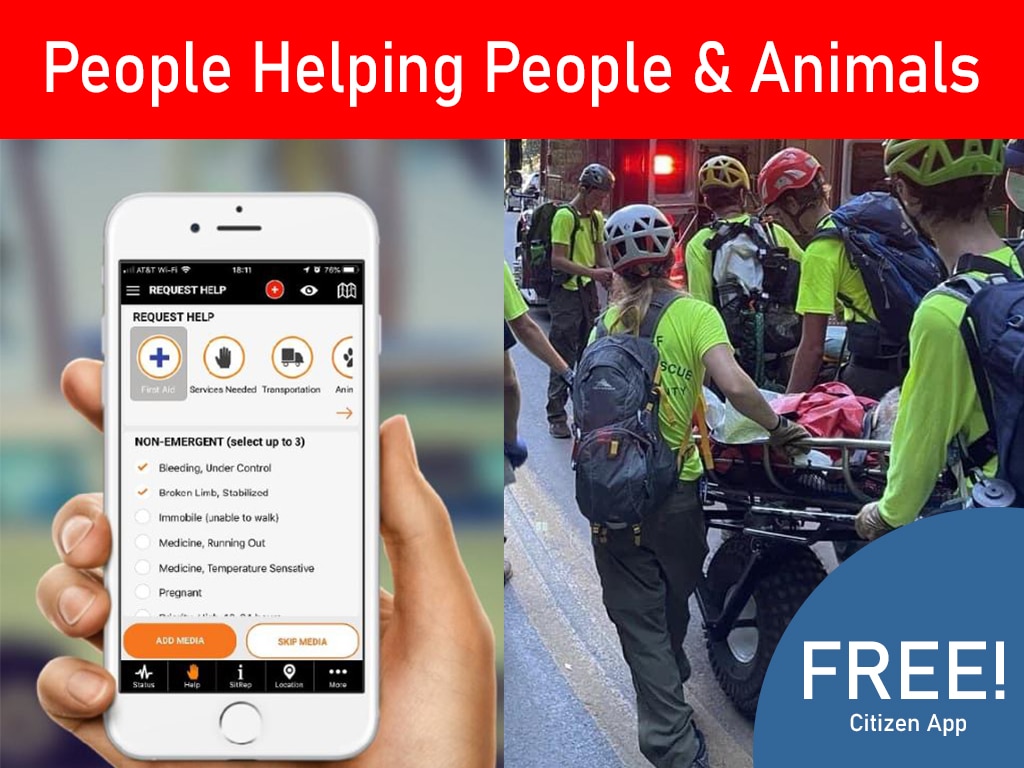
PubSafe is built from the ground up for disaster response, making it a natural fit for CERT teams. It’s more than just a volunteer management tool; it’s a complete communication and coordination platform. You can manage your team, schedule events, and track activity, but its real strength lies in its ability to connect your team with the wider community response. Volunteers can see their direct impact through a public map showing real-time incidents and team actions. This level of integration helps volunteers feel connected to a larger mission, reinforcing their purpose and commitment. The platform’s focus on team management within a live operational environment is what sets it apart, turning administrative tasks into active engagement.
2. Better Impact
Better Impact is designed around a core principle: a positive volunteer experience leads to better retention. This software focuses on making every volunteer feel seen and appreciated. It provides robust tools for scheduling, tracking hours, and generating detailed reports that you can use to recognize individual contributions and team milestones. One of its standout features is the ability to gather volunteer feedback, giving your members a voice in the organization. By using Better Impact to create a culture that actively values and listens to its volunteers, you can build the loyalty and personal investment that keeps people coming back year after year. It’s an excellent choice for teams that want to put volunteer appreciation at the center of their strategy.
3. VolunteerHub
If your CERT team manages a large number of volunteers or frequent events, VolunteerHub is designed to bring order to the chaos. This platform excels at streamlining the entire volunteer lifecycle, from a simplified registration process to effortless event sign-ups. It eliminates the administrative friction that can frustrate volunteers and coordinators alike. With VolunteerHub, you can set up a self-service portal where volunteers can manage their own schedules and see opportunities, which empowers them and saves you time. The software also includes features for tracking hours and running reports, making it easy to recognize your most dedicated members and demonstrate your team’s community impact. It’s a powerful tool for making participation easy and rewarding.
4. Civic Champs
For teams looking to connect with volunteers in a modern, mobile-first way, Civic Champs is a fantastic option. The platform is incredibly user-friendly and accessible, allowing volunteers to sign up for shifts, log their hours, and receive updates directly from their smartphones. This convenience is a major plus for retaining volunteers with busy lives. But Civic Champs is more than just a scheduling app; it emphasizes building a sense of community. It includes features that help you recognize contributions and facilitate communication among team members, fostering the social bonds that are crucial for retention. By meeting volunteers where they are, this tool helps you build a vibrant and engaged team.
5. Salesforce Volunteer Management
If your organization is ready for a data-driven approach to retention, Salesforce Volunteer Management offers a powerful and scalable solution. Built on the world’s leading CRM platform, it allows you to manage relationships with your volunteers with an incredible level of detail. You can track everything from skills and certifications to engagement history, allowing for highly personalized communication. The true power of Salesforce Volunteer Management lies in its analytics. You can analyze trends to understand what drives engagement and what leads to attrition, giving you the insights needed to refine your retention strategies. It’s a robust choice for larger CERT programs or organizations that want to build a comprehensive, long-term volunteer relations strategy.
How This Software Keeps Your Team Together
Keeping a volunteer team engaged is about more than just a year-end thank you party. It’s about the daily and weekly connections that make members feel seen, supported, and part of something bigger than themselves. This is where volunteer management software becomes your most valuable asset. Think of it as the digital headquarters for your CERT team, a central hub that keeps everyone connected, informed, and ready to act, especially during the quiet periods between deployments. These platforms are designed to be the connective tissue that holds your team together, transforming how you communicate, train, and respond.
The right software automates the administrative tasks that often drain a team leader’s time and energy. Instead of juggling spreadsheets, email chains, and phone trees, you can manage everything from one place. This frees you up to focus on what truly matters: your people. A good platform keeps all your volunteer information, schedules, messages, and reports in one central location, ensuring everyone is on the same page. By streamlining operations, you create a more professional and organized environment, which builds confidence and trust within the team. It’s this foundation of seamless team management that fosters a strong, resilient community prepared for any challenge.
Simplify Onboarding for New Volunteers
First impressions matter, especially for new volunteers who are excited to contribute. A complicated or slow onboarding process can quickly dampen their enthusiasm. Volunteer software smooths out this critical first step by automating much of the process. New members can often sign up through a simple portal, fill out their information, and upload necessary certifications without needing to trade a dozen emails with a team leader.
This self-service approach empowers volunteers from day one. The software can automatically handle their first steps, guiding them through initial training modules or required paperwork. This not only saves your leadership team a significant amount of administrative time but also gets new members integrated and field-ready much faster. A streamlined organization registration process shows new recruits that your team is organized and values their time, setting a positive tone for their entire experience.
Connect Your Team Between Deployments
One of the biggest challenges for CERT teams is keeping members engaged when there isn’t an active emergency. The downtime between deployments is often when volunteers drift away. Volunteer management software bridges this gap by creating a constant channel for communication and community building. It serves as a virtual common room where your team can stay connected, share information, and prepare for the next call.
Instead of relying on scattered social media groups or email lists, the software provides a single, secure place for all team interactions. You can post announcements, share articles, and schedule training sessions or social events on a shared calendar. This consistent communication reinforces a sense of belonging and purpose. Effective volunteer coordination isn’t just for disasters; it’s about maintaining a cohesive unit year-round, ensuring your team remains a tight-knit and prepared community.
Recognize Contributions and Show Impact
Volunteers dedicate their time and skills because they want to make a difference. If they don’t feel their contributions are valued, they won’t stick around. Software makes it easy to track and celebrate their hard work, which is essential for retention. These platforms can log volunteer hours, track completed training, and record participation in events and deployments, creating a clear record of each member’s involvement.
This data allows you to move beyond a generic “thank you.” You can create reports that show the incredible value your team brings to the community, from total hours served to specific tasks accomplished. You can use this information to publicly recognize outstanding members or highlight team achievements. Some platforms even allow you to visualize this impact on a public map, showing the real-world results of your team’s efforts. This tangible proof of impact is a powerful motivator that reminds every volunteer why their service matters.
Use Data to Improve Retention
Guesswork won’t get you far when it comes to retention. To truly understand what keeps your volunteers coming back, you need data. Volunteer management software provides the analytics you need to make informed decisions about your engagement strategies. By tracking metrics like attendance at training, response rates to callouts, and volunteer turnover, you can identify trends and pinpoint potential problems before they grow.
For example, if you notice a drop-off in engagement after a certain period, you can investigate the cause. Maybe you need more advanced training opportunities or more social events. The data allows you to make better choices by showing you what’s working and what isn’t. You can use these insights to refine your programs, tailor your communications, and ultimately build a stronger, more resilient team. It’s about using concrete information to support your members in the ways they need most.
How Much Does CERT Volunteer Software Cost?
Let’s talk about the bottom line: budget. The cost of volunteer management software can seem like a major hurdle, especially for community-funded teams. The price tags on these tools vary widely, from completely free to hundreds of dollars per month. The right choice depends entirely on your team’s size, your specific needs, and the resources you have available.
The good news is that there’s a solution for almost every budget. Many platforms are built with the understanding that non-profits and volunteer groups need flexible, affordable options. Some tools, like our own PubSafe platform, are designed to be accessible to everyone, offering robust features for free to support community safety. As you explore your options, think about what you truly need versus what’s nice to have. This will help you find a tool that fits your team and your wallet without sacrificing the features that matter most for keeping your volunteers engaged and ready to respond.
Subscription and Tiered Plans
The most common pricing structure you’ll find is a subscription model with tiered plans. Think of it like a “good, better, best” menu. A basic tier might give you essential communication and scheduling tools for a small number of volunteers, while higher tiers add advanced features like custom branding, in-depth analytics, and integrations with other software.
For example, platforms like VolunteerLocal offer various pricing tiers that scale with your organization. This model allows you to start with an affordable plan and grow into more advanced features as your team expands or your budget allows. When looking at these plans, map the features of each tier to your list of must-haves. You might find that a lower-cost plan covers everything you need to get started.
Freemium Plans for Small Teams
If your budget is close to zero, don’t worry. Many software providers offer “freemium” plans, which are perfect for smaller CERT teams or those just getting their footing. A freemium model gives you access to the core features of the platform at no cost. You can create events, manage schedules, and communicate with your team without a credit card.
This can be a fantastic starting point. For instance, SignUpGenius provides a free version that helps many small groups organize volunteers effectively. The idea is that if your team grows and you need more powerful features, you can choose to upgrade to a paid plan. For many CERT teams, the free version provides more than enough functionality to streamline operations and improve volunteer coordination, making it a risk-free way to adopt new technology.
Discounts and Grants for Non-Profits
Always remember to play the non-profit card, because it can save you a lot of money. Many software companies are mission-driven and genuinely want to support the work that CERTs and other community organizations do. Because of this, they often provide significant discounts for registered non-profits. You just have to ask.
Before you agree to a price, make sure you inquire about special pricing for 501(c)(3) organizations. For example, VolunteerMatch offers a discount for non-profits to make its services more accessible. Beyond direct discounts, look for grants that can cover software costs. Organizations dedicated to supporting volunteerism sometimes offer funding specifically for tools that improve community engagement. A little research here can make an otherwise out-of-reach platform suddenly affordable.
Common Setup Challenges (and How to Solve Them)
Adopting any new tool, no matter how powerful, can come with a few growing pains. It’s a completely normal part of the process, and it’s something I’ve seen with many teams. The good news is that these hurdles are almost always solvable with a bit of planning. When you introduce new software to your CERT team, the main challenges usually fall into three buckets: getting your people on board, fitting the tool into your current workflow, and making it work for your team’s specific needs. You’re not just implementing software; you’re guiding a change in how your team operates. Thinking through these points ahead of time will make the transition much smoother for everyone involved and help you get the most out of your new software from day one.
Getting Your Team On Board
Let’s be honest, change can be tough. Your volunteers are dedicated, but they might be comfortable with the old way of doing things. The key to getting their buy-in is to clearly show them how the new software makes their lives easier. Instead of just announcing a new system, demonstrate its value. Show them how it cuts down on paperwork and streamlines communication, freeing them up to focus on the impactful work they signed up for. A good platform helps you manage volunteers and grow your program, and that’s a win for everyone. When your team sees how the tool helps them coordinate more effectively, they’ll be much more eager to adopt it.
Integrating with Your Current Systems
Your team already has systems in place, even if they’re just a mix of spreadsheets, group texts, and email chains. A new software tool shouldn’t feel like another disconnected item on a long list. The goal is to find a platform that simplifies and centralizes your operations, not complicates them. When you’re evaluating options, ask yourself: Is this software simple for everyone to learn and use? Can it replace several of our current, clunky processes? The right tool should integrate seamlessly, becoming the central hub for everything from reporting an incident to scheduling, making your entire workflow more efficient.
Customizing a Solution for Your Team’s Needs
No two CERT teams are exactly alike. Your community has unique risks, and your team has its own structure and operational focus. A generic, one-size-fits-all solution probably won’t cut it. You need a tool that can adapt to you, not the other way around. Look for software that offers customization, allowing you to track the certifications that matter to your team, define specific roles, and build reports that show your true impact. A flexible platform lets you tailor the system to your specific needs, ensuring it supports your mission and helps you effectively manage your team and resources.
More Than Software: Building a Culture of Retention
The right software gives you the tools, but a strong team culture is what truly keeps volunteers coming back. Technology can support your efforts, but it can’t replace the human connection that makes a CERT team feel like a community. When you focus on building a culture of appreciation, open communication, and shared growth, you create an environment where people feel valued and want to stay involved. These strategies work hand-in-hand with your software to build a resilient and dedicated team ready for any challenge.
Create Recognition Programs That Last
Feeling appreciated is a powerful motivator. A simple “thank you” goes a long way, but a structured recognition program shows your team you’re paying attention to their hard work. Use your software to manage volunteer contributions, tracking hours, completed training, and specific roles during deployments. This data makes it easy to celebrate milestones, like a volunteer’s first year or their 100th hour of service. You can give shout-outs in team meetings, post highlights on a shared dashboard, or create simple certificates. The key is to be consistent. When volunteers see their efforts are noticed and celebrated, it reinforces their commitment and fosters a deep sense of belonging.
Build Feedback Loops People Will Use
Your volunteers have a valuable, on-the-ground perspective. Are your processes working? Is communication clear during an incident? Creating an easy way for them to share feedback is crucial for improvement and makes them feel heard. Instead of waiting for an annual survey, use your platform to automate communication. You can send a short, simple poll after a training session or deployment asking what went well and what could be better. Keeping it brief and accessible directly on their phones encourages participation. This consistent loop of communication allows you to make timely adjustments and shows your team that their voice truly matters in shaping the organization.
Focus on Training and Community
Well-trained volunteers are confident and effective, but training is also a fantastic opportunity to build camaraderie. Beyond initial certification, offer ongoing workshops on specialized skills or leadership development. This not only prepares your team for diverse scenarios but also gives them a reason to connect outside of active deployments. Use your platform to schedule training events, share resources, and create dedicated communication channels for different skill groups. When you foster a supportive community through shared learning and social events, you’re not just building a team of responders; you’re building a network of trusted colleagues who support each other through thick and thin.
How to Choose the Right Software for Your Team
Choosing the right software can feel like a huge task, but it’s one of the most important decisions you’ll make for your team’s long-term health. The right tool won’t just organize your operations; it will become the digital hub that keeps your volunteers connected and engaged, especially when you’re not on an active deployment. Think of it as an investment in your people. To find the best fit, focus on a few key areas that directly impact your team’s daily experience and your ability to respond when it matters most. A platform that works for your team will make all the difference in keeping everyone prepared and motivated for the next call.
Look for a User-Friendly Interface
Your volunteers are giving their time, so the last thing you want is to burden them with complicated software. When you’re evaluating options, ask yourself: Is this simple enough for a brand-new volunteer to pick up quickly? A clean, intuitive interface is crucial, especially during an emergency when stress is high and time is short. The software should make tasks like reporting an incident or updating availability feel effortless, not like another chore. A platform that’s easy for everyone to use will see much higher adoption and keep your team operating smoothly.
Prioritize Comprehensive, Relevant Features
Look for a platform that brings all your essential tasks under one roof. Juggling multiple apps for communication, scheduling, and documentation can lead to confusion and burnout. An all-in-one solution with features for volunteer coordination is a game-changer. Key features to look for include real-time messaging, event scheduling, certification tracking, and resource management. The goal is to find a tool that streamlines your workflow, from onboarding new members to deploying your team during a crisis. This consolidation saves time and keeps everyone on the same page.
Ensure It Can Be Customized for Your Team
Every CERT team operates a little differently. Your community has unique needs, and your team has its own specific procedures. Your software should be flexible enough to adapt to your way of doing things, not force you into a rigid, one-size-fits-all box. Can you create custom teams, define specific roles, and tailor communication channels to your command structure? This ability to customize your team management setup ensures the software supports your mission effectively, making it a true asset rather than a frustrating hurdle.
Check for Transparent Pricing and Reliable Support
Finally, consider the long-term picture. Is the pricing structure clear and affordable for your budget? Many platforms offer special plans or discounts for non-profits, so be sure to ask. Beyond the cost, evaluate the support system. When you have a question or run into a technical issue, can you get help from a real person? Good customer support and accessible training resources are invaluable. Choosing a partner that is invested in your success will make all the difference as you register your organization and get your team up and running.
Related Articles
- Volunteer Management Software for Nonprofits: FAQs & Guide | PubSafe
- Volunteer Management Software for Nonprofits & CERTs | PubSafe
- Streamline Your NGO Or CERT Daily Operations: Why PubSafe Is The Best Volunteer Management Tool For Nonprofits
- What Is A CERT Team & How To Contact Yours
Frequently Asked Questions
My team is small and we have no budget. Is this kind of software even for us? Absolutely. You don’t need a big budget or a huge roster to benefit from being organized. Many platforms offer free plans specifically for smaller groups. These versions typically cover the essentials, like a central calendar and team messaging, which can make a world of difference. Think of it as starting with a solid foundation. A free, simple tool that keeps everyone on the same page is far better than juggling spreadsheets and group texts, and it gives you a system that can grow with your team.
What if my volunteers aren’t very tech-savvy? I’m worried they won’t use it. This is a very real and common concern. The key is to choose a platform that is genuinely intuitive and mobile-friendly. When you introduce it, frame it around how it makes their lives easier, for example, “You’ll never have to search through old emails for the schedule again.” Start by using just one or two key features, like the event calendar. Once they see how simple it is and experience the benefits firsthand, they’ll be much more open to exploring its other functions.
We’re great during a crisis, but struggle to keep people engaged during downtime. How does software specifically help with that? This is the exact problem that good software is designed to solve. It acts as a virtual headquarters for your team between deployments. It gives you a single place to post training announcements, share relevant articles, or simply check in. This creates a steady pulse of connection that keeps the team feeling like a cohesive unit, even when you’re not meeting in person. It transforms engagement from something you only focus on during a crisis to a consistent, year-round practice.
Can software really fix our retention problem, or is it more about our team culture? That’s an insightful question, and the truth is that you need both. Software is a powerful tool, but it can’t replace a positive culture. A strong culture is built on clear communication, consistent recognition, and a sense of shared purpose. The right software supports and strengthens that culture. It makes communication easier, it gives you the data to recognize contributions meaningfully, and it helps create the organized environment where a great culture can thrive.
There are so many features. What’s the one thing I should prioritize when choosing a platform? If you have to focus on just one thing, make it communication. Your team’s effectiveness, both in and out of the field, depends on getting the right information to the right people at the right time. Look for a platform that makes it incredibly easy to message your entire team or specific groups. When you have a reliable and simple communication channel, all the other features, like scheduling and reporting, become much more powerful.