A resident calls because an elderly neighbor has no power, oxygen equipment is running low, and the road into their subdivision is blocked by debris. At the same time, a volunteer receives a text about a family needing water, a dispatcher fields another request, and social media fills with unverified reports.
Without a structured intake process, those needs can sit in separate inboxes, be duplicated, or reach the wrong team. Disaster help request intake software gives emergency managers, NGOs, CERT teams, and volunteer organizations one operational place to receive, validate, prioritize, assign, and close requests for assistance.
The goal is not simply to collect more reports. It is to turn community needs into accountable action while protecting sensitive information and keeping command staff informed.
Why Disaster Help Requests Break Down
During blue-sky operations, a spreadsheet and a shared phone list may appear sufficient. During a storm, wildfire, flood, or prolonged utility outage, the volume and urgency of requests change quickly. A family may submit the same need through a phone call, a web form, a volunteer, and a mobile app. Another resident may report a hazard that is actually a life-safety issue requiring immediate escalation.
Manual intake creates predictable gaps. Staff spend time re-entering information, calling people back for missing details, and searching for the latest status. Field teams may drive to requests that have already been resolved. Leaders may have totals, but not a reliable picture of where needs are concentrated, which missions remain open, or whether vulnerable residents have been contacted.
A purpose-built intake system organizes the work from the first report forward. It creates a record, captures location and contact details, applies categories and priority, and preserves an auditable history as the request moves through the response process.
What Effective Intake Software Must Do
The right system should support the full lifecycle of a request, not just the first form submission. Intake is the beginning of a mission, and every handoff after that affects response speed and resident trust.
Collect Requests From Multiple Trusted Channels
Residents should have a clear, accessible way to report assistance needs, hazards, and changing local conditions. Staff and volunteers also need a consistent method for entering reports received by phone, radio, door-to-door assessment, or partner agencies.
A strong platform allows organizations to bring these reports into a single queue while identifying the source of each one. That matters when a dispatcher needs to follow up, when duplicate reports need to be merged, or when command staff needs to understand what information is confirmed versus community-reported.
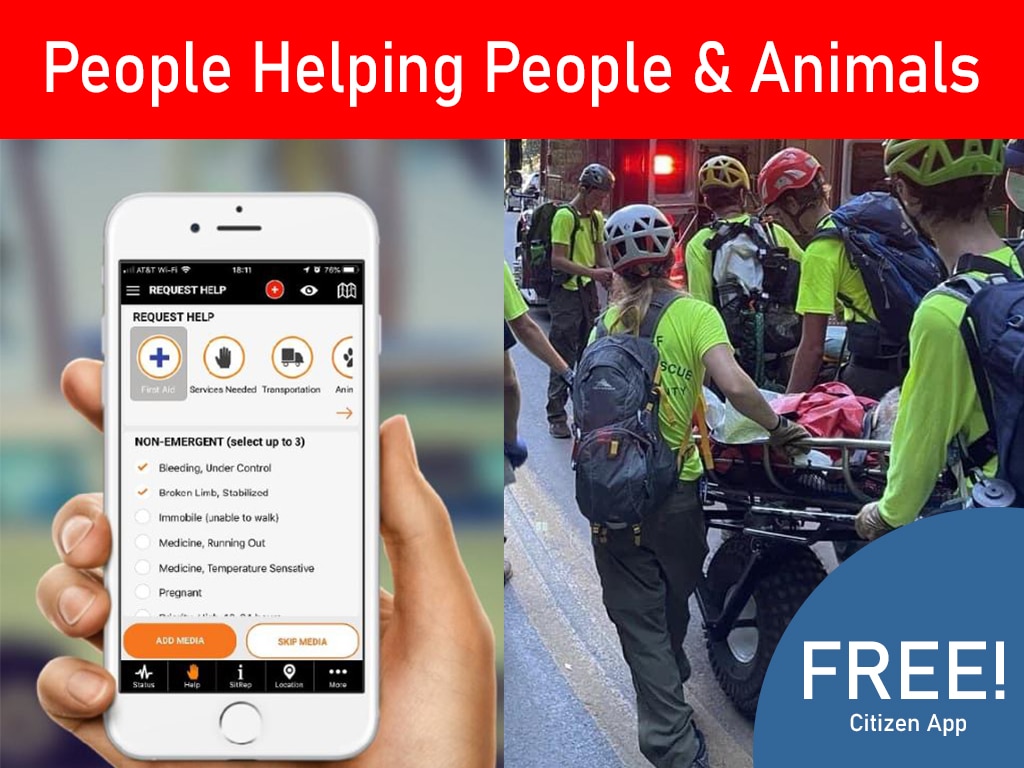
Citizen-facing reporting can expand situational awareness significantly. Residents are often the first to see flooded roads, downed trees, isolated neighbors, animal welfare concerns, or unsafe conditions. Their reports become more useful when they enter a structured workflow rather than an unmanaged message stream.
Capture Details That Support Decisions
A request with only a name and a general problem creates more work downstream. Intake forms should collect the information responders need to evaluate urgency and plan a safe response: location, contact method, type of assistance, household conditions, access constraints, special needs, and relevant notes.
The exact fields should reflect the organization and incident. A sheltering request requires different questions than debris removal, welfare checks, food delivery, or animal evacuation. Configurable forms help agencies avoid collecting unnecessary personal information while ensuring mission-critical details are available when needed.
This is also where trade-offs matter. Asking too few questions can leave field teams unprepared. Asking too many can discourage residents from reporting or delay a time-sensitive request. The best intake design uses short, plain-language questions, then gives trained staff a way to add detail during verification.
Triage, Verify, and Set Priorities
Not every request can be handled in the order received. A system should help teams distinguish between immediate life-safety concerns, urgent welfare needs, routine resource requests, and information-only reports. Clear categories and status values reduce ambiguity across dispatch, field operations, and partner organizations.
Verification is equally important. A request may be incomplete, outdated, duplicated, outside the organization’s mission, or already being handled by another agency. Intake software should make it easy to document outreach attempts, confirm conditions, escalate critical issues, and record why a request was redirected or closed.
Priority rules should guide judgment, not replace it. A household without transportation may need fast support, but road conditions, responder availability, weather, and local emergency protocols will determine the safest course of action. The platform should give coordinators the context to make informed decisions and document them.
From Request to Assigned Mission
A request is not truly managed until someone owns the next action. This is where generic forms and ticketing tools often fall short. They can record a problem, but they do not always connect it to qualified volunteers, available resources, work orders, dispatch activity, and field visibility.
Effective disaster help request intake software turns a validated request into an operational assignment. Coordinators should be able to create a work order or mission, assign the right personnel, communicate instructions, and track progress without copying information between systems.
For example, a flooded home may generate a request for a welfare check, temporary shelter information, and later, damage-assessment follow-up. These may involve different teams and occur over several days. The original intake record should remain connected to each action so staff can see what happened, who responded, and what remains unresolved.
Match Work to Qualified People
Disaster operations depend on people, but not every volunteer should receive every assignment. Teams need visibility into who is available, trained, credentialed, and appropriate for the task. A chainsaw mission, a medical support request, and a supply delivery each carry different requirements.
When help requests connect to volunteer records, certifications, training, and availability, coordinators can make safer assignments. This also supports accountability. Supervisors can verify who accepted a mission, when they deployed, and whether the work was completed or reassigned.
PubSafe brings these connected workflows into one operational portal, combining help requests with volunteer management, work orders, dispatch activity, mapping, alerts, and community reporting.
Keep the Operational Picture Current
A list of open requests is useful. A mapped, live operational picture is more useful when leaders must allocate limited teams across a large area. Location-aware intake helps identify clusters of unmet needs, affected neighborhoods, blocked access routes, and emerging patterns that may require a broader response.
Status updates from the field should flow back to the request record quickly. If a team cannot reach an address, finds that the resident has relocated, or identifies a new hazard, command staff needs that information before dispatching another unit. The same visibility helps public information and partner agencies communicate accurately with the community.
Security and Accountability Cannot Be Afterthoughts
Help requests can contain sensitive personal details, health-related information, addresses, and notes about vulnerable populations. Storing those details in personal devices, open spreadsheets, or uncontrolled group chats creates unnecessary risk.
A cloud-based operational platform should provide secure access based on user roles, preserve records of activity, and keep information available to authorized personnel wherever they are working. For many organizations, this is as much about continuity as security. Disasters can disrupt offices, networks, and normal staffing patterns. Authorized teams still need access to current information from the field, an emergency operations center, or a partner location.
Accountability also builds public trust. Residents are more likely to report needs when they believe their information will be handled responsibly and their request will not disappear into a void. Even when an organization cannot provide a requested service, documenting follow-up, referral, or closure gives staff a defensible record and helps residents receive clearer guidance.
Build the Workflow Before the Next Incident
The most effective time to configure intake categories, response priorities, escalation paths, and assignment rules is before conditions deteriorate. Teams should practice how a citizen report becomes a verified request, how it reaches the right coordinator, and how outcomes are recorded.
Start with the requests your organization handles most often. Define what information is required, who reviews each category, which requests require immediate escalation, and what constitutes completion. Then test the workflow with a realistic exercise involving dispatchers, volunteer coordinators, field supervisors, and community partners.
Keep the process practical. If staff cannot use it under pressure, it is too complicated. If leaders cannot see pending needs and active missions without assembling reports from multiple sources, it is not providing the operational picture they need.
A well-designed intake process gives every resident a clearer path to ask for help and every responder a clearer path to act. When the next call, report, or field observation arrives, the community should not have to rely on who happens to see a message first.