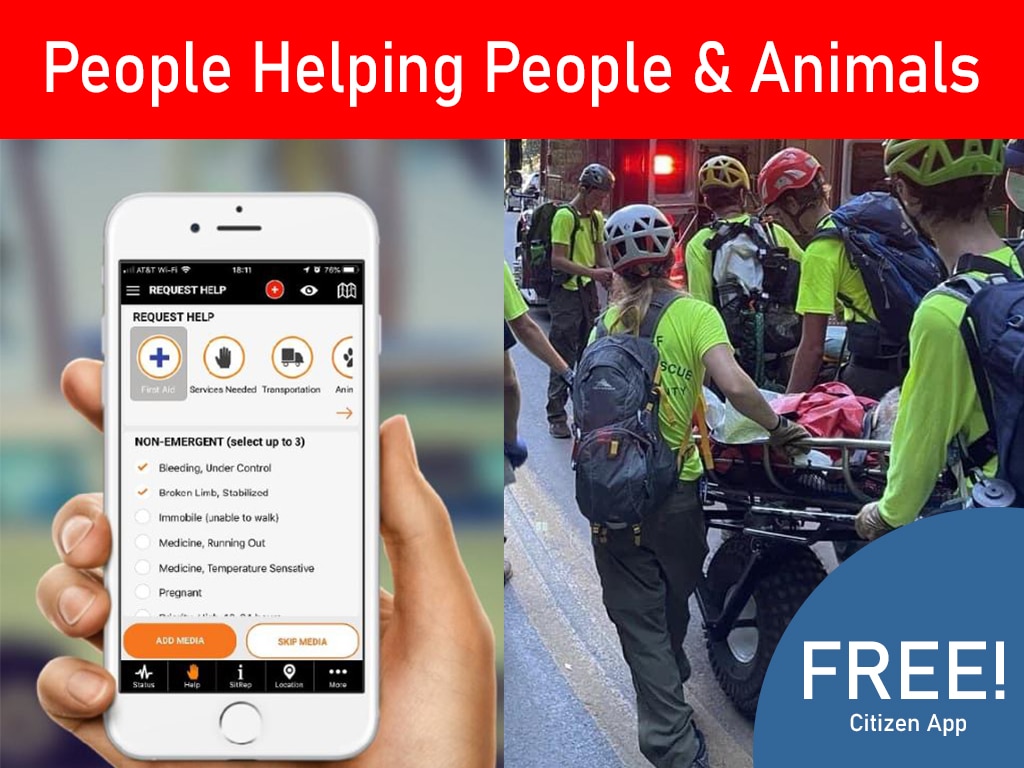
When a crisis hits, the first few hours are a flurry of fragmented information. Phone lines jam, different agencies work from separate playbooks, and well-meaning volunteers struggle to find where they’re needed most. This communication breakdown slows down response times and leads to duplicated efforts. A modern coordination app cuts through that noise, acting as a single source of truth for everyone involved. This guide will help you find the best platforms for coordinating crisis volunteers’ emergency response. We’ll walk through the essential features of these powerful disaster relief tools and show you how to prepare your community for a faster, smarter response.
Key Takeaways
- Connect everyone on a single platform: The most effective disaster response happens when citizens, volunteers, and agencies all see the same real-time information. A good app breaks down communication silos and creates a unified view for a more coordinated effort.
- Focus on core functional tools: Look past the bells and whistles for essential features like live incident mapping, simple tools for managing teams, and secure communication channels. These are the functions that matter most during a high-stress event.
- Integrate the app before a crisis hits: A response app is most powerful when it’s part of your existing strategy. Take the time to register organizations, train your teams on the software, and build your response plans directly within the platform to ensure everyone is ready to act.
How Do Disaster Response App?
A disaster response app is a digital tool designed to streamline communication and coordination during an emergency. Think of it as a central hub on your phone or computer that connects everyone involved in a crisis, from citizens reporting an incident to first responders and volunteer organizations managing relief efforts. Instead of relying on scattered information from different sources, these apps create a single, shared view of the situation. This helps everyone work together more effectively, ensuring that help gets to where it’s needed most, without delay. They are built to handle the chaos of a crisis by bringing order to communication and resource management.
Connecting Citizens, Responders, and Organizations
At their core, these apps are powerful connectors. They bridge the communication gaps that often appear during emergencies, linking individuals, volunteer teams, and official agencies on one platform. When a citizen reports a flooded street or a fallen tree, that information doesn’t just go into a void; it instantly becomes visible to registered response teams who can act on it. This creates a direct line between those who need help and those who can provide it. Effective volunteer coordination becomes much simpler when everyone can see the same map and communicate in one place, ensuring resources are deployed efficiently instead of being duplicated or misdirected.
Why Instant Communication Is a Lifeline
In a disaster, information that is even a few hours old can be dangerously out of date. Real-time data is critical because it fuels informed, on-the-spot decision-making. When response leaders have a live view of incident reports, available resources, and team locations, they can make smarter choices that save time, property, and lives. A shared platform with live data helps overcome one of the top challenges in disaster response: getting different agencies and organizations to work together seamlessly. This immediate flow of information ensures that alerts are timely and that guidance is always based on the most current ground truth.
Delivering Alerts in Seconds
When every second counts, waiting for a news report or hearing a distant siren isn’t enough. A disaster response app bypasses these delays by putting critical alerts directly into the hands of the people who need them, instantly. This isn’t about broadcasting a vague warning; it’s about sending targeted, actionable information. For example, an organization can push a notification to a specific response team about a newly reported hazard or send an evacuation notice to citizens in a precise location. This direct line of communication cuts through the noise, ensuring everyone can act on the same real-time information and turn a chaotic situation into a coordinated effort.
Understanding the Emergency Management Lifecycle
To appreciate how a disaster response app works, it helps to understand the established framework for managing emergencies. This isn’t just about the chaotic hours during a crisis; it’s a continuous cycle with distinct phases. Experts call this the emergency management lifecycle, and it provides a clear roadmap for communities to prepare for, react to, and recover from disasters. By breaking the process down, organizations can assign resources more effectively and build true resilience. Each phase flows into the next, creating a loop of constant improvement where lessons from one disaster inform preparations for the next one. This structured approach turns a reactive scramble into a proactive strategy.
The Four Phases of Emergency Management
The lifecycle is traditionally broken into four key phases: mitigation, preparedness, response, and recovery. Think of them as four pillars supporting a strong and stable structure of community safety. While the response phase gets the most attention, the work done in the other three is what truly determines how well a community will weather a storm. A weakness in any one of these areas can compromise the entire effort. Understanding how they fit together is the first step toward building a comprehensive and effective emergency plan for your organization or community.
1. Mitigation
Mitigation is all about reducing or eliminating the long-term risks that disasters pose. This is the proactive work done long before a crisis is on the horizon. It involves asking, “What can we do now to prevent a future emergency or minimize its effects?” Mitigation efforts can be structural, like enforcing stronger building codes in earthquake-prone areas or constructing flood barriers along coastlines. They can also be non-structural, such as public education campaigns about wildfire risks or creating zoning regulations to prevent construction in hazardous zones. The goal is to lessen the impact of a disaster, making the subsequent phases more manageable.
2. Preparedness
While mitigation aims to prevent the disaster, preparedness is about getting ready to face it. This phase is all about planning and training for emergencies so you can respond effectively when one occurs. This is where your organization develops response plans, runs drills, and stockpiles necessary supplies. A critical part of modern preparedness is integrating your tools before you need them. For example, you can have your teams register on a platform like PubSafe, set up communication groups, and familiarize everyone with the software. When your tools are part of your plan, your team can act with confidence instead of learning on the fly.
3. Response
The response phase is the one we see on the news. It’s the immediate, hands-on reaction to an active emergency. This phase involves the mobilization of resources and personnel to protect lives, property, and the environment. It’s about search and rescue, firefighting, providing emergency medical care, and setting up shelters. This is where a unified communication platform becomes absolutely essential. The ability for citizens to report incidents, for volunteers to find where they are needed, and for agencies to coordinate their actions on a single, live map can dramatically speed up the response and ensure help is distributed efficiently.
4. Recovery
Recovery begins as the immediate threat subsides, but it is often the longest and most complex phase. The goal of recovery is to restore the affected area to a state of normalcy, or ideally, to build it back better and more resilient than before. This includes everything from clearing debris and repairing infrastructure to providing financial assistance and mental health support to those affected. A response platform can continue to provide value during recovery by helping organizations conduct and track damage assessments, manage long-term volunteer projects, and maintain clear communication with the community about the rebuilding process.
Beyond the Four-Phase Model
While the four-phase model provides a solid foundation, modern crisis management recognizes that these phases aren’t always linear or distinct. They often overlap, and the key to a successful operation is the thread that runs through them all: communication. Effective response requires integrating real-time data and communication tools to enhance coordination across every phase. Technology acts as the nervous system of the entire lifecycle, allowing information from the response phase to inform recovery efforts, which in turn highlights new opportunities for mitigation and preparedness. A platform that connects all stakeholders ensures that insights are shared and the cycle leads to genuine improvement.
The Full Spectrum of Crisis Management Tools
A disaster response app is a powerful asset, but it’s one component of a broader ecosystem of crisis management tools. To build a truly resilient operation, organizations need a variety of solutions to handle different aspects of an emergency. These tools cover everything from keeping your internal team aligned to managing how your story is told to the public. When you have the right tools for each job, you can ensure that information flows smoothly, decisions are well-informed, and your response is as effective as possible. Let’s look at the main categories of tools that complete this picture.
Internal Employee Communication Platforms
Before you can help the public, you have to get your own house in order. Internal communication platforms are designed to keep your team members, staff, and volunteers informed and coordinated. As one expert notes, without the right tools, “there can be confusion, chaos, and damage to a company’s reputation.” In a disaster context, this means ensuring your own responders are safe, have clear instructions, and aren’t duplicating efforts. A platform with dedicated team management features allows you to create secure communication channels, assign tasks, and track your personnel in the field, creating a clear and organized internal response.
Public Relations and Media Management Tools
During a crisis, the story can get away from you quickly. Misinformation spreads fast, creating panic and hindering response efforts. That’s why effective communication with the public and media is so important. Public relations tools help organizations manage the official narrative by distributing press releases, monitoring social media for rumors, and providing a single source of truth for public inquiries. While a response app’s main job isn’t PR, the verified, real-time data it generates is invaluable. This ground-truth information can be fed to your communications team, enabling them to provide accurate, timely updates that build public trust.
Comprehensive Incident Lifecycle Management Systems
The most effective approach is to use a system that supports the entire emergency lifecycle. As HazNet points out, comprehensive models use the “four pillars” but also “emphasize the importance of integrating technology for real-time data and communication.” This is where a platform like PubSafe shines. It’s more than just a map; it’s a comprehensive system designed to see an incident through from start to finish. It allows you to manage preparedness by registering teams, handle the response with live incident reporting, and support recovery with tools for damage assessment. By connecting citizens, volunteers, and official agencies on one platform, it creates a unified effort that spans the entire lifecycle.
Choosing the Best Platform for Emergency Response
When you’re evaluating different apps, it’s easy to get lost in a long list of features. But during an actual emergency, only a few things truly matter: getting the right information, coordinating your people, and communicating clearly. A great disaster response app is designed around these core needs. It acts as a central hub that connects everyone, from a citizen reporting a downed power line to an agency directing a large-scale response. Let’s walk through the essential features that make an app a reliable tool when it counts.
Look for Live Maps and Easy Incident Reporting
During a crisis, situational awareness is everything. The best apps empower community members to become part of the solution by allowing them to report incidents in real time. This information, when plotted on a live map, gives everyone a clear view of what’s happening and where. Instead of relying on scattered social media posts or delayed news, responders can see a dynamic picture of the event as it unfolds. This allows for faster, more accurate decision-making. Look for an app with a simple reporting process and a public-facing map that provides timely alerts and guidance to the entire community.
Advanced Data Visualization and Dashboards
While a live map is essential, a truly powerful tool goes a step further with advanced dashboards. Think of a dashboard as the command center for your entire operation. It pulls together all the critical data streams—new incident reports, volunteer check-ins, resource availability, and team locations—into a single, coherent picture. When response leaders have this level of insight, they can move beyond reacting to individual reports and start seeing the bigger picture. This is where a comprehensive platform makes all the difference. It provides the real-time data needed to anticipate needs, allocate resources strategically, and make smarter choices that protect the community and support the teams on the ground.
Tools for Coordinating Crisis Volunteers
A surge of people wanting to help is a common sight after a disaster, but without organization, that goodwill can turn into chaos. An effective app needs strong tools for managing people. This goes beyond a simple group chat. You should be able to register volunteers, assign them to specific teams, and dispatch them based on real-time needs. This ensures that the right people with the right skills are in the right place. Platforms designed for a coordinated response help you manage everything from planning and training before an event to deploying teams during one.
Keep Your Team’s Communication Secure
Clear, reliable communication can be the difference between a coordinated response and a confusing one. Public channels and standard messaging apps aren’t built for the specific needs of emergency management. A dedicated disaster app should provide secure, private channels where teams and organizations can communicate without worrying about misinformation or sensitive details becoming public. This builds a foundation for effective community collaboration, ensuring that every message is clear, direct, and seen by the right people. This is crucial for sharing updates, assigning tasks, and keeping everyone on the same page.
Key Security Safeguards to Look For
When you’re sharing operational plans or personal information about volunteers and affected citizens, that data needs to be protected. This is where strong security features become non-negotiable. Look for a platform that uses encryption to safeguard all communications and stored data. Encryption essentially scrambles your information, making it unreadable to anyone without the right credentials. Just as important are access controls. A good system lets you define who sees what, ensuring that sensitive details about a rescue operation or a volunteer’s personal phone number are only visible to the people who absolutely need them. This level of security is crucial for maintaining trust and protecting everyone involved in the response effort.
Prioritize Offline Access and an Intuitive Design
In many disasters, power outages and downed cell towers are a given. An app that relies entirely on an internet connection will fail when you need it most. Look for tools that offer offline functionality, such as pre-loaded maps, checklists, and contact information that you can access without a signal. Equally important is an intuitive design. During a high-stress event, no one has time to figure out a complicated interface. The app should be simple enough for a first-time volunteer to install and use effectively with minimal instruction.
Does It Integrate With Your Current Systems?
Emergency response is a team sport, but often, different agencies and organizations operate in their own silos with their own systems. This is a major challenge in coordinating a large-scale effort. A truly valuable app will serve as a bridge, allowing various groups to work together on one platform. It should be built to connect public safety agencies, NGOs, CERT teams, and citizen volunteers. This creates a unified view of the situation, breaking down communication barriers and helping everyone work toward the same goal. The ability for any organization to register and collaborate is a key feature to look for.
Evaluate Advanced Features like AI and Automation
While core features are the foundation, some platforms are beginning to incorporate artificial intelligence and automation to make response efforts even smarter. These aren’t just buzzwords; they are practical tools that help teams process massive amounts of information and streamline repetitive tasks. When hundreds of incident reports are flooding in, AI can help identify patterns and prioritize the most critical events, allowing human leaders to focus their attention where it’s needed most. Automation can handle routine communications and assignments, freeing up personnel for hands-on work. Evaluating these advanced features can show you which platforms are truly built for the future of emergency management and how they work to create a more intelligent response.
Predictive Analysis for Proactive Planning
Predictive analysis uses data to forecast potential outcomes and identify areas of high risk before a disaster fully unfolds. By analyzing information like weather patterns, terrain, and historical event data from sources like a public map, a platform can highlight which neighborhoods are most likely to flood or which communities might become isolated. This allows your team to shift from a purely reactive stance to a proactive one. Instead of waiting for calls for help, you can pre-deploy resources, issue highly targeted warnings, and plan more effective evacuation routes. This foresight is invaluable, turning your response plan into a strategic advantage that helps you stay one step ahead of the crisis.
Automated Workflows to Reduce Human Error
During a chaotic event, manual processes can lead to mistakes and delays. Automated workflows help minimize these risks by handling routine tasks consistently and instantly. For example, an app can be configured to automatically assign a new incident report to the nearest available team or send a confirmation message to a volunteer once they’ve completed a task. This reduces the administrative burden on coordinators and ensures that no request is accidentally overlooked. By automating key parts of your disaster response platform, you create a more efficient and reliable system that frees up your team to solve complex problems and make critical, in-the-moment decisions.
Strategic Planning for Platform Adoption
Choosing the right app is just the first step. To truly make it a cornerstone of your emergency preparedness, you need a solid plan for rolling it out. This means thinking about your budget, how the platform will grow with you, and what success will actually look like. A little strategic planning now ensures that when a crisis occurs, the tool is already an integrated part of your response, not another problem to solve. Let’s break down the key considerations for bringing a new disaster response platform into your organization.
Budgeting and Understanding Pricing Models
When you’re looking at software, it’s important to understand the full financial picture. Some platforms charge per user, while others offer tiered plans with different feature sets. Dig into what’s included in each price point and be on the lookout for one-time costs for setup, data migration, or specialized training. While many powerful tools require a budget, some platforms offer a strong foundation for free. For example, PubSafe allows any organization to register and use the core platform at no cost, which is a huge advantage for volunteer groups and NGOs working with limited funds. This lets you build your response network without a major upfront investment.
Ensuring Scalability and Customization
Your needs will change over time. A small CERT team might grow into a regional force, or a single disaster could require you to suddenly manage hundreds of new volunteers. Your chosen platform must be able to scale with you, handling more users and a larger volume of data without slowing down. It should also offer some level of customization. Look for options to tailor dashboards, alerts, and reports to fit your specific operational needs. A flexible disaster response platform allows different types of organizations, from public agencies to grassroots mutual aid groups, to adapt the tool to their unique workflows, making it more effective for everyone involved.
Measuring Success with KPIs and ROI
How will you know if the platform is actually making a difference? Before you even start, define your Key Performance Indicators (KPIs). These are the specific metrics you’ll track to measure success. For disaster response, this could include things like how quickly your teams acknowledge an alert, the average time it takes to complete assigned tasks, or even qualitative feedback on how smoothly communication is flowing between different groups. Tracking these numbers helps you demonstrate the return on investment (whether that’s time or money) and gives you concrete data to refine your processes for the next event. It turns your response efforts into a cycle of continuous improvement.
Crisis Management vs. Project Management Software
It can be tempting to try and adapt a tool you already use, like a project management app, for disaster response. However, there’s a fundamental difference between the two. Project management software is built for planned, predictable work with clear timelines. Crisis management software is designed for the exact opposite: urgent, chaotic, and unpredictable events. These platforms have specialized features you won’t find elsewhere, like instant mass alerts and the ability for the public to report an incident directly onto a live map. Using the right tool for the job is critical when every second counts.
How Mobile Tools Improve Coordinated Emergency Response
When a disaster strikes, clear and coordinated action is everything. In the past, response efforts were often hampered by fragmented communication, with different teams working in silos. One agency might have crucial information that another desperately needs, but no easy way to share it. This is where modern disaster response apps completely change the game. They act as a central hub, connecting everyone involved, from official responders and NGOs to community volunteers and affected citizens. By bringing all stakeholders onto a single platform, these apps create a more cohesive and effective response, ensuring that help gets where it’s needed most, without delay. This shift from scattered efforts to a unified strategy is one of the biggest advancements in emergency management. Instead of relying on phone trees and radio chatter that can easily get confused, teams can share updates, requests, and reports in one place. This means less time spent trying to find the right information and more time spent taking meaningful action. The right app can transform a chaotic situation into a structured, collaborative effort.
Get a Single, Unified View for All Teams
Imagine trying to solve a puzzle, but every person has a different set of pieces and no one can see the full picture. That’s often what disaster response looks like without a central tool. A good coordination app provides a unified view, or a common operating picture, for every person involved. Disaster support mobile apps are essential for sharing timely alerts and guidance with communities. When a volunteer reports a flooded street on the app, that information instantly appears on the same public map that emergency managers and first responders are monitoring. This shared, real-time awareness ensures everyone is working from the same playbook, reducing confusion and preventing teams from accidentally duplicating efforts or missing critical needs.
Deploy Volunteers and Resources Faster
In an emergency, every second counts. The ability to quickly deploy resources and volunteers can make a life-or-death difference. Apps accelerate this process by turning real-time information into actionable intelligence. As one report notes, this data “feeds the decision-making machine which initiates a response.” Instead of relying on slow, word-of-mouth updates, command centers can see needs pop up on a map and immediately assign the nearest available team. This is especially powerful for volunteer coordination, allowing organizers to filter volunteers by skill set and location to dispatch the right people to the right place at the right time.
Streamline Communication Between Agencies
Disaster response is a team sport, but it’s hard to play as a team when everyone is using a different communication system. Apps break down the traditional silos between government agencies, non-profits, and community groups. By providing a shared channel for communication and team management, these platforms foster collaboration. As one relief organization explains, “By partnering with these groups, we can quickly identify those in need and deliver aid more effectively.” This collaborative environment also empowers citizens to become active participants, reporting incidents and needs directly, which helps agencies direct resources with greater precision and care.
Comparing the Best Platforms for Coordinating Crisis Volunteers
With so many options available, it can be tough to figure out which disaster response app is right for you or your organization. The best choice often depends on your specific role. Are you an individual looking for safety alerts, or are you part of a team that needs to coordinate a large-scale response? Different apps are built for different purposes. Some excel at broadcasting official information, while others are designed to connect entire communities. Let’s look at a few of the top apps and what they do best.
PubSafe: Best for Community-Wide Coordination
PubSafe is built to connect everyone involved in a response, from citizens on the ground to official agencies and volunteer teams. It creates a shared, real-time view of an emergency, so all stakeholders are working with the same information. Citizens can use the free app to report incidents, which then appear on a live map for responders to see. This platform is especially powerful for organizations that need to manage volunteers and deploy resources effectively. By enabling seamless communication and data sharing, PubSafe helps streamline the entire response effort, from initial planning and training exercises to post-disaster damage assessment.
FEMA App: Your Source for Official Alerts
The FEMA App is an essential tool for personal and family preparedness. Its primary function is to deliver credible, real-time alerts from the National Weather Service for up to five locations you choose. This means you can stay informed about severe weather or other emergencies affecting your home, your workplace, or your loved ones. Beyond alerts, the app is packed with practical resources from Ready.gov, offering safety tips for various types of disasters, checklists to help you prepare, and information on how to apply for federal disaster assistance. It’s a straightforward, reliable source of information directly from the federal government.
Red Cross Apps: Essential for Humanitarian Aid
The American Red Cross offers a suite of mobile apps focused on humanitarian aid and specific emergency situations. Their main Emergency App provides customizable alerts for natural disasters and offers step-by-step guidance on what to do before, during, and after an event. It also includes features like an “I’m Safe” notification you can send to friends and family. In addition to their all-in-one app, they offer specialized apps for First Aid, Pet First Aid, and specific disasters like hurricanes and tornadoes. These tools are great for getting practical, life-saving information from a trusted humanitarian organization when you need it most.
Your Action Plan: Preparing Your Community with an App
Having a disaster response app is a great first step, but its true power comes from the work you do before an emergency happens. Proactive preparation is what transforms a reactive tool into a strategic asset for community resilience. When you take the time to set up your teams, plans, and resources within the app ahead of time, you ensure a faster, more coordinated, and ultimately more effective response when every second counts. Think of it as building the digital infrastructure for your emergency operations.
Instead of scrambling to find volunteers or figure out communication channels in the middle of a crisis, you can activate a well-rehearsed plan with the tap of a button. This involves more than just downloading an app; it’s about integrating it into your community’s emergency preparedness culture. By getting volunteers registered, training your teams, building out response plans directly within the platform, and continuously refining those plans with community feedback, you create a solid foundation. This approach ensures everyone, from official responders to citizen volunteers, knows exactly what to do when disaster strikes. You can see how PubSafe works to support this entire lifecycle of disaster management.
Register Your Volunteers and Organizations Ahead of Time
When an emergency hits, you don’t have time to vet volunteers or track down contact information for local aid groups. That’s why getting individuals and organizations registered in your response app beforehand is so important. Creating a database of willing volunteers and partner organizations allows you to see who is available and what skills or resources they offer. By partnering with these groups early, you can quickly identify those in need and deliver aid more effectively.
Encourage local CERT teams, non-profits, and faith-based groups to complete an organization registration in the app. At the same time, run a campaign asking community members to sign up as potential volunteers. This simple step builds a ready-to-deploy network, saving critical time and enabling your team to focus on the response itself.
Train Your Team Before an Emergency Strikes
A powerful tool is only useful if your team knows how to use it. Waiting until a crisis is unfolding is the worst time to learn new software. Regular training sessions are essential to ensure every member of your response team is comfortable with the app’s features. They need to know how to report incidents, communicate securely, and manage assigned tasks without hesitation. Responders need the right tools and training to be effective under pressure.
Schedule drills and simulations that require your team to use the app to solve problems. Practice assigning tasks, sharing updates, and tracking resources. This hands-on experience builds muscle memory and confidence. With this preparation, you can make sure everyone understands their roles and responsibilities within the digital response environment long before it’s put to a real-world test.
Build Your Response Plan Within the App
Your disaster response plan shouldn’t live in a binder on a shelf. By building it directly within a disaster app, you create a dynamic, accessible, and actionable guide for your entire team. Use the app’s features to map out evacuation routes, identify locations for shelters and distribution points, and assign specific tasks to different teams based on various disaster scenarios. This makes the app a central hub for conveying timely alerts and providing recovery guidance.
For example, you can create templates for different types of events, like floods or wildfires, with pre-loaded checklists and assignments. When an incident occurs, you can activate the relevant plan instantly from your disaster response platform. This ensures a consistent and organized response, even in a chaotic situation, and allows everyone to see the same operational picture and work together seamlessly.
Refine Your Plan with Community Feedback
The people who know a community best are the ones who live there. An effective disaster plan incorporates local knowledge and addresses the specific needs of its residents. After you’ve drafted your initial plan within the app, share it with community leaders, local businesses, and the public to gather feedback. Engaging with these partners can significantly enhance recovery efforts and build trust.
These stakeholders can point out potential gaps, like a neighborhood with a large elderly population that may need extra help evacuating or a road that consistently floods. This feedback is invaluable for refining your strategy. It also fosters a sense of shared ownership, making residents more likely to participate in preparedness efforts and follow guidance during an emergency. This collaborative approach strengthens your plan and your community’s overall resilience.
Related Articles
- Disaster Response Platform | Community‑Driven Emergency Coordination | PubSafe
- PubSafe Mobile App for Emergency Action Plans & Management
- PubSafe Mobile App for Emergency Action Plans & Management
Frequently Asked Questions
What’s the real difference between a coordination app like PubSafe and an alert app like FEMA’s? Think of it this way: The FEMA app is like a broadcast radio, giving you official alerts and safety tips, which is incredibly important for personal preparedness. A coordination app like PubSafe is more like a two-way radio for the entire community. It not only pushes information out but also allows citizens to report issues and helps organizations manage volunteers and resources in real time. One is for staying informed, while the other is for getting organized and taking action together.
Can I use a disaster response app if I’m not part of an official team? Absolutely. In fact, community involvement is what makes these apps so powerful. As an individual, you can use an app like PubSafe to report incidents you see, like a blocked road or a request for help. This provides critical, on-the-ground information to response teams. You can also register as a volunteer so that when a need arises, organizations can connect with you. You become an essential part of the community’s eyes and ears.
What happens if cell service or the internet goes down? Do these apps become useless? This is a critical point, and the best apps are designed with this reality in mind. While real-time communication requires a connection, many top-tier apps have offline features. This means you can often access pre-downloaded maps, checklists, and contact information even without a signal. Once your connection is restored, the app can sync the latest data, but it won’t leave you completely in the dark when networks are down.
Our organization already has a detailed emergency plan. Why do we need to put it into an app? A paper plan is a great start, but an app makes that plan dynamic and accessible to everyone in the field. Instead of relying on a binder that sits in an office, integrating your plan into an app puts it directly into the hands of your team members. You can update it in real time, assign tasks digitally, and track progress on a shared map. It transforms your static plan into a living, actionable guide that adapts to a crisis as it unfolds.
How exactly does an app speed up the process of getting help to people who need it? It all comes down to removing the communication delays. Without a central app, information travels slowly through phone calls or radio dispatches, and it can get distorted along the way. With an app, a citizen’s report of a need instantly appears on a map for every relevant organization to see. An emergency manager can then see which volunteer team is closest and has the right skills, and dispatch them with a single click. This direct line from need to action cuts out the middlemen and gets resources moving much faster.