School preparedness is not measured by how many alerts a team can send. It is measured by whether administrators, staff, families, and local responders can follow the same plan. Share timely information, account for people, and keep working when an incident disrupts normal routines.
What Should Emergency Management Software for Schools Help You Do?
Emergency management software for schools should connect preparedness plans with daily coordination, incident communication, accountability, reunification, drills, documentation, and responder collaboration. It should support the school Emergency Operations Plan, not replace it.
Schools searching for emergency management software for schools are usually looking for more than an alerting tool. The practical question is whether a platform can help administrators, safety coordinators, and staff prepare together. Families and local responders also need dependable information and clear responsibilities during an incident. That makes the buying decision an operations question, not simply a technology question.
Start with the school or district’s emergency operations plan, or EOP. Software should support the plan, not replace it. Federal school preparedness guidance emphasizes collaboration with local government and community partners. It also supports forming a collaborative planning team and maintaining the plan over time. See Ready.gov’s planning materials for organizations serving children and youth for related resources.
That distinction matters during selection. A platform may organize contacts, assignments, incident updates, documents, and reports, but the district still owns its policies, decision authority, hazard analysis, and coordination agreements. The tool should make approved procedures easier to find and use under pressure. It should not imply that a digital workflow automatically satisfies a district requirement or replaces emergency services.
Define the work before comparing features
Map the workflow from routine readiness through response and recovery. Who creates or updates the plan? Who needs access to an evacuation or communications procedure? How will a principal, district coordinator, responder, or support organization receive an assignment? Where will staff record changing conditions, requests, or status updates? What information must remain available after the event for review and improvement?
A useful evaluation should produce evidence, not just a feature checklist. Ask vendors to demonstrate a realistic scenario, such as a severe weather closure that becomes a campus evacuation. Watch whether the platform helps the team locate the right plan, communicate an update, assign responsibilities, record incoming information, and preserve a usable incident history. It should also be clear which functions are verified capabilities and which remain part of the district’s own procedures.
- Faster access to current plans, contacts, assignments, and status information.
- Clearer handoffs between school leaders, district staff, and community partners.
- Less dependence on scattered messages, outdated files, or informal memory.
- Better evidence for exercises, after-action review, and plan maintenance.
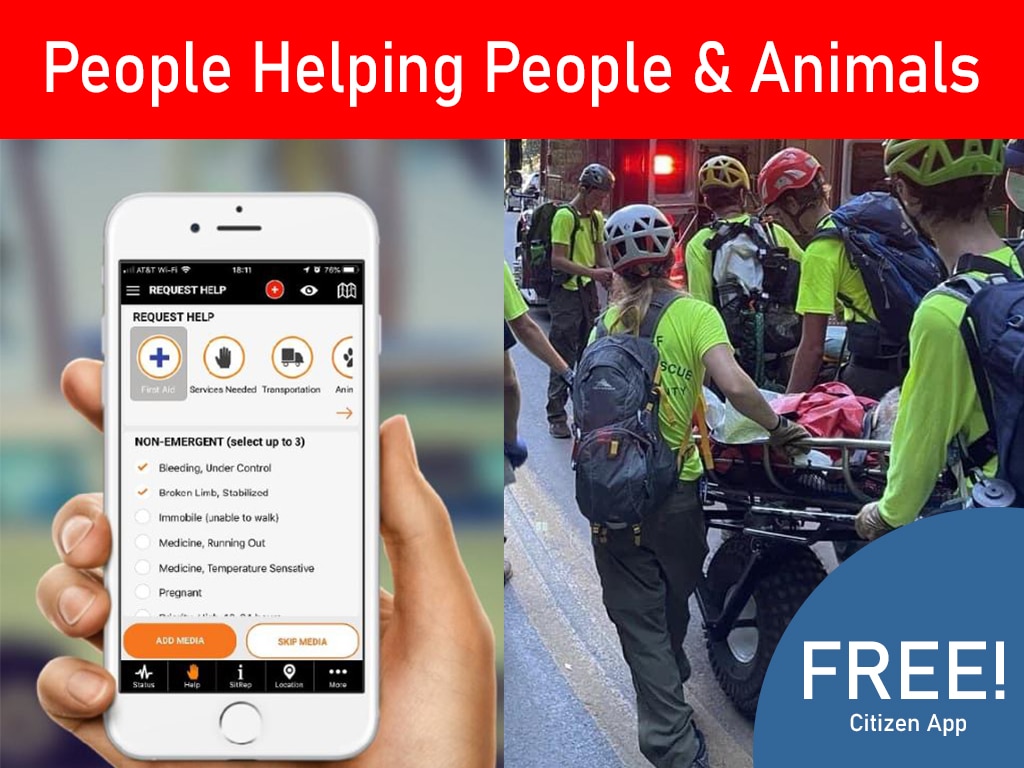
For a broader view of coordinated incident reporting, volunteer coordination, and situational awareness, review how PubSafe works. PubSafe serves community and emergency management organizations broadly, so school teams should verify fit for their own workflows rather than assume the platform is school-specific.
Which Planning and Communication Features Matter Most?
Strong school emergency management software should help a planning team turn an emergency operations plan into usable, shared workflows. School emergency plans commonly organize cross-hazard functions such as evacuation, communications, and recovery into usable procedures. Look for tools that keep those functions connected, rather than storing a plan as a document that few people can access or update.
Collaboration is the first requirement. The platform should give authorized planners a practical way to assign responsibilities, record decisions, maintain contact information, and keep preparedness work moving between meetings. It should also support communications and warning procedures that can be reviewed, practiced, and maintained as plans change. The goal is not to replace the school’s official plan. It is to make the plan easier for the people responsible for carrying it out to understand and use.
Communication features should support more than a single alert. Evaluate whether the system can help teams coordinate timely updates across the channels their school community already relies on, while preserving a clear operational record. Families may need an initial warning, follow-up instructions, location changes, and status updates. Staff and administrators may need different details, permissions, or response assignments. A useful system helps teams manage those audiences without losing consistency or creating conflicting messages.
Responder coordination is equally important. Federal school preparedness guidance supports sharing relevant assignments, contact information, and emergency operations plan information with community partners. Joint planning should help partners understand the procedures that must work together during a real response. During evaluation, ask whether the software can support shared contacts, agreed workflows, and clear handoffs with local emergency managers, law enforcement, fire services, and other partners.
This is broader than a school district crisis communication plan, which can focus narrowly on message decisions and notification procedures. Compare platforms against the full planning cycle: collaborative preparation, warnings, family updates, staff coordination, and responder interoperability. Those connected workflows are the foundation of useful emergency management software for schools.
How Should Schools Handle Accountability and Reunification?
Accountability is more than taking attendance once. A school plan should define how staff account for students, employees, visitors, and others on site, how missing-person information reaches responders, and how status changes are recorded as conditions evolve. An accounting-for-all-persons function can give teams a shared process instead of leaving each classroom or department to improvise. That structure gives teams a shared process instead of leaving each classroom or department to improvise.
When evaluating emergency management software for schools, ask whether the platform can support the school’s approved workflow without becoming the source of truth for student records. The system should make assignments, status updates, and escalation paths clear to authorized users. It should also fit the district’s existing emergency operations plan and coordinate with local responders. The goal is consistent execution, not a replacement for official plans, emergency services, or student information systems.
Build verification into the release process
Reunification should be designed as a controlled release, not simply a crowd-management exercise. Federal family reunification guidance recommends a written reunification process with trained personnel and systematic release after family members are verified through student records. A practical workflow separates student assembly, family check-in, waiting, and reunification areas. Clear separation helps staff protect privacy, reduce confusion, and identify exceptions that require additional review.
Software can help teams see which role owns each step, preserve an operational record, and surface unresolved cases to the right supervisor. It should not be presented as a student-accountability or reunification system unless those capabilities have been specifically verified. Before selecting a product, confirm how it interoperates with the district’s approved records and what happens when connectivity, staffing, or site access is limited.
Plan for people who are not yet reunified
Reunification may take several hours or require overnight coordination. Community-wide incidents can add further communication and logistical demands. The plan therefore needs role clarity across school leaders, teachers, family-check-in staff, transportation or site teams, law enforcement, fire services, and behavioral or mental health support. A sample reunification plan can also identify an individual assistance area where trained staff deliver difficult information and provide support.
Families should participate in planning and exercises so expectations are understandable before an incident. Review logistics, supplies, authorized-release procedures, and care arrangements for students and staff who remain at the site. Teams can also use incident command system principles to clarify authority, assignments, and coordination with partners. A platform is useful only when it reinforces those agreed roles and keeps the human process visible from initial accounting through continued care.
Ready.gov planning materials provide related source material for testing these procedures with staff, families, and community partners.
Why Do Accessibility and Family Communication Belong in the Requirements?
A school emergency plan is only useful when students, staff, and families can receive, understand, and act on its information. That makes accessibility more than a communications preference. It is an operational requirement to examine during a software evaluation, alongside the channels used, the audiences reached, and the support available when normal routines change.
Use the platform review to ask whether messages can be adapted for people with different access and functional needs. Consider hearing, vision, mobility, cognitive, medical, and language-related needs without assuming that one channel works for everyone. The federal higher-education planning guide is not a school mandate. But it offers a useful planning principle: assess accessibility across facilities and plan for effective communication through options such as interpreters, captioning, and accessible information technology. It also highlights the need to consider accessible transportation, evacuation equipment, and medical supplies when reviewing resources. Read the source guidance and adapt the questions to your district’s plans and local requirements.
In practice, a requirements checklist might ask:
- Can the team send information through more than one appropriate channel?
- Can alerts and updates be presented in formats that support assistive technology and language access?
- Can staff record or review relevant access needs while protecting sensitive information?
- Can the school communicate changes to pickup locations, transportation, sheltering, or reunification procedures clearly?
Family communication should be planned before an incident, not improvised after one begins. Ready.gov’s youth preparedness curriculum emphasizes creating a family communication plan and keeping an emergency kit prepared in advance. Schools can reinforce that practice by explaining how families will receive updates, where they should find verified information, and how they can report changing needs or ask questions.
Review PubSafe’s guidance on accessible emergency alerts and disability-inclusive preparedness planning for additional planning ideas. The goal is not to claim that software alone creates an accessible emergency program. It is to choose tools that support inclusive procedures, clear family communication, and coordination with the people responsible for carrying out the official plan.
How Do Drills and Documentation Improve Readiness?
A plan becomes useful when people can perform their assigned roles under realistic conditions. School preparedness programs can include curricula, drills, and exercises for local hazards, while interactive simulations help participants practice responsibilities in scenarios that resemble actual emergencies. FEMA guidance emphasizes that evaluation should show whether a program is being delivered effectively, whether adjustments are needed, and whether it produces the intended actions. See the preparedness and evaluation guidance for the underlying planning principles.
Practice roles, not just procedures
A drill should test more than whether a message was sent or an alarm was heard. Assign participants clear responsibilities for communications, accountability, reunification, facilities, family information, and coordination with responders. Annual exercises conducted with staff, local law enforcement, fire agencies, and other community partners can expose gaps and clarify who does what. A software evaluation should therefore ask whether the platform can support an exercise record, capture assigned roles, and preserve observations without replacing the school emergency operations plan.
Keep the plan current and traceable
Plan maintenance is easier when every revision has a visible history. A strong plan-maintenance workflow should record the change date, author, and summary of what changed. A distribution record should also identify recipients, their agencies, delivery dates, and copy counts. Those details help teams determine which version partners received and prevent an outdated contact list or procedure from quietly becoming the working plan.
After each exercise, record what happened, which assumptions failed, and who owns each correction. Track follow-up actions to completion, then use the next exercise to test whether the fix worked. This creates a practical cycle of practice, evaluation, revision, distribution, and learning. It also gives school leaders and responders a shared record of readiness decisions grounded in observed performance, rather than confidence based only on having a document.
What Should Schools Ask About Permissions, Privacy, and Coordination?
A platform can support a school emergency program only when the right people can see and act on the right information at the right time. Before choosing emergency management software for schools, ask vendors to demonstrate how access, records, integrations, and partner coordination work in realistic scenarios. Treat privacy as a product-evaluation responsibility, not as an assumption that a platform automatically satisfies every district policy or legal obligation.
Can access be assigned by role and limited by need?
Ask whether administrators, school safety staff, teachers, facilities teams, volunteers, and external partners can receive different permissions. A useful demonstration should show how the system applies least-privilege thinking: each person gets the information and actions needed for their role, while sensitive records remain restricted. Ask how access changes when someone transfers schools, leaves a position, or joins an incident temporarily. Also clarify whether emergency access can be expanded quickly, who approves that change, and how it is removed afterward.
Request an audit history that shows sign-ins, permission changes, edits, acknowledgments, and other consequential actions. The history should be understandable to an administrator reviewing an incident or a plan update, not just a technical export. A useful benchmark when evaluating documentation workflows is whether the system identifies the date, author, and summary of each update. Related Ready.gov planning materials can support the review.
How is information handled and connected to existing work?
Ask what data the platform stores, where it is processed, how long it is retained, and how the district can export or delete it under its own policies. Clarify which fields are required, whether information can be segmented by school or team, and what happens when an account is disabled. Ask for plain-language documentation of backups, service interruptions, support access, and incident notification processes. Do not accept a broad privacy statement as a substitute for reviewing the district’s own requirements with the appropriate stakeholders.
Integrations deserve the same scrutiny. Ask whether the software connects to systems the school already relies on, what data moves between them, whether transfers are logged, and how an integration fails safely. A manual fallback should exist for a network interruption or unavailable system. The goal is continuity of critical coordination, not an impressive list of connectors.
Can responders coordinate without losing role clarity?
School planning guidance emphasizes collaboration with local government and community partners. Ask whether the platform can share relevant assignments, contacts, and emergency operations plan information with authorized responders, while keeping unrelated records private. FEMA’s NIMS resources offer a useful reference for shared terminology and coordination across response partners.
Finally, test a complete scenario with district staff and response partners. Have participants receive an assignment, exchange an update, record a decision, and continue when one person or one system is unavailable. A credible disaster response platform should make responsibilities and information flows easier to coordinate, while the school’s official plans and emergency services remain the foundation.
How Can a School or District Evaluate a Platform Before Choosing It?
Evaluate the platform against the work your school or district must perform before, during, and after an incident. A polished alert interface is not enough. The selection process should test whether the system helps people maintain plans, coordinate assignments, account for students and staff, communicate with families, and work with local responders. It should also fit the district’s existing emergency operations plan rather than attempt to replace it.
Start with a representative evaluation team. Include administrators, safety staff, teachers or support staff who would use the workflow, family-facing communications staff, information technology, and relevant community partners. Federal school preparedness resources emphasize forming a collaborative planning team and maintaining the plan over time. That makes cross-functional testing more useful than a single buyer’s demonstration. Review the related Ready.gov planning materials as a reference point.
- Map the district’s current plan, roles, and communication channels.
- Demonstrate a realistic incident with school staff and local responders.
- Record gaps, assign owners, and test the corrected workflow in a drill.
| Evaluation area | Evidence to request | Implementation questions |
|---|---|---|
| Planning and maintenance | A sample plan workflow, revision history, approval steps, and distribution record. | Who updates the plan, how are changes reviewed, and how do authorized partners receive the current version? |
| Communication and warning | A live demonstration using a realistic school scenario and the channels the district already relies on. | Can staff send clear updates, receive information back, and verify what was communicated without creating conflicting messages? |
| Accountability and reunification | A walk-through of role assignments, status updates, family check-in, and authorized release processes. | How does the workflow support accounting for all persons and continued care for people who are not yet reunified? |
| Responder coordination | A joint exercise with local emergency management, law enforcement, fire, or health partners. | Can the district share relevant contacts, assignments, and procedures while preserving appropriate access controls? |
| Exercises and improvement | An after-action example showing observations, assigned improvements, owners, and due dates. | Can the team turn drill findings into maintained plan updates rather than leaving them in disconnected notes? |
| Access and continuity | Documentation for user roles, support, data export, integrations, and operation during likely disruptions. | What happens when staff change roles, connectivity is limited, or the district needs to recover its records? |
Do not accept a demonstration that uses only ideal conditions. Ask the vendor to run a scenario involving a changing incident, incomplete information, multiple schools, and a responder handoff. Test the steps that are easy to overlook, such as documenting who changed a plan and when, keeping families informed while facts develop, and preserving a clear record for later review. Planning resources identify change records, distribution records, communications and warning, and accounting for all persons as practical considerations. Your evaluation should therefore examine evidence of those workflows, not just feature names.
Finally, define a small pilot with measurable acceptance criteria. Include the people who will operate the process in a drill, gather their observations, and record what required workarounds. Consider whether the platform supports the district’s broader coordination model, including community volunteers where relevant, instead of creating another isolated channel. A disaster response platform may be worth evaluating when the requirement extends beyond one-way notifications to incident coordination. Choose only after the team can explain how the system will be governed, maintained, practiced, and improved.
Frequently Asked Questions
What are the best school emergency notification systems?
The best system is one that supports the school’s full communication workflow, not just one-way alerts. Evaluate whether it can reach the right audiences through multiple channels, support accessible and multilingual messaging, document what was sent, and help staff receive information from families and responders. It should also fit the school’s communications and warning procedures, which are core parts of emergency planning. Related Ready.gov planning materials can support the review.
What is the best app for school emergencies?
There is no universal best app. Start with the workflows your school must perform during an incident, such as accountability, role assignment, reunification, status updates, and coordination with local responders. Then test whether the app remains usable when staff are under pressure, permissions are clear, records are auditable, and families can receive practical instructions. The app should support the official school plan rather than replace trained personnel or emergency services.
What is the best software for emergency management?
The strongest option is the one that connects preparedness, response, and improvement in a single operating workflow. Look for collaborative plan maintenance, documented changes, exercise follow-up, controlled access, responder contacts, and tools that help account for people and manage reunification. Federal guidance describes school planning as a process that moves from forming a collaborative team through implementation and maintenance. So evaluate the platform across the full lifecycle rather than one feature.
Is the EAS system still used?
Yes. The Emergency Alert System remains part of the broader public warning environment, but schools should not treat it as their only communication path. School emergency planning should also define how administrators communicate with staff, students, families, district leaders, and local responders through channels appropriate to the incident. A school platform can organize those workflows, while official authorities continue to manage public alerts through their designated systems.
Ready to Strengthen Your School’s Emergency Coordination?
Choosing emergency management software is easier when your team can connect preparedness planning, communication, accountability, and responder coordination in one practical conversation. Contact PubSafe to discuss coordinated emergency management and community response workflows relevant to your organization. Contact PubSafe to explore the next step.