Emergencies can disrupt medication routines, mobility, transportation, and access to trusted caregivers in a matter of minutes. A plan that works for a healthy, independent adult may not fit a senior who uses a mobility device or relies on home health services. Older adults may also need help communicating and evacuating. The strongest plans begin before a warning is issued. They account for the disasters most likely in the community, identify who can provide help, and make important information available when normal services are interrupted. They also leave room for independence, so older adults know what to do and who will step in when assistance is needed. That balance becomes clearer when you examine why a senior’s health, social, and daily-support needs require more than a standard household checklist.
Why Emergency Preparedness for Seniors Requires a Specialized Plan
Effective emergency preparedness for seniors combines essential supplies with a personalized plan for medical needs, mobility, communication, transportation, and regular check-ins. Families and caregivers should build the plan with the older adult, practice it, and update it as needs change.
Emergency preparedness for seniors must account for health, mobility, communication, and social support, not just a stocked supply kit. Disasters can happen at any time, sometimes with little or no warning. Older adults are particularly vulnerable during and after emergencies, especially when a disruption affects medication routines, transportation, medical equipment, or access to daily assistance.
Preparedness gaps remain common. A 2021 National Council on Aging survey found that only 40% of older adults had a disaster kit ready. Supplies matter, but they are only one part of a reliable plan. A senior may also need a way to receive alerts, identify who will provide help, maintain contact with family, and decide whether staying home or evacuating is safer.
How Do You Plan Evacuation and Mobility for a Senior Loved One?
Start by understanding which emergencies are most common in your area, then make a decision plan before officials issue an evacuation order. Ready.gov recommends preparing to remain at home for at least two weeks or identifying how the older adult will evacuate safely. That plan should account for mobility devices, accessible transportation, medications, and the assistance needed to reach a designated destination.
Do not rely on one caregiver or one vehicle. Name a backup person who can provide daily assistance if the primary caregiver is unavailable. Keep both plans written down and share them with trusted family members or neighbors. An emergency alert system can help the support network respond quickly as conditions change.
| Option | Plan for |
|---|---|
| Stay in place | Two weeks of essentials, power needs, accessible supplies, and check-ins. |
| Evacuate | Transportation, mobility equipment, destination, route, and hands-on assistance. |
What Medical and Medication Supplies Should Be Ready?
Medical readiness starts with the supplies a senior uses every day, not just a generic first-aid kit. Keep at least a 3- to 7-day supply of essential medications on hand, and review expiration dates and refill timing regularly. Store a current medication list with dosages and prescribing information so a caregiver or responder can quickly understand what is needed. The Red Cross recommends this medication buffer for older adults: review its senior preparedness guidance.
Include copies of health insurance information, Medicare details, identification, and other important documents in the emergency kit. Keep them protected from water and accessible to a trusted caregiver. The Ready.gov guidance for older adults also recommends planning for medical-device power needs. Identify a safe backup power option for oxygen equipment, mobility devices, refrigerated medicine, or other essential equipment, and confirm how long it can operate.
During an outage, keep refrigerator and freezer doors closed to help preserve food and temperature-sensitive supplies. Follow medical guidance about medication storage if power remains unavailable.
How Do You Build a Communication and Check-In Plan?
A dependable communication plan gives seniors, family members, and caregivers clear instructions before an emergency disrupts normal routines. List primary contacts, backup contacts, and the steps everyone should follow after an alert. Ready.gov recommends including emergency contacts and a backup plan for medical device power needs in an older adult’s plan: https://www.ready.gov/older-adults.
Assign an out-of-state contact who can coordinate updates if local phone networks become congested. Practice the plan regularly so everyone knows who checks in, which channel to use, and what to do if someone does not respond. During an outage, a battery-operated or hand-crank radio can provide news updates when electricity is unavailable. Continue monitoring local news and official alerts for changing instructions.
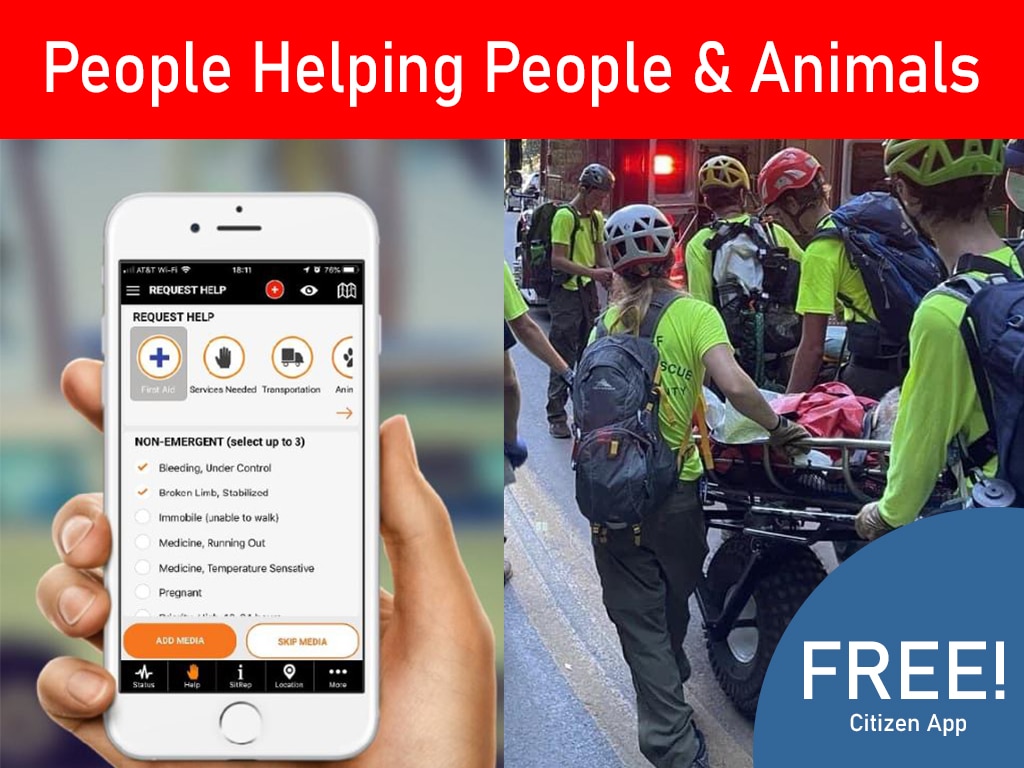
Technology can make the check-in process easier to manage. With the free PubSafe app, families and caregivers can use the check-in feature to mark seniors safe during an event. Pair it with a trusted emergency alert system so the right people receive timely information and can focus on anyone who still needs assistance.
How Do Caregivers and Neighborhoods Mark Seniors Safe in a Crisis?
A strong support network can make emergency preparedness for seniors more practical and responsive. Identify trusted friends, family members, neighbors, and caregivers who can help with transportation, medication, meals, mobility, or wellness checks. Ready.gov also recommends coordinating with a primary caregiver and creating a backup plan for daily assistance if that person becomes unavailable.
Use PubSafe’s free app to make check-ins visible to the people who need to know. A senior, caregiver, or neighbor can use the app’s check-in and status features to indicate that someone is safe. Family teams can coordinate updates in one place, reducing repeated calls and helping the group identify who may still need assistance. An emergency alert system can add another layer for time-sensitive notifications.
If a senior lives in assisted living or a nursing home, ask staff about their disaster preparedness and evacuation plans. Then test the family and neighborhood check-in process regularly, including backup contacts and alternate ways to communicate. Plans work best when everyone knows their role before a crisis begins.
Frequently Asked Questions
How can seniors prepare for a disaster?
Start by identifying the disasters most common in your area, then decide whether you can remain home or need an evacuation plan. Keep accessible supplies, medications, important documents, and a transportation plan ready. Ready.gov recommends planning to stay home for at least two weeks or identifying how you will evacuate safely.
What should be included in an emergency plan for older adults?
Include emergency contacts, communication methods, medical and mobility needs, medication information, transportation arrangements, and a backup plan if a caregiver is unavailable. Add a plan for medical-device power needs, and test the communication plan regularly with family, friends, or caregivers.
What should an emergency kit for seniors include?
Include water, food, medications, medical records, health insurance information, assistive devices, a flashlight, spare batteries, and a battery-operated or hand-crank radio. The CDC recommends keeping at least a three-day supply of water, while the Red Cross advises keeping at least three to seven days of essential medications available.
How can seniors get help evacuating during a disaster?
Arrange transportation and identify trusted people who can help before an emergency occurs. Ask local emergency management officials whether an evacuation assistance registry is available, and tell your support network about mobility, medical, and communication needs. If you live in assisted living or a nursing facility, ask staff about its emergency and evacuation plans.
Ready to Help Seniors Stay Connected During Emergencies?
A clear check-in plan can help families and caregivers coordinate support when normal communication is disrupted. The free PubSafe app gives your network a practical way to stay connected and mark seniors safe during an emergency. To learn how PubSafe can support your preparedness plan, contact the PubSafe team.