A shelter opens with fewer cots than expected. A road closure changes the delivery route. Resident reports point to flooding in an area crews have not reached. In those moments, emergency response operations manager responsibilities become visible: turn changing information into organized action while protecting responders, residents, and the mission.
This role is not simply a logistics position or a communications position. It connects planning, people, resources, field activity, and community intelligence into one operating picture. Whether the organization is a local emergency-management office, CERT program, volunteer organization, or nonprofit disaster team, the operations manager helps ensure that urgent work is assigned, tracked, and completed with accountability.
What the Role Owns During an Incident
An emergency response operations manager creates order without slowing down the response. They establish operating rhythms, clarify priorities, maintain visibility across teams, and make sure the right people can act on reliable information. Their work may sit within an Incident Command System structure, but the exact authority depends on the organization, incident scale, and assigned command roles.
For a small local incident, one manager may coordinate volunteers, dispatch, public updates, and resource requests. During a larger activation, those functions may be distributed among operations, planning, logistics, finance, and public information staff. The responsibility remains the same: keep execution connected to the incident objectives set by leadership.
A strong operations manager does not replace the incident commander. They make the commander’s priorities actionable by translating them into assignments, operational periods, staffing needs, and clear field coordination.
Core Emergency Response Operations Manager Responsibilities
Build and maintain situational awareness
Response decisions are only as sound as the information behind them. The operations manager gathers reports from dispatch, field teams, partner agencies, shelters, volunteers, and residents. They assess what is confirmed, what still needs verification, and what requires immediate action.
This requires more than placing pins on a map. The manager must connect a reported hazard to its location, severity, affected population, assigned resource, and status. A downed tree may be a public works issue, a blocked evacuation route, or an immediate life-safety concern depending on the circumstances. The operational picture needs enough detail to support the correct decision without burying teams in duplicate or unverified reports.
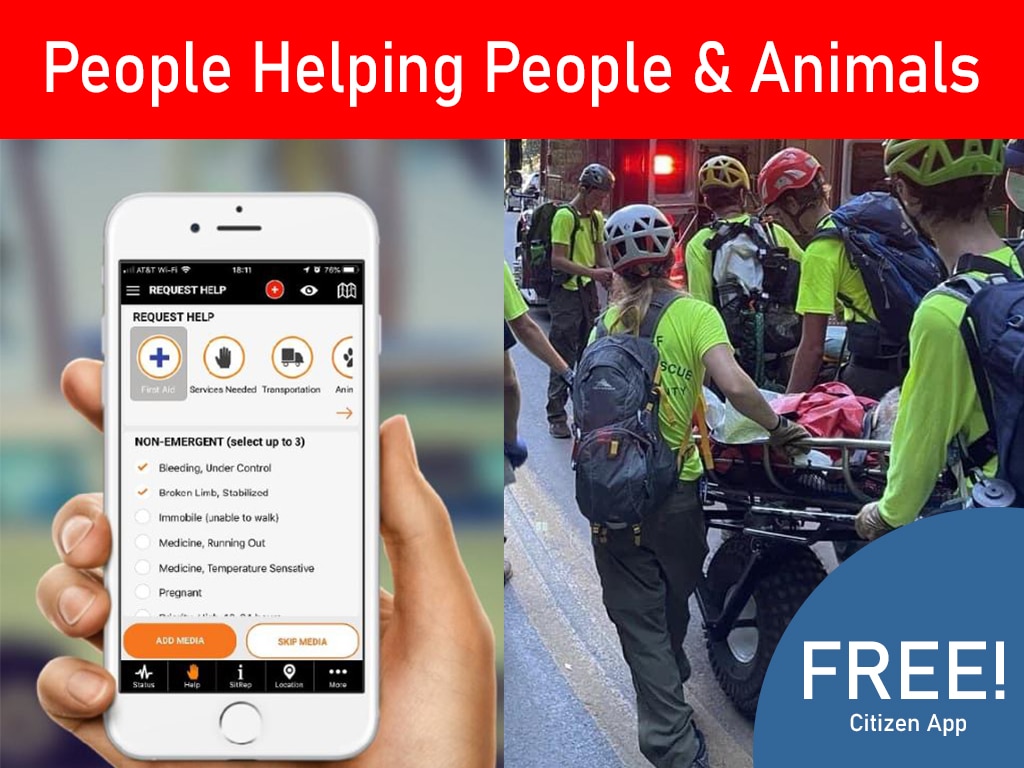
Community reporting can materially improve early awareness when it is organized. A resident may see rising water, an impassable road, a stranded animal, or an elderly neighbor who needs assistance before a field team arrives. Those reports should enter a controlled workflow for review, prioritization, and dispatch rather than becoming another unmonitored message channel.
Set priorities and turn them into assignments
The first request received is not always the first task completed. Operations managers prioritize using life safety, incident objectives, urgency, available resources, access conditions, and operational risk. They distinguish between a need that requires immediate dispatch and one that can be scheduled, referred, or monitored.
Once priorities are clear, the manager assigns work to the appropriate team or partner. Assignments should identify the task, location, expected outcome, safety considerations, needed equipment, point of contact, and reporting expectation. Vague direction such as “check the neighborhood” creates avoidable confusion. A defined task such as “assess welfare needs at the listed addresses and report transportation requirements by 1400 hours” gives a team a workable mission.
The manager also tracks assignments through completion. A task that appears dispatched but receives no status update is not resolved. Closed-loop accountability matters, particularly when several agencies and volunteer groups are operating at once.
Coordinate people, resources, and field operations
The response may have capable people available and still fail if their credentials, availability, location, or equipment are unclear. Operations managers coordinate staffing based on qualifications and mission needs. They may confirm whether a volunteer is trained for damage assessment, shelter support, traffic control, animal response, or another assigned function before sending them into the field.
Resource coordination includes vehicles, fuel, radios, generators, supplies, staging areas, and specialized equipment. It also includes the less visible constraints that affect operations: shift limits, check-in procedures, credential expiration, responder welfare, and access permissions. Sending a team without confirming communications, transportation, or a safe route can create a second problem for the incident.
For sustained operations, the manager establishes a predictable cadence. Briefings communicate priorities and safety messages. Check-ins confirm personnel accountability. Status updates reveal whether resources need to be moved. Shift handoffs preserve operational knowledge when tired teams rotate out. The right cadence depends on the incident. A fast-moving wildfire may demand frequent updates, while a long recovery mission may benefit from structured daily operational periods.
Protect information and maintain a dependable record
Emergency operations often involve sensitive information, including resident contact details, welfare needs, volunteer records, and location data. An operations manager is responsible for making useful information available to authorized people while limiting unnecessary exposure. This means using appropriate access controls, maintaining accurate records, and avoiding informal workarounds that scatter information across personal devices and unsecured message threads.
A dependable incident record also supports decisions after the immediate crisis. It shows when reports were received, who was assigned, what action was taken, and what remains open. That record helps with reimbursement documentation, partner coordination, after-action reviews, and community trust.
Readiness Work Happens Before the Activation
The best time to discover a missing phone number, expired certification, or unclear dispatch process is not during a storm. Emergency response operations manager responsibilities begin well before an incident with readiness planning and routine operational maintenance.
That includes keeping contact records current, validating volunteer and staff qualifications, organizing training history, reviewing mutual-aid contacts, and testing notification procedures. Managers should also run realistic exercises that expose handoff problems between intake, dispatch, field teams, and command. A tabletop exercise may reveal policy gaps; a functional exercise is more likely to reveal whether teams can actually locate assignments, update status, and share verified field observations under time pressure.
The technology choice matters here because disconnected spreadsheets, texts, paper forms, and separate mapping tools can delay the work of reconciling information. A purpose-built operations platform such as PubSafe can bring member records, training, requests for help, work orders, dispatch activity, alerts, and live mapping into a shared workspace. The operational benefit is not software for its own sake. It is a clearer path from a community report to a verified task, assigned responder, documented outcome, and informed resident.
Measure Performance Without Losing the Human Mission
Operations managers should review results after every activation, but numbers need context. Response time, assignment completion rate, open request volume, volunteer utilization, and report-to-dispatch time can reveal useful patterns. They can also mislead if teams rush to close requests without confirming that the resident received the needed help.
A better review combines operational measures with field feedback. Did dispatchers have enough information to assign work? Were volunteers sent within their training limits? Did residents receive accurate updates? Were duplicate reports reduced? Did the team identify unmet needs early enough to request help from partners?
After-action reviews should produce owners and deadlines, not just observations. If check-in procedures failed, revise and test them. If community reports lacked location details, improve the intake form and public guidance. If field teams could not see current assignments, correct the workflow before the next activation.
The Standard Is Controlled, Compassionate Action
An emergency response operations manager is judged by more than how busy the operation looks. The real standard is whether people and resources move with purpose, information stays dependable, and community needs are handled with care.
Build the workflows before the emergency, practice them with the people who will use them, and give every report a clear path to review and action. When the next call comes in, organized operations give responders more time to do what matters most: help people, protect animals, and support the community through a difficult day.