The COVID-19 pandemic was a tough lesson in how quickly a health crisis can disrupt our lives. But history shows us these events aren’t new—they’ve reshaped economies, supply chains, and entire societies before. That’s why the federal government, through Ready.gov, now treats pandemic preparedness as seriously as getting ready for a hurricane or earthquake. This isn’t about living in fear; it’s about taking smart, actionable steps. This guide breaks down what you, your household, and your community can do to prepare for the next novel pandemic.
What Is a Novel Pandemic?
A novel pandemic occurs when a new pathogen — one to which human populations have little or no immunity — spreads across multiple countries and continents, causing significant illness and death. Novel pathogens can include new influenza strains (like the 1918 Spanish Flu or the 2009 H1N1 pandemic), coronaviruses (like SARS-CoV-2), and other emerging infectious agents such as new hemorrhagic fevers or respiratory viruses. The term “novel” is critical — established pathogens against which populations have built immunity behave very differently from a virus or bacterium that our immune systems have never encountered.
Global and National Preparedness Strategies
While individual and household preparedness is crucial, we aren’t facing this challenge alone. On a much larger scale, global and national organizations are actively developing strategies to prevent, detect, and respond to future pandemic threats. The lessons from COVID-19 were hard-won, and they’ve spurred a coordinated effort to build a more resilient global health infrastructure. These high-level plans focus on everything from cutting-edge scientific research to ensuring that life-saving resources can reach the people who need them most, no matter where they live. Understanding these strategies helps us see how our local efforts fit into a bigger picture of public health and safety.
These large-scale initiatives aren’t just theoretical; they are concrete plans designed to address the specific failures and inequities highlighted by the last pandemic. They involve international agreements, significant funding for research and development, and the use of existing public health frameworks as models for what works. By examining the work of organizations like the World Health Organization (WHO) and the U.S. National Institute of Allergy and Infectious Diseases (NIAID), we can appreciate the multi-layered approach required to prepare for a threat that knows no borders. It’s a collective, forward-looking effort to ensure we are better prepared for whatever comes next.
The WHO Pandemic Agreement
In response to the global challenges of the COVID-19 pandemic, the World Health Organization is spearheading the development of a new international agreement on pandemic prevention, preparedness, and response. Think of it as a global pact to fix the problems we saw play out in real-time, particularly the unfair distribution of essential health tools. The core idea is to create a unified playbook that countries can use to work together, rather than compete, when a new pandemic emerges. This agreement aims to establish a stronger, more accountable framework for international cooperation, ensuring that the response to the next global health crisis is faster, more coordinated, and more equitable for everyone involved.
Key Goals and Principles
The central principle of the WHO Pandemic Agreement is equity. Its main goal is to ensure that every person, in every country, has fair access to the tools needed to stay safe during a pandemic. This includes everything from vaccines and diagnostic tests to personal protective equipment (PPE) and reliable information. The agreement seeks to prevent a repeat of the scenario where wealthier nations had first access to resources while others were left waiting. By establishing clear principles for sharing information, technology, and health products, the WHO aims to build a system where a person’s access to life-saving care doesn’t depend on where they happen to live.
U.S. Research and Development (NIAID)
On the national front, the U.S. is heavily invested in proactive scientific research to get ahead of future pandemics. The National Institute of Allergy and Infectious Diseases (NIAID) leads this charge with its comprehensive pandemic preparedness plan. The COVID-19 pandemic served as a powerful demonstration of how critical prior research is for developing vaccines and treatments in record time. NIAID’s strategy focuses on identifying and studying viruses with the potential to cause widespread outbreaks before they become a global crisis. By funding foundational research, the U.S. aims to shorten the timeline from pathogen detection to the availability of effective medical countermeasures, giving us a vital head start in the next fight.
The Prototype-Pathogen Approach
A key part of NIAID’s strategy is the “prototype-pathogen” approach. Instead of waiting for a specific new virus to emerge and then starting from scratch, scientists study representative viruses from families known to be a threat to humans, like coronaviruses or filoviruses. By developing a deep understanding of these “prototype” pathogens, researchers can create platform technologies and vaccine candidates that can be rapidly adapted when a new, related virus appears. This method is like creating a basic blueprint for a house that can be quickly customized, rather than designing a new house from the ground up every single time.
Using Influenza as a Preparedness Model
For decades, the world has been preparing for the “next big one” by using seasonal and pandemic influenza as a model. The global systems built to track the flu provide a powerful framework for broader pandemic preparedness. Preparing for a potential flu pandemic forces countries to strengthen their core public health capacities in essential ways. This includes improving disease surveillance, enhancing laboratory networks, creating communication strategies to protect communities, and ensuring robust systems for distributing medical supplies and vaccines. The annual effort to manage influenza keeps these public health muscles strong and ready to be scaled up for any novel respiratory pathogen that may emerge.
The Preparedness Cycle: A Continuous Process
Preparedness isn’t a destination you arrive at or a box you can check off. It’s a continuous cycle of activities that build on one another to create resilience. The University of Nevada, Reno, and FEMA describe this as a loop of planning, organizing, training, equipping, exercising, evaluating, and taking corrective action. This framework is scalable and applies to everyone, from federal agencies managing national resources to local CERT teams and community organizations coordinating volunteers. It’s a dynamic process that ensures our plans don’t just sit on a shelf but are living documents that evolve and improve over time, making us stronger and more ready for any challenge.
This cycle is what turns a good idea into an effective response. For community-based organizations, each step presents an opportunity to strengthen their capabilities. Planning might involve identifying vulnerable populations, while organizing could mean setting up communication channels for volunteers. Platforms like PubSafe are designed to support this cycle, offering tools for organizations to manage teams, coordinate volunteers, and share critical information during exercises and real-world events. By embracing preparedness as an ongoing process, communities can move from being reactive to proactive, building a culture of readiness that protects everyone.
Plan, Organize, and Equip
The first phase of the cycle is foundational. It starts with planning—thinking through potential scenarios and creating a clear, actionable strategy to address them. Next comes organizing, which is about putting people and systems in place to execute that plan. This involves defining roles, establishing a chain of command, and setting up communication protocols so everyone knows how to connect when it matters most. For response teams, using a platform that helps with team management is essential for keeping rosters, qualifications, and communications streamlined. Finally, equipping involves acquiring the necessary supplies, tools, and technology to support the plan, from first aid kits to communication hardware.
Train, Exercise, and Evaluate
A plan is only useful if people know how to follow it. The training phase ensures that everyone understands their role and is proficient with the equipment they’ll be expected to use. Once people are trained, the next step is to exercise the plan through drills and simulations. These exercises are a safe space to test your procedures, identify weak spots, and build team cohesion under pressure. For example, a community could simulate reporting an incident to test their information flow. After every exercise, a thorough evaluation is critical. This is an honest look at what went well, what didn’t, and why, capturing lessons learned to fuel improvement.
Improve and Repeat
The final phase of the preparedness cycle is what makes it a true loop: improvement. The insights gained from evaluations are used to make concrete changes. This could mean updating the response plan, reorganizing a team, providing new training, or acquiring different equipment. This corrective action is the most important step, as it turns lessons learned into tangible progress. Once improvements are made, the cycle begins again. New plans are tested, new team members are trained, and the organization becomes progressively stronger and more capable. This iterative process is the heart of building genuine, sustainable resilience in the face of any hazard.
What to Expect During a Novel Pandemic
Unlike most natural disasters, a pandemic has no geographic boundary and can affect everywhere simultaneously. It unfolds over months to years rather than hours or days, can overwhelm healthcare systems even in wealthy countries, creates supply chain disruptions affecting food, medications, and essential goods, requires sustained behavioral change from entire populations, and carries significant social and economic consequences alongside health impacts.
Your Household Pandemic Preparedness Plan
Build Your Emergency Supply Kit
Maintain a 2–4 week supply of non-perishable food and water; prescription medications (ask your doctor about emergency refills); over-the-counter medications for fever, pain, and respiratory symptoms; face masks, gloves, hand sanitizer (at least 60% alcohol), and cleaning/disinfecting supplies; and thermometers and oximeters for monitoring health at home.
Gather Supplies Gradually to Avoid Shortages
We all remember the empty shelves and the frantic rush for essentials. A key lesson is to build your supply kit slowly over time, which helps prevent the panic buying that strains supply chains. As recommended by Ready.gov, you should gradually buy enough non-perishable food, water, cleaning supplies, and medicine to last for several weeks. This simple strategy ensures that everyone in the community can get what they need. By adding a few extra items to your cart each time you shop, you build resilience for your household without contributing to a wider shortage. This kind of thoughtful preparation is a fundamental part of creating a more resilient community, where individual actions support the well-being of the whole.
Identify Your Household’s Unique Needs
Identify members of your household who are at elevated risk: older adults, those with chronic health conditions, and immunocompromised individuals. Have a plan for their care during a pandemic period, including medication access and healthcare connectivity.
Review Important Documents and Policies
When a crisis hits, the last thing you want to be doing is digging through file cabinets for a policy number or a birth certificate. Getting your essential documents and policies in order ahead of time is a simple but powerful act of preparedness. It frees up your mental energy to focus on what really matters: the health and safety of you and your loved ones. Think of it as creating a “go-bag” for your personal information. This small effort now can prevent huge headaches later, ensuring you have quick access to critical information when you need it most. It’s about making sure you can make clear, informed decisions without the added stress of a paper chase during an already difficult time.
Check Your Health Insurance Coverage
Your health insurance is your lifeline to care, but its benefits can be confusing, especially during a pandemic when healthcare access changes. Before you need it, take some time to understand exactly what your plan covers. The big question during a pandemic is often about remote care. Does your insurance cover telehealth or video appointments with your doctor? Knowing the answer can help you access necessary care from the safety of your home. Call your provider or check their website to clarify coverage for virtual visits, prescription mail-ins, and any out-of-pocket costs. Understanding these details now means you won’t face unexpected bills or delays in treatment when you’re feeling unwell and vulnerable.
Protect Digital Copies of Important Papers
If you had to evacuate or isolate for an extended period, could you easily access your most important documents? Creating digital backups of your essential papers is a crucial step. Scan or take clear photos of items like birth certificates, passports, social security cards, insurance policies, and property deeds. Store these files securely in a password-protected cloud service or on an encrypted flash drive that you keep in a safe place. This ensures you have access to them from anywhere. Just as importantly, be on high alert for scams. Crises often bring out bad actors who try to exploit the situation, so be wary of unsolicited requests for personal information.
What to Do After Potential Exposure
The moment you suspect you’ve been exposed to a novel virus can be frightening. Having a clear plan of action can help you manage the situation calmly and responsibly. If you believe you’ve been exposed, the first step is to isolate yourself from others to prevent potential spread. Immediately call your doctor or a local public health hotline for guidance; avoid going to a clinic or hospital without calling first, as this could expose others. They will provide instructions based on the latest public health recommendations, which may include a specific quarantine period and testing procedures. Diligently follow their advice and monitor yourself for any developing symptoms like fever, cough, or difficulty breathing. Keep a simple log of your symptoms and temperature readings to share with your healthcare provider.
During a widespread health event, staying informed with reliable information is critical. Public safety agencies and health departments often use community platforms to share real-time updates, such as quarantine guidelines or locations of testing centers. For example, you can check a resource like the PubSafe public map for verified alerts from official organizations in your area. If your symptoms become severe—such as trouble breathing, persistent chest pain, or confusion—it’s an emergency. Call 911 immediately, inform the operator of your potential exposure and symptoms, and put on a face mask if you have one while you wait for help to arrive.
Stay Informed, Not Overwhelmed
During a pandemic, information quality matters enormously. Trust the CDC, WHO, and your state or local health department for guidance on transmission, symptoms, testing, and treatment. Be skeptical of unverified information circulating on social media.
Share Accurate Information to Avoid Stigma
During a health crisis, fear and uncertainty can unfortunately lead to stigma, where specific groups are unfairly blamed or ostracized. This not only causes immense harm but also undermines the entire public health response by making people afraid to seek help. It’s on all of us to combat this by committing to share correct information from trusted sources. Spreading rumors or unverified treatments can be incredibly dangerous. An effective public health strategy relies on everyone having access to accurate, timely updates. This is where community platforms can play a vital role. For instance, when official agencies and response teams use a centralized system like PubSafe to share critical updates, it helps ensure that verified information reaches the public directly, cutting through the noise and building the trust we need to get through a crisis together.
Practical Steps to Reduce Transmission
General infection control practices include frequent handwashing with soap for at least 20 seconds, covering coughs and sneezes, staying home when ill, maintaining distance from people who are sick, and wearing appropriate respiratory protection when recommended by health authorities.
Maintain Physical Distance
One of the most effective ways to slow the spread of an infectious disease is to maintain physical distance from others. Health authorities like the CDC often recommend keeping at least six feet away from people who don’t live with you. This simple buffer helps minimize your risk of exposure to airborne droplets, especially when you’re in enclosed or crowded spaces. Think of it not just as protecting yourself, but as a collective action that shields the entire community, particularly those who are most vulnerable. By creating space, we break the chains of transmission and give our healthcare systems a fighting chance to manage the crisis without becoming overwhelmed.
Beyond maintaining distance in public, it’s crucial to stay home as much as possible, especially if you feel unwell. As outlined in federal guidance for pandemics, isolating yourself when you’re sick is one of the most responsible things you can do. This prevents you from unknowingly spreading the pathogen to others at the grocery store, at work, or in your neighborhood. This also allows community support networks and volunteer groups to focus their efforts on delivering essentials to those who must isolate, ensuring everyone can stay safe without hardship. As a pandemic evolves, official recommendations on distancing will change, so make it a habit to check for the latest updates from your local public health department.
Pandemic Preparedness Beyond Your Front Door
Ready.gov emphasizes that pandemic response requires community-level coordination, not just individual action. Support neighbors who cannot leave their homes for supplies. Maintain connections with vulnerable community members who may be isolated. Know your local public health system: health department contacts, hospital locations, testing and vaccination sites. Participate in and encourage community immunization — vaccines are among the most powerful public health tools for pandemic control.
How Businesses Can Prepare for a Pandemic
Employers should have business continuity plans that address pandemic scenarios, including remote work capabilities, cross-training of essential personnel, supply chain redundancy, and clear communication protocols for employees.
Develop Clear Operational Rules
A solid business continuity plan is your playbook for handling a pandemic. This isn’t just about having a work-from-home policy; it’s a comprehensive strategy that outlines how your operations will adapt if a significant portion of your staff is unavailable. This includes establishing clear communication protocols to keep everyone informed, whether they’re on-site or remote. A unified platform can be invaluable for this, ensuring that critical updates reach your entire team, volunteers, and stakeholders in real-time. According to Ready.gov, your plan should also address supply chain redundancies and define who is cross-trained for essential functions, ensuring your organization can continue its mission even under strain.
Cross-Train Staff for Essential Roles
When key personnel are out sick or quarantining, who steps in? Cross-training staff for essential roles is the answer. This practice builds incredible resilience into your team, ensuring that critical tasks don’t fall through the cracks. It’s not just about covering absences; it’s about empowering your employees with a broader skill set, making your entire organization more flexible and robust. Start by identifying the most critical functions in your daily operations, then create a simple plan to train alternate employees to perform them. This is especially important when you need to coordinate volunteers or manage staff across different locations, as it ensures you always have capable hands ready to fill any gaps that emerge.
Implement a Cleaning Schedule
Maintaining a clean environment is a fundamental part of reducing transmission. Go beyond basic janitorial services and implement a schedule for frequently disinfecting high-touch surfaces. This includes things we all touch without thinking, like door handles, light switches, keyboards, phones, and bathroom fixtures. The American Library Association recommends creating a clear, visible schedule to ensure these tasks are done consistently. It’s also a smart practice to thoroughly clean the workspace of any employee who has gone home sick. This simple, proactive measure helps protect the health of your remaining staff and demonstrates a clear commitment to their wellbeing, fostering a safer and more secure work environment for everyone.
Understanding Surface Contamination Research
While consistent cleaning is vital, it helps to base your protocols on solid research. For example, the REALM project, which studied how the COVID-19 virus behaves on common materials, found that the virus was undetectable on items like library books after just three days. This kind of data is incredibly useful. It helps organizations make informed, evidence-based decisions about how to handle materials and when it’s safe to return them to circulation. Understanding the real-world risk of surface transmission allows you to create protocols that are both effective and practical, avoiding unnecessary quarantine periods for objects and focusing your cleaning efforts where they matter most.
How PubSafe Supports Pandemic Response
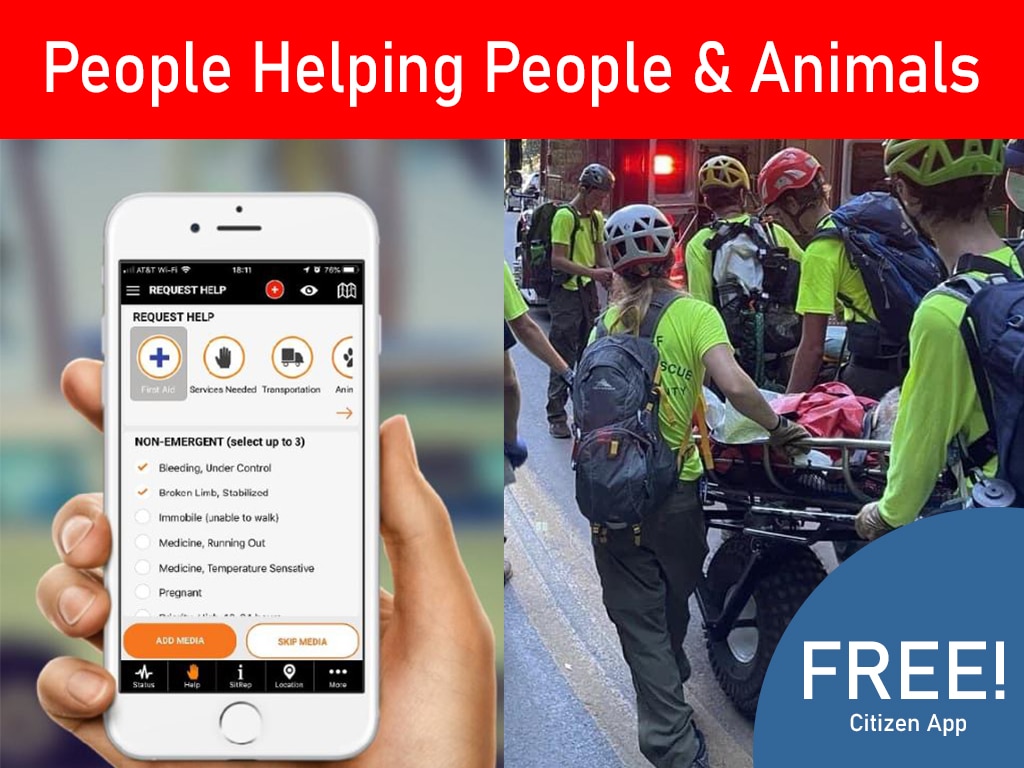
During a pandemic, social isolation is both a protective measure and a significant public health challenge in its own right. PubSafe provides a way for communities to stay socially connected while physically distanced, enabling mutual aid coordination for grocery runs, medication pickups, and wellness checks for vulnerable community members; real-time resource sharing tracking testing sites, vaccination clinics, food banks, and pandemic-response resources; community wellness networks allowing neighbors to check in on one another and signal when they need assistance; and verified information sharing helping filter out misinformation through a trusted channel connected to official public health sources.
The COVID-19 pandemic showed that community social networks — when organized and purposeful — were essential to pandemic response. PubSafe provides the infrastructure for that coordination before the next health emergency arrives.
The “5 Cs” in Action: A Framework for Response
Coordination and Collaborative Surveillance
A successful pandemic response hinges on seamless coordination between governments, health organizations, and the public. Think of it as a massive team effort where everyone needs to be on the same page. Collaborative surveillance is a key part of this, allowing for the early detection of outbreaks by sharing critical information across borders and communities. The WHO Pandemic Agreement highlights this exact need, pushing for better systems so countries can work together to monitor and control disease spread. This is where technology that connects disparate groups becomes so important. Platforms that allow public safety agencies, NGOs, and citizen volunteers to report incidents and share data in real-time are the practical application of this global strategy, turning a high-level goal into on-the-ground action.
Community Protection
While global coordination is essential, the most impactful actions often happen right on your street. Community-level coordination is about looking out for one another. This means supporting neighbors who can’t leave home for supplies and maintaining connections with vulnerable or isolated members of your community. As Ready.gov points out, collective action is a powerful tool. This includes community immunization efforts, which protect not just individuals but the entire population. Organizing this kind of mutual aid can be challenging during a crisis, which is why having a system in place beforehand is so effective. Tools that facilitate volunteer coordination can help neighbors organize wellness checks, grocery deliveries, and other support efforts, building a resilient network that protects everyone.
Helpful Pandemic Preparedness Resources
- Ready.gov Pandemic page
- CDC Emergency Preparedness: emergency.cdc.gov
- WHO Pandemic Preparedness: who.int/emergencies/preparedness
Download the Ready.gov Novel Pandemic Hazard Information Sheet and take stock of your household’s pandemic preparedness today. Connect your community on PubSafe — so when the next pandemic arrives, your neighborhood is already organized.
How Do Vaccinations Fit into Pandemic Preparedness?
Vaccination is one of the most powerful tools available for pandemic control. Vaccines work by exposing the immune system to an antigen — a piece of the pathogen (like a protein) — that triggers an immune response without causing disease. When a vaccinated person later encounters the actual pathogen, their immune system can mount a rapid, effective response, typically preventing severe illness, hospitalization, and death even if it does not entirely prevent infection.
During a novel pandemic, vaccines will not immediately be available — the development, testing, and manufacturing process takes time even with accelerated emergency timelines. The COVID-19 pandemic demonstrated that mRNA vaccine technology can dramatically compress development timelines while maintaining rigorous safety evaluation. Researchers had a candidate COVID-19 vaccine ready for clinical testing within weeks of the virus’s genetic sequence being published, and the first vaccines received Emergency Use Authorization within about 11 months of the pandemic’s identification.
In the meantime, Ready.gov and the CDC recommend maintaining your routine vaccinations, including annual influenza vaccination, which helps prevent the healthcare system from being overwhelmed by seasonal flu during a novel pandemic. Being current on other recommended vaccines also reduces your risk of contracting preventable illnesses that could strain already-stressed healthcare resources during a pandemic response.
Caring for Your Mental Health During a Pandemic
Pandemics impose enormous mental health burdens on individuals and communities. The COVID-19 pandemic was associated with dramatic increases in anxiety, depression, substance use disorders, domestic violence, and other mental health crises. Prolonged uncertainty, social isolation, economic disruption, grief from losing loved ones, and the cumulative stress of sustained behavioral adaptation all contribute to psychological strain during pandemic periods.
Ready.gov encourages individuals to take proactive steps to protect their mental health during a pandemic: maintaining social connections through digital means when in-person contact is limited; establishing and maintaining daily routines that provide structure and a sense of normalcy; limiting news and social media consumption to specific, bounded periods; engaging in regular physical activity appropriate to the circumstances; and seeking professional mental health support when needed — many providers have expanded telehealth services that can be accessed from home.
Community connections are particularly protective for mental health during pandemics. Research on past pandemic responses has consistently found that social support — from neighbors, community organizations, faith communities, and informal networks — buffers against the worst mental health outcomes. Platforms like PubSafe can help communities maintain those social connections even when physical distancing is required, enabling mutual aid and welfare checking that keeps the most vulnerable community members connected to the broader community network.
Your Next Step in Pandemic Preparedness
Preparedness is not a single action — it is an ongoing practice. Every time you review your emergency plan, check your supply kit, or connect a neighbor to a preparedness resource, you are building community resilience. The cumulative effect of thousands of individuals and families taking preparedness seriously is a community that absorbs shocks, recovers faster, and takes care of its most vulnerable members during the worst days.
Bookmark the relevant Ready.gov hazard page, download the Hazard Information Sheet, and share this article with your family, coworkers, and neighbors. Join the PubSafe network to stay connected with your community before, during, and after any emergency. Check your local emergency management agency’s website for preparedness resources specific to your region. And consider volunteering with local emergency response teams — CERT (Community Emergency Response Team), volunteer fire departments, and local emergency management councils all welcome community members who want to contribute to a more resilient community.
Emergency preparedness does not require perfection. Start where you are, with what you have. Each small step builds on the last, and the journey from being unprepared to being genuinely ready is shorter than most people think. Take one step today — for yourself, for your family, and for your community.
Review and Learn After the Event
After a major event like a pandemic, it’s tempting to just want to move on. But this is actually one of the most crucial phases of preparedness: the review. Preparedness is a continuous cycle, and learning from experience is how we make the next cycle stronger. This is the time to ask important questions as a community. What parts of our plan worked? Where did we face the biggest challenges? Did our neighbors have the support they needed? Research shows that strong community networks are vital for both practical aid and buffering against the mental health strains of a crisis. By reviewing what happened, we can identify gaps and strengthen those connections for the future. For response organizations, this process involves analyzing data and feedback to refine strategies, ensuring we are all better equipped for whatever comes next.
Frequently Asked Questions
Why is pandemic preparedness treated as seriously as preparing for a hurricane? Unlike a hurricane or earthquake that affects a specific area for a short time, a pandemic can impact the entire world for months or even years. It disrupts everything at once: healthcare, supply chains for food and medicine, and our daily routines. This long-term, widespread disruption is why federal agencies and public health experts now stress that preparing for a pandemic requires the same level of planning and attention as any other major disaster.
I’m healthy, so why should I worry about preparing for a pandemic? Pandemic preparedness is less about your personal health risk and more about community resilience. Even if you are not at high risk, you will still be affected by supply chain issues, overwhelmed healthcare systems, and public health measures like physical distancing. Preparing your household with supplies helps prevent panic buying that creates shortages for everyone. More importantly, being prepared allows you to be a resource for your neighbors and community, especially for those who are more vulnerable.
What is the “prototype-pathogen” approach, and how does it help? Instead of waiting for a new virus to appear and then starting research from scratch, scientists study viruses from families known to be dangerous to humans, like coronaviruses. By deeply understanding these “prototype” viruses, they can create vaccine and treatment templates. When a new, related virus emerges, they can quickly adapt these existing templates instead of starting from zero. This approach dramatically shortens the time it takes to develop life-saving medical tools.
How can a platform like PubSafe help during a pandemic? During a pandemic, we need to stay physically distant but socially connected. PubSafe provides the digital infrastructure for communities to do just that. It allows neighbors to safely coordinate help for each other, like delivering groceries or medications to those who are isolated. It also serves as a trusted channel for official organizations to share verified information, like testing site locations or public health updates, which helps cut through the noise and misinformation that often spreads during a crisis.
My emergency kit is for natural disasters. What’s different about a pandemic kit? While there’s a lot of overlap, a pandemic kit has a few unique items. You should plan for a longer disruption, aiming for a 2 to 4 week supply of food and water, not just 72 hours. It’s also crucial to include health-specific items like fever-reducing medications, a thermometer, a pulse oximeter to monitor oxygen levels, and a good supply of face masks and hand sanitizer. Also, be sure to have at least a 30-day supply of any prescription medications.
Key Takeaways
- Preparedness is a continuous cycle, not a one-time task: True readiness involves a constant loop of planning, organizing, training, and improving. This framework helps everyone, from federal agencies to households, turn plans into effective, real-world action.
- Community connection is a powerful tool for resilience: A pandemic requires more than just individual action. Strong community networks that support vulnerable neighbors, share accurate information, and coordinate aid are essential for an effective and compassionate response.
- Focus on practical steps you can control now: You can reduce future stress by taking small, manageable actions today. This includes gradually building a supply kit, securing digital copies of important documents, and understanding your health insurance coverage before a crisis hits.