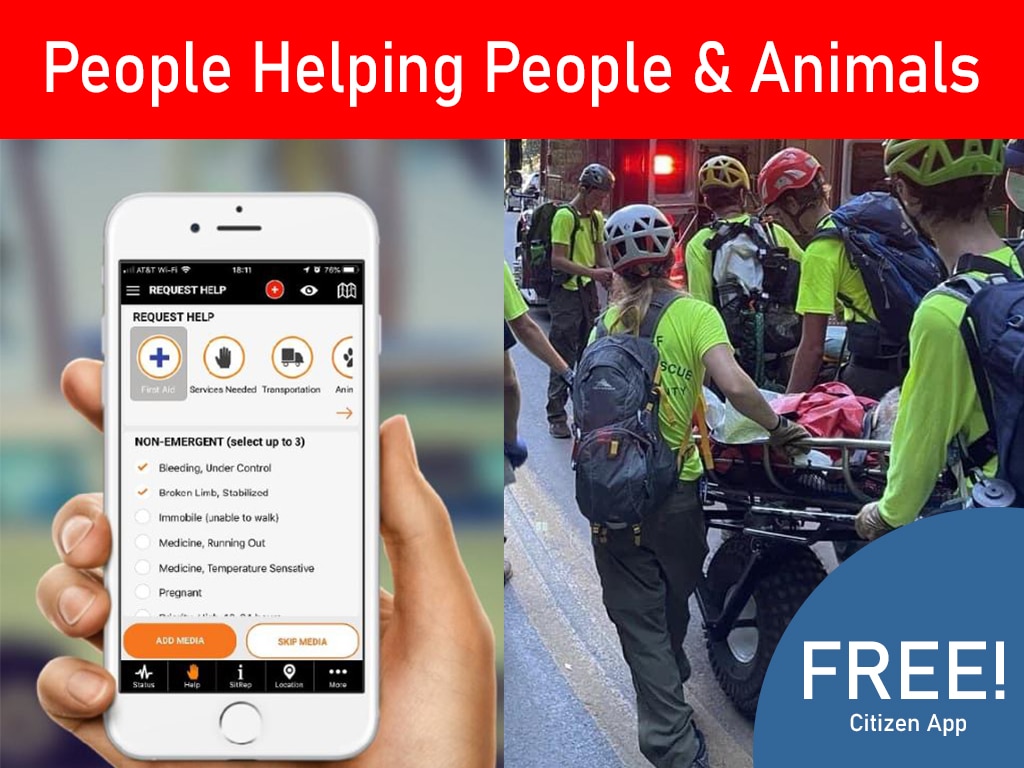
In the critical hours of an emergency, information is your most valuable asset. Yet, it’s often scattered across different systems, notebooks, and conversations, leading to confusion and delays. The right technology can change that. It transforms a fragmented response into a unified effort where everyone sees the same real-time map of incidents, resources, and team locations. The right CERT resource allocation and logistics management tools bridge the gap between chaos and control. This guide will walk you through what makes a platform truly effective, from live situational awareness to seamless volunteer management, helping you find a solution that brings clarity and confidence to your team’s response efforts.
Key Takeaways
- Solve Key Logistical Challenges: A dedicated logistics tool helps your CERT team move past common hurdles like tracking supplies and coordinating with other agencies. It provides a single, shared view of the operation so you can respond with confidence instead of guesswork.
- Find the Right Fit for Your Team: Don’t just pick any tool; choose one that solves your specific problems. Focus on user-friendly, mobile-ready platforms that can grow with your team and connect with the systems your partners already use.
- A Tool Is Only as Good as Your Plan: Technology alone isn’t enough. Set your team up for success by creating a solid operational plan, training everyone on the software, and running regular practice drills. This preparation ensures your team is ready to act decisively during a real emergency.
What is CERT and Why is Resource Management Crucial?
When a disaster strikes, the first few hours are critical. But what happens when professional responders are overwhelmed or can’t reach you? That’s where your neighbors step in. These local teams are the first line of defense, but their effectiveness hinges on having the right resources at the right time. This is where solid logistics and resource management become non-negotiable.
CERT’s Role in Community Emergency Response
Community Emergency Response Teams (CERT) are groups of volunteers trained for the specific hazards that could impact their own communities. FEMA’s program educates these dedicated individuals in essential skills like fire safety, light search and rescue, team organization, and disaster medical operations. Think of them as your community’s first line of defense, ready to provide immediate assistance to victims and organize spontaneous volunteers at a disaster site. They are a vital link in the chain of response, filling the gap until professional help arrives and making a real difference in those crucial early moments.
Connecting Logistics to CERT Operations
Having a trained team is one thing; making sure they have what they need is another. This is where logistics comes in. Effective logistics management is the backbone of any successful CERT operation, ensuring that supplies, equipment, and personnel get where they need to go, right when they’re needed most. Without it, you have well-intentioned people without the tools to make a difference. Resource management software helps streamline these operations, making sure volunteers are prepared and resources are used effectively. It’s about turning chaos into a coordinated effort, which is essential for effective volunteer coordination during any emergency.
Common Hurdles for CERT Resource Management
Managing resources during an emergency is a high-stakes balancing act. For CERT teams, the challenges are unique because you’re often working with volunteers and donated supplies in unpredictable situations. Getting the right resources to the right place at the right time is the goal, but several common hurdles can stand in the way. Understanding these obstacles is the first step toward overcoming them with better processes and the right tools.
Balancing Limited Resources with Unpredictable Needs
Every CERT leader knows this feeling: you have a finite amount of equipment, supplies, and volunteer hours, but the needs of a disaster are anything but predictable. One moment you’re preparing for a minor flood, and the next, it’s a full-blown evacuation. Deciding how to use your limited resources to achieve the best possible outcome is the core of resource management. Without a clear picture of your inventory and the evolving situation, it’s easy to send too many supplies to one area, leaving another critically underserved. This constant tension between what you have and what you might need makes effective logistics management absolutely essential.
Coordinating with Multiple Agencies
CERT teams rarely work in a vacuum. During a disaster, you’re on the ground with fire departments, police, public health officials, and other non-governmental organizations. While this collaboration is powerful, it can also be chaotic. Each group has its own way of communicating, tracking resources, and managing personnel. Without a shared system, you can end up with duplicated efforts, conflicting information, and critical delays. The key is to find a way for different teams to work together and share resources seamlessly. A unified disaster response platform can act as a central hub, ensuring everyone is on the same page and working toward the same goals without getting in each other’s way.
The Struggle for Real-Time Visibility
In the middle of an emergency, information is your most valuable asset. Yet, getting a clear, real-time picture of what’s happening on the ground is incredibly difficult. Where are your teams? What supplies have been distributed? Which areas have been cleared, and which need immediate help? Answering these questions with outdated information from radio check-ins or paper maps is a recipe for inefficiency and risk. Without real-time data, you might not know your supply levels are incorrect until a team radios in from the field empty-handed. Having a public map that shows live incident reports, team locations, and resource statuses gives you the situational awareness needed to make smart, timely decisions.
When Your Systems Don’t Talk to Each Other
This is a technical problem with very real human consequences. Your team might use one app for volunteer check-ins, a spreadsheet for inventory, and radios for communication. While each tool might work fine on its own, they don’t share information. This means someone has to manually transfer data, which is slow and prone to error. For a logistics system to be truly effective, all the different pieces need to work together smoothly. When your systems are siloed, you lose precious time trying to connect the dots instead of focusing on the response itself. An integrated platform that shows how it all works together can eliminate these data gaps and streamline your entire operation.
Key Features to Look for in a CERT Logistics Tool
When you’re in the middle of an emergency, the last thing you want to do is fight with your software. The right logistics tool should feel like a natural extension of your team, helping you work faster and smarter. As you compare options, it’s helpful to have a checklist of what really matters. A great tool isn’t just about having a lot of features; it’s about having the right features that solve the specific problems CERT teams face. From tracking volunteers to managing supplies, here are the key capabilities that can make or break your response effort.
Live Tracking and Situational Awareness
During an incident, knowing where your people and resources are is everything. A tool with live tracking gives you a real-time map of your entire operation. You can see where volunteers are deployed, track the location of critical equipment, and monitor incoming supplies. This level of situational awareness helps you make faster, more informed decisions, ensuring resources are sent exactly where they’re needed most. It transforms your command center from a place of guesswork to one of clarity and control, preventing issues like misplacing assets or sending teams to the wrong location.
Volunteer and Team Management
Your volunteers are your most valuable asset, and managing them effectively is critical. Look for a tool that simplifies volunteer coordination. The best platforms let you assign tasks based on a volunteer’s specific skills, certifications, and availability. This ensures the right person is always on the right job. You should be able to create teams, communicate with them directly, and monitor their status from a central dashboard. This streamlines deployment and helps you maintain accountability, even when things get chaotic.
Inventory and Equipment Tracking
From first aid kits and radios to generators and water, CERT teams rely on a lot of gear. A solid logistics tool needs robust inventory and equipment tracking. It should help you maintain an accurate count of your supplies, see how items are being used, and even get alerts when stock is running low. This prevents you from running out of critical items at the worst possible moment. Having a clear, real-time view of your inventory means you can confidently manage your assets and plan for resupply before it becomes an emergency.
Easy Incident Reporting and Damage Assessment
Gathering accurate information from the field is essential for an effective response. A good tool makes it simple for team members and even the public to report incidents and submit damage assessments. Look for features like simple forms, photo and video uploads, and geotagging. This data provides invaluable ground-truth that helps you understand the scope of the event and prioritize your actions. An easy process for reporting an incident empowers everyone to contribute to the operational picture, leading to a more coordinated and efficient response.
Seamless System Integration
Your CERT team doesn’t operate in a vacuum. You work alongside fire departments, police, and other government or non-profit agencies, and each group might use different systems. A logistics tool that offers seamless system integration is a game-changer. It allows different software platforms to share information and work together smoothly. This is key for sharing real-time data, which allows for quicker, more collaborative decision-making across agencies. When your systems can talk to each other, you reduce confusion and ensure everyone is working from the same playbook.
Mobile Access and Scalability
Emergencies don’t happen behind a desk, so your logistics tool shouldn’t be stuck on one. Mobile access is non-negotiable. Your team needs to be able to access information, receive tasks, and file reports from their phones or tablets in the field. The platform should be intuitive and easy for everyone to use with minimal training. Also, think about the future. Choose a tool that can scale with your organization, whether you’re a small community team or a growing regional group that needs to manage multiple teams.
Clear Reporting and Analytics
After the immediate crisis has passed, the work isn’t over. The recovery and review phase is where you learn and prepare for the next event. A tool with clear reporting and analytics is crucial for this process. It should automatically generate reports on everything from volunteer hours and resource usage to incident response times. These insights help you identify what went well and where you can improve. By using data to refine your strategies, you can strengthen your team’s performance and ensure you’re even more prepared for the future.
A Look at the Top CERT Logistics Tools
Choosing the right software can feel overwhelming, but the good news is there are excellent tools designed to handle the specific challenges CERT teams face. The best platform for your team will depend on your specific needs, the size of your group, your budget, and how you already operate. Some teams need a comprehensive system that manages every aspect of a large-scale disaster, while others might just need a flexible way to track volunteers and supplies.
To help you find the right fit, let’s walk through some of the top contenders in the emergency management space. We’ll look at everything from dedicated, disaster-focused platforms to versatile project management tools that can be adapted for CERT logistics. Think about what your team struggles with most. Is it communication, resource tracking, or coordinating with other agencies? Keep those pain points in mind as you review these options, and you’ll be better prepared to spot the tool that can truly support your team when it matters most.
PubSafe
PubSafe is a comprehensive platform built specifically for community-based disaster response. It excels at connecting everyone involved in an emergency, from citizens on the ground to government agencies and CERT teams. The platform provides real-time communication and a shared map for situational awareness, which is critical when you need to see the full picture. Its features include incident reporting, resource tracking, and robust team management capabilities. What makes it stand out is its focus on community engagement, allowing citizens to report issues and volunteers to find opportunities. This creates a seamless flow of information that helps CERT teams coordinate their efforts more effectively and respond where they’re needed most.
WebEOC
WebEOC is a well-established incident management software used by many emergency management agencies across the country. It’s a powerful tool for sharing information in real time and collaborating during a crisis. With WebEOC, you can manage resources, track incidents as they unfold, and maintain situational awareness through dashboards you can customize to your team’s needs. One of its biggest strengths is its ability to integrate with other systems, which is a huge plus when you’re working in complex emergencies that involve multiple organizations. For CERT teams that need to plug into a larger, existing emergency operations center (EOC) framework, WebEOC is a solid, industry-standard choice.
Veoci
Veoci is a cloud-based platform that brings together emergency management, logistics, and communication into one streamlined system. It offers a strong set of tools for CERT teams, including features for managing incidents, allocating resources, and keeping everyone in the loop. One of the things users appreciate most about Veoci is its user-friendly interface and excellent mobile accessibility. When your team is out in the field, they need a tool that’s easy to use on a phone or tablet. Veoci’s design makes it simple for teams to get up and running quickly, helping to streamline response efforts without a steep learning curve.
DisasterLAN (DLAN)
DisasterLAN (DLAN) is another comprehensive emergency management software designed to support response efforts at the local, state, and federal levels. It provides a complete solution for managing incidents and tracking resources from start to finish. Key features include real-time situational awareness maps, detailed resource management modules, and strong reporting capabilities. For CERT teams, DLAN is a valuable tool because it provides the structure and documentation needed to operate effectively during a large-scale disaster. It helps ensure that every action is tracked and every resource is accounted for, which is essential for both operational efficiency and post-incident reporting.
Smartsheet
While not a dedicated emergency management platform, Smartsheet is a highly versatile project management tool that many CERT teams have successfully adapted for logistics and resource management. Its power lies in its flexibility. You can use it to create detailed plans, track inventory, manage volunteer schedules, and assign tasks, all within a familiar spreadsheet-style interface. With customizable templates and real-time collaboration features, Smartsheet helps teams stay organized and efficient, even in chaotic situations. If your team needs a flexible, easy-to-adopt tool for tracking resources and coordinating tasks without the complexity of a full emergency management suite, Smartsheet is an excellent option to consider.
Choosing the Right Tool for Your CERT Team
With several options on the market, picking the right logistics tool can feel like a big decision. The best platform for your CERT team depends on your specific circumstances, from the size of your crew to the types of incidents you typically handle. You want a tool that solves your current challenges without creating new ones, making your operations smoother, not more complicated. To make the right choice, it helps to break down the decision into a few key areas. By carefully thinking through your team’s unique needs, you can find a solution that fits your workflow, budget, and long-term goals. This thoughtful approach will set you up for a more effective and coordinated response when it matters most, ensuring your technology is an asset, not a hurdle.
Evaluate Your Team’s Size and Needs
First, take stock of your team. A small, neighborhood-based CERT has different requirements than a large, county-wide organization managing multiple incidents at once. The right tool helps teams of any size work more effectively and get more done. Start by making a list of your must-have features. Do you need robust team management to assign roles and track certifications? Is detailed inventory tracking your top priority? Distinguishing between essential functions and nice-to-have extras will help you focus your search on the tools that truly meet your operational demands.
Look for User-Friendly and Mobile-Ready Options
During an emergency, every second counts. The last thing your team needs is to struggle with a complicated interface. Your logistics tool should be simple for everyone to learn and use, even under pressure. Since your members will be in the field, not sitting at a desk, mobile access is non-negotiable. Look for a platform with a clean, intuitive design and a dedicated mobile app that works seamlessly on phones and tablets. A tool that feels easy to use from the start will see much higher adoption and prove far more effective during a real event.
Ensure It Integrates with Your Current Systems
A new tool should feel like a missing puzzle piece, not a whole new puzzle. Check if the platform can connect with the other software your team already uses, like communication apps or existing databases. The goal is to create a single, unified workflow, not another silo of information. The best platforms go a step further by enabling communication with external partners, such as local fire departments, NGOs, and public agencies. This kind of integration is key to building a coordinated response effort across the entire community, which is central to how PubSafe works.
Think About Cost, Scalability, and Future Growth
Your budget will naturally play a role in your decision, so get a clear picture of the costs involved. Some tools have monthly subscriptions, while others might offer free versions for smaller teams. Beyond the initial price, consider how the tool will support your team as it evolves. Make sure the software can handle more projects and users as your organization gets bigger. Choosing a scalable platform from the start means you won’t have to switch systems and retrain everyone down the road. Look for a solution that offers a clear path for organization registration and growth.
Review Security and Data Protection Features
Your team will handle sensitive information, from volunteer contact details to confidential incident reports. The tool you choose must protect this private data. Look for essential security features like data encryption, which scrambles information to keep it safe, and role-based access controls. This ensures that team members can only see the information relevant to their specific roles. Strong security not only protects your data but also builds trust with your volunteers and the community you serve. A platform that clearly separates private data from what’s shown on a public map demonstrates a commitment to data privacy.
The Payoff: Benefits of Using a CERT Logistics Tool
Adopting a dedicated logistics tool is about more than just adding another piece of software to your toolkit. It’s about transforming how your CERT team operates when it matters most. By centralizing information and streamlining workflows, these platforms help you move faster, use resources wisely, and work together more effectively. The right tool can be the difference between a chaotic response and a coordinated, impactful one. Let’s look at the concrete benefits you can expect.
Achieve a Faster, More Coordinated Response
During an emergency, speed and coordination are everything. A CERT logistics tool replaces confusing radio chatter, endless phone trees, and messy spreadsheets with a single, clear picture of the situation. When everyone can see the same real-time information, you can deploy teams and resources with confidence and precision. This efficiency isn’t just about looking organized; it’s about getting help to people who need it, faster. A streamlined supply chain for aid and personnel means you can shorten response times and make a bigger impact right from the start. This is a core part of how PubSafe works to connect teams for a unified response.
Improve Resource Tracking and Reduce Waste
CERT teams almost always operate with limited resources. Every bottle of water, first aid kit, and piece of equipment is precious. A logistics tool with inventory management gives you a live look at your supplies, so you know exactly what you have and where it is. This prevents critical items from being misplaced or overused in one area while another goes without. By accurately tracking your assets, you can stop waste before it happens and make your resources stretch further. This level of control helps you plan effectively, ensuring your team is sustained and supported throughout a long or widespread incident.
Strengthen Communication with Everyone Involved
A successful disaster response requires seamless teamwork between multiple agencies, from CERT and public safety to NGOs and citizen volunteers. A shared logistics platform acts as a central hub, breaking down the communication barriers that can slow a response. When different organizations can register and operate on the same system, everyone is on the same page. They can share incident reports, request resources, and see where other teams are working in real time. This shared operational picture prevents duplicated efforts and ensures all groups are moving in the same direction, creating a truly collaborative environment.
Streamline Volunteer Management and Accountability
Managing a team of volunteers in a chaotic environment is a huge challenge. A good logistics tool helps you bring order to the process. You can easily check volunteers in, assign them to tasks based on their skills, and track their locations and hours. This not only makes your operation more efficient but also greatly improves volunteer safety and accountability. By having a clear system for volunteer coordination, you can make sure every volunteer is accounted for and that their time and talents are put to the best possible use. It shows your team you value their contribution and are committed to their well-being.
Make Smarter, Data-Informed Decisions
While experience and intuition are vital, data provides the clarity needed to make the best decisions under pressure. A logistics tool captures critical data points throughout an incident, from response times to resource deployment patterns. This information is visible on a public map and in detailed reports, giving you the insights to adapt your strategy on the fly. After the event, this data becomes an invaluable resource for creating after-action reports. You can pinpoint what worked well and identify bottlenecks, allowing your team to learn from every deployment and continuously refine your emergency plans for the future.
Setting Your CERT Team Up for Success
Choosing the right logistics tool is a huge step, but it’s what you do next that truly prepares your team for a crisis. A powerful platform is only effective when your team has a solid plan and the confidence to use it under pressure. Getting your CERT team ready involves more than just downloading an app; it requires a deliberate strategy for planning, training, and practicing. By putting in the work before an emergency happens, you build a response system that is resilient, efficient, and ready for anything.
Create Your Game Plan Before You Go Live
Before you ever need to respond to a real incident, your team needs a clear and documented game plan. Think of this as your operational playbook. It should outline both logistics and resource allocation. Logistics covers how you’ll manage the flow of goods and people, while resource allocation is about smartly distributing what you have. Having a structured plan ensures everyone knows their role and how decisions will be made when stakes are high. Map out your workflows, define responsibilities, and decide on your communication protocols. This foundational work makes your response faster and more organized when every second counts.
Train Your Team Before an Emergency
A shiny new tool is useless if no one knows how to use it. Comprehensive training is non-negotiable. Every volunteer, from team leads to field members, should feel comfortable with the platform you choose. Schedule dedicated sessions to walk through the software’s features, focusing on the most critical functions like reporting incidents, requesting resources, and communicating with the team. Don’t just focus on the “how,” but also the “why.” When your team understands how their actions on the platform contribute to the bigger picture, they become more effective. This is also a great time to organize your members within the system and clarify roles using a team management dashboard.
Practice with Drills and Simulations
You wouldn’t run a marathon without training runs, and you shouldn’t face a disaster without practice drills. Regular simulations are the best way to pressure-test your plan and your tools. Use real-life examples to create scenarios your team might actually face, like a localized flood or a severe storm. These drills build muscle memory and reveal gaps in your strategy in a low-stakes environment. Have your team use your logistics tool to practice reporting an incident, track resources, and communicate updates. This hands-on practice ensures that when a real emergency strikes, your team can act decisively instead of fumbling with unfamiliar technology.
Gather Feedback and Refine Your Plan
Your initial plan is just a starting point. The key to long-term success is creating a feedback loop for continuous improvement. After every drill or real-world deployment, hold a debriefing session with your team. What went well? What was confusing or frustrating? This feedback is invaluable. Use it to refine your workflows, update your training materials, and make your response plan even stronger. Good resource management software helps organizations become more efficient, and your team’s insights will show you how to get the most out of your tool. This iterative process turns a good team into a great one.
Get Your CERT Team Started with PubSafe
If you’re looking for a tool that can grow with your team and simplify your operations, PubSafe is an excellent choice. It’s built to bridge the communication gap between official responders, CERTs, NGOs, and the public, creating a single, clear picture of what’s happening on the ground. The platform is designed for collaboration, which means your team won’t be operating in a silo. You can see reports from citizens, coordinate with other local groups, and share updates seamlessly. Understanding how PubSafe works shows you just how connected your response can become.
For CERT leaders, the platform makes managing your team much easier. You can organize volunteers, assign tasks, and track progress without juggling spreadsheets or long email chains. This is especially helpful when you need to deploy people and equipment quickly. The system allows for better volunteer coordination, ensuring the right people are in the right places with the resources they need. Plus, with real-time incident reporting, your team can document needs and assess damage on the go, feeding critical information back to your command center and partner agencies.
Getting your team on board is straightforward. The first step is to complete the organization registration to create your team’s official account. Once your organization is approved, you can begin adding members and defining roles and permissions within the platform. Next, have your members install the free app on their mobile devices. This gives them the power to send and receive updates, report incidents, and communicate from anywhere. We recommend exploring the dashboard and practicing with the features, like the process for reporting an incident, before an actual emergency strikes. This helps everyone get comfortable with the tool and ready to act when it counts.
Resource and logistics work should connect with staffing and deployment visibility: CERT team roster and scheduling, and CERT deployment tracking.
Related Articles
- Civilian Crisis Response: Empowering Volunteers in Emergencies | PubSafe
- Volunteer Coordination During Emergencies: How Communities, NGOs, And Responders Work Together
- What Is A CERT Team & How To Contact Yours
- Top Challenges In Disaster Response – Overcoming & Preparing
Frequently Asked Questions
Why can’t my CERT team just use spreadsheets and group texts to manage resources? While many teams start with familiar tools like spreadsheets and group chats, they often create more problems during a real emergency. Information in a spreadsheet becomes outdated almost instantly, and group texts can quickly become chaotic and confusing. A dedicated logistics tool provides a single source of truth, giving everyone a real-time view of team locations, resource levels, and incident statuses. This prevents critical information from getting lost and helps leaders make coordinated decisions instead of trying to piece together updates from multiple sources.
What’s the most important feature to look for in a logistics tool? If you have to prioritize one thing, look for excellent real-time situational awareness. This usually comes in the form of a live map that shows where your volunteers are, where incidents are being reported, and where key resources are located. This single feature solves many problems at once: it improves volunteer safety, helps you deploy teams more efficiently, and gives you the clarity needed to make fast, informed decisions under pressure. Everything else builds on this foundational capability.
My team is small and has no budget. Are there any options for us? Yes, there are definitely options available. You don’t need a large budget to improve your logistics. Some emergency management platforms, including PubSafe, offer free plans that are perfect for smaller teams to get started and organized. You can also consider adapting flexible project management tools for basic tracking. The key is to find a system that fits your current needs and can grow with you, so you aren’t forced to switch platforms later on.
We chose a tool. What’s the best way to get our team to actually use it? Adoption is all about practice and planning. Don’t wait for an emergency to introduce the tool. Start by holding dedicated training sessions where everyone can learn the core functions in a relaxed setting. Then, run regular drills and simulations that require your team to use the software to report mock incidents or track practice resources. When your members build muscle memory and see how the tool makes their jobs easier during a drill, they’ll be ready and willing to use it when a real event occurs.
How is a platform like PubSafe different from a general project management tool? While a general tool can be adapted to track tasks and inventory, a specialized platform like PubSafe is built specifically for the unique challenges of disaster response. It includes critical features that project management software lacks, such as live mapping for situational awareness, seamless communication channels for multiple agencies, and the ability for the public to report incidents directly. This creates a connected ecosystem for the entire community, not just an internal checklist for your team.