Missing sign-in sheets for emergency volunteers can cost a community organization tens of thousands in FEMA credits. This data gap often leads to the loss of grant funds during federal audits.
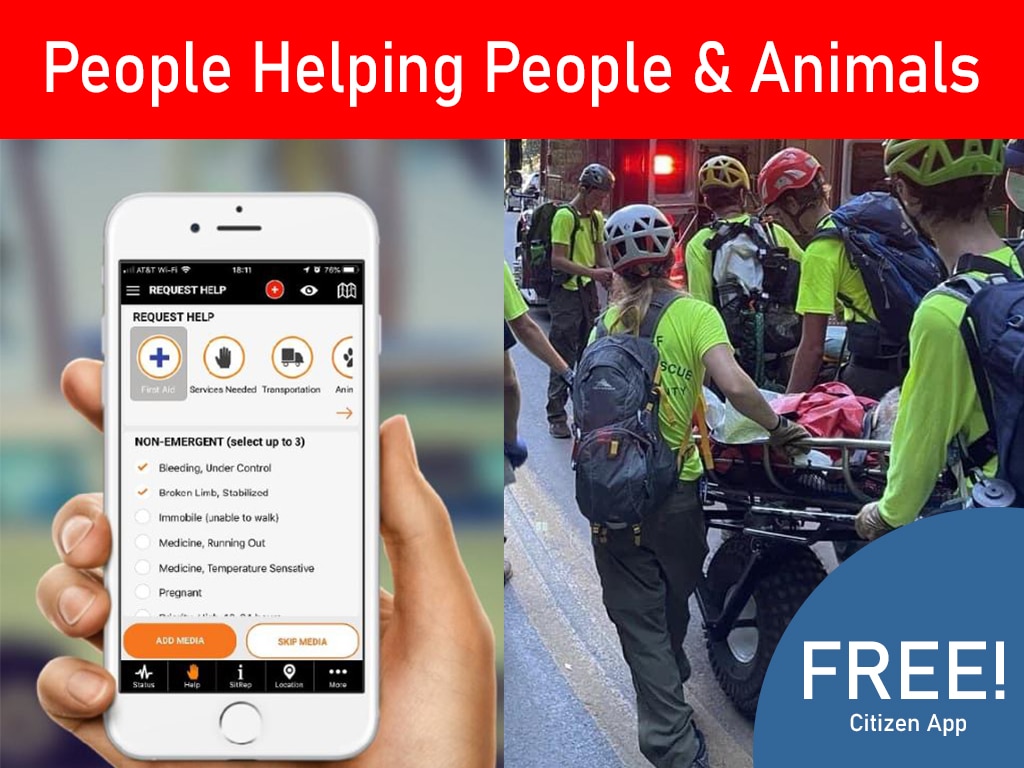
Thank you for reading this post, don't forget to install the free PubSafe mobile app and subscribe!
Ready to secure your FEMA grants? Call (813) 736-1853 to schedule a free demo of PubSafe’s volunteer hour tracking platform.
Many volunteer coordinators rely on manual logs and spreadsheets, but these systems often have errors or get lost. Understanding the true cost of manual volunteer hour tracking is the first step toward building a strong reporting path that survives a federal audit.
What Makes Volunteer Hour Tracking for Disaster Grants So Critical?
Volunteer hour tracking for disaster grants helps emergency nonprofits and community CERT groups claim in-kind credit toward the FEMA Public Assistance cost share. According to Independent Sector, one volunteer hour is worth $34.79 nationally as of 2025. This means that failing to keep records for just 1,000 volunteer hours can result in a $34,790 loss in documented community support. To get FEMA credits, records must include the hours worked, the work site, and a clear list of the tasks done by each person. Automating this work with specialized software ensures that data is captured in real-time and stays ready for an audit. This prevents the common problem of lost paper logs that lead to grant money being taken back.
The value of donated labor
Each hour of volunteer time has a specific dollar value. In 2025, the national value of one volunteer hour reached $34.79. According to Independent Sector, this rate reflects the impact of unpaid work. Nonprofit groups must track these hours to show their full budget. Without clear records, your group might look smaller than it is. This makes it harder to win new grants or prove community backing.
Key takeaway: A group with 500 volunteers logging 10 hours each generates $173,950 in documented community support. Without a tracking system, that value is invisible to grant reviewers.
FEMA audit and refund risks
FEMA has strict rules for cost-share credit. You must have a record of hours, work sites, and task descriptions for every person. If your records are thin, FEMA can take back funds they already gave. In one real case, FEMA pulled back $57,714 because sign-in sheets were not complete. This happened even though the work was done. To avoid these risks, groups should automate volunteer hour tracking before the next disaster hits.
For CERT teams specifically, learning how to report volunteer hours for grant funding helps ensure every hour of service is counted toward compliance.
IRS and legal rules
The IRS also needs tracking for larger nonprofits. Any group with more than $200,000 in annual revenue must report volunteer counts and hours. Managing this with spreadsheets is slow and prone to error. Failed audits can lead to lost status or fines. Paper systems also make it hard for a local public official to check the work. Moving to volunteer management software for CERTs and nonprofits ensures your data is safe and ready for review.
How Does FEMA Public Assistance Credit Volunteer Hours?
FEMA helps towns and states get back on their feet after disasters. Their Public Assistance (PA) program is a key tool for this. When a disaster hits, the costs to fix things can be high. FEMA usually pays for most of the work, but local groups must also pay a part. This is why tracking volunteer hours for FEMA grants is important for local leaders.
The 75/25 cost share rule
The Public Assistance program works on a cost-share basis. In most cases, FEMA pays 75 percent of the total cost for work that counts. The local or state government must cover the other 25 percent. This 25 percent is known as the non-Federal share. Paying this part can be hard for small towns or groups with little cash on hand.
FEMA lets groups use “in-kind” credit to meet this cost-share rule. This means you do not always have to pay cash for your 25 percent part. Instead, you can use the value of donated resources to offset the cost. According to FEMA policy, these credits help lower the cash costs for the local group.
What qualifies as in-kind credit for FEMA
FEMA policy states that donated resources used to support disaster work count toward the cost share. These include volunteer labor, donated equipment use, donated materials, and donated space. In-kind credits come from services or items given at no cost to the applicant. They are priced at the fair market rate for that area. Volunteer labor is the most common in-kind credit used by local groups. This is why proper tracking matters so much for your budget.
Key takeaway: Each volunteer hour can reduce your 25 percent share by the current $34.79 value. Tracking 5,000 volunteer hours at $34.79 each gives you $173,950 in credits toward your share.
FEMA documentation rules for volunteer hour tracking
To claim credit, you need more than just a total number. FEMA requires a clear list of hours, dates, work sites, and work descriptions for every volunteer. Without this, FEMA will deny the credit and demand cash instead. Manual sign-in sheets are the most common way groups track this data, but they often fail FEMA review. Key mistakes include missing dates, unclear writing, and lost pages. Moving beyond paper records helps avoid these common failures and ensures your group gets the credit it earned.
Groups using incident management software and emergency operations center software can integrate hour tracking with their existing response workflows for seamless compliance.
5 Steps to Automate Volunteer Hour Tracking for Grant Compliance
Managing paper logs during a disaster is a recipe for lost data and missed funding. By moving to a disaster response platform, you can streamline your reporting and protect your grant claims. Follow these five steps to build a tracking process that stands up to federal scrutiny.
Step 1: Choose a digital platform built for emergency response
Select software designed specifically for disaster volunteer management rather than repurposing a generic timesheet app. The right platform should support field data collection, real-time syncing, and exportable reports that match FEMA format requirements. Look for solutions that work offline, since internet access is often limited during disasters. Teams that already track CERT volunteer skills and certifications can integrate that data with hour tracking for a complete readiness picture.
Step 2: Set up digital check-in and check-out for every event or shift
Replace paper sign-in sheets with a mobile check-in system that captures the volunteer’s name, arrival time, departure time, assigned task, and work location. Digital check-in eliminates transcription errors and creates an audit trail that FEMA reviewers will accept. Many platforms also let you create recurring shifts, reducing the workload on coordinators during ongoing disaster operations.
Step 3: Standardize task categories and activity codes
FEMA expects clear activity codes that describe the type of work performed. Create a standardized list of task categories such as Search and Rescue, Shelter Operations, Logistics, Damage Assessment, and Distribution. Assigning codes to each volunteer shift during check-in ensures every hour is tied to a valid FEMA category. This prevents vague entries when you have to reconstruct the records later.
Step 4: Run real-time reports during the response period
Do not wait until after the disaster ends to check your numbers. Run weekly or even daily reports during active operations to catch errors early. Check for missing data, unassigned hours, and gaps in documentation. Correcting data while the work is fresh is far easier than explaining gaps during an audit months later.
Step 5: Export and store records in FEMA-ready formats
Make sure your platform can export data in formats FEMA accepts, such as CSV or PDF with all required fields. Store backup copies both on the platform and locally. Keep your records for at least three years after the grant period ends, as FEMA can audit your records years after the disaster.
Understanding how automated FEMA grant reporting works for NGOs and CERTs can help you set up these five steps more effectively.
Spreadsheets vs. Automated Software for Grant-Ready Hour Tracking
Many organizations start with spreadsheets because they are familiar and free. But when it comes to surviving a FEMA audit, the cost of manual errors often exceeds the price of a proper tool. Here is how the two approaches compare across the criteria that matter most for grant compliance.