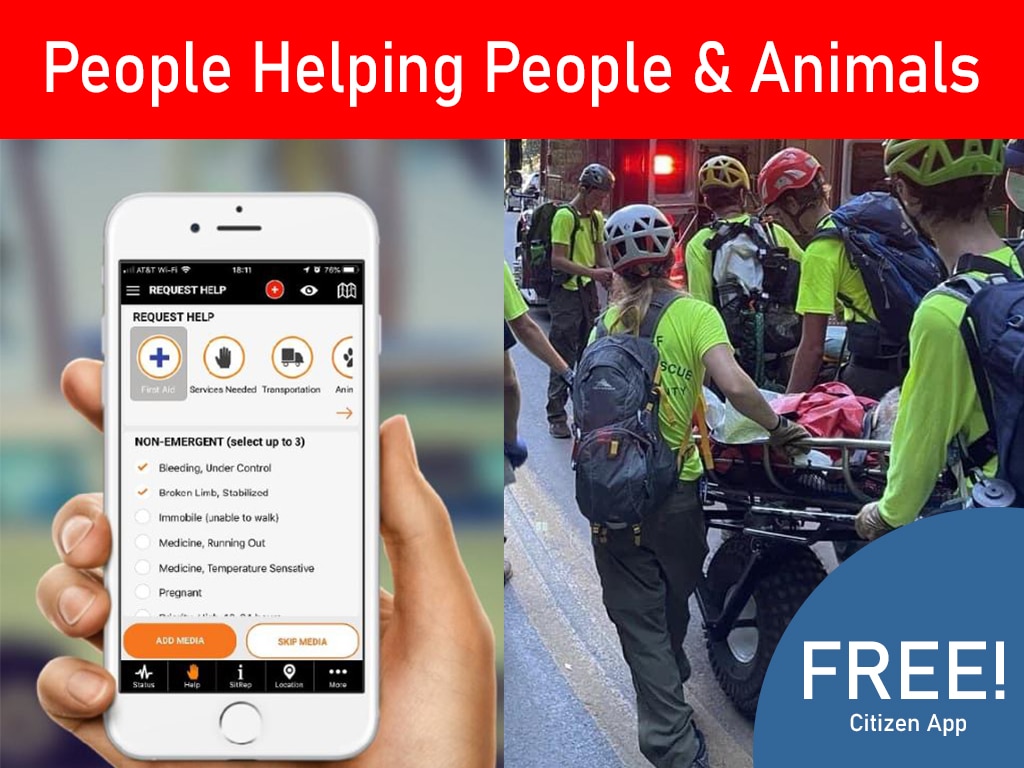
Community emergency response teams face chaotic and stressful situations during disaster drills and real-world incident deployments. Capturing what went well and what went wrong during these operations is vital for saving lives in future disasters.
Ready to improve your team response? Schedule a free consultation with PubSafe today to see how our software simplifies volunteer management and incident logging.
Getting useful feedback from volunteers who are tired after a hard response is difficult without a clear plan. Understanding the definition and history of these sessions helps you run them better. Let us look at What Is an After-Action Review for Community CERT Teams? to see how this simple process makes your response team stronger.
After Action Review Cert: What Is an After-Action Review for Community CERT Teams?
An after action review CERT session is a structured, collaborative evaluation process that community emergency response teams use immediately after a drill or deployment to analyze performance. By asking what was planned, what actually happened, why it happened, and what can be improved, team leaders can find operational gaps and strengthen coordination. When done right, this review helps emergency managers and volunteer coordinators transform real-world response data into clear lessons. It also builds the critical documentation needed to satisfy state grant compliance and plan better disaster training. Using a digital platform like PubSafe’s CERT member management platform simplifies this process by keeping all of your incident data in one central place.
A community Community Emergency Response Team (CERT) operates in high-stress disaster zones. To improve response times, a team must evaluate its work. An after-action review (AAR) is a systematic process used to evaluate how well a community CERT team performs during drills and real-world disaster response.
A Clean Focus on Physical Disaster Response
In the tech world, the term CERT often means a cybersecurity team. For a community CERT, the focus is on physical disaster response like fire safety and search tasks. An AAR for a local volunteer team looks at physical deployment, radio channels, and rescue work, not digital network threats.
Deep Military Roots and FEMA Integration
The AAR process began with the U.S. Army in the 1970s. Today, it integrates with the FEMA Incident Command System (ICS) to help local groups coordinate with professional emergency services. Leaders can link their reviews with a standard ICS framework to align terms and structures.
Safe Spaces for Active Volunteers
The goal of an AAR is learning, not blame. Reviews must provide a safe space for volunteers to discuss failures without fear. When volunteers feel safe, they share honest feedback that helps the whole team adapt and stay strong.
What Questions Should Every Community CERT AAR Answer?
An after-action review (AAR) helps community CERT volunteers evaluate their response to drills and real events. To build an honest after-action review CERT coordinators must guide teams through key operational questions.
The Four Standard Questions
Each review must start with four core questions. First, what did we plan to do? Second, what actually happened? Third, why did it happen? Finally, what will we do next time? These questions help CERT team management software users pinpoint gaps between plans and real field actions.
Staffing and Coordination
CERT teams must also ask a fifth question: how did we coordinate with professional emergency services? This step helps teams bridge the gap between volunteers and local fire or police departments, as seen in the SJN CERT after-action report (SJN CERT). Reviews must assess if staffing levels were right and if teams met radio communication challenges during the event.
Manual AARs vs. Software-Assisted AARs: What Works Best for CERTs?
When community CERT teams finish a drill or real-world response, they must evaluate their work. A detailed after-action review (AAR) takes time and resources to draft, but it is necessary to find and fix performance gaps. Teams must choose how they track this crucial data.
The Limits of Paper Reviews
Many community CERT teams use paper forms, clipboards, and basic spreadsheets to document response work. These manual steps are slow and make it hard to combine facts. Paper forms can get lost or damaged in wet field conditions, which hurts data quality.
The Value of Digital Records
Centralized software creates a single source of truth for post-incident reviews. Platforms with real-time field data let coordinators capture facts as they happen. This real-time tracking makes AARs more accurate and reduces the time needed to compile incident details. Using digital systems for volunteer tracking and documentation simplifies the review process and keeps data safe.
| Task Metric | Manual Methods | Centralized Software |
|---|---|---|
| Data Speed | Slow paper logs | Real-time field updates |
| Report Accuracy | Low, prone to errors | High, verified data |
| Time to Compile | Days or weeks | Minutes or hours |
| Grant Reports | Hard to assemble | Simple, instant exports |
| Trend Tracking | Needs manual work | Auto-saved dashboards |
How PubSafe Helps CERTs Streamline After-Action Reviews
A successful after action review CERT teams run relies on good field data. In the past, leaders had to chase paper forms or read text messages to build a timeline. PubSafe serves as a resilient coordination layer that links offline tools like radios with digital updates and provides government emergency communication tools. This single hub helps you compile facts while the event is still fresh.
Collect Field Data in Real Time
To write an emergency response after action report, you need exact times and details. PubSafe lets community CERT volunteers log tasks, track gear, and share updates from the field. This central system helps bridge the gap between volunteer teams and local emergency managers. Instead of guessing what happened, you get data-backed insights ready for your review.
Building a Culture of Continuous Improvement Through Community CERT AARs
Establishing a culture of continuous improvement in CERTs requires consistent leadership support. To build this trust, CERT members should be trained to provide constructive feedback during the after action review CERT process. Honest feedback helps teams find specific performance gaps and areas to fix within their emergency management platform.
How to Plan Better Drills
Coordinators can use these reviews to plan more effective drills based on found gaps. Testing these gaps in future training runs helps build a strong team. AARs also help CERTs align their internal processes with broader ICS protocols used by professional emergency managers.
Frequently Asked Questions
Why does your community CERT team need an after-action review?
According to FEMA, after-action reviews are critical to evaluate team performance after drills and real-world incidents. These reviews find strengths and areas for improvement. They also help coordinators plan better training and drills to fix performance gaps. Doing these reviews after every deployment builds a strong culture of continuous improvement within your volunteer team.
What is the difference between an AAR and an after-action report?
An after-action review is the actual meeting where volunteers discuss what happened during a response. The after-action report is the written document that records those findings. FEMA notes that detailed reports take more time and resources than quick briefings. These reports are necessary to save best practices and recommended actions for future disaster responses.
How can software make after-action reviews easier for community CERTs?
Centralized software creates a single source of truth for post-incident analysis. Real-time data from coordination software gives you accurate records of when and where tasks happened. This reduces the time needed to compile incident files. It also helps coordinators track volunteer hours to show the economic value of the response. Accurate hours help prove the impact of the team to municipal leaders.
Ready to Improve Your Community CERT After-Action Reviews?
Post-incident analysis is only as good as the data you collect during the actual response. Relying on paper logs and scattered memories risks losing key operational lessons, which makes it much harder to keep your volunteers safe or secure critical program grants. By upgrading your tools today, your team can capture accurate, real-time field data that turns chaotic drills into clear, actionable steps for your next active deployment.
Using manual tracking delays your progress and leaves room for costly planning mistakes during future local disasters. PubSafe provides a resilient digital coordination layer that makes volunteer tracking and post-incident analysis simple and highly accurate.
Ready to see the platform in action? Call (813) 736-1853 to schedule a free consultation to see how PubSafe helps CERTs conduct better after-action reviews.