A flooded road reported by a resident, a volunteer team waiting for direction, and a shelter manager requesting supplies may look like separate problems. During an incident, they are all inputs to the same operational challenge: disaster coordination. The organization that can collect those inputs, verify what matters, assign action, and keep everyone working from the same picture can respond faster and more effectively.
Coordination is not simply sending updates to a group chat or holding a briefing every few hours. It is the disciplined process of connecting people, requests, locations, resources, and decisions while conditions continue to change. When that process depends on disconnected spreadsheets, text threads, paper forms, and individual memory, critical details can be delayed, duplicated, or lost.
Disaster Coordination Starts Before the Incident
The strongest emergency operations are built during blue-sky periods, not improvised after a warning is issued. Teams need current records for staff, volunteers, partner organizations, certifications, training, equipment, and contact methods. They also need clear roles that answer practical questions: Who can approve a deployment? Who receives public reports? Who closes a work order? Who communicates with outside agencies?
Preparedness does not mean every event will follow the plan. It means the organization has a reliable structure when the plan must adapt. A tornado, wildfire, winter storm, hazardous-materials incident, or prolonged power outage will place different demands on the operation. The underlying need remains the same: personnel must know where to find accurate information and how to turn it into accountable action.
A readiness review should identify where information currently lives and who owns it. If volunteer qualifications are maintained in one file, assistance requests arrive through email, and field conditions are reported by phone, leaders have to assemble the incident picture manually. That effort consumes time exactly when the organization can least afford it.
Build One Operational Picture
A common operating picture gives command staff, dispatch leaders, field supervisors, volunteers, and partner agencies a shared view of what is happening. It should combine incident reports, requests for assistance, assigned work, available resources, status updates, and mapped locations. The goal is not to display every piece of information to every person. It is to provide each role with the information needed to make safe, timely decisions.
Start with structured intake
Every report should enter a consistent workflow, whether it comes from a resident, a call taker, an agency partner, or a field team. Capture the essential details: location, type of need or hazard, time reported, contact information when appropriate, urgency, supporting notes, and any available photos. Structured intake makes reports easier to sort, validate, route, and revisit.
A free-form message that says there is trouble near the elementary school may be useful, but it is difficult to assign. A report with a mapped location, observed condition, time, and callback details can become an actionable request. The difference is operational clarity.
Citizen reporting deserves a defined place in this process. Residents often see blocked roads, damaged utility lines, stranded animals, unsafe structures, and unmet needs before responders can reach every neighborhood. Their observations can extend situational awareness, but they still require review. Public reports are valuable intelligence, not automatic orders for deployment.
Map the work, not just the damage
Maps are most useful when they connect conditions to operational decisions. A live map can show reported hazards alongside open assistance requests, team locations, shelters, staging areas, road closures, and completed work. This helps leaders identify clusters of need, route teams more safely, and avoid sending multiple groups to the same task.
Map visibility also has limits. Sensitive locations, personally identifiable information, and operational details should be restricted to authorized users. A useful system balances field access with secure information handling. Not every view should be public, and not every volunteer needs the same permissions as incident command.
Turn Information Into Accountable Work
Situational awareness has limited value if it does not lead to decisions. Each validated request should have a clear status and an owner. Is it new, under review, assigned, in progress, awaiting outside support, resolved, or closed? Without status discipline, teams can mistake silence for completion.
Assignments should identify the responsible person or team, priority, location, mission details, safety considerations, expected check-in, and completion requirements. For a debris-clearing request, that may include roadway access, equipment needs, utility hazards, and coordination with public works. For a welfare check, it may include referral criteria, responder qualifications, and documentation requirements.
This is where work orders and dispatch activity become more than administrative records. They create a traceable chain from initial report to field action and closure. That chain supports shift changes, resource requests, partner coordination, after-action review, and public accountability.
Leaders should also plan for requests that cannot be completed immediately. A delayed task still needs a visible owner, a reason for the delay, and a next action. In a large-scale event, prioritization may depend on life safety, access constraints, weather, available personnel, or authority boundaries. Clear status prevents an unassigned request from disappearing simply because the operation is busy.
Coordinate Volunteers Without Creating New Risk
Volunteers can expand response capacity significantly, especially when local needs outpace professional resources. They can also create avoidable risk when organizations do not know who has arrived, what training they hold, or where they have been assigned.
Effective volunteer coordination begins with verified member profiles and current certifications. A chainsaw mission, shelter support assignment, damage-assessment task, and animal-care operation require different skills, supervision, and safety controls. Assigning by availability alone is not enough.
Check-in and dispatch processes should record who is working, where they are operating, who supervises them, and when they return or change status. This protects volunteers and gives incident leaders a more accurate picture of available capacity. It also makes it easier to manage fatigue during extended operations.
Communication must be practical at the field level. Teams need mission instructions, updates, reporting channels, and a clear way to escalate safety concerns. They should not have to search multiple apps and text threads to determine whether a location has already been assessed or whether conditions have changed.
Keep Community Communication Two-Way
Public alerts are necessary, but one-way messaging leaves a gap. Communities need official instructions, while responders need timely local observations. A two-way model lets residents receive trusted alerts and report hazards, conditions, and assistance needs through a defined channel.
The key is setting expectations. Citizens should know what information to report, what to do in an immediate emergency, and when they can expect follow-up. Organizations should explain that submitting a report does not guarantee instant response, particularly when life-safety incidents and access limitations determine priorities. Honest expectations build more trust than broad promises.
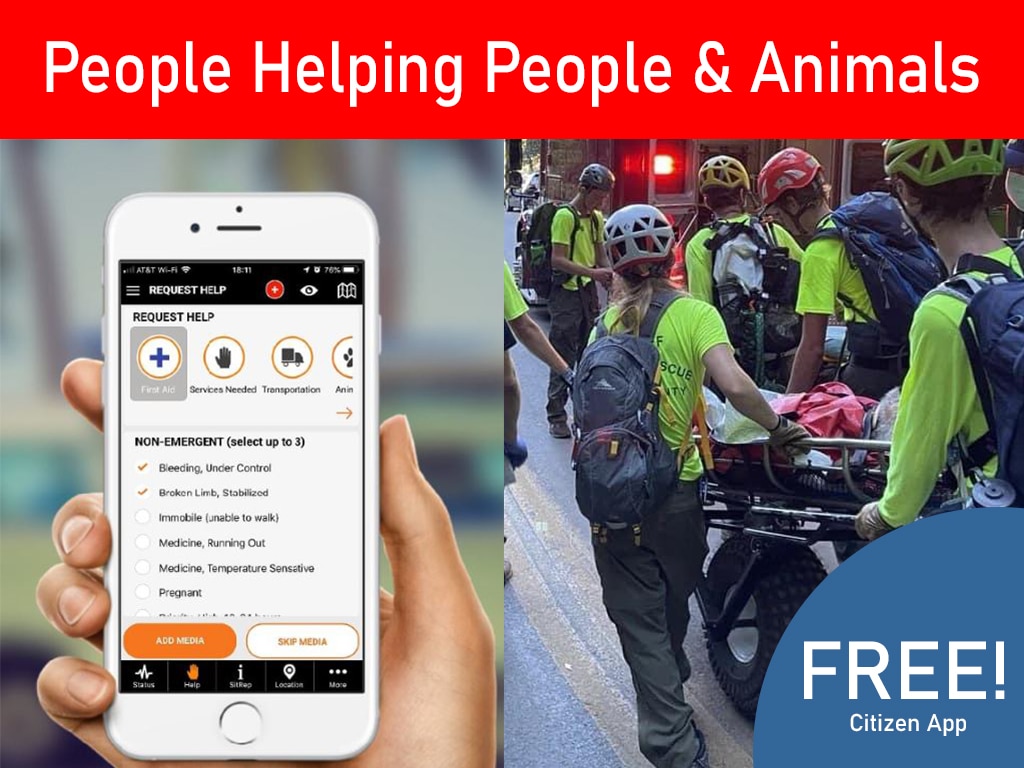
PubSafe supports this operational model by bringing organizational records, volunteer management, help requests, dispatch activity, alerts, and live mapping into one cloud-based portal, while its free citizen app gives residents a direct path to report local conditions. The purpose is not to replace incident command judgment. It is to reduce the friction between a report, a decision, and a documented response.
Practice the Handoffs That Fail in Real Events
Most coordination failures happen at handoffs: between shifts, between agencies, between intake and dispatch, or between field teams and command. Exercises should test these transitions instead of focusing only on whether a notification can be sent.
Run a scenario in which multiple reports describe the same problem from different locations. Test whether staff can identify duplication, validate the condition, create one assignment, and communicate status to affected parties. Then test a shift change halfway through the assignment. Can the incoming coordinator see what was reported, who was sent, what hazards were identified, and what remains unfinished?
Measure the process with questions that matter operationally. How long does it take to turn a validated report into an assignment? How many requests are missing a location or owner? Can command identify qualified personnel for a specialized mission? Are completed tasks documented consistently? The answers reveal where a workflow needs improvement before the next incident.
Make the Next Report Useful
A community does not become coordinated because it has more communication channels. It becomes coordinated when every report can move through a trusted process: received, assessed, assigned, tracked, and closed with the right people informed. Build that process before the pressure rises, train people to use it, and give residents a safe way to contribute what they see. When conditions change quickly, organized information becomes one of the most valuable resources a community has.