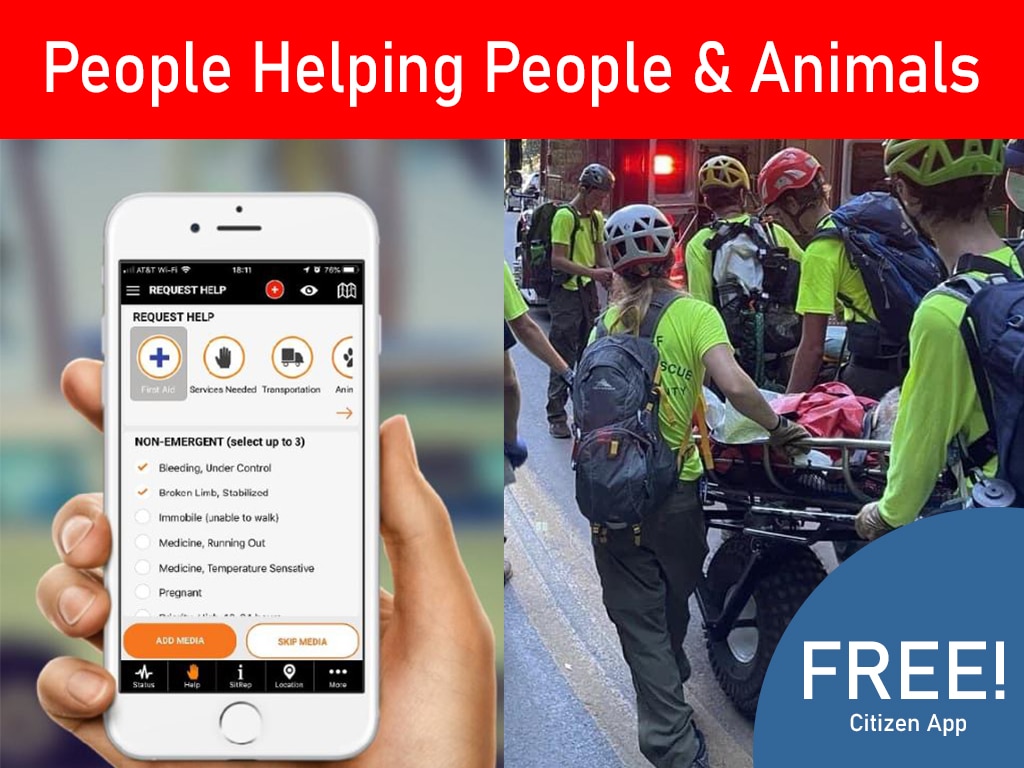
The definition of a “crisis” is getting broader. While we often think of natural disasters, many emergencies are deeply personal, like a mental health episode or a welfare check on a vulnerable neighbor. In these moments, an armed officer may not be the most appropriate or effective response. This has fueled the growth of a different kind of first responder: the civilian crisis response team. Composed of trained medics, social workers, and crisis counselors, these teams are designed to de-escalate situations and connect people with care, not custody. Here’s a closer look at why this health-first model is gaining ground.
Leveraging the Human Spirit
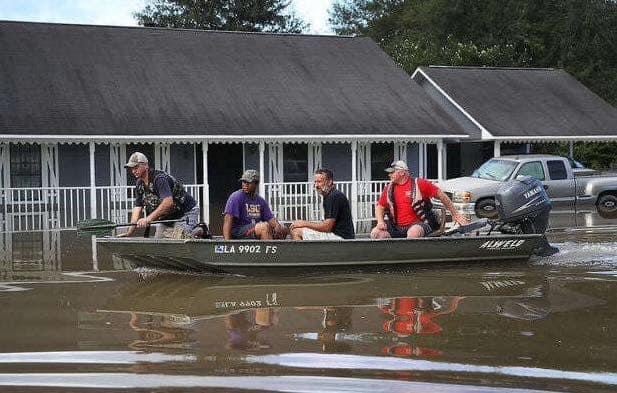
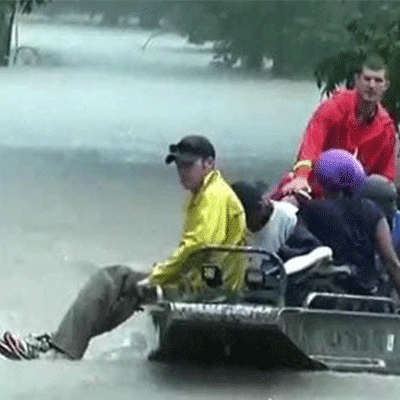
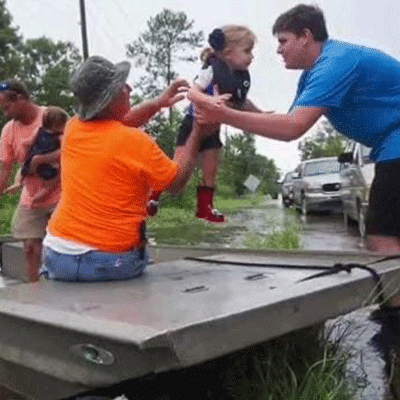
This picture tells the story of civilian crisis response. Regardless of the government’s ambitions, it’s impossible for it to accomplish everything. Everyday people and NGOs are an essential element to a large scale disaster response. The question is how to incorporate civilians to be a safe and effective part of disaster response or emergency response. Historically the core issue is trying to manage the 1%. For every 100 successful civilian led rescues, 1 will go bad. The same holds true for professional responders because life is not perfect.
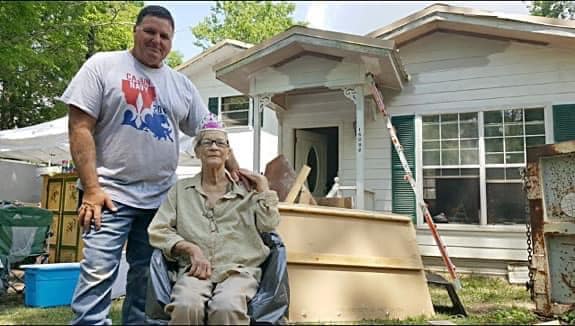
With a zero defect mentality, the 99 positive outcomes would never happen. The 99 are sacrificed to avoid bad press or injury of 1. As a practical matter this is an unfortunate, but acceptable, outcome. Politicians, sheriffs and city councils need to take the heat for the 1 and focus on the 99. The media needs to sensationalize the positive outcomes, and downplay the negative.
What is a Civilian Crisis Response Team?
At its heart, a Civilian Crisis Response Team (CCRT) is a group of organized volunteers who step up to help their communities during an emergency. Think of them as neighbors helping neighbors, but with structure, training, and coordination. According to the Civilian Crisis Response Team organization, they are “everyday people who volunteer to help others during emergencies and disasters.” This can range from large-scale natural disasters like hurricanes and wildfires to more localized incidents. The core idea is that community members are often the first on the scene and, when properly organized, can provide critical support long before professional responders arrive. They fill the gaps, offering immediate aid, local knowledge, and a powerful sense of community solidarity when it’s needed most.
Beyond Natural Disasters: A Broader Definition
While we often picture disaster response in the context of floods or earthquakes, the definition of a “crisis” has expanded. Today, civilian response teams are increasingly being formed to handle situations where a traditional law enforcement response may not be the most effective or appropriate solution. This includes mental and behavioral health crises, substance use emergencies, and welfare checks. These teams are composed of trained professionals like social workers, medics, and mental health counselors who can de-escalate situations and connect people with long-term resources rather than making an arrest. This broader approach recognizes that a compassionate, specialized response is often what’s truly needed to resolve a crisis and help individuals in distress.
The Growing Need for Civilian-Led Responses
The push for civilian-led response isn’t just a new trend; it’s a direct answer to some of the long-standing challenges in traditional emergency services. For one, it helps build community trust. When people see their own neighbors and community members stepping up to help, it fosters a sense of shared responsibility and connection. This is especially important in communities where trust in law enforcement may be strained. Furthermore, civilian teams can significantly lighten the load on professional first responders, allowing police, fire, and EMS to focus on the calls where their specific skills are most critical. By handling non-violent or specialized calls, civilian teams create a more efficient and effective public safety system for everyone.
Building Equity and Community Trust
A key driver behind the growth of civilian response is the goal of creating a more equitable and just emergency system. For many, particularly in communities of color, an encounter with law enforcement can be a source of fear and anxiety, even when they are the ones calling for help. The Vera Institute of Justice notes that police are often not the best-equipped responders for mental health crises, and their presence can escalate a situation unnecessarily. Civilian response models offer an alternative that prioritizes de-escalation and care over enforcement. By sending trained specialists like social workers or medics, communities can ensure that individuals in crisis receive help from someone whose primary goal is to support them, not to detain them.
Addressing Fear of Police Harm in Communities of Color
For many Black, Indigenous, and other people of color, the fear of police harm is a daily reality. The Vera Institute of Justice points out that “many Black people live in fear that police will harm them or their families.” This creates a dangerous dilemma where people in crisis may hesitate to call 911 for fear of making a bad situation worse. A civilian crisis team, dispatched for mental health or other non-violent calls, can be a trusted alternative. When the person arriving at the door is a medic or a counselor instead of a uniformed officer, it fundamentally changes the dynamic and makes it safer for everyone to seek and receive help.
Creating an Antiracist Response System
Building a civilian response program from the ground up offers a unique opportunity to embed principles of equity and antiracism directly into its DNA. It’s a chance to design a system that is explicitly intended to serve all members of the community fairly, without the historical baggage and systemic biases that can be present in traditional systems. This involves actively recruiting responders from the communities they serve, providing ongoing training on cultural competency and implicit bias, and establishing strong community oversight to ensure accountability. The goal is to create a system where everyone feels safe calling for help.
Using Data to Ensure Fairness
To ensure a response system is truly equitable, organizations must be committed to tracking their performance with data. This means collecting and analyzing information on response times, outcomes, and the demographics of who is being served. By regularly reviewing this data, teams can identify any disparities in service and take corrective action. For example, are response times slower in certain neighborhoods? Are outcomes different for different racial groups? Answering these questions with hard data is the only way to hold a program accountable and ensure it is living up to its promise of fairness for all.
The Impact by the Numbers
The case for civilian response becomes even stronger when you look at the data. These teams aren’t just a good idea in theory; they are making a measurable difference in communities across the country. From closing the life-threatening gap in response times to successfully de-escalating the vast majority of mental health calls without force or arrest, the numbers show that civilian-led initiatives are highly effective. The rapid growth of these programs is a testament to their success, demonstrating a clear and expanding role for community members in public safety.
Bridging the Critical Response Time Gap
When a disaster strikes or someone has a medical emergency, minutes matter. According to the Civilian Crisis Response Team, it takes an average of seven minutes for professional responders to arrive after a 911 call. In that time, a life can be lost. Trained civilian volunteers who are already in the community can often get to a scene faster, providing critical aid like CPR, controlling bleeding, or simply offering comfort until professional help arrives. They are the essential bridge in those first critical moments of an emergency.
Success Rates of Non-Police Mental Health Calls
Programs that use civilian responders for mental health calls have shown remarkable success. For example, the long-running CAHOOTS program in Eugene, Oregon, which dispatches a medic and a crisis worker to mental health calls, responds to thousands of calls a year and requires police backup in less than 1% of cases. This model has been replicated in cities like Denver and Albuquerque with similar results, proving that a health-centered approach is not only safer but also incredibly effective at resolving crises without arrests or hospitalization.
The Potential Scope of Civilian Response
The civilian response movement is growing rapidly. The Civilian Crisis Response Team, for instance, has expanded to over 2,000 members across 19 states since its founding in 2015. This growth shows a widespread recognition that community involvement is a vital component of public safety. As more cities and towns explore these models, the potential for civilian teams to handle a significant percentage of 911 calls—particularly those related to mental health, homelessness, and minor disputes—becomes increasingly clear, promising a more efficient and humane system for all.
The Broad Spectrum of Civilian Crisis Response
Civilian response isn’t a one-size-fits-all solution; it’s a flexible concept that can be adapted to meet a wide variety of community needs. The same principles of using trained, non-enforcement personnel can be applied to everything from massive, coordinated disaster relief efforts to individual mental health crises and even minor everyday emergencies. This versatility is one of the greatest strengths of the civilian response model. It allows communities to identify their specific challenges—be it a lack of mental health services, slow ambulance times, or vulnerability to natural disasters—and build a team that is tailor-made to address them, ensuring the right responders are sent to the right calls.
Large-Scale Disaster Relief
In the chaotic aftermath of a hurricane, wildfire, or flood, the needs of a community can quickly overwhelm official agencies. This is where organized civilian teams become indispensable. They can set up and run shelters, distribute food and water, conduct search and rescue operations in their own neighborhoods, and perform damage assessments. The key to making this work is coordination. Without a central platform to connect volunteers with official responders and NGOs, efforts can be duplicated, and resources can be wasted. A unified system ensures that everyone is working together efficiently to save lives and help the community recover.
How PubSafe Facilitates Coordinated Efforts
The biggest challenge in any large-scale disaster is getting everyone on the same page. PubSafe is designed to solve this problem by creating a single, real-time operating picture for all stakeholders. When a volunteer group, an NGO, and a government agency can all see the same map with the same incident reports and resource requests, coordination becomes seamless. Our platform allows organizations to manage their teams, assign tasks, and communicate effectively, turning a chaotic collection of well-intentioned individuals into a powerful, coordinated response force. This is how you safely and effectively leverage the power of civilian volunteers.
Mental and Behavioral Health Crises
Perhaps the most prominent application of civilian response is in handling mental and behavioral health crises. When someone is experiencing a psychotic episode, suicidal ideation, or a substance use emergency, sending an armed police officer can often escalate the situation and lead to tragic outcomes. A team of trained crisis workers or medics, on the other hand, can provide a compassionate, health-focused response. They are equipped with the skills to de-escalate the situation, assess the individual’s needs, and connect them to appropriate care, such as a crisis stabilization unit or detox facility, rather than an emergency room or jail.
Everyday Emergencies
Not every crisis is a life-or-death situation. Civilian response teams can also be invaluable for handling smaller, everyday emergencies that may not require a full 911 response. This could include conducting welfare checks on elderly or vulnerable neighbors, assisting someone who has fallen and needs help getting up, or providing basic first aid for minor injuries. By handling these lower-acuity calls, civilian teams free up police and EMS to respond to more serious emergencies, improving overall service for the entire community while also strengthening neighborhood bonds.
Proven Models for Structuring Crisis Teams
As more communities embrace civilian response, several effective models for structuring these teams have emerged. There is no single “right” way to do it; the best approach often depends on a community’s specific needs, resources, and existing public safety infrastructure. Some models fully replace law enforcement for certain call types, while others use a hybrid approach where civilian specialists and police officers work side-by-side. Understanding these different structures can help community leaders and organizers choose the model that will be the most effective and best received by their residents.
The Alternative Response Model: Unarmed Professionals
The alternative response model is built on the idea of sending the right tool for the job. In this structure, 911 dispatchers are trained to identify specific call types—like mental health crises, intoxication, or issues related to homelessness—and route them to a team of unarmed professionals instead of the police. As seen in the Alternative Crisis Response program in LA County, these teams are typically staffed by paramedics, social workers, or peer support specialists. They arrive in a non-police vehicle and are equipped to provide on-site medical care, de-escalation, and transportation to services, completely diverting the call from the law enforcement system.
The Co-Responder Model: A Hybrid Approach
The co-responder model offers a more integrated, hybrid approach. In this system, a mental health professional or social worker is paired directly with a specially trained police officer. Together, they respond to crisis calls as a team. According to the Seattle Police Department, this model combines the clinical expertise of the mental health professional with the safety and scene-control skills of the officer. It’s often seen as a good first step for departments looking to improve their crisis response, as it keeps officers involved while ensuring that a clinical expert is on hand to lead the interaction with the person in crisis.
How Governance Shapes a Team’s Mission and Trust
How a crisis team is governed has a huge impact on its relationship with the community. A team that is run directly by the police department may be viewed differently than one operated by the fire department, a local non-profit, or the public health department. To build deep community trust, many successful programs incorporate a community advisory board into their governance structure. This ensures that residents have a direct voice in the team’s policies, training, and oversight, making the program truly accountable to the people it serves.
A Structured Framework for Crisis Management
Effective crisis response doesn’t just happen by chance; it follows a structured, cyclical process. Understanding this lifecycle is crucial for any organization, whether it’s a government agency or a community-based volunteer team. According to the crisis management experts at Everbridge, thinking about a crisis in four distinct stages helps organizations prepare for, respond to, and recover from events more effectively. This framework turns a chaotic event into a manageable process, allowing teams to learn from each incident and continuously improve their readiness for the next one. It’s about being proactive, not just reactive.
The Four Stages of a Crisis Lifecycle
The crisis lifecycle provides a clear roadmap for managing an emergency from beginning to end. It starts long before the event and continues long after the immediate danger has passed.
1. Pre-Crisis: Planning and Mitigation
This is the most important stage. The pre-crisis phase is all about preparation and prevention. It involves creating response plans, conducting training exercises, identifying potential risks, and taking steps to mitigate them. For a community team, this could mean developing communication protocols, certifying volunteers in first aid, and mapping out vulnerable locations in their neighborhood. Strong preparation is the foundation of a successful response.
2. Crisis: The Initial Event
This is the moment the incident occurs—the earthquake hits, the 911 call is made, the floodwaters rise. The initial event is often characterized by confusion, uncertainty, and an overload of information. The goals during this brief but intense phase are to quickly assess the situation, activate the response plan, and establish clear lines of communication. This is where having a common operational picture, like the one provided by the PubSafe public map, becomes critical for situational awareness.
3. Response: Managing the Immediate Aftermath
The response phase is where the hands-on work happens. It involves deploying personnel and resources to stabilize the situation, protect life and property, and meet the immediate needs of those affected. This is the longest and most resource-intensive phase, encompassing everything from search and rescue to providing medical care, shelter, and food. Effective coordination and real-time communication are paramount to ensuring that aid is delivered where it’s needed most without delay.
4. Post-Crisis: Recovery and Learning
Once the immediate threat has passed, the post-crisis phase begins. This stage has two key parts: recovery and learning. Recovery involves the long-term process of helping the community get back to normal, which can include cleanup, financial assistance, and mental health support. The learning component is just as crucial. It involves conducting a thorough review of the response effort to identify what went well, what didn’t, and how the plan can be improved for the future.
Building a Professional and Effective Team
Simply having a group of willing volunteers isn’t enough to create an effective crisis response team. To be truly successful and earn the trust of both the community and official agencies, a team must be built on a foundation of professionalism. This means committing to rigorous, standardized training, establishing clear operational standards, and ensuring that responders have the support and tools they need to do their job safely and effectively. It’s about moving from a well-meaning group to a well-oiled machine that can be relied upon when the stakes are highest.
The Role of Specialized Training and Standards
High-quality, ongoing training is the bedrock of any professional response team. Responders need specialized skills in areas like de-escalation, mental health first aid, trauma-informed care, and specific disaster response techniques. Adopting recognized standards, like the 40-hour Crisis Intervention Team (CIT) training, ensures that all members have a shared knowledge base and are prepared to handle complex situations effectively. This commitment to professional development not only improves outcomes but also builds credibility with partner agencies and the public.
Crisis Intervention Team (CIT) Certification
Crisis Intervention Team (CIT) training is a 40-hour program designed to teach responders how to safely and effectively interact with individuals experiencing a mental health crisis. While originally developed for police officers, its principles of empathy, de-escalation, and connection to mental health services are essential for any crisis responder. As the Seattle Police Department’s program shows, becoming “CIT Certified” provides a clear standard of excellence and equips responders with the practical skills needed to turn a potential crisis into a successful intervention.
The Importance of Competitive Pay
While volunteerism is the heart of many community teams, creating a sustainable, 24/7 response model often requires paid, professional staff. The Vera Institute of Justice recommends offering competitive wages to civilian responders, similar to what their law enforcement counterparts earn. This is critical for attracting and retaining qualified, experienced individuals and preventing the high rates of burnout and turnover that can plague underfunded social service fields. Paying a living wage acknowledges the skill and importance of the work, ensuring the team remains professional and reliable long-term.
Specialized Tools for De-escalation and Safety
Effective response requires more than just well-trained people; it also requires the right tools. For civilian teams, this doesn’t mean weapons, but rather resources that enhance communication, safety, and their ability to de-escalate. This includes reliable communication systems to stay connected with dispatch and other team members, personal protective equipment (PPE), and access to information databases that can provide crucial context about a person or location. A platform that allows for real-time incident reporting and information sharing is an invaluable tool for modern response teams.
Understanding Extreme Risk Protection Orders (ERPOs)
In some situations, a crisis responder may identify an individual who poses a significant, immediate threat of harm to themselves or others with a firearm. An Extreme Risk Protection Order (ERPO), also known as a “red flag law,” is a civil court order that temporarily prevents such an individual from possessing or purchasing firearms. While responders themselves don’t issue these orders, being trained to recognize the warning signs and understand the legal process for an ERPO can be a critical tool for preventing gun violence and connecting a person in crisis with a life-saving intervention.
The Critical Role of Emergency Dispatch
A civilian response team can have the best training and resources in the world, but if no one knows how to call them, they are useless. The emergency dispatch system—the 911 call centers—is the gateway to all emergency services. For civilian response to work, dispatchers must be integrated into the system. This requires a fundamental shift in how 911 centers operate, moving from a model that primarily dispatches police, fire, and EMS to a more nuanced system that can accurately triage calls and send the most appropriate responder, whether that’s a police officer, a paramedic, or a mental health professional.
Alternatives to 911: The 988 Lifeline
One of the most significant advancements in crisis dispatch is the nationwide launch of the 988 Suicide and Crisis Lifeline. This easy-to-remember, three-digit number provides a direct connection to trained mental health counselors, separate from the 911 system. According to the LA County Department of Mental Health, the line launched nationally in 2020, creating a clear and accessible entry point for anyone experiencing a mental health crisis. By routing these calls directly to specialists, 988 ensures that people get the right help immediately and reduces the burden on 911, which can remain focused on police, fire, and medical emergencies.
Embedding Mental Health Professionals in 911 Centers
Another innovative model involves embedding licensed mental health clinicians directly into 911 dispatch centers. These professionals can assist dispatchers in real-time by helping them identify calls that are rooted in a mental health issue. They can provide advice to the dispatcher, speak directly to the caller to de-escalate the situation over the phone, and help determine whether a police, EMS, or civilian response team is the most appropriate resource to send. This “co-location” model ensures that clinical expertise is applied at the earliest possible moment—the moment the call for help is made.
How Can You Get Involved in Civilian Crisis Response?
The goal should be funneling the appropriate situations that require fewer skills, resources and risk to civilian disaster response teams. Enabling them to use initiative, civilian skills and common sense to handle “lower level” public safety situations improves overall outcomes. This frees government personnel to handle high risk, high skill, rescues as long as their resources are sufficient. When government resources run out, civilians (preferably with NGOs and prior experience), need to be looped in. There is no reason to have 1,000 help requests that cannot be serviced and hundreds of volunteers/NGOs standing by to help. Many NGOs have more experience than government trainers personnel.
The trick is management of the help requests and the movement of information. Well funded professionals often don’t have the communication equipment or data sharing services to work together. How can NGOs and civilian disaster response be expected to be looped in while maintaining security?
The issue becomes more complex when teams and civilians from one region assist in another, due to variations in technology, accessibility, politics, and Standard Operating Procedures (SOPs).
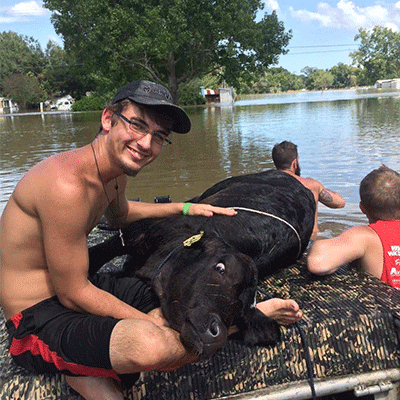
The answer starts with a unified platform with a single pane of glass (web portal).
A unified platform, unaffected by budgets, political borders, or political issues, can efficiently manage and deliver information to the right people at the right time. Information can be passed between civilians, NGOs, governments, and corporate partners…in real time.
What Challenges Do Civilian Crisis Response Teams Face?
This model is dependent on cellular communication which often suffers in a major disaster, mostly hurricanes. Wildfires, tornadoes, famine, and other disasters are unaffected by this. There has been great strides in network resilience and mobile networks but it is not consistent or evenly distributed. A combination of cell and satellite communication helps gap the downtime but this can be expensive.
How Politics Impacts Civilian Rescue Efforts
Politics at the city, county, state and federal level. Politics are also part of NGOs who compete for opportunities to be involved. Rooted in the politics is most often the desire to help people but avoid seeing the 1% in the news. Letting go of our egos and some control enables others to step up and do what needs to be done. Threatening to arrest volunteers at the expense of victims creates friction and ill will between the groups. It perpetuates feelings of “big brother” and feels like a socialist heavy hand on a free society.
Competing technology, such as platforms like PubSafe, CrowdSource Rescue, and D4 make it more challenging due to the absence of a common standard for information exchange between platforms diminishes the field staff’s efficiency.
These sectors are gradually improving, but the “industry” is far from becoming a smoothly integrated ecosystem.
The role of FEMA is to drive the bus so industry figures out how to solve these problems nationally and globally. The world is getting smaller and these ideas need to seamlessly transfer to a global platform, not one that breaks at the border.
Frequently Asked Questions
What’s the real difference between a civilian crisis team and traditional first responders? The main difference lies in their primary function and training. Traditional responders like police and firefighters are trained for law enforcement and specific life-saving emergencies. Civilian crisis teams are often composed of medics, social workers, and trained volunteers who specialize in de-escalation and providing support. They are designed to handle situations, such as mental health crises or welfare checks, where a compassionate, health-focused approach is more effective than an enforcement-based one.
Are these teams just for big natural disasters? Not at all. While they are absolutely essential during large-scale events like hurricanes and wildfires, the definition of “crisis” has grown. Many civilian teams are now formed specifically to respond to personal crises, including mental health emergencies, substance use issues, and checking on vulnerable neighbors. They fill a critical gap by providing the right kind of help for situations that don’t necessarily require a police or paramedic response.
How do you make sure civilian volunteers are properly trained and don’t make a situation worse? This is a crucial point, and the key is professionalism. Effective civilian response isn’t about a random group of people showing up to help. It’s about creating an organized team built on a foundation of rigorous, standardized training. This includes certifications in things like mental health first aid and Crisis Intervention Team (CIT) training, which equip responders with the skills to de-escalate situations safely and connect people with the care they need.
Why is coordination so important for these teams, especially during a large-scale event? During a major disaster, communication is often the first thing to break down. You might have multiple government agencies, NGOs, and volunteer groups all working in the same area without knowing what the others are doing. This leads to wasted resources and, more importantly, people in need being overlooked. A unified platform allows everyone to see the same real-time information, so efforts can be coordinated efficiently to ensure help gets where it’s needed most.
What’s the first step for an organization that wants to get involved with civilian response? A great first step is to establish clear internal protocols and get your team connected to the wider emergency response network. This means finding a way to communicate and share information with other responders in your area. Registering your organization on a platform like PubSafe allows you to manage your own team while also seeing the larger operational picture, making it possible to coordinate with government agencies and other NGOs when an emergency happens.
Key Takeaways
- Match the responder to the crisis: Many emergencies, especially those involving mental health, benefit from a health-focused solution. Civilian crisis teams can de-escalate situations and connect people with care, offering an effective alternative to a traditional law enforcement response.
- Build your team on a foundation of trust: An effective response team relies on professionalism. This means committing to standardized training, like CIT certification, and establishing clear operational models to ensure your team is credible, safe, and ready for any situation.
- Unify all teams with a common platform: Successful disaster response depends on seamless coordination. A shared platform gives all stakeholders, from individual volunteers to government agencies, a single real-time view to manage resources and communicate effectively.
Related Articles
- Civilian Crisis Response. How To Utilize People
- Civilian Crisis Response: Empowering Volunteers in Emergencies | PubSafe
- Disaster Response Platform | Community‑Driven Emergency Coordination | PubSafe
- Volunteer Coordination During Emergencies: How Communities, NGOs, And Responders Work Together
- Why Community Driven Disaster Response Matters | PubSafe