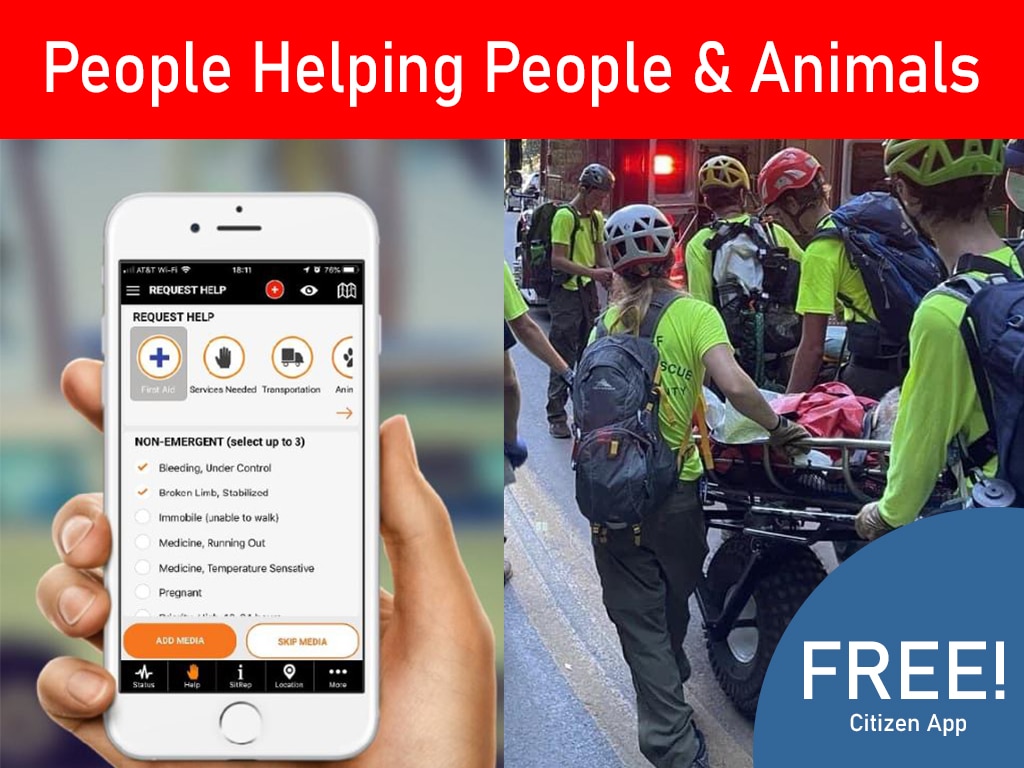
During a crisis, the quality of your decisions is directly tied to the quality of your information. Making calls based on fragmented radio chatter, delayed reports, or unverified social media posts is a high-risk gamble. You might send resources where they aren’t needed or miss a critical incident entirely. To lead effectively, you need a clear, live picture of the entire operational area. This is the core function of a modern response platform. A well-designed community emergency response software for nonprofits and municipalities transforms a flood of raw data from the field into actionable intelligence. It gives you a common operating picture on a live map, enabling you to make smarter, faster decisions with confidence.
Key Takeaways
- Manual methods create chaos under pressure: Relying on spreadsheets, phone trees, and group texts during a crisis leads to communication breakdowns and slow deployments, putting your team and community at risk.
- A central platform provides clarity and control: The right software brings volunteers, agencies, and citizens together on a single, live map, giving you the real-time awareness needed to make faster, smarter decisions.
- A smart rollout plan is essential for success: Ensure a smooth transition by integrating the software into your existing emergency plans, training your team with hands-on drills, and using the data to measure your performance and prove your impact.
What Are Community Emergency Response Teams (CERTs)?
When a disaster strikes, professional first responders are often stretched thin. This is where Community Emergency Response Teams, or CERTs, come in. Think of a CERT as a group of your neighbors who have received special training to help everyone get through an emergency safely. It’s a formalized program that equips everyday people with the skills to prepare for and respond to disasters that could impact their own community. The goal isn’t to replace professionals, but to provide a crucial bridge of support in the immediate aftermath of an event.
The core idea is simple: local volunteers are trained to take care of themselves, their families, and their neighbors in the critical hours after a disaster before professional help can arrive. The Community Emergency Response Team (CERT) program provides a structured framework for this training, ensuring that volunteers are not just willing to help, but also capable and organized. They become a vital extension of the official response network, providing immediate assistance and crucial information from the ground. By empowering citizens with knowledge and skills, CERTs build a more resilient community from the inside out. This creates a network of prepared individuals ready to act when they are needed most, which is essential for effective volunteer coordination during emergencies.
What Do CERTs Do During a Disaster?
During a disaster, CERT volunteers are the helping hands on the ground. Their training covers a range of essential skills, including basic fire safety, light search and rescue, and disaster medical operations. They learn how to put out small fires, safely turn off utilities, and provide first aid to those with minor injuries. This allows professional responders to focus on more complex and life-threatening situations. CERT members are trained to work as a team, assessing situations and communicating needs back to emergency officials. They might set up a medical triage area, check on vulnerable neighbors, or help manage spontaneous volunteers, bringing a sense of order to a chaotic scene.
Who Runs CERT Programs?
The CERT program is a national initiative managed by the Federal Emergency Management Agency (FEMA). While FEMA provides the curriculum and overall structure, the programs themselves are run at the local level. Typically, a local government agency, like a fire department, police department, or office of emergency management, sponsors and manages the CERT for their community. This local sponsorship is what makes the program so effective. It ensures the training is tailored to the specific risks a community faces, whether it’s hurricanes on the coast, tornadoes in the plains, or wildfires in the west. This structure connects trained volunteers directly with their local emergency response leaders.
Common Challenges in Managing CERT Volunteers
Leading a Community Emergency Response Team is an incredibly rewarding role, but it comes with its own set of operational hurdles. You’ve put in the hours training your team and preparing your community, but when a real disaster strikes, theory and practice can feel worlds apart. Your volunteers are passionate and ready to help, yet mobilizing them effectively during a crisis is a complex task that can test even the most seasoned leaders. The fast-paced, high-stakes nature of an emergency can quickly expose gaps in communication, volunteer management, and resource deployment.
These challenges aren’t a reflection of your team’s dedication; they are common pain points for volunteer organizations everywhere. Relying on manual methods like phone trees, spreadsheets, or a patchwork of different apps often creates friction right when you need a smooth, coordinated response. Information gets siloed, volunteer availability is a mystery, and critical needs on the ground go unreported. From getting the right information to the right people to deploying volunteers where they’re needed most, the logistical burden can be immense. Understanding these common obstacles is the first step toward building a more resilient and effective response system for your community. It’s about moving beyond makeshift solutions and adopting tools designed for the unique pressures of emergency management.
Communication Breakdowns
During an emergency, clear communication can be the difference between a coordinated response and chaos. Yet, as FEMA notes, communication breakdowns are a frequent issue for many Community Emergency Response Teams. Information gets lost in a mix of radio chatter, personal text messages, and social media updates. Without a single, reliable channel, it’s nearly impossible to ensure everyone has the same up-to-date information. This can lead to duplicated efforts, delayed assistance, and confusion on the ground when every second counts. When teams can’t talk to each other or to a central command, the entire response effort is at risk of falling apart, leaving both volunteers and the community vulnerable.
Tracking and Managing Volunteers
You have a team of dedicated volunteers, but do you know who is available, what their skills are, and where they are located right now? Many CERT leaders rely on spreadsheets or paper binders to manage this information. While that might work for day-to-day administration, it becomes a significant bottleneck during an emergency. Sifting through records to find a volunteer with first-aid certification or someone who can operate a chainsaw is inefficient and stressful. This lack of a centralized system makes effective volunteer coordination difficult, preventing you from quickly matching the right person to the right task when your community needs it most.
Allocating Resources Blindly
Sending supplies and personnel into a disaster area without a clear picture of the needs on the ground is a recipe for waste. When you lack real-time data, resource allocation becomes a guessing game. You might send a surplus of water to one neighborhood while another desperately needs medical supplies. This blind deployment, as noted in the Journal of Emergency Management, results in critical shortages in some areas and overstocked resources in others. To make truly effective decisions, you need a live view of the situation. This requires a system that allows volunteers and citizens to easily report an incident and share what they are seeing in real time.
What Is Community Emergency Response Software?
So, what exactly is Community Emergency Response Software? Think of it as a digital command center designed specifically for community-based emergency teams. Its main job is to help you organize every part of your response, from preparation and training long before a disaster to coordinating action during an event and managing recovery afterward. This software typically includes features for managing incidents as they happen, tracking your volunteers and resources, keeping communication lines open, and even organizing training exercises. The goal is to replace scattered spreadsheets, chaotic group texts, and paper-based systems with a single, streamlined platform.
By providing tools that help everyone work together, Community Emergency Response Team (CERT) Software makes your team’s efforts more efficient and effective when it matters most. It’s all about giving your team the structure it needs to respond with confidence. With a platform like PubSafe, you can see how all these pieces fit together to create a cohesive response plan. Our team management features, for example, are built to handle exactly these kinds of coordination challenges, ensuring everyone knows their role and can act decisively.
How Is It Different From Other Emergency Tools?
The main difference with CERT software is its focus on community-level teamwork. While many traditional emergency management tools are built for large government agencies or specific first responder units like fire and police, CERT software is designed for collaboration between local organizations and citizen volunteers. It’s less about top-down command and more about empowering the community to become an active part of the solution. This community-centric approach is what makes it so powerful. Instead of just waiting for help, CERT software gives everyday people the tools to organize and contribute safely and effectively. It fosters resilience by enabling citizens to prepare for and respond to crises in their own neighborhoods, which is a core principle of FEMA’s CERT program.
Who Uses CERT Software?
A wide range of groups rely on CERT software to coordinate their efforts. This includes local government agencies, emergency management organizations, non-profits, and community groups that are part of the official Community Emergency Response Team (CERT) program. These organizations use the software to schedule training, manage their volunteer rosters, and communicate clearly during a crisis. Of course, the software is also essential for the volunteers themselves. It gives them a reliable way to receive assignments, report their status, and get the information they need to respond safely and make a real difference. If you lead one of these groups, you can start by completing your organization registration to see how a dedicated platform can bring your team together.
Must-Have Features for CERT Management Software
When you start looking for CERT management software, you’ll quickly realize there are a lot of options out there. But not all platforms are built with the unique needs of community response teams in mind. The right software should feel like a natural extension of your team, making coordination simpler, not more complicated. It’s about finding a tool that works for you during the chaos of an emergency, not one that adds another layer of stress.
Think of it as a checklist for your team’s success. The best software moves you beyond messy spreadsheets and confusing group chats into a streamlined, central hub for your entire operation. It should empower your volunteers, give you a clear view of what’s happening on the ground, and connect you with other agencies. These features aren’t just nice to have; they are essential for an effective and data-driven emergency response. A platform with these capabilities can be the difference between a disjointed effort and a truly coordinated response that keeps your community safe.
Real-Time Reporting and Mapping
During an emergency, knowing what is happening and where is everything. That’s why real-time reporting and mapping are at the top of the list. Your software should allow volunteers and citizens to report incidents from their phones, which then instantly appear on a live map. This gives you a bird’s-eye view of the situation as it develops, helping you spot patterns and prioritize the most critical areas. Instead of relying on fragmented radio chatter or delayed text messages, you can visualize the entire operational area. This level of situational awareness allows you to deploy your teams with confidence, sending them exactly where they’re needed most.
Volunteer Profiles and Assignments
Your volunteers are your greatest asset, but managing them effectively during a crisis can be tough. Look for software that lets you create detailed volunteer profiles that go beyond just a name and phone number. You should be able to track skills, certifications, and availability so you can quickly find the right person for the job. Need someone with first-aid training or a volunteer who speaks Spanish? A robust volunteer management system lets you filter and find them in seconds. From there, you can assign tasks directly through the platform, track their status, and ensure everyone is accounted for. This turns your roster of volunteers into an organized, ready-to-deploy team.
Instant Communication and Alerts
Clear and immediate communication can save lives. Your CERT software must have built-in communication tools that can cut through the noise. Features like instant alerts, push notifications, and secure in-app messaging are non-negotiable. This ensures that every team member, whether at the command post or in the field, receives critical updates the moment they are sent. It eliminates the need for unreliable phone trees or chaotic group texts where important information can get lost. A solid communication plan is the backbone of any successful response, and the right software provides the tools to execute it flawlessly, keeping your entire team connected and informed.
Easy Damage Assessment Tools
After a disaster strikes, one of your first tasks is figuring out how bad the damage is. Software with integrated damage assessment tools can make this process much faster and more accurate. Volunteers in the field should be able to use their smartphones to capture photos, fill out standardized forms, and geotag the location of damaged properties. This information is then sent back to your command center in real time. Having a streamlined way to report an incident and its impact not only helps you direct resources but also creates the detailed documentation needed for official reports and FEMA reimbursement requests later on.
Connects All Your Teams and Systems
Disasters are a team sport, and your CERT is just one player on the field. The most effective software helps you break down communication silos by connecting your team with other responding organizations. Look for a platform that allows you to coordinate with local public safety agencies, NGOs, and even unaffiliated citizen volunteers. When everyone is operating from a shared, common operating picture, you reduce duplicated efforts and ensure a more unified response. This interoperability is key to managing large-scale events where multiple agencies must work together seamlessly.
Clear Data and Reporting
Once the immediate crisis is over, the work of recovery and review begins. Good CERT software should automatically capture data on everything your team does, from volunteer hours logged to tasks completed and incidents addressed. The ability to generate clear, concise reports is invaluable. This data helps you conduct meaningful after-action reviews to identify what went well and what could be improved. It also provides the hard numbers you need to demonstrate your team’s impact to community stakeholders, justify budget requests, and support grant applications. It’s about learning from every event to make your team even stronger for the next one.
The Best CERT Software for Your Organization
Choosing the right software for your CERT is a major decision. This tool will become the digital backbone of your response efforts, so it needs to be reliable, intuitive, and powerful. The best platform for your organization will depend on your team’s size, the types of hazards common in your area, and how you coordinate with other local agencies. While many options are available, some platforms stand out for their ability to connect every piece of the response puzzle.
The goal is to find a system that doesn’t just manage volunteers but creates a single, clear picture of an emergency as it unfolds. It should empower your team to act decisively, communicate without friction, and report on their efforts with ease. A great tool brings citizens, CERTs, and professional first responders together, turning chaos into coordinated action. Below, we’ll look at some of the top options available to help you find the perfect fit for your team.
PubSafe
PubSafe is a comprehensive platform built specifically to enhance communication and coordination for community-based response teams. It excels at providing the real-time data CERTs need, including incident reports from citizens, volunteer locations, and resource statuses, all on a live map. What makes it particularly powerful is its ability to connect everyone involved in a disaster, from individual volunteers to NGOs and public safety agencies. This creates a unified operational picture that few other platforms can match.
As one review noted, PubSafe helps organizations streamline their response processes, ensuring everyone is informed and can act quickly. With robust tools for team management, you can easily assign tasks, track volunteer activity, and manage credentials. It’s an ideal solution for CERTs looking to improve their operational readiness and effectiveness in the field.
Other Platforms to Consider
While PubSafe offers an all-in-one solution, it’s always good to know what other specialized tools are out there. Veoci is another strong contender, praised by the Disaster Recovery Journal for its user-friendly interface and customizable dashboards for tracking incidents and resources. It’s a solid choice for organizations that need a highly adaptable system.
CrisisGo is particularly effective in educational settings. As noted by Campus Safety magazine, it provides excellent tools for managing emergencies and keeping students and staff safe through emergency notifications and safety plans. For teams focused heavily on mass communication, Rave Mobile Safety is a well-known name. Security Magazine highlights its strength in sending alerts to keep communities informed and connected during a crisis. Each platform has its strengths, so consider which features align best with your CERT’s primary mission.
How CERT Software Works in Real Time
When a disaster strikes, the first few hours can feel like a blur of confusion. Information is scattered, communication lines are down, and knowing who needs help versus who can provide it is a massive challenge. This is where CERT software steps in, acting as a digital command center to bring order to the chaos. It’s designed to give everyone involved, from professional responders to citizen volunteers, a single, shared view of the situation as it unfolds.
Think of it as the central nervous system for your emergency response. The software uses real-time data to connect people, resources, and tasks. Instead of relying on fragmented radio calls, phone trees, or paper maps, teams can use a platform to see exactly what’s happening. This technology allows for instant alerts, secure messaging, and real-time tracking of both personnel and supplies. It ensures that the right people get the right information at the right time, helping leaders make smarter, faster decisions when every second counts. The entire system is built to show you how PubSafe works to streamline these complex operations.
A Step-by-Step Response Scenario
Let’s walk through how this works in a real-world situation. Imagine a severe storm hits your community, causing localized flooding and downed trees.
- Incident Reports Flow In: A citizen uses an app on their phone for reporting an incident, like a flooded street or a family trapped in their home. This report, complete with a GPS location and photos, instantly appears on the CERT software platform.
- Leaders Assess the Scene: A CERT leader sees the report on a live map. They can view multiple reports at once to identify hotspots and prioritize the most urgent needs.
- Resources Are Deployed: The leader assigns a nearby volunteer team with the right skills and equipment. The software shows which volunteers are available and where they are located.
- Communication Stays Open: The deployed team receives the assignment on their phones and can communicate directly with the command center, providing status updates as they work.
- The Loop Is Closed: Once the task is complete, the team marks it as resolved in the software, freeing them up for the next assignment.
Uniting Everyone on a Single Platform
The true power of CERT software is its ability to break down silos. Emergencies are a team sport, but too often, different agencies and volunteer groups operate in their own worlds. A unified platform brings everyone together: CERTs, NGOs, public safety agencies, and even unaffiliated volunteers. This creates a common operating picture where everyone is working from the same playbook.
This shared space fosters the kind of collaboration that is critical for an effective response. When your fire department, a local church’s volunteer team, and your CERT members can all see the same map and share information, you get a much more efficient and coordinated effort. It also empowers the community. By giving citizens a direct line to report issues and receive credible updates, you build trust and turn bystanders into active participants in their own safety. This approach to volunteer coordination strengthens community resilience from the ground up.
The Benefits of Using CERT Software
Adopting dedicated CERT software is about more than just getting a new tool; it’s about fundamentally improving how your team operates when it matters most. Moving away from scattered spreadsheets and confusing group chats allows you to build a more resilient and effective response system. The right software brings everything together, creating a clear, coordinated force for good in your community. With a platform designed for emergencies, you can mobilize teams faster, make smarter decisions with real-time information, and reduce the administrative work that pulls you away from your mission.
Deploy Volunteers Faster
During an emergency, every minute is critical. Relying on manual call lists or email chains to mobilize your team is slow and often leads to missed connections. CERT software changes the game by allowing you to deploy volunteers almost instantly. With just a few clicks, you can send alerts to your entire team or specific groups based on their skills and availability. This means getting the right people to the right place, faster than ever before.
Effective volunteer management is a cornerstone of rapid response. Instead of guessing who is available, you have a real-time dashboard showing who has acknowledged the alert and is ready to go. This streamlined process for volunteer coordination ensures that help reaches those in need as quickly as possible, turning a chaotic scramble into a swift, organized deployment.
Create a Unified Command Center
One of the biggest hurdles in any disaster is getting everyone on the same page. When different agencies and volunteers use separate systems, information gets siloed, leading to confusion and duplicated efforts. CERT software breaks down these barriers by creating a unified command center where everyone shares the same real-time information. This gives you a single, clear picture of the entire operation.
This shared situational awareness is crucial for effective decision-making. When your team leaders can see incoming incident reports, volunteer locations, and resource statuses on one map, they can allocate resources more effectively. This approach aligns with expert recommendations for an emergency response framework that prioritizes a common operational picture. With better coordination through smart team management, your organization can respond as a cohesive unit.
Simplify Reporting and Grant Applications
The work isn’t over when the immediate danger has passed. Compiling reports on volunteer hours, completed tasks, and assessed damages can be a time-consuming administrative burden. CERT software automates much of this data collection. As volunteers log their activities and submit reports through the app, the system compiles everything for you, creating a detailed record of your response efforts.
This automated process not only saves countless hours but also ensures your data is accurate and organized. When it comes time to apply for grants or report to stakeholders, you’ll have all the information you need right at your fingertips, making it easier to demonstrate your impact and secure the funding you need. You can start by completing your organization registration to keep all your information in one place.
Increase Community Trust and Engagement
How your organization responds during a crisis directly impacts how the community perceives you. A well-organized, efficient, and transparent response builds confidence and trust. When community members see a coordinated effort powered by modern tools, they feel more secure and are more likely to support your mission. CERT software provides the structure needed to run a smooth operation, which is visible to the public you serve.
This transparency is a key part of community engagement. Features like a public map showing reported incidents can keep residents informed and demonstrate that their concerns are being addressed. This level of professionalism and clear communication fosters a stronger relationship with the community, which can lead to increased participation, more volunteers, and greater overall support for your CERT program.
How to Evaluate Pricing and Scalability
Choosing the right software means finding a tool that fits your needs today and can support you tomorrow. Let’s talk about two big factors in that decision: the price tag and the platform’s ability to grow with you. Getting this right from the start saves you major headaches down the road, ensuring your investment helps your community for years to come.
Finding a Plan for Your Budget
When you’re looking at software, it’s easy to focus on the monthly subscription fee, but it’s important to understand the total cost. Some platforms have tiered pricing based on users or features, while others might have setup fees or charges for training and support. Ask for a clear breakdown of all potential costs so there are no surprises. Many platforms, including PubSafe, offer free access for individuals and specific plans for groups, so be sure to complete an organization registration to understand what pricing model best fits your team. Your goal is to find a powerful tool that fits within your budget, not one that breaks it.
Software That Grows With Your Team
Your organization’s needs can change quickly, especially during a large-scale emergency. The last thing you want is a system that can’t keep up when you need it most. Your software should be able to scale with your team, whether you’re adding a handful of new volunteers or onboarding hundreds at once. Ask potential providers how their platform handles a sudden increase in users and data. Flexible solutions with strong team management capabilities allow you to add features and users as you grow, ensuring your platform remains a perfect fit as your mission evolves. This flexibility means you only pay for what you need, when you need it.
How to Measure Your Success
Once your new system is in place, how do you know if it’s actually working? Moving from spreadsheets and phone trees to a unified software platform is a big step, but the real win is seeing a measurable improvement in your response. Measuring your success isn’t just about patting yourselves on the back; it’s about making smarter decisions for the next emergency. When you have clear data, you can pinpoint what’s working well and where you need to adjust your strategy.
This data is also incredibly powerful when you’re applying for grants or reporting to stakeholders. Instead of just saying you did a good job, you can show them exactly how you did it with concrete numbers. You can demonstrate faster response times, more efficient volunteer deployment, and a clearer picture of community needs. This level of transparency builds trust with both your team and the community you serve. The right software makes gathering this information simple, turning raw data from an incident into clear reports that tell the story of your impact and show exactly how PubSafe works to support your mission.
Track Key Response Metrics
To truly understand your effectiveness, you need to look at the numbers. Key metrics give you a clear, unbiased view of your performance during a crisis. Start by tracking your team’s response times. How long does it take from the moment an incident is reported to when your team is on the scene? Also, look at the number of incidents you can successfully manage at once and how efficiently you deploy resources. According to FEMA’s guidelines for its Emergency Management Performance Grant Program, tracking these metrics is essential for identifying areas for improvement. This data helps you move from guesswork to a data-driven strategy, ensuring your team gets faster and more effective over time.
Monitor Volunteer Engagement
Your volunteers are the heart of your CERT program, so keeping them engaged is critical for long-term success. A disengaged team can slow down your entire operation. You can measure engagement by tracking a few key things: How many volunteers actively participate in drills and responses? What percentage of your team has completed essential training? Platforms like PubSafe allow you to see volunteer activity at a glance. As noted in the Journal of Emergency Management, tracking volunteer participation and feedback is a proven way to understand their commitment and find opportunities to improve your program. Happy, engaged volunteers create a more resilient and effective response team.
Assess Your Community Impact
Ultimately, your success is measured by the real-world difference you make in your community. Are residents safer and better prepared because of your efforts? To find out, you need to gather feedback directly from the people you serve. Post-incident surveys, community meetings, and simple feedback forms can provide invaluable insights. The National Voluntary Organizations Active in Disaster emphasizes that evaluating your effectiveness through community assessments helps you understand how well your services are being received. This feedback loop not only helps you refine your approach but also builds a stronger, more trusting relationship between your organization and the community.
A Simple Rollout Plan for Your New Software
Adopting new technology can feel like a huge undertaking, especially when your team is already stretched thin. But getting your organization set up with community emergency response software doesn’t have to be a headache. A thoughtful rollout plan is your best tool for making the transition smooth and successful. The key is to introduce the platform in a way that builds confidence and competence long before a crisis hits.
Think of it less as a launch and more as a gradual integration. By breaking the process down into manageable steps, you can get your team comfortable with the new system, work out any kinks, and ensure everyone knows how to use it effectively when it matters most. This simple plan will guide you through integrating the software with your existing protocols, getting your team excited, and establishing a rhythm of training and practice. Following these steps will help you build a stronger, more connected response capability from the ground up. The goal is to make the software feel like a natural part of how your team works, not just another tool they have to learn.
Integrate With Your Current Emergency Plans
Your new software shouldn’t require you to throw out your existing emergency plans. Instead, it should act as a powerful engine to drive them. Start by reviewing your current protocols. Where are the communication gaps? Where do processes slow down? Identify the specific points where the software can streamline tasks like dispatching volunteers, tracking resources, or collecting damage reports.
The best approach is to weave the software directly into your established framework. For example, Community Emergency Response Teams (CERT) are designed to support professional responders by handling essential tasks. Your software can make that partnership seamless by providing a shared platform for communication and coordination. By mapping the software’s features to your team’s existing roles and responsibilities, you make adoption intuitive and reinforce your core operational strategy.
Get Your Team on Board Early
The success of any new tool depends on the people who use it. That’s why it’s so important to get your team involved and excited from the very beginning. Start by clearly communicating the “why” behind the change. Explain how the new software will make their roles easier, their efforts more impactful, and the community safer. Focus on the benefits that matter to them, like less paperwork, clearer instructions, and better situational awareness.
Consider forming a small pilot group of enthusiastic team members to act as software champions. Let them test the platform first and provide feedback. They can help you identify potential challenges and become advocates who can train and support their peers. Just as you might use social media to recruit new volunteers, you can use internal channels to build momentum and make everyone feel like a part of the process. Effective team management starts with shared purpose and clear communication.
Train Your Team Before Disaster Strikes
The middle of an emergency is the worst possible time to learn a new piece of software. Proactive and consistent training is non-negotiable. Once you’ve chosen your platform, develop a training plan that prepares your team for the most likely scenarios they’ll face. Go beyond a simple feature overview; create hands-on sessions where volunteers and staff can practice core tasks.
Your training should cover essential functions like how to report an incident, update their status, and communicate with their team leader. Use a mix of training methods, including live workshops, video tutorials, and written guides, to accommodate different learning styles. Holding regular training sessions is a best practice for CERTs. Make software proficiency a core part of your team’s readiness, ensuring everyone has the muscle memory to act decisively during a real event.
Run Regular Drills on the Platform
Training teaches your team what to do; drills ensure they can do it under pressure. Regular exercises are essential for testing your plans, practicing your skills, and identifying weaknesses before a real disaster strikes. Integrate your new software into every drill, from simple tabletop exercises to full-scale simulations. This is how you build true operational fluency.
Use these drills to test the entire workflow on the platform. Can you send out an alert and get responses quickly? Can team leaders assign tasks and monitor progress in real time? Does the data from the field create a clear picture on your public map? Practicing volunteer coordination during emergencies in a controlled environment will reveal gaps in your process and build your team’s confidence. After each drill, gather feedback on what worked and what didn’t, and use those insights to refine your plans and your use of the software.
Keep Your Volunteer Data Up to Date
Your volunteer database is one of your most critical assets, but it’s only useful if the information is accurate. Outdated contact details, expired certifications, or incorrect availability can create significant roadblocks during a response. Your CERT management software should make it easy to maintain a clean and current database.
Make data hygiene a routine part of your operations. Use the software’s tools to have volunteers manage their own profiles and prompt them with automated reminders to update their information quarterly or annually. Establish a clear process for registering your organization and its members to ensure data is entered correctly from the start. Regularly review your volunteer roster to identify inactive members and confirm that all listed skills and certifications are current. A well-maintained database ensures you can deploy the right people with the right skills at a moment’s notice.
Related Articles
- What Is A CERT Team & How To Contact Yours
- Disaster Response Platform | Community‑Driven Emergency Coordination | PubSafe
- Disaster Response Platform for Teams & Communities | PubSafe
Frequently Asked Questions
My team is small and not very tech-savvy. Will this kind of software be too complicated for us? That’s a completely fair question. The best CERT software is actually designed to make your job simpler, not more complex. Think of it this way: the goal is to replace a confusing mix of phone calls, texts, and spreadsheets with one straightforward system. Good platforms are built with volunteers in mind, featuring intuitive interfaces that are easy to learn. The idea is to find a tool that feels natural, so you can focus on the response itself, not on fighting with technology.
We already use group texts and spreadsheets to manage our team. Why should we switch? While group texts and spreadsheets can work for day-to-day planning, they often fall apart during a real emergency. Information gets lost, versions get mixed up, and you don’t have a live, clear picture of what’s happening. Switching to a dedicated platform means all your communication, volunteer tracking, and incident reports are in one place. It gives you a real-time map of the situation, so you can make smart decisions quickly instead of trying to piece together information from ten different sources.
Is this software only for official, government-sponsored CERTs? Not at all. While the software is a perfect fit for official CERT programs, it’s built for any group involved in community response. This includes non-profits, neighborhood watch groups, faith-based organizations, and any other team that helps out during a crisis. The core features, like volunteer management and incident reporting, are valuable for anyone trying to organize a response effort and work alongside other agencies.
How do we get community members to actually use an app to report incidents during an emergency? Getting community buy-in starts long before a disaster. You can promote the app as part of your regular community preparedness outreach and training events. When people understand that it’s the fastest, most direct way to request help or report a hazard, they are more likely to use it. Building that trust is key; when residents see that reports are acknowledged and acted upon, the platform becomes a reliable and essential community tool.
What happens if cell service or the internet goes down during a disaster? This is a critical consideration for any emergency tool. While no technology is completely immune to major infrastructure failure, many modern platforms are designed with this in mind. Some have offline capabilities that allow volunteers to capture data in the field and sync it automatically once a connection is restored. It’s also important to remember that this software is one part of your overall communication plan, which should always include backup methods like satellite phones or radios for worst-case scenarios.