A neighborhood can have willing volunteers and still struggle during an emergency if no one knows who is checking on whom. Neighbors also need to know where to meet and how updates will travel when normal services are disrupted. Organizing those details in advance turns goodwill into a practical response network.
Contact PubSafe to learn how the free PubSafe app can support your neighborhood’s communication plan.
The strongest programs are built around clear roles, reliable contact methods, and local knowledge. Start by defining what the program covers and how neighbors will coordinate, then build the communication structure that makes those plans usable.
What is a neighborhood emergency preparedness program?
A neighborhood emergency preparedness program is a coordinated plan for residents to prepare together, share verified updates, identify local hazards, support neighbors who may need assistance, and practice response procedures before an incident occurs.
A neighborhood emergency preparedness program is a coordinated plan that helps residents prepare, communicate, and support one another before, during, and after a disaster. It gives block captains, HOA boards, and community groups a practical way to organize local knowledge and volunteer capacity instead of relying on informal conversations when an emergency is already underway.
At a minimum, the program should maintain resident contact lists, identify local hazards, establish communication protocols, and map supplies or meeting points. These details help people understand who is responsible for sharing alerts, where neighbors can gather, and how the community will account for residents who may need additional support. A reliable emergency alert system for your neighborhood can support that communication plan, but technology works best when roles and procedures are agreed on first.
The purpose is not to replace professional emergency services. It is to strengthen community resilience during the initial hours of an incident, when emergency services may be overwhelmed and neighbors may need to support one another. Preparing before a disaster can help communities act faster and may save lives, according to Ready.gov guidance.
Some programs connect with Community Emergency Response Team (CERT) training. CERT prepares volunteers in basic skills such as fire safety, light search and rescue, team organization, and disaster medical operations. That training gives volunteers a structured foundation for serving their community safely.
How do you build a neighborhood communication tree?
A communication tree gives every resident a clear way to receive information, report needs, and pass verified updates to the next person. Build it around the channels your neighborhood can actually use, including phone, text, radio, or mesh tools. The plan should remain useful when power, cellular service, or internet access is limited.
- Choose a coordinator and backup. Assign one person to maintain the plan and another to take over if the coordinator is unavailable. Give both people access to the current resident list, hazard information, communication protocols, and meeting-point map. These are core elements of an effective neighborhood emergency plan.
- Divide the neighborhood into small groups. Organize residents by block, building, street, or another practical boundary. Each group should have a primary contact and an alternate. Keep the groups small enough that one person can reach everyone quickly, then connect group leads to the central coordinator.
- Collect and protect contact details. Ask residents which channels they can use and whether they need accessible communication or extra assistance. Record only information the team needs, explain who can access it, and review the list regularly. Remove outdated contacts rather than relying on an old spreadsheet during an emergency.
- Define the message protocol. Decide who can issue an alert, how urgent messages are labeled, and how recipients confirm they received them. Separate official updates from unverified reports. For a centralized option, an emergency alert system for your neighborhood can help distribute time-sensitive information while the communication tree handles local follow-up.
- Plan for outages and practice the sequence. Identify a primary channel and at least one backup, such as radio or mesh communication. A resilient hub can unify these tools when normal services fail. Run a short test, have each contact acknowledge receipt, and record where the chain breaks. Update assignments and repeat the exercise until every group knows what to do.
How do you map at-risk neighbors and local hazards?
A useful neighborhood map does more than mark streets. It helps organizers understand who may need extra support, what hazards could interrupt access, and where residents can gather or find supplies. Build it with resident input, then review it with local emergency management partners so the plan reflects conditions on the ground.
Start with a voluntary contact list and ask residents to share only the information they are comfortable providing. Note households that may need additional assistance, including older adults, people with disabilities, families with young children, and residents who rely on refrigerated medication, mobility equipment, or other essential medical support. Record preferred contact methods and a backup contact where appropriate. Keep access limited to trusted coordinators and update the information regularly.
Next, identify hazards that could affect movement or communication. Depending on the neighborhood, these might include flood-prone roads, wildfire exposure, severe-weather shelter needs, hazardous-material sites, damaged bridges, or areas vulnerable to power loss. Mark practical response points as well: meeting places, supply caches, shelters, fire stations, and routes that remain usable when primary roads are blocked. Effective plans include resident contact lists, identified local hazards, communication protocols, and mapped supplies or meeting points.
Assign volunteers to review each area rather than leaving the map with one organizer. A CERT-type program can give residents structured training in fire safety, light search and rescue, team organization, and disaster medical operations. Connecting these emergency response teams with local agencies also makes the map more useful during a real event.
How do you run check-ins and drills when events happen?
Check-ins turn a written plan into a coordinated response. Before an event, define who starts the communication tree, which block captains report to that person, and how updates move to the wider group. During the event, keep messages short and consistent: report your status, identify an urgent need, and confirm whether your assigned neighbors have been reached.
Use a simple status system so volunteers do not have to interpret long messages. A resident can be marked as contacted, needs follow-up, or needs urgent assistance. Prioritize people identified during your hazard and neighbor mapping work, including older adults, residents with disabilities, and anyone who may need help evacuating or receiving supplies. Volunteers should never enter unsafe conditions or replace professional responders.
Maintain more than one way to communicate. Cell service or internet access may be interrupted, so the team should know when to use radios, mesh networks, in-person runners, or another agreed channel. A disaster response platform can help keep reports and assignments visible as information changes.
Make drills realistic and useful
Schedule exercises around hazards that could affect your area, such as severe weather, wildfire, flooding, or a prolonged outage. FEMA notes that drills give CERT programs an opportunity to practice, assess, and improve their plans and operations, and recommends tailoring exercises to realistic local events (Ready.gov). Test the communication tree, check whether volunteers can locate meeting points, and practice escalating a report when a neighbor cannot be reached.
After each drill or real event, ask what worked, where information stalled, and which assignments were unclear. Update the contact list, communication steps, and meeting points while the experience is still fresh. A neighborhood emergency preparedness program becomes more dependable when every check-in produces a practical improvement.
How a free emergency app supports your neighborhood preparedness program
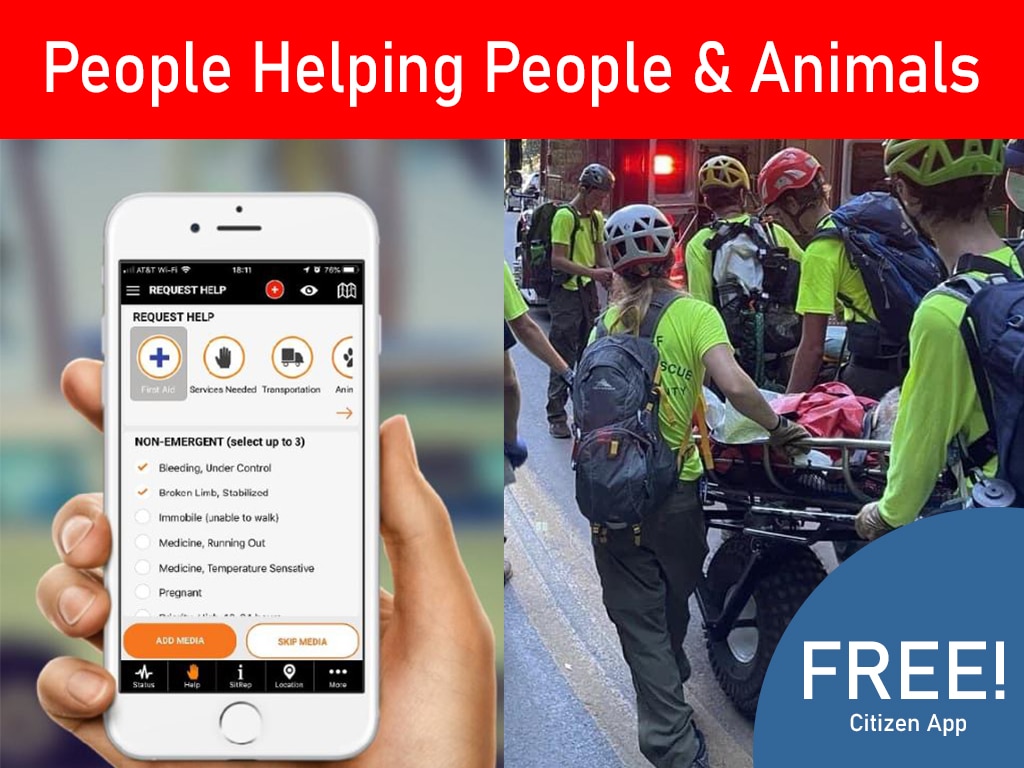
A neighborhood preparedness program needs more than a list of phone numbers. Residents, block captains, CERT volunteers, and local coordinators need a practical way to share information, report conditions, and organize help when normal communication becomes difficult. The free PubSafe app provides a citizen communication layer that can support those everyday and emergency needs.
PubSafe is designed to act as a resilient coordination hub rather than replace every tool a neighborhood already uses. Radio, mesh networks, and other offline communication methods may each serve an important purpose during an outage. A central platform helps bring those channels into one operating picture, so leaders can maintain awareness and coordinate next steps instead of tracking disconnected conversations.
That coordination can include real-time incident reporting, volunteer coordination, and situational awareness. A resident might report a blocked road or urgent need, while a coordinator can identify available volunteers and direct the response. The web portal supports incident monitoring and volunteer dispatching, giving program leaders a shared view as conditions change.
The free tier also makes it easier to involve residents before a disaster. People can become familiar with the app during routine preparedness activities, neighborhood check-ins, and practice exercises. That year-round use matters because readiness is built through repetition, not through a last-minute download during a crisis. Teams that need a focused mobile workflow can also explore CERT team mobile coordination.
The table below compares common communication options so your team can decide which channels to lean on first. Most neighborhoods will combine two or more of them.
| Option | Best for | Works during an outage | Central view |
|---|---|---|---|
| Phone and text | Quick, personal reach | Only if towers stay up | No |
| Radio | Reliable voice links | Yes, with working radios | No |
| Mesh or WiFi-Direct | Cross-device messaging | Yes, within mesh range | Partial |
| Central emergency app | Incident reporting and coordination | Yes, with stored data and offline queues | Yes |
Contact PubSafe to start organizing your neighborhood emergency preparedness program with a free communication layer your residents can rely on.
Frequently Asked Questions
What is a neighborhood emergency preparedness program?
It is a community-led effort that helps residents prepare for hazards, communicate during disruptions, and support one another before professional help is fully available. The program may include block captains, contact lists, training, supply locations, meeting points, and regular practice. Its structure should reflect the neighborhood’s risks, residents, and available resources.
How do you organize a neighborhood emergency preparedness program?
Start with a small organizing group, identify likely hazards, and recruit coordinators for communication, resident check-ins, supplies, and training. Build a current contact list with appropriate privacy safeguards, map meeting points and residents who may need additional assistance. Then document how alerts and status updates will move through the neighborhood. Run a simple drill, record gaps, and update the plan.
What are the key components of a neighborhood emergency plan?
A practical plan includes resident contact lists, identified local hazards, communication protocols, and mapped supplies or meeting points. It should also name team roles, define check-in procedures, explain how information is verified, and identify backup communication methods for power or network outages. Keep the plan easy to access and review it whenever the neighborhood, personnel, or risks change.
What training is required for neighborhood emergency response teams?
Training depends on the team’s responsibilities and local emergency management guidance. CERT programs commonly cover fire safety, light search and rescue, team organization, and disaster medical operations, according to Ready.gov. Leaders may also benefit from Incident Command System instruction, while every participant should practice communication, personal safety, reporting, and role-specific procedures.
Why is neighborhood emergency preparedness important?
Preparedness gives neighbors a shared way to act when conditions are changing and emergency services are stretched. It can reduce confusion, surface urgent needs, and help residents support one another during the initial hours of an incident. Regular drills also reveal weaknesses before a real event, making the response plan more useful when it matters.
Contact us to get your neighborhood program started
A clear place to coordinate updates, volunteer roles, and check-ins can make your preparedness plan easier to use when neighbors need it. Contact PubSafe to try the free app and get started organizing your neighborhood. You can take the next step with a practical communication layer that supports your existing preparedness work.