You’ve likely heard of apps like Nextdoor or Ring. They’ve become the digital equivalent of the neighborhood watch, offering a space to report a lost pet or a suspicious vehicle. But what happens when the situation is more serious than a stolen package? When a real emergency strikes, the line between a social network and a true safety tool becomes crystal clear. This is where choosing the right neighborhood safety app is critical. This article compares the most popular options, from family trackers to community forums, and introduces platforms like PubSafe, which are specifically designed for coordinated disaster response, connecting you directly with official help.
When an emergency strikes, knowing where your loved ones are provides immediate peace of mind. This is the core power of location sharing. But this technology does more than just track dots on a map; it’s a critical tool for community-wide safety and response. A well-designed neighborhood safety app with location sharing transforms your phone into a personal safety beacon, allowing you to share your status with family or even first responders. This guide explores the different platforms available, from family-focused trackers to comprehensive systems like PubSafe that connect citizens with official organizations during a crisis, helping you find the right tool to keep your community informed and safe.
Key Takeaways
- Define your community’s primary goal: First, figure out if you need a tool for daily neighborhood updates and social connection or a dedicated platform for coordinated emergency response, as this will guide your choice.
- Insist on essential safety features: The best apps provide real-time alerts, simple tools for communicating with neighbors, and clear privacy controls that put you in charge of your personal data.
- Build a proactive communication network: Use your chosen app to create a connected community where information flows freely between residents and response teams, helping everyone stay aware and prepared.
So, What Is a Neighborhood Safety App?
Think of neighborhood safety apps as a digital version of the classic neighborhood watch, but with the power and speed of your smartphone. These apps are designed to connect you with your neighbors, local authorities, and community groups to share information and stay aware of what’s happening around you. Instead of relying on word-of-mouth, you get real-time updates sent directly to your phone. Apps like Nextdoor and Citizen have become popular for allowing people to report nearby incidents, from a lost pet to more serious safety concerns.
The main idea is to create a network of informed and connected residents. When everyone has access to the same information, the whole community can respond more effectively. Whether it’s a traffic accident down the street, a string of car break-ins, or a severe weather alert, these apps provide a platform for instant communication. They turn a collection of individual households into a cohesive community that can look out for one another. This shared awareness helps everyone feel more secure and prepared for whatever comes their way.
Why Neighborhood Safety Is a Growing Concern
It’s a fundamental human need to feel safe where you live. This feeling goes beyond just locking your doors at night; it’s about feeling connected to the people and the environment around you. This growing desire for community-level security is a major reason so many of us are turning to technology for solutions. We’re actively looking for ways to stay informed about what’s happening on our street and in our town. Apps that provide real-time alerts and a space for neighbors to communicate have become essential tools. They can transform a group of houses into a connected community where information is shared quickly, helping everyone feel more secure and prepared for the unexpected.
This shift is about more than just chatter over a digital fence; it’s about creating a proactive safety net. When you receive an instant notification about a suspicious vehicle, a lost pet, or a developing storm, you can take immediate action. The ability for residents to report incidents and share updates directly empowers the entire neighborhood. It bridges the gap between seeing something and doing something, allowing neighbors and even local authorities to respond faster. This collaborative approach to safety strengthens the whole community, making it more resilient whether you’re dealing with a minor local issue or preparing for a larger emergency.
Understanding the Risks: Crime Statistics
It’s easy to feel overwhelmed by crime statistics on the news, but what really hits home is what happens on your own block. While national trends are one thing, your personal sense of security is shaped by local events. This is why access to timely, neighborhood-specific information is so important. When you can see patterns—like a series of package thefts or car break-ins in your area—you’re no longer just worrying about abstract threats. Instead, you have concrete information that you can act on. This knowledge empowers you and your neighbors to take practical steps, like installing security cameras or organizing a watch group, turning anxiety into proactive community action.
What Can These Apps Do for You?
While all neighborhood safety apps aim to make your community safer, they offer different tools to get the job done. Some, like the Neighbors App by Ring, focus on sending you instant alerts about crime and safety issues happening nearby, often using footage from home security cameras. Others, such as Life360, are built for families, with a primary focus on location sharing to ensure loved ones are safe. Then you have platforms like Nextdoor, which act as a complete neighborhood network for sharing local news, getting recommendations, and receiving safety alerts. The features vary, but the goal is always to keep you informed and connected.
Common App Features
At their core, most neighborhood safety apps offer a similar set of tools to keep you in the loop. You’ll typically find real-time alerts that ping you about suspicious activity or safety issues reported by your neighbors. They also usually include a community reporting feature, which lets you quickly share what you’re seeing—sometimes with photos or videos—to give everyone a heads-up. For personal safety, many apps have an emergency button that sends an alert and your location to a few trusted contacts. These foundational features are all about creating a network of eyes and ears, making it easier for everyone to look out for one another.
Advanced Safety Tools
Some apps go a step further, offering tools that provide deeper insights and a more active role in community safety. Instead of just reading a report, you might be able to watch a live video broadcast from the scene of an incident. Others offer premium services with 24/7 access to professional safety agents who can assist you if you feel unsafe. The most powerful tools, though, are the ones that bridge the gap between simply reporting an issue and coordinating a response. This is where platforms like PubSafe come in. They are designed to connect citizens with official response organizations, like CERT teams and NGOs, turning individual reports into actionable data for a community-wide effort during large-scale emergencies.
How Location Sharing Creates a Safer Community
Location sharing is a powerful feature that adds a critical layer of safety for both individuals and the community. On a personal level, it provides peace of mind. Knowing where your family members are, especially during their commute or after school, helps everyone stay connected. In an emergency, this feature becomes even more vital. Platforms like PubSafe allow users to share their real-time location with response teams or organizations. This is crucial for volunteer coordination during emergencies and helps first responders find people who need help quickly and accurately. It transforms your phone from a simple communication device into a personal safety beacon.
5 Popular Neighborhood Safety Apps to Know
When you’re looking for the right safety app, it helps to see what’s out there. Each app has a different focus, from connecting with your immediate family to coordinating with official emergency responders. Let’s walk through some of the top options so you can find the one that best fits your community’s needs. These apps all bring something unique to the table, whether it’s real-time incident alerts, hyperlocal social networking, or large-scale disaster response.
PubSafe: For Coordinated Emergency Response
PubSafe is a comprehensive platform built to connect citizens with public safety agencies, NGOs, and Community Emergency Response Teams (CERT) during a crisis. It’s designed for large-scale events where real-time coordination is critical. The platform allows for detailed incident reporting, volunteer management, and damage assessment.
What makes it stand out is its ability to let users share their real-time location with specific teams or organizations. This feature is incredibly important for personal safety and helps first responders direct resources where they’re needed most. It’s less about day-to-day neighborhood watch and more about creating a unified response network when a major event like a flood, wildfire, or storm occurs.
Connecting Citizens, NGOs, and First Responders
Here’s where PubSafe really shines. During a large-scale emergency, communication can become fragmented, with citizens, volunteer groups, and official agencies all working in separate silos. PubSafe breaks down these barriers by creating a single, shared platform where everyone can communicate. When a citizen reports a fallen tree blocking a road or a localized flood, that information doesn’t just go into a void. It appears on a map visible to registered NGOs and CERT teams in the area. This unified view connects everyone involved in the response, ensuring that official teams have real-time, on-the-ground information from the people they are trying to help.
Volunteer and Team Management
Coordinating volunteers effectively can be one of the biggest challenges in a disaster. PubSafe provides powerful tools to solve this. Organizations can create specific teams within the app, assign members, and track their locations as they work in the field. This means a CERT leader can dispatch a team to assess damage in a specific neighborhood and see their progress in real time. This capability not only improves efficiency but also enhances safety, as team leaders always know where their volunteers are. It allows organizations to manage teams with precision, directing help exactly where it’s needed most and avoiding duplicated efforts.
Life360: For Family Location Tracking
If your main goal is to keep tabs on your immediate family, Life360 is probably the most well-known app for the job. It’s designed to help you stay connected with your loved ones by creating a private circle where you can see everyone’s real-time location on a map. You can set up alerts to get notified when a family member arrives at or leaves a specific place, like home or school. While it’s not built for broader community safety or emergency response, Life360 excels at providing peace of mind for families who want to ensure everyone is safe and sound.
Ring Neighbors: For Crime and Safety Alerts
The Neighbors App by Ring is a free tool that gives you instant alerts about crime and safety issues happening right in your neighborhood. It uses your address to create a virtual radius around your home, and you’ll receive updates from your neighbors, the Ring News team, and local public safety agencies. People use it to report everything from package thefts and suspicious activity to lost pets. The app helps you connect with your neighbors and local police, creating a digital neighborhood watch that keeps everyone informed about what’s going on nearby.
Common Critiques of the Ring App
Despite its popularity, the Ring Neighbors app isn’t without its critics. Some users feel the platform can sometimes do more to create suspicion than community, with one report noting it can bring out the worst in neighbors by encouraging public shaming over minor incidents. Another common issue is the quality of the content itself. The feed can become cluttered with posts about lost pets or complaints that aren’t urgent safety matters, leading many users to find it obnoxious and less useful in a real emergency. Finally, as with any app that uses location data, privacy concerns have been raised, making it important for users to understand how their information is being shared. These critiques highlight the challenge of balancing general neighborhood chatter with critical safety alerts.
Nextdoor: For Hyperlocal Community Networking
Nextdoor functions as a private social network for your neighborhood. It’s a place to connect with the people who live nearby to share local news, get safety alerts, ask for recommendations for a good plumber, or find a new home for that armchair you no longer need. While safety is a key component, the platform’s focus is much broader. Nextdoor aims to build a stronger sense of community by giving neighbors a dedicated space to talk, share information, and help each other out. It’s a great tool for fostering connections and staying in the loop on local happenings.
Key Features of Nextdoor
Nextdoor operates like a digital town square, giving you a dedicated space to connect with people in your immediate vicinity. Its features are broad, covering everything from finding a last-minute babysitter and getting plumber recommendations to organizing a neighborhood yard sale. You can also share safety alerts, but the platform’s main purpose is to foster a general sense of community. Unlike apps designed specifically for emergencies, Nextdoor is where you go for the day-to-day happenings. It’s a place to build relationships with your neighbors and stay informed about local news, events, and even the occasional lost cat, making your neighborhood feel more connected.
User Verification and Privacy
To maintain a trusted environment, Nextdoor requires members to verify their address. This process ensures that you are communicating with actual neighbors who live in your community. The platform also has a real-name policy, which discourages anonymous posts and encourages accountability among users. By confirming that members are who they say they are, Nextdoor aims to create a safer and more authentic space for local conversations. You can learn more about how they handle verification on their help site, which outlines the different methods they use to confirm you live where you claim.
Common Critiques of Nextdoor
While the idea of a connected neighborhood is great, Nextdoor often faces criticism for the tone of its discussions. Conversations can quickly become negative, with feeds filling up with minor complaints, neighborhood disputes, and fear-based content that can sometimes escalate into unfounded accusations. This constant stream of negativity can make the app feel less like a supportive community and more like a forum for arguments. This is where a purpose-built tool like PubSafe differs; by focusing strictly on structured incident reporting and response, it filters out the social chatter and drama. This ensures that when a real emergency occurs, communication is clear, verified, and directly connected to response organizations.
Citizen: For Real-Time Incident Reports
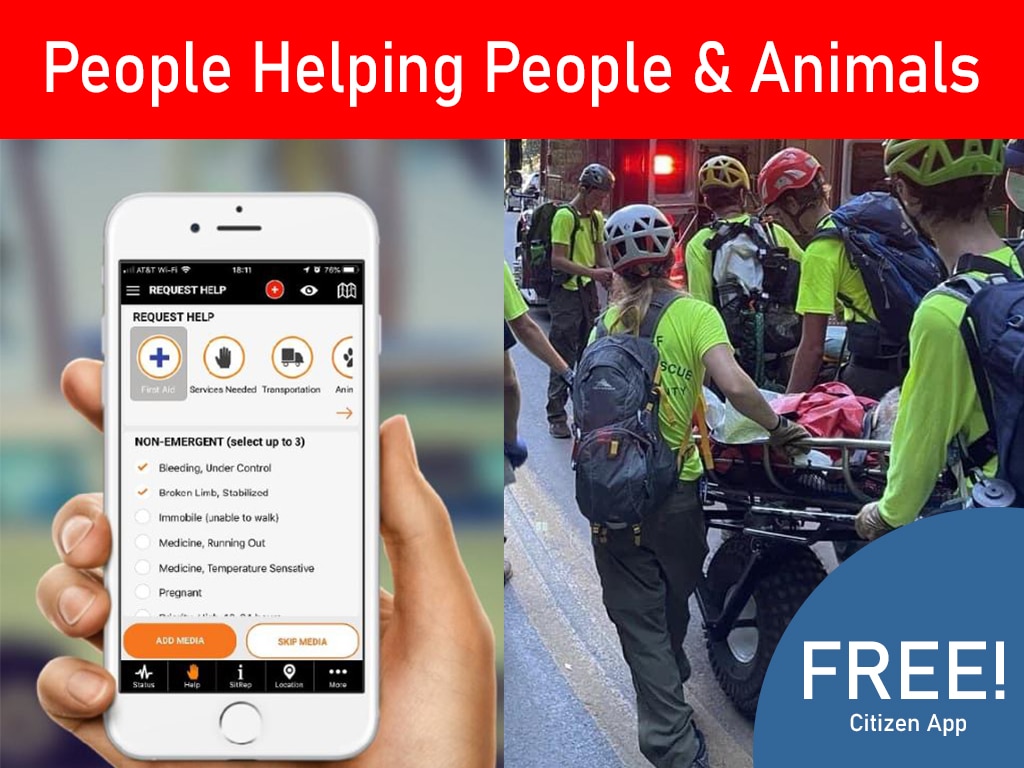
Citizen is a neighborhood watch app that provides real-time alerts about incidents happening near you, often pulled from 911 communications. It empowers you to stay informed about your surroundings by sending notifications about everything from car accidents and fires to ongoing police activity. Users can also report incidents themselves and even stream live video from the scene. The goal of apps like Citizen is to give people immediate information so they can stay safe and avoid potentially dangerous situations. It’s focused on transparency and giving you a live look at what’s happening in your area.
Additional Features and Data
The Citizen app is a free tool that aims to keep you safe and informed by providing instant alerts and live updates about local incidents. You can get real-time notifications for a wide range of events, including fires, missing person reports, traffic accidents, and active crimes. One of its most compelling features is the ability to watch live videos of events as they unfold, often streamed by other users on the scene. This gives you a direct, unfiltered look at what’s happening in your community, allowing you to make informed decisions about your safety and travel routes.
Premium Subscription Tiers
For users who want an extra layer of personal security, Citizen offers a premium subscription. This paid tier gives you 24/7 access to a team of Safety Agents. If you ever feel unsafe, you can connect with an agent through video, voice, or text. They can monitor your location in real-time and are trained to dispatch emergency services if the situation calls for it. This feature essentially provides a personal safety escort on demand, turning the app from a simple information source into an active protection tool for individuals.
User Complaints and Privacy
While many find Citizen useful, it’s not without its drawbacks. Some users have complained that the app’s mapping can be difficult to use and that notifications sometimes get cut off, leaving out important details. Others have noted a persistent push to upgrade to the paid subscription. On the privacy front, the app does collect personal data like your location, but it states that this information is encrypted and not shared with other companies. You can also request to have your data deleted, giving you some control over your digital footprint.
Other Apps and Alternatives to Consider
The world of neighborhood safety apps is vast, and the most famous names aren’t the only options available. Depending on your community’s goals, a different tool might be a better fit. Some platforms are designed specifically for organized neighborhood watch groups, while others leverage existing social networks that people already use daily. Exploring these alternatives can help you find the right balance of features, formality, and community engagement. The key is to find a solution that helps your neighbors work together on safety in a way that feels natural and effective for everyone involved.
Zuluhood and GuardMetrics
For communities looking for a more structured approach to neighborhood watch, apps like Zuluhood offer a focused solution. Zuluhood is designed to help neighbors talk about suspicious activities and collaborate on safety initiatives. It provides a dedicated space for security-related communication, cutting through the noise of a general social network. On the more professional end, GuardMetrics offers tools for security companies and formal patrol groups. While not a typical consumer app, it shows the range of platforms available, from casual neighborly chats to organized security operations, allowing every community to find a tool that matches its level of organization.
Using Facebook Groups for Neighborhood Watch
Many communities default to using Facebook Groups as an informal neighborhood watch platform. The primary advantage is that most people are already on Facebook, making it easy to set up and join a group without needing a new app. It’s a simple way to connect with neighbors, share updates, and post about lost pets or suspicious vehicles. However, these groups lack the dedicated features of a true safety app. There’s no real-time incident mapping, no direct line to emergency services, and important safety alerts can easily get lost among posts about garage sales. For serious emergency coordination, a purpose-built platform is always a more reliable choice.
Essential Features Your Safety App Must Have
When you’re trying to find the right safety app for your community, it’s easy to get overwhelmed by all the options. But not all apps are built the same, and the features they offer can make a world of difference in an emergency. The best apps don’t just send out alerts; they create a connected, responsive network that empowers everyone from individual citizens to first responders. Think of it as a digital neighborhood watch, but with much more powerful tools at your fingertips.
A great safety app should act as a central hub for communication and coordination. It needs to deliver information quickly, make it easy for neighbors to talk to each other, and provide a direct line for reporting issues. It also has to respect your privacy and be simple enough for anyone to use, even under stress. As you explore different platforms, keep these core functions in mind. The goal is to find a tool that seamlessly integrates into your community’s life and provides real value when you need it most. A well-designed platform shows you how it works upfront, so you know exactly what you’re getting.
Instant Alerts and Notifications
In any emergency, information is everything, and timing is critical. That’s why real-time alerts are one of the most important features of any safety app. You need to know what’s happening around you, as it’s happening. Whether it’s a severe weather warning, a nearby traffic accident, or a public safety concern, instant notifications sent directly to your phone can give you the crucial moments you need to react and stay safe. These alerts should be location-specific, so you’re only receiving information that’s relevant to your immediate area. A constant stream of irrelevant pings will just cause you to tune out.
Tools to Connect With Your Neighbors
A safe neighborhood is a connected one. The ability to communicate directly with your neighbors is a game-changer for community safety. Look for apps that include features like group messaging, forums, or a shared map where people can post updates. These tools allow residents to share information, ask for help, check on one another during an event, and organize local efforts. Effective volunteer coordination often starts with simple, clear communication, and the right app can provide the platform to make that happen. When people can easily connect, they can work together to create a stronger, more resilient community.
Simple Incident Reporting and Response
The best safety apps empower you to be an active participant in keeping your community safe. A key feature to look for is a simple way to report incidents. This allows you to quickly share what you’re seeing, whether it’s a fallen tree blocking a road, a localized flood, or a suspicious activity. A good app will let you report an incident with key details like photos, a description, and your precise location. This information can then be shared with neighbors and, in some cases, routed directly to official response teams like NGOs or public safety agencies, helping them get a clear picture of the situation on the ground.
Privacy Controls That Put You in Charge
Sharing your location and personal information requires trust, so any safety app you use must have clear and robust privacy controls. You should have complete control over what you share and who you share it with. Look for features that let you customize your location visibility, create private groups for trusted contacts, and easily manage your notification settings. Before signing up, take a moment to read the app’s privacy policy to understand how your data is used and protected. An app that is transparent about its data practices is one that takes your security seriously.
A Simple, User-Friendly Design
A safety app is useless if it’s too complicated to use, especially in a high-stress situation. A clean, intuitive, and user-friendly interface is essential. The most important features should be easy to find and use, with clear buttons and simple navigation. The app should be accessible to everyone in the community, regardless of their technical skill level. When evaluating an app, consider how easy it is to sign up, join a group, and send an alert. If you can install the app and figure out the basics in just a few minutes, that’s a great sign.
How Safety Apps Strengthen Community Bonds
When we think of safety apps, we often picture emergency alerts and maps. But their real power lies in communication. These platforms act as digital town squares, connecting you not just with emergency services but with the people right next door. They break down communication barriers that can exist in a busy neighborhood, creating a network of eyes, ears, and helping hands. By providing a shared space for information, these apps help communities move from being reactive to proactive. Instead of just responding to incidents, you can build a foundation of awareness and connection that makes your neighborhood safer and more resilient every single day.
From coordinating a search for a lost pet to organizing a large-scale volunteer response during a natural disaster, clear communication is the key. These tools provide the channels to make that happen, turning a group of households into a truly connected community that looks out for one another. It’s about fostering a culture of safety through shared knowledge and collaboration, ensuring everyone has the information they need when it matters most. They create a direct line between residents, community leaders, and first responders, which is critical for sharing verified updates and stopping the spread of misinformation during a crisis. This unified communication strengthens the entire community’s ability to prepare for, respond to, and recover from any event.
Forge Stronger Neighborhood Connections
A safe community starts with knowing your neighbors. Safety apps often double as a neighborhood network, giving you a simple way to connect with the people who live down the street. You can use them to share recommendations for a local plumber, find a last-minute babysitter, or organize a block party. These everyday interactions build trust and a sense of belonging. When you know the faces and names of your neighbors, you’re more likely to notice when something is out of place or to offer help when someone needs it. This digital front porch helps transform a collection of houses into a genuine community where people look out for each other.
Enable Faster Emergency Response
During an emergency, every second counts. Safety apps with location-sharing features are invaluable for organizing a swift and effective response. When a flood, wildfire, or storm hits, these tools allow residents to report their status and location in real time. For response teams, this information is critical. Instead of going door-to-door, they can see exactly who needs help and where to find them on a live map. Platforms like PubSafe are designed for this kind of emergency coordination, connecting citizens with official response organizations. This direct line of communication helps get resources where they are needed most, streamlining rescue efforts and saving precious time.
Increase Awareness and Help Prevent Crime
Think of these apps as a digital neighborhood watch. When residents can instantly report suspicious activity or share information about a recent break-in, it creates a powerful network of awareness. This collective vigilance can be a strong deterrent to crime. Knowing that an entire community is connected and watching out for one another makes it a less attractive target for criminals. Apps like the Neighbors app by Ring allow users to post alerts with text, photos, or videos, giving everyone a real-time view of what’s happening nearby. This shared knowledge empowers residents to take simple precautions, like locking their doors or keeping an eye out, which collectively makes the whole area safer.
Connect with Local Law Enforcement
Building trust between residents and law enforcement is essential for a safe community, and safety apps can help bridge that gap. Many local police and fire departments use these platforms to share official alerts, safety tips, and important updates directly with the community. This ensures you’re getting verified information straight from the source, which is especially important during an emergency when rumors can spread quickly. It also creates a two-way street for communication. Residents can share tips or video footage that may help with an investigation, fostering a more collaborative relationship with local authorities and making everyone an active partner in community safety.
Building a Positive and Engaged Community With Your App
Setting a Positive Tone from the Top
A truly safe community starts with knowing your neighbors, and a safety app can be the perfect tool to make those introductions. As a community leader or administrator, you have the power to set a positive and welcoming tone from the very beginning. Encourage members to use the app for more than just emergency alerts. It can be a space to organize a neighborhood cleanup, share a warning about a fallen tree, or even just welcome a new family to the block. By establishing clear guidelines for respectful communication and leading by example, you can create an environment where people feel comfortable participating. When your community platform is managed by a trusted local group, like a CERT team or NGO, it adds a layer of credibility and helps ensure the space remains helpful and focused on safety. You can even register your organization to officially manage your community’s response network.
Strategies for Ongoing User Engagement
To keep your community active, the app needs to be more than just a panic button; it should be a daily resource. When people can easily connect, they can work together to create a stronger, more resilient community. You can foster this engagement by regularly sharing useful information, like preparedness tips for storm season or reminders about local events. Encourage members to contribute their own knowledge and observations, which makes everyone feel like a valuable part of the network. Features like a public map showing real-time, user-reported issues can also keep people coming back to the app to stay informed about their surroundings. The goal is to build a habit of checking in, so when a real emergency occurs, everyone is already familiar with the platform and ready to communicate effectively.
Onboarding New Residents Effectively
Welcoming new members is crucial for turning a group of households into a truly connected community that looks out for one another. Create a simple and friendly onboarding process for new residents who join the app. This could be a pinned welcome post or an automated message that explains the community’s goals, highlights key features, and outlines any rules for communication. Encourage existing members to greet newcomers and make them feel included. A warm welcome helps new users understand the app’s value right away and shows them how they can contribute to the neighborhood’s safety. Making it easy for people to install the free app and get started is the first step toward building a larger, more effective community network.
A Long-Term Strategy for Community Growth
The best safety apps don’t just send out alerts; they create a connected, responsive network that empowers everyone from individual citizens to first responders. A long-term strategy for growth means evolving with your community’s needs. Actively listen to feedback from members and be open to adapting how you use the platform. As your community grows, you might create subgroups for specific streets or for different volunteer efforts. The ultimate goal is to build a resilient, self-sustaining network. By effectively managing your teams and volunteers within the app, you create a powerful resource that strengthens your community’s ability to handle any challenge. This is where a robust team management system becomes essential for coordinating efforts and ensuring everyone works together seamlessly.
Let’s Talk About Your Privacy and Security
Let’s talk about privacy. Using a safety app often means sharing your location, and it’s normal to be cautious. Trustworthy apps are built with your security in mind and give you tools to manage your data. When comparing options, look closely at how they handle your information. A great app puts you in control, letting you share what’s necessary for safety without overexposing your personal life.
Know Exactly How Your Data Is Used
Before you download an app, it’s smart to understand its approach to data. Safety apps need information like your location to send relevant alerts, but you should know exactly what you’re sharing. Take a few minutes to read the app’s privacy policy to learn what data is collected and why. A transparent company will explain this in clear, simple language, helping you make an informed choice. This step ensures you’re comfortable with how your information is used and that there are no surprises down the road. It’s a small investment of time that pays off in peace of mind.
Take Control of Your Location Settings
Your location is sensitive, so you should have full authority over when it’s shared. Some apps encourage an “always on” setting, but this can lead to the constant exposure of your private information. Look for apps with flexible settings that let you decide when to share your location, like only during an emergency or with a specific response team. This provides safety when you need it most, without broadcasting your whereabouts 24/7. You should be able to easily toggle these settings on and off from the main screen or settings menu.
Decide What Information You Share
A well-designed safety app puts you in the driver’s seat. You should have granular control over what you share and who sees it. For instance, PubSafe is designed so users can decide what information to provide and which teams can view it. You should be able to toggle location sharing on or off as needed for safety and response. This level of control is crucial. It means you can participate in your community’s safety network on your own terms, sharing just enough to stay informed and get help when you need it.
What Strong Data Security Looks Like
Beyond privacy controls, check that the app is technically secure. Look for apps that use encryption to protect your data. Encryption scrambles your information as it travels from your phone to the app’s servers, making it unreadable to anyone who might intercept it. A reputable app will also have a clear policy on data deletion, allowing you to request your information be removed whenever you choose. These security measures are fundamental for building trust and show the company is committed to safeguarding your personal details. It’s a sign that they take your privacy as seriously as you do.
What Can You Learn from User Reviews?
Before you download a new app or ask your community to adopt one, scrolling through user reviews is one of the smartest moves you can make. Real-world feedback from people who have already used the app can give you a clear picture of its strengths and weaknesses. Reviews cut through the marketing language and tell you what it’s actually like to use the tool day-to-day. They can highlight everything from an app’s user-friendliness and location accuracy to how well it actually brings people together. Paying attention to both glowing praise and common complaints will help you find an app that truly fits your community’s needs.
Is It Actually Easy to Use?
An app is only effective if people can actually use it, especially during a stressful event. User reviews are the best place to find honest feedback on an app’s interface. Do people find it intuitive and straightforward? Are the notifications helpful or just annoying? Some reviews for apps like Ring Neighbors mention that having local police involved makes the app feel more trustworthy and useful. This kind of insight tells you if an app is designed with the user in mind. A simple, clear platform makes it easier for everyone to participate, from reporting an incident to getting critical updates without confusion.
How Accurate Is the Location Tracking?
When safety is on the line, you need to trust that the location data is correct. User reviews often get specific about the accuracy of an app’s location-sharing features. People will share whether the GPS is reliable, if it drains their battery, or if it offers a detailed history of their movements. Some users value extra safety features like crash detection and roadside assistance, which depend on precise location tracking. This feedback is crucial because accurate location data is the foundation for a quick and effective response, whether you’re checking on a loved one or managing volunteer coordination during a crisis.
Does It Really Build Community?
The goal of many neighborhood apps is to build a stronger, more connected community. Reviews can tell you if an app actually achieves this. Does it foster a genuine sense of belonging, or does it just feel like another social media feed? Users of apps like Nextdoor often talk about how the platform helps them connect with neighbors and find local resources. This is a great indicator of an app’s ability to support real community building. An app that successfully connects people makes it easier to organize, share information, and work together as a team.
Red Flags: Common Complaints to Watch For
Reviews are invaluable for uncovering recurring issues that the app’s description won’t mention. Pay close attention to complaints about technical glitches, login problems, or difficulties with the initial setup. For example, some users report having trouble getting an app to work on a new phone. These comments can save you and your community a lot of frustration. If dozens of people are reporting the same bug, it’s a red flag. Finding an app with a smooth onboarding process, like PubSafe’s simple organization registration, ensures more people will actually use it when it counts.
Free vs. Paid: What’s the Real Cost?
When you’re looking for a safety app, the price tag is often a major factor. Most neighborhood safety apps operate on a “freemium” model. This means they offer a basic version for free, with the option to upgrade to a paid plan for more advanced features. The right choice really depends on what your community or family needs. For some, a free app provides everything necessary for peace of mind. For others, the specialized tools in a premium plan are worth the investment.
The key is to figure out which features are essential and which are just nice to have. A free app might be perfect for organizing a neighborhood watch, while a family with new teen drivers might want the detailed driving reports that come with a paid subscription. Platforms like PubSafe are designed for large-scale community coordination and offer their core services for free, allowing everyone from individual volunteers to official organizations to work together during an emergency without a paywall.
Free Features vs. Premium Perks
Free versions of safety apps usually cover the fundamentals. You can expect features like basic location sharing, group messaging, and simple alerts. For many families and small groups, this is plenty. For example, the free tier of an app like Life360 is a great starting point for keeping track of loved ones during the day. It lets you see where everyone is and send quick check-ins.
Premium plans are where you’ll find the more advanced safety tools. These paid upgrades often include features like crash detection, 24/7 emergency dispatch, detailed location history, and roadside assistance. Think of it as the difference between a standard check-in and a comprehensive safety net. You’re paying for an extra layer of protection and more specialized support for situations that go beyond daily coordination.
Finding an Affordable Plan for Your Community
You don’t have to break the bank to keep your community safe. Start by exploring the free versions of different apps to see which one fits your group’s dynamics. If your main goal is to connect with neighbors and share local updates, a free app will likely do the trick. For larger-scale emergency preparedness, a dedicated platform is a better fit. PubSafe allows organizations to register their teams and manage volunteers without any subscription fees, making it an accessible tool for CERT teams, NGOs, and public safety agencies. This approach ensures that critical coordination isn’t limited by budget, allowing everyone to participate in keeping the community safe.
How to Find Free Trials and Promotions
Before you commit to a paid plan, always check for a free trial. Most subscription-based apps offer a trial period, giving you a chance to test out all the premium features and decide if they’re truly useful for your group. This is the best way to see if the added cost provides real value. Also, keep in mind that many powerful safety tools are completely free. You can install the PubSafe app and start using its incident reporting and real-time mapping features right away. This lets you contribute to community safety and get help during an emergency without ever needing to enter your credit card information.
How to Choose the Right App for Your Community
Picking the right safety app for your neighborhood isn’t about finding the one with the most features. It’s about finding the one that solves your community’s specific problems. Before you ask your neighbors to download anything, take a step back and think about your primary goal. Are you looking for a digital bulletin board to share information about lost pets and local events? Or is your main concern having a clear, organized plan for when a hurricane, wildfire, or another emergency strikes? Some apps are designed for social networking, while others are built for serious, real-time crisis management.
Understanding this distinction is the most important step. An app that excels at connecting neighbors for a block party might not be the best tool for coordinating a search and rescue effort. Platforms like PubSafe, for example, are designed specifically for disaster response, connecting citizens directly with official teams like CERT and NGOs. The best app is the one that aligns with your priorities. Once you define what safety and communication mean for your community, you can evaluate your options and find a tool that truly fits your needs, ensuring everyone is on the same page when it matters most.
What Does Your Neighborhood Actually Need?
Every community has its own personality and its own set of challenges. Start by evaluating the specific needs of your area. Do you live in a region prone to seasonal flooding, or is your main concern neighborhood crime prevention? A good app should address these core issues directly. It should also provide robust privacy controls, allowing each user to customize what they share and who they share it with. Feeling secure while sharing information is essential for building trust. Look for apps that make it easy for residents to report an incident without compromising their personal data, ensuring that the tool feels helpful, not intrusive.
Does It Work with Your Local Services?
An app’s effectiveness can multiply when it connects with local services. Many public agencies, from fire departments to local news outlets, use certain platforms to distribute important information and safety alerts. Find out what tools, if any, your local first responders or community leaders already use. Some apps are built from the ground up to facilitate this connection. For instance, platforms that allow for organization registration create a direct line of communication between citizens and official response teams. This integration turns a simple app into a powerful coordination tool, helping everyone stay informed and work together during a critical event.
Is Your Community Ready for a Safety App?
The size and technical comfort of your community are key factors in choosing the right app. An app that works for a small, tight-knit homeowners association might not scale for a large, diverse suburb. For bigger communities, real-time information sharing is essential for keeping everyone aware of nearby incidents. At the same time, consider how engaged your neighbors are likely to be. The best tool is one that people will actually use. Look for a platform that supports scalable volunteer coordination, allowing you to manage everything from a small neighborhood watch group to a large-scale community response team.
Related Articles
- PubSafe: Enhance Community Safety When It Matters Most
- PubSafe Platform – Citizen Safety Community
- PubSafe: Download The #1 Safety Mobile App Today & Help
- PubSafe: Your #1 Tool For Community Safety
Frequently Asked Questions
What’s the real difference between a community app like Nextdoor and an emergency app like PubSafe? Think of it this way: Nextdoor is like your neighborhood’s digital bulletin board. It’s great for finding a local babysitter, getting a recommendation for a plumber, or sharing news about a block party. PubSafe, on the other hand, is like a direct line to a coordinated response team during a crisis. It’s built for managing emergencies like floods, storms, or wildfires by connecting you with official organizations and volunteer groups for a structured, real-time response.
Do I have to share my exact location 24/7 to use a safety app? Not at all. A well-designed safety app always puts you in control of your privacy. You should be able to choose when and with whom you share your location. For instance, you might only turn on location sharing during an active emergency to let response teams know you need help, or you might share it temporarily with a private family group. It’s a tool for safety, not a tracking device, and you decide when to use it.
Are these apps only useful during big disasters like hurricanes or wildfires? While some apps are designed for large-scale disasters, their features are often useful for smaller, more localized incidents, too. You could use an app to report a fallen tree that’s blocking a road after a storm, organize a search for a neighbor’s lost dog, or share updates during a power outage. The core purpose is to improve communication, which is valuable in any situation that requires community coordination.
Can I use more than one of these apps at the same time? Absolutely. In fact, many people find it helpful to use different apps for different purposes. You might use one app for daily neighborhood chatter and another, more specialized platform as part of your family’s emergency plan or for your work with a local CERT team. They aren’t mutually exclusive; think of them as different tools in your community safety toolkit.
I’m sold on the idea, but how do I convince my neighbors to join an app? The best approach is to start with a specific purpose. Instead of just saying, “We should all download this app,” try framing it around a shared goal. For example, you could suggest using it to create an emergency contact list for your block or to coordinate a neighborhood watch. When people see a clear, practical benefit that solves a real problem, they are much more likely to get on board.
Beyond the App: How to Start a Traditional Neighborhood Watch
While a great safety app is a powerful tool for modern communication, it works best when it supports real-world connections. Technology can enhance community safety, but it can’t replace the trust and collaboration that come from knowing your neighbors. If you’re ready to take your community’s safety to the next level, consider pairing your digital network with a traditional neighborhood watch program. This approach combines the speed of technology with the strength of in-person relationships. Starting a watch group might sound like a big undertaking, but it’s really just a series of simple, practical steps. Here’s how you can get started.
1. Gauge Interest with Your Neighbors
A safe community starts with knowing your neighbors. Before you dive into formal meetings and plans, simply start a conversation. You can do this the old-fashioned way by chatting with people while you’re out walking your dog or getting the mail, or you can use a digital tool to reach more people at once. This is where a safety app can be a great icebreaker. It gives you a simple way to connect with the people who live down the street and gauge their interest in forming a more organized group. These everyday interactions, whether online or in person, build the trust and sense of belonging that are the foundation of any successful neighborhood watch.
2. Contact Your Local Police Department
Once you have a few interested neighbors, your next step is to reach out to your local police or sheriff’s department. They are a key partner and an invaluable resource for any neighborhood watch group. Most departments have a dedicated community liaison officer who can provide you with official guidelines, training materials, and crime prevention tips specific to your area. They can also supply you with official neighborhood watch signs, which act as a visible deterrent to crime. Building a strong, trusting relationship with law enforcement is essential, and this is a great way to start. You can find information on the national program at the National Neighborhood Watch website.
3. Plan and Announce Your First Meeting
Now it’s time to bring everyone together. Plan your first meeting at a time and place that’s convenient for most people, like a weeknight evening at a local library, school, or community center. The goal is to make it as easy as possible for people to attend. Send out invitations with a clear agenda so everyone knows what to expect. You can use flyers, emails, or the communication features within your safety app to spread the word. This is your first opportunity for organized volunteer coordination, so be clear about your goal: to discuss community safety and officially form a neighborhood watch group. A well-planned first meeting sets a positive and productive tone for the future.
4. Recruit Volunteers and Organize the Group
At your first meeting, your main goal is to get people to officially join the group and take on specific roles. A neighborhood watch is a team effort, and it runs more smoothly when responsibilities are shared. You’ll want to identify a few key volunteers, such as a block captain to lead the group and a communications coordinator to manage the phone tree or email list. Emphasize that everyone can contribute, even if it’s just by being an extra set of eyes and ears on their street. Using a platform with strong team management features can help you keep your volunteer list organized and your communication streamlined from day one, ensuring everyone stays connected and informed.
5. Create a Safety Plan and Post Signage
With your team in place, it’s time to create a basic safety plan. This doesn’t need to be complicated. Start with a communication strategy, like a phone tree or a dedicated group chat, so everyone can quickly share information. Decide how you’ll handle different situations, from reporting a suspicious vehicle to checking on elderly neighbors during a heatwave. Your plan can be enhanced with a tool that allows you to report an incident in real time, adding a layer of digital efficiency to your group’s efforts. Finally, work with your local police department to get official neighborhood watch signs posted around your community. These signs are a simple but effective way to announce that your neighborhood is organized, alert, and looking out for one another.