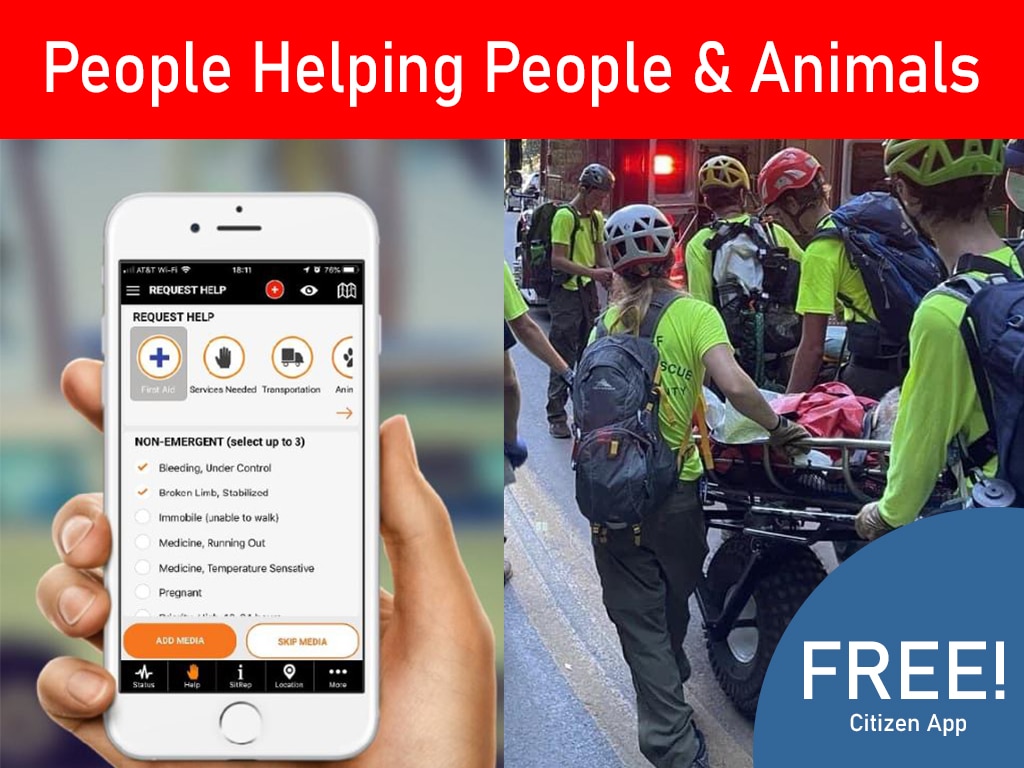
Running a search and rescue mission from the command center can feel like you’re operating in the dark. Information trickles in through crackling radio calls and delayed texts, creating a confusing, incomplete picture. This “fog of war” doesn’t just slow down decisions—it puts your responders and the public at risk. You need to cut through the chaos. A system that provides a live, shared view of the entire operation is the solution. This is the core promise of real-time incident reporting. It replaces fragmented communication with a single source of truth, empowering your teams to act with speed and confidence.
Key Takeaways
- Get a live view of the incident: Real-time reporting replaces delayed updates with an accurate, up-to-the-minute map of what’s happening. This gives your command center the clarity to make faster decisions and deploy resources where they’re needed most.
- Connect every team on one platform: A unified system ensures all responders, from different agencies to volunteers, are working from the same information. This eliminates confusion, prevents wasted effort, and creates a truly coordinated response.
- Combine smart tech with smart people: A reporting tool is only as good as the strategy behind it. Establish clear reporting rules, conduct regular training, and balance automation with human judgment to make your system a reliable, life-saving asset.
What is Real-Time Incident Reporting for SAR?
Real-time incident reporting is exactly what it sounds like: sharing critical information from the field the moment it happens. For Search and Rescue (SAR) teams, this means moving away from delayed updates and radio chatter toward a live, dynamic view of an emergency. Instead of waiting for a team to return to base to debrief, responders can instantly share vital details like GPS coordinates, photos of a scene, and victim status directly from their phones. This immediate flow of information ensures everyone, from the command center to other teams in the field, is working with the most current data. When you report an incident in real time, you create a single source of truth that helps coordinate efforts and make faster, more informed decisions when every second counts.
Defining the Modern Incident: More Than Just SAR
When we hear the word “incident,” our minds often jump to the main event—the missing hiker or the flooded neighborhood. But a modern response strategy looks at the bigger picture. It involves capturing all the moving parts of an operation, not just the primary objective. This means tracking potential hazards, logistical hurdles, and even minor events that could signal a larger problem down the road. By broadening our definition of what’s worth reporting, we shift from a purely reactive mindset to one that’s proactive and predictive. This comprehensive view helps teams anticipate challenges and prevent small issues from escalating into major crises, creating a safer and more effective operational environment for everyone involved.
Understanding the “Near Miss” and Why It Matters
A “near miss” is an event that had the potential to cause harm but didn’t, thanks to luck or a quick correction. Think of a team member who almost slips down a ravine but catches their footing, or a critical piece of equipment that flickers but doesn’t fail. It’s tempting to brush these off with a sigh of relief, but they are invaluable learning opportunities. As safety experts explain, tracking near misses is essential for preventing future accidents. When you report these close calls, you uncover hidden risks in your environment or procedures. This allows your command center to warn other teams in the field and address the underlying issue before it leads to a real injury or tragedy.
Expanding the Scope: Types of Incidents to Track
Beyond near misses, what other types of incidents should your team track? The answer is anything that provides insight into the safety and efficiency of your operation. This could include minor injuries, equipment malfunctions, security concerns like an unauthorized person entering the search area, or exposure to hazardous conditions. By creating categories for these different events, you can start to see patterns you might otherwise miss. A flexible platform is key here, as it allows you to customize the data you collect. For instance, a tool that supports robust team management lets you define specific incident types for your organization, ensuring you capture the information that matters most for improving future training and on-the-ground safety protocols.
Is Traditional SAR Reporting Holding You Back?
Traditionally, SAR operations have relied on methods like radio calls that need to be manually logged and paper forms filled out after a long shift. While these methods are familiar, they often create information delays and silos. Details can get lost in translation over the radio, and paper reports can’t be shared instantly with the entire team. This can lead to an incomplete or outdated understanding of the situation on the ground. Modern, real-time systems replace these fragmented processes with a unified platform. An intuitive reporting system allows teams to capture and share structured information instantly, which is key to improving operational efficiency. This streamlined approach is essential for effective team management during a crisis, as it ensures everyone has access to the same information at the same time.
Why Speed is Your Greatest Asset in SAR
In any emergency, time is your most valuable and limited resource. The faster you can gather accurate information, the faster you can deploy life-saving help. Real-time reporting closes the gap between observation and action. Imagine a volunteer finding a washed-out bridge; they can report it with a photo and exact location in seconds. Command can then instantly reroute other teams, preventing them from wasting precious time or heading into danger. This ability for anyone to report observations and hazards directly from a mobile app fundamentally accelerates the entire response. It gives decision-makers the immediate situational awareness needed to allocate the right resources to the right places without delay. Having the right tool on your phone makes all the difference, so be sure to install the free app before you’re needed.
How Real-Time Data Leads to Better SAR Outcomes
In search and rescue, every second counts. The difference between a successful rescue and a tragic outcome often comes down to the quality and speed of information. Traditional methods, which rely on radio check-ins and delayed reports, create information gaps that can put both the public and responders at risk. Real-time data completely changes this dynamic. When information flows instantly from the field to the command center and back, it transforms how teams operate. This isn’t just about being faster; it’s about being smarter, safer, and more effective when lives are on the line. Let’s look at how this plays out in three critical areas of a SAR mission.
Gain Complete Situational Awareness
Real-time incident reporting gives command centers a clear, up-to-the-minute view of what’s happening on the ground. Instead of making decisions based on outdated information, leaders get immediate updates and insights. This allows them to make informed choices quickly, ensuring resources are sent where they’re needed most. With a live, interactive public map, everyone from the incident commander to a remote support team can see the same picture. This shared understanding helps allocate personnel effectively and keeps the entire team aware of the evolving situation, turning chaos into a coordinated response.
Keep Your Responders and Volunteers Safe
The most important asset in any SAR mission is the people carrying it out. Real-time data is a lifeline for them. When field teams can report new hazards instantly, like a washed-out road or a downed power line, that information can be relayed to other responders in the area, preventing accidents. This structured approach to reporting creates a safer environment for everyone involved. Effective volunteer coordination depends on this flow of information, ensuring that volunteers are not only well-utilized but also well-protected from emerging threats throughout the mission.
Cut Down Response Times When It Matters Most
When someone is in danger, speed is everything. Real-time reporting directly accelerates the entire response process. When a citizen or field responder can report an incident from their phone, the information is instantly logged, mapped, and shared with the nearest available teams. There’s no delay waiting for a dispatcher to relay the message. This immediacy allows SAR teams to react swiftly to changing conditions and new calls for help. It closes the gap between a person needing help and a rescuer arriving on the scene, significantly improving the chances of a successful outcome.
Preserve Critical Details Before They’re Forgotten
After a stressful event, human memory can be unreliable. Key details about a person’s last known location, their clothing, or the timeline of events can become fuzzy or forgotten entirely. Real-time reporting solves this by capturing information the moment it’s observed. As one source notes, “Reporting right away means all important information is captured before it’s lost.” When a witness or responder can log a sighting with a photo, notes, and a GPS tag directly from their phone, that data is preserved with perfect accuracy. This creates a reliable record for SAR teams to work from, ensuring that the initial, most crucial details aren’t lost to time or stress, which is vital for making the right decisions from the start.
Meet Compliance and Legal Requirements
Many SAR teams, especially those connected to government agencies or operating as non-profits, have strict reporting requirements. After-action reports, funding justifications, and legal documentation are often mandatory. A real-time incident reporting system automatically creates a detailed digital log of the entire operation, from the initial call to the final resolution. This makes it much easier to “follow rules and laws” by providing a clear, time-stamped record of all activities. Instead of piecing together reports from handwritten notes and radio logs, your organization can generate comprehensive summaries quickly. This helps your team formally document its response, satisfying administrative needs without adding hours of paperwork after a mission.
Protect Your Organization’s Reputation
In the world of emergency response, trust is everything. A community’s confidence in your organization is built on your perceived competence and effectiveness. When incidents are “reported and dealt with quickly,” it demonstrates a high level of professionalism and care. A real-time system that enables a swift, coordinated response shows the public that your team is organized and capable. This positive reputation is crucial for attracting skilled volunteers, securing funding, and maintaining strong partnerships with other agencies. By using a platform that streamlines communication, you’re not just managing an incident; you’re actively building a reputation for reliability and excellence when your community needs you most.
Ensure Accountability with a Clear Audit Trail
A successful SAR operation relies on clear communication and defined responsibilities. A real-time reporting system creates an unchangeable audit trail, documenting every action taken, every assignment given, and every update logged. This detailed record provides “more accountability: Everyone’s actions are recorded, making it clear who did what.” This isn’t about assigning blame; it’s about understanding the operational flow to identify what worked and what can be improved for the next mission. This log becomes an invaluable tool for after-action reviews, helping your team refine its strategies. It provides a transparent record of decision-making, which is essential for an effective disaster response platform and continuous improvement.
What to Look For in a Real-Time SAR System
When you’re evaluating a real-time reporting system, it’s important to know what to look for. The right platform isn’t just about collecting data; it’s about making that data useful and accessible when every second counts. An effective system is built on a foundation of core features that work together to support everyone from the command center to the boots on the ground. These tools are designed to streamline communication, provide clarity in chaos, and ultimately help your teams work more effectively to save lives.
A Simple App for Fast Field Reporting
Your team in the field needs a tool that’s as easy to use as any other app on their phone. During a high-stress SAR mission, nobody has time to struggle with a complicated interface. An intuitive mobile app allows responders, volunteers, and even citizens to report observations, hazards, and incidents in real time. This means critical information is captured accurately at the source, without delay. A simple, straightforward process for reporting an incident ensures that data from the field is consistent and reliable, giving command a clear picture of what’s happening as it unfolds.
What to Include in a Thorough Incident Report
A great report is more than just a quick text message. To be truly effective, it needs to provide structured information that can be immediately understood and acted upon. A thorough report should always include a precise GPS location, a clear description of the incident (like a “washed-out road” or “downed power line”), and, if possible, a photo or video for visual confirmation. Many systems also allow you to add a severity level, which helps command prioritize resources. Capturing these details in a structured format is what transforms a simple observation into actionable intelligence. This clarity is essential for effective team management, as it ensures every responder has the same, unambiguous information to work from, improving both safety and efficiency.
Get Instant Alerts and Prioritize Incidents Automatically
As incident reports flood in, it’s easy to get overwhelmed. A powerful SAR system uses automation to cut through the noise. It should be able to instantly detect and flag high-priority events, allowing your team to focus on the most critical situations first. Instead of manually sifting through every piece of incoming data, automated alerts and dynamic risk scoring help the command center immediately identify where resources are needed most. This adaptive approach means you can stay ahead of the curve and respond to evolving threats with greater speed and precision.
Pinpoint Locations with Integrated Maps and GPS
Context is everything in a search and rescue operation. That’s why integrated maps and geolocation are non-negotiable features. Seeing incident reports plotted on a public map provides immediate situational awareness, helping you visualize the entire operational area at a glance. Pinpointing the exact location of a stranded person, a blocked road, or a potential hazard allows for more efficient coordination and faster decision-making. This visual data transforms isolated reports into a coherent operational picture, enabling a more strategic and effective response from your teams.
Streamline Multi-Agency Coordination
SAR missions are rarely a solo effort. They often involve a mix of public safety agencies, NGOs, and community volunteer teams. An effective system must have collaboration tools that break down communication barriers between these different groups. A shared platform for team management ensures everyone is working from the same information, which prevents duplicated efforts and dangerous miscommunications. When every organization can see the same data and communicate seamlessly, you create a truly unified and coordinated response effort that is far more effective.
The Incident Management Process: A Step-by-Step Guide
Effective incident management isn’t a single action but a continuous cycle. It’s a structured process that helps teams move from initial chaos to a coordinated resolution and, finally, to valuable lessons learned. Having a clear, step-by-step framework is what keeps a response from becoming disorganized, especially when multiple agencies and volunteers are involved. This process ensures that information is captured accurately, decisions are made swiftly, and every action is documented for future review. By breaking the response down into distinct phases—from the first report to the final analysis—teams can operate with more clarity and confidence. Let’s walk through the five essential steps that form the backbone of any successful incident management strategy.
Step 1: Immediate Discovery and Reporting
The incident management process kicks off the moment an event is identified. This first step is all about speed and accuracy. The goal is to capture critical details from the source, whether it’s a trained responder or a citizen on the scene. Instead of relying on delayed radio calls that can be misinterpreted, modern systems allow anyone to report an incident with photos, notes, and precise GPS data directly from their phone. This immediate, structured information creates an instant record and alerts the command center in real time, eliminating the dangerous delays that can occur when information has to be relayed manually. This ensures that the response starts with the best possible information.
Step 2: Triage and Initial Response
Once reports start coming in, the next step is to make sense of them. Triage involves quickly assessing the severity and priority of each incident to determine where to focus your resources first. A system that plots all incoming data on a shared map gives decision-makers immediate situational awareness. Instead of trying to piece together a mental picture from scattered radio traffic, you can see exactly where the most urgent needs are. This visual clarity allows you to view the public map, prioritize tasks, and dispatch the nearest available teams with confidence, ensuring that life-saving help is sent where it’s needed most without delay.
Step 3: Investigation and Root Cause Analysis
As the initial response gets underway, the investigation phase begins. This step is about digging deeper to understand the full scope and cause of the incident. For a wildfire, this might involve identifying the point of origin and tracking its spread. For a flood, it could mean assessing which areas are most at risk from rising waters. The detailed, time-stamped reports gathered in the first step provide a solid foundation for this analysis. Having all the data organized in one place helps teams connect the dots and understand how the platform works to build a comprehensive picture of the event, which is crucial for both immediate tactics and long-term strategy.
Step 4: Resolution and Documentation
The resolution phase is where the incident is actively managed and brought under control. This involves coordinating field teams, tracking their progress, and documenting every action taken. When multiple agencies and volunteer groups are working together, a unified disaster response platform is essential for keeping everyone on the same page. It serves as a central hub for communication and task management, ensuring that efforts aren’t duplicated and no details are missed. This creates a complete, real-time log of the entire operation, which is not only vital for accountability but also serves as an invaluable record for the final step in the process.
Step 5: Post-Incident Analysis and Improvement
After the incident is resolved, the work isn’t over. The final step is to conduct a post-incident analysis to review what happened, what went well, and what could be done better next time. The thorough documentation from the previous step provides the objective data needed for a productive after-action report. This analysis helps identify gaps in training, resources, or procedures. For example, reviewing the mission can lead to major improvements in volunteer coordination or communication protocols. This commitment to continuous improvement is what turns a good team into a great one, ensuring you’re even more prepared for the next call.
Let Automation Handle Your SAR Reporting
When every second counts, you can’t afford to be slowed down by manual processes. Automation in search and rescue isn’t about replacing the critical thinking of experienced responders; it’s about freeing them up to do what they do best. By letting technology handle repetitive tasks, you can streamline the entire incident management workflow. This means information moves faster, teams are better informed, and life-saving decisions can be made with greater confidence. Automation acts as a force multiplier, ensuring the right information gets to the right people at the right time, without the usual bottlenecks.
Eliminate Manual Data Entry and Costly Errors
In a crisis, the last thing your team needs is to be bogged down with paperwork. Manually transcribing information from radio calls or notes is slow and a major source of errors. A misplaced decimal in a GPS coordinate can have serious consequences. Automated systems allow field teams to report an incident directly through an app, instantly populating a central database with accurate, standardized information. This lets computers handle the repetitive work, so your team can focus on analysis and making the final call.
Effortlessly Handle a Flood of Incident Reports
During a large-scale emergency, incident reports can pour in from dozens of sources, quickly overwhelming a command center. An automated system acts as an intelligent filter, managing this flood of information in real time. It can automatically sort and prioritize incoming reports based on keywords like “injury” or the proximity of multiple reports in one area. This continuous monitoring helps identify critical hotspots as they emerge, allowing command staff to allocate resources more effectively. This is essential for effective volunteer coordination during emergencies.
Get Everyone on the Same Page, Instantly
Effective coordination requires everyone to be on the same page. Automation is key to building a common operational picture: a single, shared view of the entire mission. Instead of relying on fragmented updates, an automated platform aggregates data from all field units and citizen reports into one dynamic dashboard. This information is often displayed on an integrated public map that shows team locations, incident reports, and resource statuses in real time. This seamless flow of information ensures every stakeholder is working with the same up-to-the-minute intelligence.
The Role of AI in Modern Incident Response
Artificial intelligence is more than just a buzzword; it’s a powerful tool that builds on automation to bring new intelligence to incident response. This isn’t about replacing human expertise but augmenting it, giving decision-makers a significant advantage. AI can analyze massive datasets in seconds, spotting patterns and predicting outcomes in ways that just aren’t humanly possible during a chaotic event. This capability allows teams to move from simply reacting to emergencies to proactively managing them, which is a complete game-changer for public safety and search and rescue operations.
Predictive Analytics for Proactive Response
Imagine knowing where a wildfire is most likely to spread or which neighborhoods will be hit hardest by a flood before it happens. That’s the power of predictive analytics. AI algorithms can analyze historical disaster data, weather patterns, and real-time environmental sensors to forecast how an emergency might unfold. This allows response organizations to get ahead of the crisis by pre-positioning resources, planning more effective evacuation routes, and issuing targeted early warnings. By turning vast amounts of data into foresight, AI helps teams shift from a reactive posture to a proactive one, saving time, resources, and ultimately, lives. This is where a comprehensive platform for disaster response becomes invaluable, as it collects the very data these AI models need to learn and predict.
AI-Powered Decision Support
During an incident, a commander is flooded with information from every direction—field reports, social media chatter, and weather alerts. AI acts as a brilliant analyst that can process all this real-time information at once. It can identify credible reports, flag conflicting information, and highlight emerging trends that a human might miss under pressure. For example, an AI could analyze incoming reports on a platform like PubSafe and suggest that a specific area is becoming a high-risk zone, prompting a commander to reallocate teams. This provides leaders with actionable insights, helping them make smarter, faster decisions when the stakes are highest. It’s about augmenting human expertise with machine-speed analysis to achieve the best possible outcome. You can see how PubSafe works to gather this critical data from the community.
Automated and Multilingual Communication
Getting the right information to the right people is one of the biggest challenges in any disaster. AI can revolutionize emergency communications by automating the dissemination of critical alerts. It can also instantly translate messages into multiple languages, ensuring that vital safety instructions reach every member of a diverse community. Furthermore, AI-powered chatbots can handle frequently asked questions from the public, freeing up emergency personnel to focus on more complex tasks. This ensures that communication is not only fast but also clear, consistent, and accessible to everyone. When citizens have a reliable way to receive information, like through the free PubSafe app, it builds trust and helps the entire community respond more effectively.
Facing These Common SAR Management Challenges?
Adopting a real-time reporting system is a huge step forward, but it’s not without its hurdles. Even the most advanced technology needs a solid strategy to be effective. SAR teams often face similar challenges when implementing new systems: managing a flood of information, verifying data from the field, and making new tools work with existing ones. Let’s walk through how to handle these common obstacles.
Cut Through Communication Noise in a Crisis
During an emergency, information comes from every direction. You have radio chatter, text messages, phone calls, and social media updates all happening at once. This creates a lot of noise, making it difficult to identify the most critical information. When everyone operates on a different channel, it’s easy for vital details to get lost, leading to confusion and delayed responses.
A unified platform is the best way to cut through the chaos. By centralizing all communications, you create a single source of truth for the entire operation. Everyone from the command center to volunteers in the field can see the same updates in real time. This approach ensures that important messages are seen and that your team can coordinate its efforts effectively, as explained in how PubSafe works.
Overcoming Human Barriers to Reporting
Even with the best technology, a real-time reporting system is only effective if people actually use it. The biggest obstacles are often human, not technical. Fear is a powerful inhibitor—fear of getting in trouble, of reporting something incorrectly, or of facing repercussions for bringing a problem to light. In a SAR mission, this hesitation can have serious consequences. To truly benefit from real-time data, you must address the human side of reporting. This means actively building trust and demonstrating that sharing information is a protective, not punitive, act for the entire team.
Addressing Fear of Blame
No one wants to be the bearer of bad news, especially if they worry it will make them look incompetent. This fear of blame can cause responders or volunteers to delay reporting an issue or, worse, not report it at all. The best way to counter this is to reframe the purpose of reporting. It’s not about finding fault; it’s about capturing facts. People forget details over time, so reporting right away ensures all the important information is captured before it’s lost. Emphasize that the goal is to get a clear, accurate picture of the situation to keep everyone safe, not to play a blame game.
Creating a Culture of Reporting
A tool is only as good as the culture that supports it. You can have the best app in the world, but if your team is afraid to use it, it’s useless. Creating a culture of reporting starts with education. Teach your teams why quick reporting is vital, what they should report (including near misses), and how to do it. When people understand that their reports lead to smarter decisions and better use of resources, they see themselves as part of the solution. A unified platform is the best way to foster this, as it centralizes communications and creates a single source of truth for the entire operation. This approach reduces the fear of miscommunication and helps everyone work together effectively.
How to Trust the Data You Get from the Field
The quality of your response depends on the quality of your data. Inaccurate or incomplete reports from the field can send teams on wild goose chases, wasting precious time and resources. A vague report of “flooding” is far less helpful than one that includes GPS coordinates, photos, and specific details about water depth and accessibility.
To improve data accuracy, use a system with structured reporting forms. An intuitive app that guides users on how to report an incident ensures you get the information you need. By prompting for essential details like location, photos, and incident type, you can standardize the data coming in. This makes it easier for the command center to verify reports, assess the situation, and dispatch resources with confidence.
Connect Seamlessly with Your Current Systems
Your organization likely has established systems and protocols. A new tool that doesn’t integrate with your current workflow can create more problems than it solves, forcing teams to manage multiple, disconnected platforms. True collaboration happens when different agencies can seamlessly share information and coordinate their actions.
Look for a platform designed for interoperability. A system that allows various groups, including public safety agencies, NGOs, and CERT teams, to work together is essential for a unified response. When different organizations can join a shared network, they can create a common operational picture and deploy resources more efficiently. This collaborative approach is key to managing large-scale incidents, and it starts with a simple organization registration.
Integrating with Existing Tech like CCTV
A field report might tell you a road is blocked, but what does that actually mean? Integrating that report with a nearby traffic camera can show you the reality on the ground—is it a multi-car pileup or rising floodwaters? Combining your existing technology, like CCTV, with a real-time reporting system gives your command center a more complete picture. This allows your team to visually verify reports and assess situations without deploying personnel unnecessarily. When all this information flows into a single platform, it ensures every team is working from the same data, creating a truly coordinated response. It’s not about replacing your current tools; it’s about making them smarter by connecting them to your people in the field.
Is Your Team Ready? The Role of Training
Even the most sophisticated real-time reporting system is only as effective as the people using it. Technology can streamline communication and data collection, but it can’t replace the need for skilled, confident responders. This is where training comes in. It bridges the gap between having a powerful tool and using it to its full potential during a high-stakes emergency.
Proper training ensures that every person in the field, from seasoned professionals to community volunteers, understands their role within the larger response effort. It transforms a reporting app from just another piece of software into an indispensable lifeline. When your team is well-versed in the system, they can act quickly and decisively, feeding reliable information back to the command center. A well-designed platform like PubSafe provides the foundation, but consistent training is what builds a truly resilient and coordinated disaster response team. It’s about creating muscle memory so that when a crisis hits, using the technology is second nature. Without it, you risk having an expensive system that gathers dust while your team reverts to old, inefficient methods under pressure.
How to Get Your Whole Team On Board
For a reporting system to work, everyone needs to use it. It sounds simple, but getting full team adoption can be a challenge, especially with volunteers or multi-agency partners. Training is the key to making this happen. When team members feel confident with an app, they are far more likely to use it consistently. The goal is to make reporting observations, hazards, or incidents feel like a natural part of their workflow, not an extra task.
Effective training sessions show users exactly how the system makes their job easier and safer. By walking through real-world scenarios, you can build familiarity and trust in the technology. This is especially critical for volunteer coordination, where individuals may have varying levels of technical skill. A user-friendly system encourages adoption, but it’s the training that ensures every report is submitted correctly and efficiently when it matters most.
Train for Better, More Consistent Incident Data
In a SAR mission, the quality of your data is everything. Inaccurate or inconsistent reports can lead to wasted resources, delayed responses, and increased risk for everyone involved. Training is your best tool for ensuring the information flowing from the field is both reliable and uniform. When every team member follows the same protocol, the data becomes exponentially more valuable.
This means teaching everyone how to use the same terminology, how to accurately tag geolocations, and what details to include when they report an incident. Standardized training helps create a clear, common operational picture that command staff can trust. Research shows a direct link between real-time information and user behavior in dangerous situations. By investing in training, you’re not just teaching people how to use an app; you’re actively improving the quality of the data that drives life-saving decisions.
Practice Makes Permanent: Testing Plans with Drills
You’ve probably heard the saying “practice makes perfect,” but in emergency response, it’s more accurate to say “practice makes permanent.” The habits your team builds during training are the ones they’ll fall back on under pressure. Drills are where you turn theoretical knowledge into muscle memory. They provide a safe space to test your entire operational plan—the people, the processes, and the technology—to see how it holds up. This is how you find the weak spots in your communication strategy or resource deployment before a real crisis exposes them. Consistent drills are the only way to build a truly resilient and coordinated disaster response team that can execute flawlessly when it counts.
Tabletop Exercises and Real-World Simulations
Drills come in two main flavors, and both are essential for a well-rounded training program. Tabletop exercises are low-stress, discussion-based walkthroughs of a potential emergency. Your team gathers in a room and talks through a scenario, step-by-step, to test the logic of your response plan. This is where you answer the “what if” questions and refine your communication protocols. Real-world simulations, on the other hand, are hands-on. Your team goes into the field and uses their equipment, including their mobile apps, to report a simulated incident, track resources, and communicate. This practical application builds confidence and ensures that both your team and your technology are ready for the physical demands of a real mission.
How to Successfully Implement Real-Time SAR Reporting
Adopting a real-time reporting system is a huge step forward, but the technology itself is only part of the equation. To truly get the most out of your new tools, you need to build a solid framework around them. This means creating clear guidelines, finding the right mix of automation and human expertise, and making sure all your teams can work together seamlessly. By focusing on these core practices, you can turn a powerful platform into a life-saving operational asset.
First, Create Your Operational Playbook
The foundation of any effective reporting system is a clear set of rules. Without them, your team can get bogged down by inconsistent or irrelevant information, making it difficult to identify the most critical incidents. Your operational policies should define exactly what needs to be reported, what information to include, and how to assign priority levels. For example, is a fallen tree a high-priority report? It depends. If it’s blocking a key evacuation route, absolutely. If it’s in a resident’s backyard, probably not. Creating simple, standardized guidelines helps your team report an incident with the right details, ensuring your command center can focus on what matters most.
Developing Scenario-Specific Response Guides
A one-size-fits-all playbook won’t cut it when disasters are so varied. The information you need for a flood is completely different from what’s critical during a wildfire or a missing person search. Your response guides should reflect these differences. For example, a flood guide might require field teams to report water depth and road accessibility, while a wildfire guide would prioritize updates on wind direction and fire line progression. Creating these specific playbooks ahead of time ensures your team knows exactly what information to gather. This preparation is what allows you to report an incident with structured, relevant data, turning a chaotic situation into a coordinated and effective response.
Finding the Right Balance: Automation vs. Human Insight
Automation is a powerful ally in a crisis. It can instantly sort through hundreds of incoming reports, flag keywords like “trapped” or “injured,” and map incident clusters in seconds. This initial filtering is essential for managing the flood of information during a large-scale event. However, technology can’t replace the nuanced understanding of an experienced responder. Human oversight is critical for verifying information, assessing context, and making tough judgment calls. Use your system’s automation to handle the initial workload and provide alerts, but always have a trained team member make the final call on resource allocation and response strategy. This combination of speed and expertise is what makes a real-time system truly effective.
How to Encourage Cross-Agency Teamwork
Search and rescue operations are rarely a solo effort. They often involve a mix of public safety agencies, NGOs, and community volunteer teams. A real-time reporting system breaks down communication silos by creating a single, shared view of the situation for everyone involved. To make this work, you need to build a culture of trust and collaboration before an emergency happens. Use a common platform for team management to ensure everyone is on the same page. By establishing shared protocols and conducting joint training exercises, you can build the relationships needed to function as a cohesive unit when lives are on the line.
Strengthen Your SAR Coordination with Real-Time Data
When a crisis hits, confusion is the enemy. Disconnected teams, delayed information, and a foggy picture of the situation on the ground can slow down even the most dedicated SAR teams. This is where real-time incident reporting changes the game. It’s not just about getting information faster; it’s about creating a shared understanding that allows your entire response network to act as one cohesive unit. By moving away from traditional, delayed methods, you equip your teams with the clarity needed to make smarter, safer decisions when every moment is critical.
The real power of this approach lies in turning every person in the field into a reliable source of information. With an intuitive mobile app, team members and even citizen volunteers can instantly report an incident, complete with photos and precise geolocations. This immediate flow of data eliminates the guesswork and lag time of radio relays or end-of-shift debriefs. Instead of reacting to old news, your command center can see hazards, needs, and successful rescues as they happen. This creates a dynamic operational picture that helps you allocate resources effectively and keep your responders out of harm’s way.
This constant stream of verified information feeds into a centralized system, creating a living, breathing map of the entire operation. Tools like a public map ensure that every stakeholder, from agency leaders to field volunteers, is working from the same playbook. This unified view is essential for deconflicting efforts and ensuring that help is sent where it’s needed most. It also builds a valuable data set that can be analyzed after the event to refine strategies and improve future responses, turning every mission into a learning opportunity.
Ultimately, strengthening your emergency coordination is about empowering people. Real-time reporting breaks down silos between professional responders, NGOs, and community volunteers. It provides a platform where everyone can contribute to the mission, fostering better volunteer coordination and building a more resilient community. When information flows freely and accurately, your team can focus less on chasing updates and more on what truly matters: saving lives.
Related Articles
- 4 Best Search And Rescue Dispatch Software (2026)
- Flood Emergency Response And Preparedness
- Avalanche Rescue App: Real-Time Safety & Alerts | PubSafe
- Enhance Avalanche Rescue With PubSafe Mobile App
Frequently Asked Questions
How is a real-time system different from just using radios and paper logs? While radios are essential, they create a one-to-one or one-to-many communication line that requires someone to manually log information. This can lead to delays, misinterpretations, and an incomplete picture of the situation. A real-time reporting platform captures structured data directly from the source, instantly sharing it with every person who needs it. This creates a single, shared view of the operation, so everyone is working with the same accurate information at the same time.
Can volunteers or even regular citizens use this system to report incidents? Yes, and that’s one of its greatest strengths. An effective system should have an intuitive mobile app that is simple enough for anyone to use. This allows community volunteers and even the public to submit valuable information, like photos of a hazard or the location of someone needing help. This broadens your information network, giving your command center more eyes on the ground and helping you respond faster.
My team is small and relies on volunteers. Is a system like this difficult to set up and train people on? Not at all. Modern platforms are designed to be user-friendly and straightforward to implement. The key is choosing a system with an intuitive interface that feels like any other app on a smartphone. Effective training focuses on practical, real-world scenarios, which helps build confidence and ensures everyone, regardless of their technical skill, can use the tool correctly when it counts.
With so many reports coming in from the field, how do we avoid getting overwhelmed by information? This is a common concern, and it’s where automation becomes critical. A smart system helps manage the flow of information by automatically sorting and prioritizing incoming reports. It can flag incidents with keywords like “injury” or identify clusters of reports in a specific area, drawing your attention to the most urgent situations. This allows your command staff to focus on making decisions instead of manually sifting through data.
How does a real-time reporting platform work with the emergency management systems we already use? A good platform is built for collaboration and should complement your existing tools, not replace them. The goal is to break down communication barriers between different agencies and volunteer groups. By providing a common operational picture, the system allows various organizations to share information and coordinate their efforts seamlessly, ensuring that everyone involved in the response can work together as a unified team.