A resident reports a washed-out road. A shelter needs additional cots. A volunteer team is ready to deploy but two members have expired certifications. During an active incident, these are not separate administrative tasks. They are connected operational decisions. Software for emergency operations centers gives command staff one place to receive information, verify it, assign work, and maintain a clear record of what happened.
For emergency managers, NGO leaders, CERT coordinators, and public safety agencies, the question is not whether teams have communication tools. Most already do. The question is whether those tools create a shared operational picture when conditions change by the minute.
What Emergency Operations Center Software Must Do
An emergency operations center is built to coordinate people, information, resources, and decisions across a community. The software supporting it should reflect that mission. A generic task board may track assignments, but it rarely connects a field report to a map location, a qualified volunteer, a work order, a community alert, and a documented outcome.
Effective emergency operations center software supports the full operational cycle. Before an event, it helps organizations maintain accurate responder records, manage training and certifications, organize contact information, prepare volunteer rosters, and define workflows. During an incident, it receives reports, creates assignments, tracks activity, supports dispatch, and provides a live view of conditions. During recovery, it preserves documentation, tracks outstanding needs, and helps leaders account for work completed and resources used.
That continuity matters. Teams should not have to rebuild their operating picture from spreadsheets, text threads, paper forms, and separate mapping tools after an incident has already begun.
A shared picture is the operating foundation
The most valuable screen in an EOC is not necessarily the busiest one. It is the one that helps leaders understand what is happening, where it is happening, who is handling it, and what still requires action.
Live operational mapping is central to that picture. When reports, requests, incidents, work orders, teams, shelters, and resource locations can be viewed geographically, coordinators can spot concentrations of need and avoid sending multiple teams to the same issue. Mapping also gives field supervisors context before deployment. A road closure, downed tree, welfare check, and open shelter may be separate records, but proximity can change the priority of each one.
The map alone is not enough. Every point on it should connect to an accountable workflow: who received the report, whether it was verified, what action was assigned, when the status changed, and how the issue was resolved.
Core Capabilities to Look For
The right platform depends on the size of the organization, its incident types, and the agencies or volunteer groups involved. Still, several capabilities are fundamental for most emergency operations centers.
Structured intake for reports and requests
Information arrives from many directions: dispatch, field teams, partner agencies, hotline calls, social channels, and residents. If intake is unstructured, staff must interpret and re-enter the same information repeatedly. That costs time and increases the chance that critical details are lost.
A purpose-built system should capture the essentials at the point of intake: location, contact information, incident category, urgency, attachments, notes, and the reporting source. It should then route the record into an appropriate workflow rather than leaving it in an inbox.
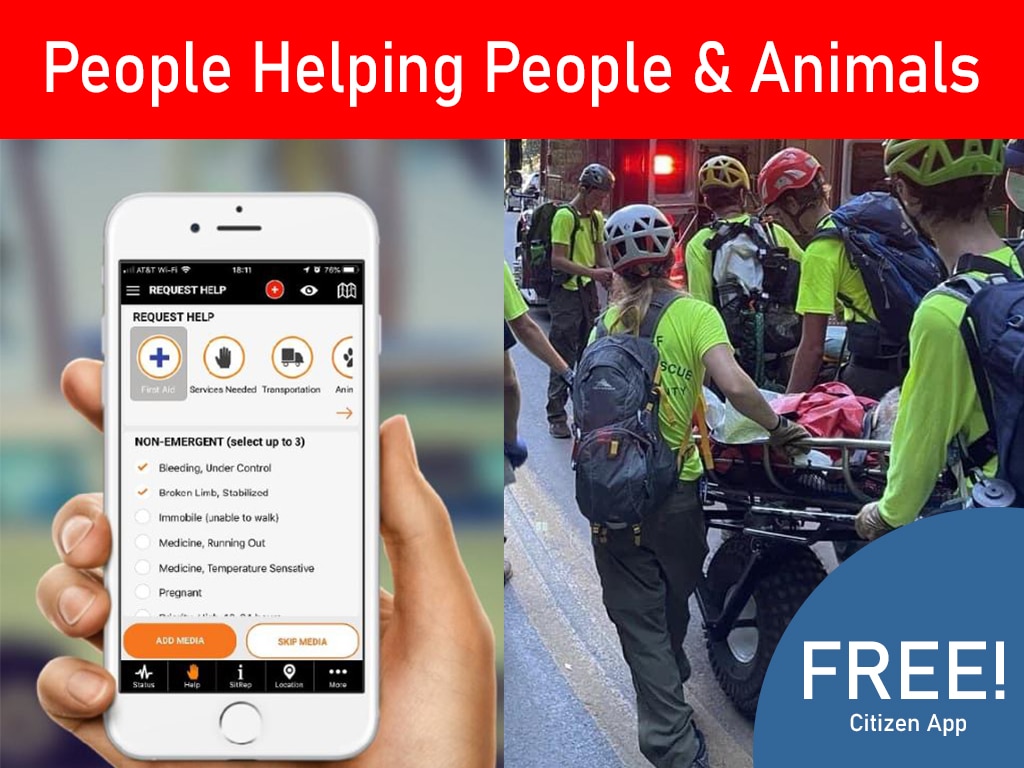
Community reporting is especially valuable when it is managed carefully. Residents often see blocked roads, damaged infrastructure, flooding, stranded animals, and unmet needs before responders can reach every neighborhood. A citizen-facing mobile app can turn those observations into actionable local intelligence, while giving the EOC a controlled process for reviewing, prioritizing, and responding to reports.
Volunteer and personnel readiness
A volunteer list is not the same as an available, qualified response force. Coordinators need to know who can deploy, what training they hold, whether certifications are current, what roles they are authorized to perform, and how to contact them quickly.
Emergency operations center software should maintain these records in advance, not require a coordinator to search through folders in the middle of a storm. It should also support assignment by role, availability, location, and qualifications. This reduces preventable risk and helps organizations document that the right people were assigned to the right work.
For multi-agency operations, access controls matter just as much. A volunteer coordinator may need roster and training information, while a command-level user needs broader incident visibility. Field personnel may need only the assignments relevant to their team. Role-based access keeps sensitive information available to those who need it without making every record visible to every user.
Dispatch, work orders, and status control
Good coordination turns incoming needs into visible, owned actions. Whether the mission is debris assessment, supply delivery, shelter support, animal evacuation, damage documentation, or a welfare check, the work should have a clear owner and status.
A dispatch workflow can assign the task, record instructions, attach relevant details, and log activity as the assignment moves from open to acknowledged, in progress, completed, or unable to complete. Supervisors can then see what is stalled, what needs escalation, and where additional resources may be required.
This is more than administrative discipline. During extended operations, a reliable activity record protects continuity across shifts. The next coordinator should be able to understand an assignment without asking the previous shift to reconstruct the story from memory.
Alerts that support action
Public alerts and internal notifications serve different purposes. The public may need clear guidance about evacuation areas, shelter availability, road conditions, or reporting channels. Responders may need a deployment notice, operational update, or reassignment.
The best systems keep these communications tied to the operational picture. An alert about a hazardous area should not be disconnected from the reports and incidents that led to it. This helps teams communicate consistently and gives leaders a record of what was shared, when it was shared, and why.
Why Generic Tools Break Down Under Pressure
Spreadsheets, shared drives, email, text messages, and consumer volunteer platforms can be useful supporting tools. They are familiar, inexpensive, and often already in place. For routine administrative work, they may be enough.
The trade-off appears when an incident expands. A spreadsheet can list requests, but it does not naturally show the incident location, link it to a field assignment, update the public, verify responder qualifications, and preserve a complete activity history. Text messages move quickly, but they are difficult to search, audit, hand off, or convert into coordinated work.
Fragmented tools also create conflicting versions of the truth. One team may mark a request complete while another still sees it as pending. A volunteer may be dispatched based on an outdated phone number or expired credential. A field report may remain buried in a message thread while a nearby team is sent elsewhere.
Purpose-built software does not remove the need for trained people or sound incident leadership. It gives those people a dependable structure for making decisions and documenting execution under pressure.
Building an EOC Workflow Before the Next Incident
The strongest implementation begins in blue-sky conditions. Organizations should map how information currently flows from a resident, partner, or field team to the person who can act on it. Identify where details are copied manually, where ownership becomes unclear, and where sensitive information sits outside an approved system.
Then configure workflows around actual missions. A public works damage report may follow a different path than a request for food delivery, a volunteer deployment, or an animal rescue. Standard categories and statuses create consistency, but they should not be so rigid that staff cannot adapt to local conditions.
Training should be role-based and practical. Incident coordinators need to manage priorities and assignments. Dispatch leaders need to create and update work. Field supervisors need to report status from the ground. Volunteer coordinators need to confirm readiness. Command staff need a concise view of what requires a decision.
Run exercises that test the handoffs, not only the login process. Start with a realistic report, create the incident, assign the work, update the map, issue an alert if appropriate, and close the task with documentation. The value of the platform becomes clear when every participant can see how their action supports the larger operation.
A Community-Connected Model for Response
Emergency management is strongest when official coordination and community awareness reinforce each other. Residents should have a trusted way to report conditions and request help without being expected to self-dispatch or manage response operations. Volunteers should have meaningful assignments within clear safety and accountability boundaries. Leaders should be able to see both the human need and the operational capacity available to address it.
PubSafe brings these functions together through a cloud-based operations portal and a free citizen app, helping organizations collect reports, coordinate people and resources, and maintain live situational awareness. The goal is practical: help responders act with better information while giving communities a responsible role in protecting people, property, and animals.
A well-prepared EOC does not wait for a major incident to discover where information gets lost. Establish the workflows, records, roles, and reporting channels now, so when the next call comes in, your team can focus on the people who need help.