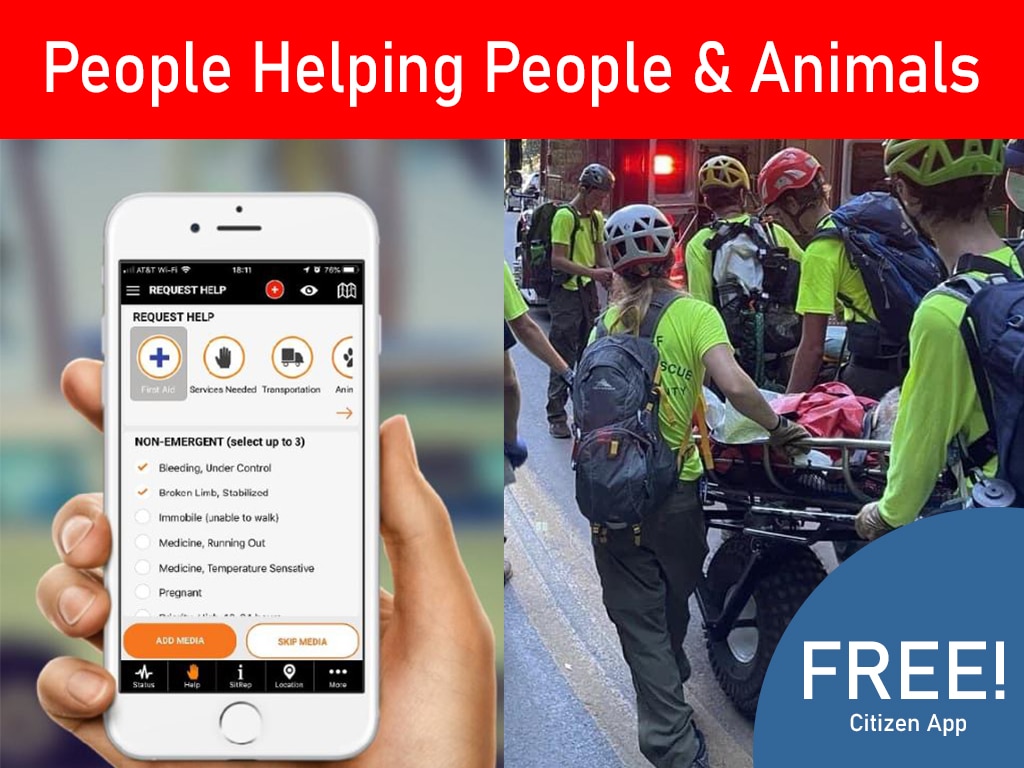
A great sports team doesn’t just show up on game day; they have a playbook, a communication system, and a coach ensuring everyone works together. Your CERT is no different. When an emergency hits, you need a clear game plan. Relying on disconnected tools is like playing without a strategy. Modern emergency preparedness software for volunteer CERT programs is your digital playbook. It provides the structure for real-time communication, volunteer management, and resource deployment. This technology transforms a group of trained individuals into a cohesive, coordinated unit, ready to execute a life-saving response with precision and confidence.
Key Takeaways
- View software as your operational hub: Unlike public alert apps, specialized CERT software is built for active, two-way coordination. It provides the tools you need to manage volunteers, assign tasks, and track resources, creating a single source of truth for your entire team.
- Prioritize function and usability over flash: The right software solves your team’s real-world problems. Focus on core features like volunteer management and incident reporting, and choose a platform with a simple, intuitive interface that everyone can use, even under stress.
- Successful adoption requires a plan: Simply choosing software isn’t enough. True readiness comes from making the tool a core part of your operations through hands-on training, using it in drills, and creating a process for volunteer feedback and improvement.
What Is Emergency Preparedness Software for CERTs?
If you’re part of a Community Emergency Response Team (CERT), you know your group is the first line of support when disaster strikes. Emergency preparedness software for CERTs is a digital toolkit designed to make your team’s efforts more organized, efficient, and impactful. Think of it as a central hub for everything your team does. According to FEMA, the goal of a CERT program is to educate volunteers on local hazards and train them in basic response skills. This software is built to support that mission directly.
Instead of juggling spreadsheets, group texts, and paper forms, this software provides a single platform for communication, training, and coordination. It helps you manage your roster of volunteers, schedule drills, report incidents, and track resources in real time. The main goal is to streamline your operations so you can focus on what truly matters: helping your community safely and effectively. By centralizing these tasks, the software ensures that every team member is on the same page, whether you’re focused on hurricane preparedness planning for CERT teams or responding to a local flood.
How It’s Different from General Emergency Tools
It’s easy to confuse CERT software with general emergency alert apps, but they serve very different purposes. General emergency tools are typically designed for the public; they broadcast one-way alerts, share public safety information, or provide a simple way to call for help. They are essential, but they aren’t built for the specific operational needs of a response team. CERT software, on the other hand, is created for the volunteers themselves.
This specialized software includes features that a public-facing app wouldn’t need, like tools for team management and internal coordination. You can organize volunteers into specific teams, assign tasks, track certifications, and manage equipment inventory. It’s a two-way street, allowing for active collaboration and detailed planning that is critical for a coordinated response. While a general tool tells people a storm is coming, CERT software helps your team decide who does what and where they need to be. That same operational planning supports preparing CERT teams for winter storm emergencies, when staffing, warming centers, and road conditions can change quickly.
Key Benefits for Your Volunteer Team
Adopting dedicated software brings some major advantages to your CERT program, making your team more resilient and ready for action. First and foremost, it creates clear and reliable communication channels. During an emergency, confusion is the enemy. A unified platform ensures that every volunteer receives the same information at the same time, which is crucial for a safe and organized response. This is a core part of effective volunteer coordination.
Beyond communication, this software helps with training and readiness. You can track volunteer certifications, schedule refresher courses, and ensure everyone’s skills are up to date. It also simplifies resource management, giving you a clear view of your available equipment and personnel so you can deploy them wisely. Finally, by collecting data on incidents and response activities, your team can review its performance, identify areas for improvement, and make smarter, data-driven decisions for future events.
Essential Features for CERT Software
When you’re looking for software to support your CERT, it’s easy to get overwhelmed by options. The key is to focus on the core functions that will actually make your team more effective during an emergency. The right platform isn’t just a digital filing cabinet; it’s a command center that connects your volunteers and streamlines every aspect of your response. Let’s walk through the essential, non-negotiable features your CERT software needs to have.
Real-Time Communication and Alerts
During a crisis, clear and immediate communication can make all the difference. Your software must be able to send real-time alerts to your team and community members, ensuring everyone receives critical information without delay. This isn’t just about sending a group text; it’s about having a reliable system for disseminating instructions, safety warnings, and status updates. Effective communication tools give your team better situational awareness and help you coordinate your actions when every second matters. A platform with a public map can also provide a visual, real-time overview of the situation for everyone involved.
Volunteer Management and Coordination
Managing a team of dedicated volunteers is the heart of any CERT program. Your software should make this process simple and efficient. Look for features that help you track volunteer availability, skills, and certifications. The ability to create assignments, schedule shifts, and communicate with specific groups is crucial for deploying the right people to the right places. Good volunteer coordination tools prevent confusion and ensure that your team’s efforts have the greatest possible impact. This helps you move from a simple list of names to a dynamic, organized response force ready for action.
Training and Certification Tracking
A well-prepared team is a trained team. It’s vital that your software provides a way to track training records and certifications for every volunteer. This feature helps you see at a glance who is qualified for specific tasks and who might need additional training. Keeping accurate records ensures your team meets any required standards and maintains a high level of readiness. By using a platform with strong team management capabilities, you can easily maintain an up-to-date roster of your team’s skills, ensuring you are always prepared to respond safely and effectively when your community needs you most.
Incident Reporting and Damage Assessment
To mount an effective response, you need accurate information from the field. Your software should allow volunteers to easily report what they’re seeing on the ground. This includes tools for submitting incident details, photos, and precise locations. This data is invaluable for leadership to understand the scope of an event and make informed decisions about where to allocate resources. A straightforward process for reporting an incident empowers your volunteers to be your eyes and ears, providing the critical intelligence needed to direct the overall response and document the event for post-incident analysis.
Resource Management and Deployment
An emergency response depends on more than just people; it requires equipment, supplies, and facilities. Your software should help you keep track of these critical assets. A good resource management feature allows you to log available equipment, track its location, and document its deployment during an incident. Knowing what you have and where it is prevents costly delays and ensures your teams have the tools they need to do their jobs safely. This logistical backbone is a core part of any disaster response platform, helping you optimize your efforts and avoid wasting precious time searching for supplies during a critical event.
How to Choose the Right Software for Your CERT
Finding the right software is about more than just picking the one with the longest feature list. It’s about finding a tool that fits your team’s unique workflow and helps you serve your community more effectively. When you start looking at options, it can feel overwhelming, with countless platforms all claiming to be the best. To make the process easier, it helps to have a clear framework for your evaluation. Instead of getting lost in technical jargon, you can focus on what really matters for a volunteer-led team like yours.
Think of this as creating a checklist for your team’s success. By focusing on these five key areas, you can cut through the noise and select a platform that truly supports your mission, your volunteers, and the people you protect. This approach ensures you end up with a tool that feels like a natural extension of your team, one that makes your response efforts smoother and more organized, especially when every second counts. It’s an investment in your team’s efficiency and long-term impact.
Match Features to Your Team’s Needs
Before you even start looking at software, take some time to map out your team’s core activities. What are the most critical tasks you perform during an emergency? This could include checking volunteers in, assigning tasks, tracking resources, or communicating with your local EOC. Once you have your list, you can look for software that directly supports those functions. A platform might have a dozen features, but if it doesn’t do the three things you need most, it’s not the right fit. Look for a solution that streamlines your existing processes, like effective team management, rather than forcing you to change how you operate.
Evaluate Cost vs. Value for a Volunteer Budget
We all know that CERT budgets are often tight, or even nonexistent. It’s tempting to just look at the price tag, but it’s more important to consider the overall value. A free tool that saves your team dozens of administrative hours is far more valuable than a cheap one that’s complicated to use. Think about the return on investment in terms of time saved, improved response coordination, and reduced volunteer frustration. Some platforms offer incredibly robust tools without any cost. For example, you can often install a free app that provides professional-grade features, giving your volunteer team access to the same powerful tools used by larger organizations.
Prioritize a User-Friendly Interface
Your volunteers are giving their time and skills to help the community; don’t make them struggle with clunky, confusing software. An intuitive, user-friendly interface is essential for a volunteer team where members may have varying levels of technical skill. If the software isn’t easy to use, people simply won’t use it, especially under the stress of an emergency. When evaluating options, ask yourself: Could a new volunteer figure out how to use it with minimal training? A simple process for reporting an incident or updating a task status is a great sign that the software is designed with the end-user in mind.
Assess Data Security and Privacy
As a CERT, you handle sensitive information, from your volunteers’ personal details to reports about your neighbors’ properties. Protecting this data is a huge responsibility. When choosing software, make sure you understand its security and privacy policies. Where is the data stored? Is it encrypted? Who has access to it? Using a secure platform is critical for building and maintaining trust with both your team members and the community you serve. A professional platform will have clear policies and require a formal process for organization registration to ensure that only legitimate teams are granted access to sensitive features.
Plan for Your Program’s Growth
The software that works for your 15-person team today might not be enough when you grow to 50 members. Think about your team’s future. Do you plan to expand your operational area, take on new types of missions, or recruit more volunteers? Choose a platform that can grow with you. A scalable solution allows you to add new users, expand your geographic reach, and handle more complex incidents without having to switch to a new system. This foresight saves you the major headache of migrating data and retraining your entire team down the road. A comprehensive disaster response platform is built to scale from small teams to large, multi-agency responses.
How to Implement Your New CERT Software
You’ve done the research and selected the right software for your CERT program. That’s a huge step, but the work doesn’t stop there. The real test is in the implementation. Getting your new system up and running effectively is what will truly prepare your team for a coordinated response when it matters most. A smooth rollout ensures that your new tool becomes an asset, not a hurdle.
Think of it as a phased mission. You need to get your volunteers comfortable with the technology, practice using it in realistic scenarios, and connect it with your local emergency ecosystem. A thoughtful implementation plan will help you get the most out of your investment and, more importantly, equip your team to serve your community better. The following steps will guide you through the process of turning your new software into an indispensable part of your CERT operations.
Onboard and Train Your Volunteers
Your volunteers are the heart of your CERT program, so getting them on board with new technology is your top priority. Remember, CERT training already provides them with foundational skills in areas like fire safety and basic medical aid. Your software training should build on this, showing them how the new tool supports the work they’re already trained to do. Don’t just show them which buttons to click; explain how the software makes their volunteer coordination efforts faster and more effective. Create simple quick-start guides, host a hands-on training session, and make sure everyone knows how to log in and perform basic tasks before you need to use it in a real event.
Run Drills and Simulations
There’s a world of difference between learning something in a classroom and applying it under pressure. That’s why drills are a core part of CERT readiness. As FEMA notes, these practices should be like real events that could happen in your community. When you run your next drill, make your new software a central component. Have volunteers use the app for reporting an incident, tracking team locations, or requesting resources. The more your team practices with the software in a simulated environment, the more instinctual its use will become during an actual emergency. This repetition builds confidence and works out any kinks in your process before a disaster strikes.
Integrate with Local Emergency Systems
Your CERT program doesn’t operate in a vacuum. You are a vital part of a larger community response network that includes fire departments, police, and emergency management offices. Your software should reflect this partnership. The goal is to create a seamless flow of information between your team and official agencies. A platform like PubSafe is designed to show how it works to connect different groups on one map. Work with your sponsoring agencies to establish protocols for sharing data through your new system. This integration ensures that the critical information your volunteers gather in the field gets to the decision-makers who can dispatch official resources effectively.
Create a Feedback Loop for Improvement
The ultimate goal of any CERT program is to do the most good for the most people. Your tools and processes should constantly evolve to meet that mission. After you’ve rolled out the new software, create a simple way for volunteers to provide feedback. What’s working well? What’s confusing? Are there features they wish they had? This feedback is gold. It helps you identify areas for more training, refine your workflows, and get the most out of your software. A good platform will support clear communication and team management, making it easier to gather and act on these valuable insights from your team on the ground.
Keep Volunteer Information Current
In an emergency, you don’t have time to track down correct phone numbers or wonder if a volunteer’s medical certification is still valid. Outdated information can bring your response to a halt. Your new software should serve as a single source of truth for all volunteer data. Make it a regular practice to have team members review and update their profiles, including contact information, skills, and certifications. This digital readiness is just as important as a fully stocked go-bag. Starting with a clear organization registration process sets the stage for maintaining clean, reliable data that you can count on when every second matters.
Equip Your Team for a Coordinated Response
When a disaster strikes, a coordinated response is your most powerful asset. It ensures your team can do the most good for the most people, safely and efficiently. Without a clear plan and the right tools, even the most well-intentioned volunteers can face challenges or put themselves at risk. True preparedness goes beyond having a roster of names; it’s about building a cohesive unit ready to act.
The foundation of a strong team is standardized training. Programs like CERT teach a consistent set of skills, but it’s the organizational structure that brings those skills together effectively. Many successful teams model their operations on the Incident Command System (ICS), the same framework used by professional emergency responders. Adopting ICS helps you define roles, manage resources, and communicate clearly, which is critical when working alongside fire departments, police, and other local agencies.
This is where a dedicated platform becomes essential. Software designed for emergency response helps you put principles like ICS into practice. With the right tools, you can manage volunteer coordination in real time, assign tasks, and track team locations to ensure everyone’s safety. A centralized system allows different organizations to register their teams and share a common operational picture, breaking down communication silos when it matters most. By combining solid training with smart technology, you equip your team to be a reliable, effective force in your community.
Build a complete CERT software stack by connecting preparedness planning with these related workflows: CERT activation checklist, CERT team roster and scheduling, CERT deployment tracking, and CERT member accountability system.
Related Articles
- What Is A CERT Team & How To Contact Yours
- Best Incident Management Software for Disaster Response | PubSafe
- 4 Best Search And Rescue Dispatch Software (2026)
Frequently Asked Questions
My CERT has no budget. Are there affordable or free options that are actually good? Absolutely. This is a common reality for volunteer teams, and many software developers in this space understand that. Instead of focusing only on price, think about value. A good free platform can save you hundreds of volunteer hours in administrative work, which is an incredible return. Look for platforms that offer a robust free version, like PubSafe, which provides professional-grade tools without the cost. This gives your team access to the same powerful coordination features that larger agencies use.
We just use group texts and spreadsheets. Why do we need specialized software? While group texts and spreadsheets are familiar, they can become liabilities during a real emergency. Information gets buried in long text threads, spreadsheets are not accessible or updatable by everyone in the field, and neither tool gives you a real-time map of the situation. Specialized software provides a single, reliable source of truth. It ensures that every volunteer is seeing the same data, from incident reports to resource locations, which is critical for making safe and effective decisions under pressure.
How can we convince our less tech-savvy volunteers to use a new app? The key is to focus on the “why” before the “how.” Show them how the tool makes their specific job easier, safer, or more impactful. A user-friendly interface is non-negotiable; if it’s not intuitive, it’s not the right tool. When you introduce it, run hands-on training during a drill. Have them practice reporting a downed tree or marking a cleared street. When they see how it simplifies tasks they already do, it becomes a helpful tool rather than another technical hurdle.
How does this software help us work better with official agencies like our fire department? This type of software professionalizes your team’s communication. Instead of radioing in vague information, your volunteers can submit precise, geotagged incident reports with photos. This gives official agencies a clear, real-time view of what’s happening on the ground. When your sponsoring agency can see the same operational map you’re using, you become a trusted source of field intelligence, which allows them to deploy their resources more effectively and helps integrate your team into the larger community response.
What is the single most important benefit of using this kind of software? The most important benefit is coordination. It transforms your team from a collection of dedicated individuals into a cohesive, organized force. It provides the structure needed to manage people, information, and resources effectively when things are chaotic. This coordination ensures that the right volunteers are in the right place with the right information, which ultimately keeps both your team and the community you serve safer.