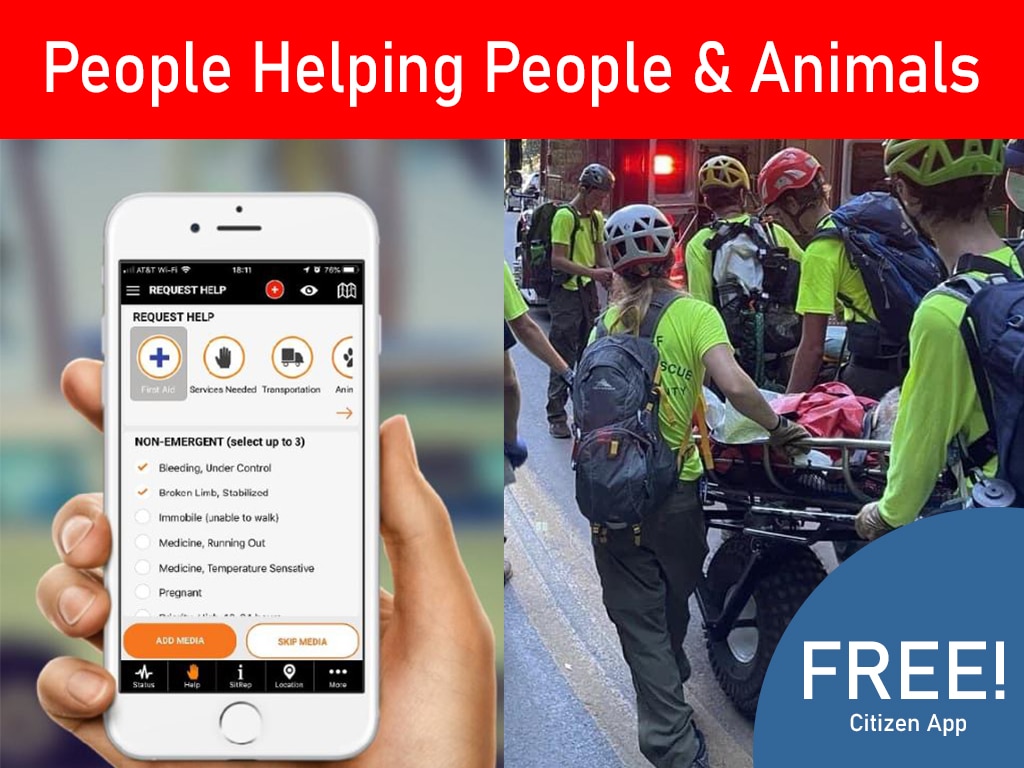
A storm can generate hundreds of requests before the first field team checks in: blocked roads, welfare checks, generator deliveries, damaged roofs, animal rescues, and debris hazards. The challenge is not simply receiving those reports. It is turning each one into accountable action. Emergency dispatch work order tracking gives incident coordinators a practical way to assign work, see progress, protect sensitive information, and close the loop with the people waiting for help.
For emergency managers, CERT leaders, NGOs, and volunteer organizations, a work order is more than a task ticket. It is an operational record of what was reported, what resources were assigned, what happened in the field, and whether further action is required. When that record lives in a spreadsheet, a text-message thread, or an individual dispatcher’s notes, the response picture quickly fragments. During a fast-moving incident, fragmented information creates avoidable delays and unnecessary risk.
Why emergency dispatch work order tracking matters
Dispatch work is a chain of decisions. A citizen report or partner request enters the system. Someone verifies the information, sets a priority, identifies the appropriate capability, assigns the work, and monitors progress. Field personnel need enough detail to act safely. Command staff need confidence that the highest-risk needs are being addressed. The community needs a response process it can trust.
Without a shared tracking process, teams tend to encounter the same problems: duplicate assignments, missed follow-up, unclear ownership, incomplete activity records, and no reliable way to distinguish open needs from completed missions. These gaps become more serious when multiple agencies, volunteer groups, and departments are operating in the same area.
A structured work order process creates a common operational language. It establishes who owns the request, where it is occurring, what resources are needed, what the current status is, and what evidence supports closure. That clarity supports faster decisions without reducing the human judgment that emergency operations require.
Build the workflow before the incident
The strongest tracking process is configured during blue-sky operations, not improvised after landfall or a major fire. Organizations should decide in advance which request types they expect to receive and how each should move from intake to resolution.
Start with consistent intake
Every report should capture the details needed to make an informed dispatch decision. At minimum, this usually includes the location, contact information when appropriate, nature of the need or hazard, time reported, source of the report, and any immediate safety concern. Photos, map points, and supporting notes can help confirm conditions, but they should be handled according to the organization’s privacy and records policies.
Intake should accommodate more than one source. Reports may come from residents, 911 or non-emergency call centers, partner agencies, field observers, shelters, volunteer teams, or a public reporting app. The goal is not to force every source into the same conversation. It is to bring validated requests into one operational queue where they can be reviewed and acted upon.
Define priorities that guide action
Priority labels only work when everyone understands what they mean. A useful model separates life safety, urgent needs, time-sensitive service requests, and routine recovery work. An inaccessible medical patient, for example, requires a different escalation path than a request for post-storm debris pickup.
Priority is not permanent. Conditions change, especially during extended incidents. A work order should allow supervisors to raise or lower urgency as new information arrives, while preserving a record of who made the change and why. This protects accountability and gives command staff better context when reviewing operational decisions later.
Match assignments to real capabilities
The nearest available person is not always the right resource. Dispatchers must consider training, certifications, equipment, access restrictions, shift status, and mission authority. A volunteer team may be well suited to damage assessment or supply delivery but should not be sent into a hazardous environment beyond its training or authorization.
For that reason, work order tracking should connect assignments to current responder records. Dispatch leaders need to know not only who is available, but whether that person or team is qualified for the assignment. This becomes particularly valuable when mutual-aid partners and spontaneous volunteers are joining a response.
What a useful work order should show
A work order needs to serve multiple roles at once. Field personnel need clear instructions. Dispatch needs status visibility. Supervisors need a record that supports oversight and resource planning. Command needs an accurate view of mission volume and unmet needs.
A practical emergency work order typically includes the request description, mapped location, priority, assignment, due or review time, current status, communications notes, attachments, and completion details. It should also preserve an activity history, so a supervisor can see when the request was received, assigned, updated, reassigned, and closed.
Status choices should be specific enough to guide the next action. “New,” “under review,” “assigned,” “en route,” “on scene,” “pending external support,” “completed,” and “closed” provide more value than a simple open-or-closed label. Still, too many status options can slow dispatch and produce inconsistent updates. The right number depends on the organization’s operating model and the complexity of the incident.
Keep field updates connected to command
A work order becomes stale the moment a field team encounters a condition that is different from the original report. Road access may be blocked, the resident may have evacuated, a hazard may have expanded, or the team may discover additional households that need assistance. Dispatchers should be able to receive updates quickly and adjust the mission without losing the original record.
Mobile access matters here, but it is not the entire answer. Field teams need a simple way to view assignments, update status, add notes, and document completion. At the same time, operations staff need controls that prevent accidental disclosure of personal information or sensitive locations. The best approach balances speed with role-based access, secure cloud availability, and disciplined information handling.
Live mapping adds another layer of situational awareness. When work orders appear alongside incident reports, team locations, shelters, hazards, and operational boundaries, coordinators can identify geographic clusters and make better deployment choices. Several requests on the same street may warrant a combined mission. A pattern of welfare checks in one neighborhood may indicate a larger power, access, or communications problem.
Use closure as an operational checkpoint
Closing a work order should not mean simply marking it done. The closing record should answer what action was taken, who performed it, when it occurred, whether the need was resolved, and whether follow-up is required. If a request was transferred to another agency, that handoff should be visible rather than treated as a silent closure.
Quality closure data helps teams avoid reopening the same issue without context. It also supports after-action reporting, cost documentation, grant or reimbursement records, and future planning. During recovery, the accumulated work-order history can reveal which needs persisted longest, where resources were stretched, and which partner relationships made a measurable difference.
That said, not every request can be resolved by the organization that receives it. A disciplined process should allow teams to document referrals, denied requests, duplicate reports, and requests outside their authority. Transparency is better than a false appearance of completion.
Make community reporting part of the picture
Residents often see conditions before an agency can confirm them. A fallen tree, flooded underpass, damaged utility pole, isolated neighbor, or stranded animal may first be reported by someone using a mobile device. Community reporting expands local awareness, but it must feed an organized review process rather than create another unmanaged inbox.
PubSafe supports this model by connecting citizen-submitted reports with coordinated operational workflows, including dispatch activity, work orders, mapping, and responder management. This gives organizations a path from local observation to documented action while keeping responders and residents connected to the same community mission: People Helping People & Animals.
Organizations should also set expectations with the public. A report is not automatically an emergency response, and the public should know when to call 911, when to use a non-emergency channel, and what information will help responders act. Clear communication reduces inappropriate requests while improving the quality of the reports that do enter the queue.
Measure the process, not just the volume
Counting closed work orders is useful, but it does not tell the whole story. Leaders should review time from intake to assignment, time from assignment to arrival, aging open requests, reassignment rates, completion by request type, and geographic concentrations. These measures can reveal bottlenecks in triage, training gaps, insufficient resources, or unclear mutual-aid procedures.
Metrics need context. A longer closure time may reflect poor performance, but it may also reflect widespread road closures, unsafe weather, or a deliberate decision to prioritize life safety. Numbers should support operational judgment, not replace it.
The real value of emergency dispatch work order tracking is confidence under pressure. When every request has an owner, every field update informs the shared picture, and every closure leaves a usable record, teams can respond faster and more effectively. That structure leaves more room for the work that cannot be automated: listening to people, protecting responders, and making sound decisions for the community when conditions are at their hardest.