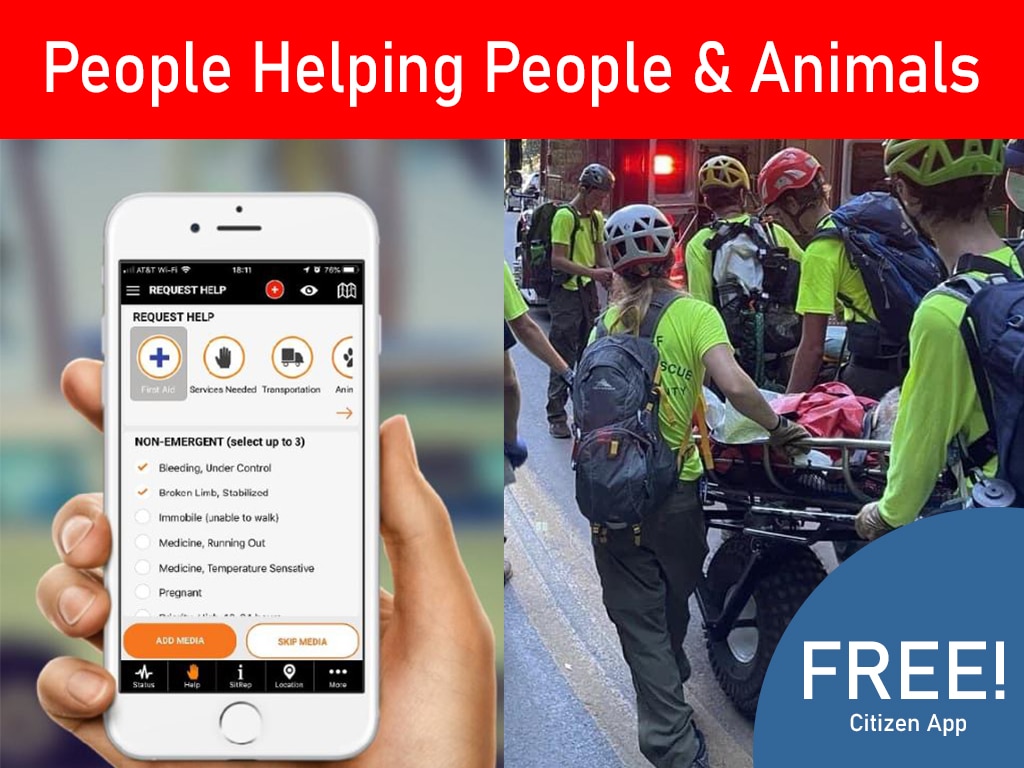
A CERT roster can look complete on a spreadsheet and still fail the moment an incident expands. Phone numbers are outdated. Training records sit in a separate file. A volunteer who is available for damage assessment may not be cleared for shelter support. Meanwhile, residents are reporting blocked roads, welfare concerns, and hazardous conditions through channels that do not reach the people coordinating the response. CERT volunteer management software brings those moving parts into an organized operational picture.
For Community Emergency Response Teams, the goal is not simply to maintain a database of willing people. It is to know who is trained, available, approved, assigned, checked in, and accountable – before and during a mission. The right system supports the full cycle of readiness, mobilization, field coordination, and documentation without forcing coordinators to assemble a response from disconnected tools.
Why CERT coordination breaks down under pressure
CERT programs depend on local knowledge and trained volunteers, but their operations often run on manual processes built for quieter days. A spreadsheet may track names and certifications. A group text may alert members. Paper sign-in sheets may document hours. Each tool has a purpose, yet none provides a shared, current view of the operation.
That gap becomes serious when a storm, wildfire, flood, or prolonged outage creates multiple requests at once. Coordinators need to answer practical questions quickly: Which volunteers are available? Who has the current training for this assignment? Where have teams been sent? Has anyone checked in or requested support? What needs to be communicated to residents?
Without a central system, those answers can require calls, texts, emails, and repeated data entry. That delays deployment and increases the chance that volunteer information, assignments, or incident records will be incomplete. It also places unnecessary pressure on volunteer leaders who may be managing their own households during the emergency.
What CERT volunteer management software should manage
A purpose-built platform should connect volunteer readiness to active incident operations. It should not treat volunteers as a mailing list separate from the work they perform in the field.
Volunteer profiles, credentials, and readiness
Every CERT member has different qualifications, availability, physical considerations, language skills, equipment access, and response experience. A useful profile gives authorized coordinators a reliable place to maintain those details, along with contact information and emergency contacts.
Training and certification tracking is especially important. Coordinators should be able to record completed courses, renewal dates, and expiration status so they can assign people appropriately. The system should help identify members whose credentials need attention before an incident, rather than revealing the problem after a deployment begins.
Readiness is also more than certification. A volunteer may be qualified but unavailable, out of the area, or unable to perform a specific task. Clear status information allows leaders to build realistic teams instead of assuming every name on the roster is deployable.
Assignments that connect people to missions
During an activation, coordinators need a structured way to turn requests into work. That means documenting the mission, assigning a team or individual, setting priorities, recording locations, and tracking progress. For example, a request for welfare checks in a neighborhood should not disappear into a text thread. It should become a visible assignment with ownership and status.
This protects both volunteers and the community. Field teams know their scope of work, supervisors can see what is underway, and command staff can identify stalled or unassigned tasks. It also creates a record of what was requested, what action was taken, and whether additional resources were needed.
The best workflow depends on the agency and incident. A small CERT program may need simple task assignment and check-in capability. A larger municipal operation may need to coordinate CERT members alongside public works, fire, law enforcement, nonprofit partners, shelter staff, and volunteer groups. The software should scale to both scenarios while preserving role-based access and clear chains of responsibility.
Communication without confusion
A single alert can mobilize volunteers, but ongoing operations require more disciplined communication. CERT leaders may need to send an activation notice to all members, instructions to a specific team, updates to supervisors, or safety information to citizens. These messages should be organized by audience and connected to the active operation whenever possible.
Communication records matter after the incident as well. If a volunteer disputes an assignment or a supervisor needs to verify when instructions changed, the operation should not depend on someone locating an old text message. Centralized communication supports accountability while reducing duplicate outreach.
Field visibility is the operational difference
Volunteer management becomes emergency management when it includes what is happening on the ground. A coordinator needs more than a list of who was assigned. They need situational awareness: reported hazards, assistance needs, team locations, completed work, open work orders, and conditions that may affect safety.
Live operational mapping can bring these details together. A map view helps leaders see whether requests are concentrated in a particular neighborhood, whether teams are being dispatched efficiently, and where new reports may require a change in priorities. It can also reduce the risk of sending volunteers into areas with known hazards or overlapping assignments.
Community reporting strengthens this picture. Residents often see flooded intersections, downed trees, vulnerable neighbors, animal welfare concerns, or access problems before an agency has field personnel nearby. When citizens have a trusted way to report conditions, those observations can enter an organized review and dispatch workflow instead of becoming scattered social media posts.
That does not mean every report should trigger a CERT deployment. Reports must be validated, prioritized, and routed according to local policy. But a well-managed intake process gives incident leaders more actionable local intelligence and helps residents participate safely in community response.
Security and accountability cannot be afterthoughts
CERT teams work with people, addresses, needs, and sometimes sensitive circumstances. Volunteer records may contain emergency contacts, training history, and personal availability. Assistance requests may involve medical concerns, welfare checks, or households experiencing hardship. These records require careful handling.
Cloud access is valuable because authorized personnel can work from the emergency operations center, a field command post, or home during a disruption. Yet access should be controlled by role, with clear permissions for volunteers, team leaders, coordinators, and partner agencies. The objective is not to expose every operational detail to every user. It is to give each person the information required to perform their role safely and effectively.
A centralized record also supports post-incident reporting. Agencies and nonprofit partners can document volunteer hours, mission activity, unmet needs, resource requests, and response outcomes. This is useful for internal improvement, grant reporting, reimbursement support, and future planning. Just as importantly, it helps leaders recognize the work volunteers performed for their neighbors.
Building a practical CERT workflow
The strongest technology will not fix an unclear process. Before selecting or configuring a system, CERT leadership should define how information moves from report to resolution. Start with the activation process: who can activate the team, how volunteers are notified, and how availability is confirmed.
Next, establish assignment rules. Identify which mission types CERT members may handle, which require agency approval, when supervisors must be involved, and how teams check in and out. Document escalation procedures for hazards, medical emergencies, and requests outside the team’s authority.
Then determine what leadership needs to see during an operation. For some organizations, that may be a simple list of open assignments and available volunteers. For others, it may include a live map, dispatch activity, help requests, work orders, alerts, and partner-agency status. Build the dashboard around decisions that need to be made, not around data that is merely available.
PubSafe supports this connected approach by bringing volunteer records, certifications, help requests, dispatch activity, work orders, community alerts, and live mapping into one cloud-based operational portal. Its free citizen app also gives residents a direct way to report local conditions, helping organizations turn community observations into organized response activity.
Choose software for the incident you hope never comes
Generic volunteer platforms can work for scheduling events or sending newsletters. They may be enough for a small program that only needs contact lists and occasional reminders. But an organization coordinating disaster response should evaluate whether the platform can operate when communications are strained, requests are multiplying, and leaders need a common operational picture.
Ask whether it can show credential status before an assignment is made. Ask whether it can track work from intake through completion. Ask whether field information can be viewed geographically, whether access is controlled, and whether the system supports coordination with agencies and residents as well as volunteers. A tool that performs well in blue-sky readiness should also help when conditions turn gray.
The right CERT volunteer management software gives coordinators structure without taking the human purpose out of the work. When residents need help, volunteers deserve clear assignments, current information, and leadership that can see the operation as it unfolds. That preparation helps communities respond faster and more effectively – people helping people and animals when it matters most.