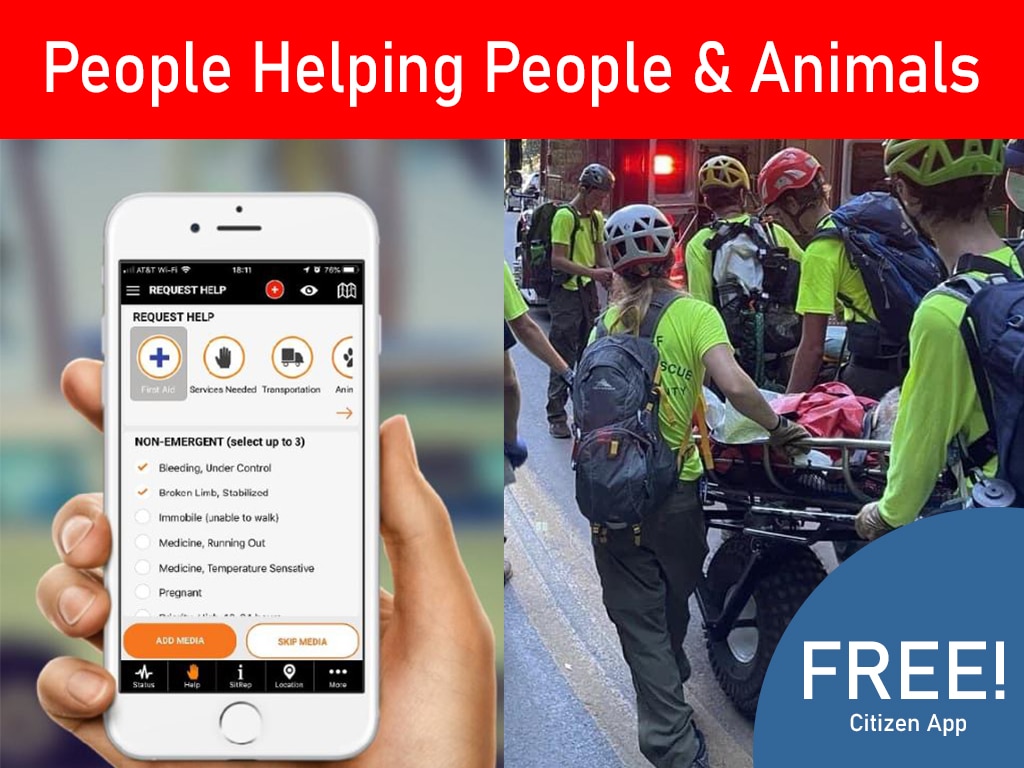
Your community’s emergency response is like an orchestra. You have skilled players in public safety, NGOs, and volunteer teams, but without a conductor, you just get noise. During a crisis, scattered information and siloed communication can quickly turn a coordinated effort into chaos. The right emergency management software acts as that conductor. It creates a single source of truth, ensuring every person and organization works in harmony from the same sheet of music. This guide will help you find a platform that unites all the moving parts of your response for a clear, effective, and unified operation.
Key Takeaways
- Connect everyone for a smarter response: The most effective emergency management software brings all stakeholders onto a single platform, replacing scattered communication with a shared, real-time view of the situation to enable better, faster decisions.
- Choose features that solve your real problems: Look past the sales pitch and select a platform based on your community’s specific needs, prioritizing essential tools like mobile access, simple incident reporting, and easy volunteer management.
- A successful rollout is about people and planning: Ensure your team adopts the new tool by involving them in the selection process, providing training tailored to different roles, and setting clear goals to measure the software’s impact on your response efforts.
What Is Community Emergency Management Software?
Community emergency management software is a tool designed to help everyone involved in a crisis work together more effectively. Think of it as a central hub where public safety agencies, NGOs, volunteer teams, and even citizens can share information, coordinate efforts, and respond as one unified force. Instead of relying on scattered radio calls, phone trees, and paper maps, this software brings all the critical data into a single, shared view. It’s about replacing confusion with clarity when every second counts. This technology helps leaders make smarter, faster decisions by connecting disparate teams and providing a real-time picture of what’s happening on the ground.
What Can This Software Do For Your Community?
At its core, this software centralizes information. It pulls together live updates from the field, historical data, resource availability, and incident reports into one accessible place. This allows different organizations, which might not normally communicate directly, to see the same information and work from a common operating picture. For example, a report from a citizen about a flooded road can instantly be seen by the public works department and first responders. This shared awareness is key to an efficient response. The software helps you understand how PubSafe works to connect all the dots, ensuring that the right resources get to the right place at the right time.
Serving a Wide Range of Responders
A major strength of this software is its ability to unite a diverse cast of characters. During a crisis, you have official first responders, dedicated NGO teams, organized CERT volunteers, and proactive citizens all wanting to help. The problem is, they often operate in separate worlds with different tools. A unified platform breaks down these walls. It gives everyone, from a government agency director to a neighborhood volunteer, a shared view of the situation. This means a citizen can report an incident like a downed power line, and that information is instantly available to both the utility company and the local CERT team, enabling true volunteer coordination. It’s about creating a single, inclusive network where every piece of information contributes to a safer, more organized response.
How It Actively Keeps Your Community Safer
When everyone has access to a single, real-time view of an emergency, the entire response becomes faster and more organized. Clear communication reduces dangerous delays and misunderstandings. Emergency managers can deploy assets more effectively, and volunteer coordinators can direct help where it’s needed most. This level of coordination also builds trust within the community. When people see a swift and competent response, they feel more secure. Platforms that offer a public map can also keep residents informed about hazards and safe zones, empowering them to make better decisions for their own safety and contributing to a more resilient community.
Beyond Disasters: Managing Planned Events
Effective coordination isn’t just for crises. The same software that helps you manage a flood can also streamline a planned event like a marathon, festival, or parade. These large gatherings require a similar level of multi-agency cooperation to ensure public safety. An emergency management platform provides a central hub where event organizers, public safety, medical teams, and volunteers can all coordinate efforts in real time. Instead of juggling different communication channels, everyone shares a single view of the event map, incident reports, and resource locations. This allows you to handle everything from a lost child to a medical issue with speed and organization, ensuring the event runs smoothly and safely for everyone involved.
Connecting to the Emergency Operations Center (EOC)
The Emergency Operations Center is the strategic heart of any major response, but it’s only as effective as the information it receives. Community emergency management software acts as the vital link between the EOC and teams in the field. It feeds a constant stream of real-time data—incident reports, photos from citizens, and resource statuses—directly to decision-makers. This creates a common operating picture, eliminating the guesswork and information lags that can hinder a response. With a clear view of the situation, EOC leaders can make smarter strategic decisions, allocate resources precisely, and effectively manage teams on the ground, ensuring the entire operation is synchronized and efficient.
Emergency Management Software: Fact vs. Fiction
One of the biggest concerns I hear is that new software will slow down response times because teams need to learn a new system. It’s a valid worry, but most modern emergency management platforms are designed to be intuitive and easy to use, even under pressure. The goal is to simplify, not complicate. Instead of adding another task, the software streamlines existing ones, like reporting incidents or requesting resources. The initial learning period is often short, and the long-term benefits of faster communication and better coordination far outweigh it. The right tool doesn’t create a bottleneck; it clears one.
Your Checklist for the Best Emergency Management Software
When you start looking at different emergency management platforms, the options can feel overwhelming. They all promise to make your job easier, but the right software does more than that. It acts as a central hub for your entire operation, connecting every person and piece of information in one accessible place. The goal is to find a tool that fits how your team already works while also making your processes more efficient and effective.
Think of it as building a digital command center. You need a system that can handle everything from the first report of an incident to the final after-action review. It should bring clarity to chaotic situations, not add another layer of complexity. The best platforms are designed with the user in mind, whether that’s a seasoned incident commander or a first-time volunteer. As you evaluate your options, focus on a few core features that are essential for a coordinated and successful response. These are the non-negotiables that will truly support your community when it matters most.
Why Real-Time Communication Is a Must-Have
During an emergency, clear and immediate communication is everything. Information is often scattered across different agencies, teams, and volunteers, leading to confusion and delays. Look for a platform that brings all your communication into one place. The right software provides a secure, shared space where everyone involved can exchange updates, share files, and coordinate tasks in real time. This creates a single source of truth, ensuring that responders, coordinators, and even citizens are all working with the same up-to-date information. This is how PubSafe works to connect all stakeholders for a unified response.
Automated and Multi-Channel Alerts
You can’t count on everyone seeing a single email or social media post during a crisis. That’s why your software must be able to send alerts across multiple channels, including text messages, app notifications, and even automated voice calls. This ensures that critical information, whether it’s an evacuation notice for residents or a call for specific supplies, actually gets through. The ability to automate these messages is just as important. For instance, sending an automated request for help can instantly coordinate volunteers with the right skills, freeing up your team to manage other urgent tasks. This approach replaces scattered communication with a reliable system that keeps everyone informed and ready to act.
Look for Effortless Incident Reporting and Tracking
An emergency response starts with a report. The easier it is for people to report an incident, the faster you can act. Your software should have a straightforward process for reporting an incident that anyone can use, from a team member in the field to a resident at home. Once a report is filed, the system needs to track its status from start to finish. This gives you a clear, live view of all ongoing incidents, helping you prioritize resources and manage the response effectively. The focus should be on usability, so your team can concentrate on the situation, not on figuring out complicated software.
Simplify Your Resource and Volunteer Management
Knowing what resources you have and where they are is critical. Look for a platform with strong tools for team management and asset tracking. You should be able to see available personnel, equipment, and supplies at a glance and deploy them where they’re needed most. This also applies to volunteers. A good system simplifies the process of registering, assigning, and communicating with volunteers, turning a complex logistical challenge into a manageable task. Efficiently tracking these details not only improves your response but can also be crucial for after-action reporting and securing potential reimbursements.
Track Staff Training and Equipment
A successful response depends on knowing not just who is available, but what they’re qualified to do and what gear is ready for deployment. Think about it: are your team’s certifications for specialized rescues up to date? Is that generator you’re counting on fueled and functional? Without a central system, this critical information often lives in scattered spreadsheets or binders, making it nearly impossible to access quickly during a crisis. The right software solves this by creating a single, live inventory of both personnel skills and equipment status. When you register your organization and its members, you can log certifications, track training expirations, and monitor equipment maintenance schedules, ensuring you can deploy the right people with the right tools confidently and without delay.
Check for Easy Integration and Full Compliance
Your emergency management software shouldn’t operate in a silo. It needs to work well with the systems you already use, like dispatch (CAD), records (RMS), and mapping (GIS) tools. This integration prevents you from having to enter the same data in multiple places and ensures information flows smoothly across your entire operation. It’s also important that the platform follows established standards like the National Incident Management System (NIMS). This common framework ensures that different organizations can work together seamlessly, using the same terminology and procedures during a multi-agency response.
Verify Security Certifications
You wouldn’t leave the door to your command center unlocked, and the same principle applies to your data. When you’re handling sensitive information—from residents’ personal details to operational plans—security is paramount. Verifying that a software platform meets recognized security certifications is a critical step. These certifications aren’t just fancy badges; they are proof that the software has been rigorously tested against high standards for protecting data. For example, frameworks from the National Institute of Standards and Technology (NIST) provide benchmarks for cybersecurity that are trusted across industries. Checking for compliance with standards like FISMA or HIPAA ensures the platform has the necessary safeguards to prevent breaches and protect the privacy of your community members and responders.
Confirm Data Governance Options
Beyond keeping data safe from outsiders, you also need to manage how it’s used internally. This is where data governance comes in. Think of it as setting the house rules for your information: who gets to see what, who can make changes, and how data is shared between different teams. In a multi-agency response, you need granular control. A volunteer coordinator, for instance, needs to see volunteer information but not sensitive law enforcement data. Strong governance ensures the right people have access to the right information, which is essential for maintaining both security and operational efficiency. Global standards from bodies like the International Organization for Standardization (ISO) highlight the importance of these controls. Ask potential vendors how their platform handles these permissions to ensure it can adapt to your team’s structure.
Is It Mobile-Friendly and Genuinely Easy to Use?
Emergencies don’t happen behind a desk. Your team is on the move, so your software needs to be, too. A mobile-friendly design is essential, allowing responders to access information, file reports, and get updates directly from their phones or tablets. The platform should also be intuitive and easy to learn. Volunteers and personnel with varying technical skills should be able to get up and running with minimal training. When a platform is easy to use, people are more likely to adopt it, making your entire response effort more coordinated. You can install the free app to see how a mobile-first approach works.
Look for No-Code Customization
Your community’s response plan is unique, so your software should be too. A rigid, one-size-fits-all platform can force you into inefficient workflows. That’s why no-code customization is so important. It means you can adapt the software to fit your exact needs—changing forms, adjusting workflows, or creating specific reports—without needing a developer. This flexibility is crucial during an emergency when situations change in an instant. You can make adjustments on the fly, ensuring the tool always supports your team’s efforts. When you can tailor the platform yourself, it becomes a natural extension of your operation, making it easier for everyone to use effectively. This adaptability is key to successful adoption and a core principle of how modern response platforms work.
Get Actionable Insights With Clear Reporting
Good data leads to good decisions. The right software collects information throughout an incident and presents it in a way that’s easy to understand. Features like a live public map can provide situational awareness for everyone, from command staff to the general public. After an event, this data becomes invaluable. You can use it to create detailed reports, analyze your response, identify areas for improvement, and justify funding requests. Look for a platform that makes it simple to access and visualize data, helping you learn from every incident and strengthen your preparedness for the next one.
Evaluate Advanced Mapping Capabilities
A map is the visual language of an emergency, and the right software turns it into your most powerful tool for situational awareness. Instead of a static image, you get a dynamic, interactive command center. Look for a platform that can integrate various map types, like Esri ArcGIS, allowing you to visualize your assets, track weather threats, and monitor critical infrastructure in one place. This capability helps you see the bigger picture instantly, answering crucial questions like, “Where are my teams in relation to this new hazard?” or “Which routes are clear for evacuation?” It’s about transforming complex data into a clear visual story that supports rapid, informed decision-making when you need it most.
Real-Time Data and Map Layering
A great map is powered by great data. The best platforms gather information from multiple sources—field staff, citizen reports, emails, and even social media—to create a single, shared view of what’s happening. This is often done through map layering, where you can toggle different data sets on and off, like weather patterns, resource locations, or incident reports. This gives you a comprehensive and uncluttered view tailored to your immediate needs. Furthermore, platforms that offer a public map can keep residents informed about hazards and safe zones, empowering them to make better decisions for their own safety and contributing to a more resilient community.
Streamline Operations with Digital Plans and Forms
Emergencies are chaotic enough without adding stacks of paperwork. Modern software helps you ditch the clipboards and binders by digitizing your plans, briefings, and forms. This move not only saves time but also dramatically reduces the chance of human error. Imagine forms that can be automatically filled with known information, or reports that can be generated with a few clicks. The easier it is for your team to capture and share information, the more efficient your entire operation becomes. A key part of this is making it simple for anyone to report an incident, ensuring you get critical information from the field faster than ever before.
How to Choose the Best the Right Platform for Your Community
Picking the right emergency management software is a big decision, but it doesn’t have to be overwhelming. The best approach is to break the process down into manageable steps. Think of it less like shopping and more like building a partnership. You’re looking for a tool that fits your community’s specific challenges and can grow with you over time. By carefully evaluating your needs, comparing your options, and planning for the future, you can find a platform that truly strengthens your response efforts.
Start by getting clear on what you need to accomplish. From there, you can look at the practical side of things, like cost and user support. It’s also important to test the software yourself and define what a successful outcome will look like for your team. A platform that works for a neighboring town might not be the perfect fit for you, so taking the time to do your homework is essential.
First, What Does Your Community Actually Need?
Before you even look at a demo, take some time to map out your community’s specific requirements. What are the most common emergencies you face? Who are all the different groups that need to work together, from first responders to citizen volunteers? The right software will bring all your information together in one place, helping everyone make smarter, faster decisions during a crisis.
Create a checklist of must-have features. Do you need real-time mapping, a simple way for citizens to report incidents, or robust tools for managing volunteers? Understanding exactly how a platform works to connect different stakeholders is the first step to finding one that will serve your community effectively. Your unique challenges should guide your search from the very beginning.
Assess Platform Maturity and Reliability
When you’re choosing emergency management software, you’re not just buying a product; you’re investing in a critical piece of your response infrastructure. Think of it this way: you wouldn’t want to be the first person to test a brand-new parachute design. The same principle applies here. A mature and reliable platform has been tested in the chaos of real emergencies and refined based on feedback from teams in the field. This track record provides confidence that the software won’t fail when you need it most. Gauging a platform’s maturity isn’t always obvious from a sales page, but looking at its usage statistics and industry recognition can give you a clear picture of its dependability.
Usage Statistics and Global Reach
A platform’s user base can tell you a lot about its reliability. When you see that a tool is used daily by thousands of responders across hundreds of organizations, it’s a strong indicator that it works as advertised. A wide global reach is also significant. A platform that’s active in dozens of countries has likely been adapted to handle a vast range of scenarios, from hurricanes in coastal regions to wildfires in rural areas. This level of adoption demonstrates that the software is flexible enough to connect diverse teams with different operational structures and needs. It shows the platform isn’t just a theoretical solution but a battle-tested tool that communities trust.
Check for Industry Awards and Recognition
While a wall of trophies isn’t the only thing that matters, industry awards and recognition are a useful form of third-party validation. Accolades from respected technology reviewers or emergency management organizations signal that a platform stands out for its quality and effectiveness. These awards are often based on feedback from actual users, highlighting strengths like ease of use, quality of customer support, and a clear return on investment. This kind of recognition shows that the company is committed to building a top-tier disaster response platform and has earned the trust of its peers and customers. It’s one more piece of evidence that you’re choosing a dependable partner for your community’s safety.
Look Beyond the Price Tag at Long-Term Costs
It’s easy to focus on the initial price tag, but the true cost of emergency management software goes beyond the subscription fee. Look for platforms with transparent pricing so you know exactly what you’re getting. Are there extra charges for training, support, or adding more users down the line? These long-term costs can add up, so it’s important to have a clear picture of the total investment.
Some platforms offer different tiers, including free versions for individuals and affordable plans for smaller organizations. This can be a great way to get started without a major financial commitment. When you’re ready to grow, you can move to a plan with more advanced features. Be sure to ask for a detailed quote that covers everything you’ll need for the first few years of use.
Take It for a Test Drive (and Check Their Support)
You wouldn’t buy a car without a test drive, and the same goes for emergency management software. The best way to know if a platform is right for your team is to get your hands on it. Sign up for a free trial or request a personalized demo that walks you through your specific use cases. Pay attention to how intuitive the interface is. Can you find what you need without a lot of searching? Does it feel like a tool that will actually help your team make faster decisions?
Equally important is the quality of customer support. When an emergency hits, you can’t afford to wait for an email response. Find out what kind of training and ongoing support is offered. Do they have specialists who can help you get set up and answer questions quickly? A strong support system is a key part of a successful partnership.
Define What a “Win” Looks Like for You
How will you know if the new software is making a difference? Before you commit, define what success looks like for your organization. Setting clear goals and key performance indicators (KPIs) will help you track your progress and demonstrate the platform’s value. You can track incident management KPIs to identify issues and set realistic goals for the future.
Your goals might include reducing response times, improving resource allocation, or increasing the number of trained volunteers. For example, you could measure the success of your volunteer coordination by tracking how quickly you can mobilize teams. Having these metrics in place from the start makes it easier to see your return on investment and make data-driven decisions.
Consider the Company’s Values
When you choose an emergency management platform, you’re not just buying software; you’re choosing a partner for your community’s safety. Does the company share your commitment to protecting people? You can often see a company’s values reflected in its product. A platform built with a deep understanding of community needs will focus on features that matter, like bringing everyone together for a unified response. When a company’s mission aligns with yours, they’re more invested in your success. This shared purpose ensures the tool is designed to build trust and resilience, because when people see a swift and competent response, they feel more secure.
A company’s values also show up in how they treat their customers. Look for transparency in everything from pricing to product roadmaps. Hidden fees or a confusing contract can be red flags. A provider that truly values partnership will offer clear, upfront information and a strong support system to help you succeed. Think of it this way: their support team becomes an extension of your own. Choosing a partner who is responsive, helpful, and genuinely invested in your mission makes all the difference when you’re facing a crisis.
Choose a Platform That Can Grow With You
The platform you choose today should be able to support your community tomorrow. Your needs will change over time, so look for a solution that is scalable and adaptable. Can it handle an increase in users as your organization grows? Does the company regularly release updates and new features? A platform that can evolve with you is a much better long-term investment.
It’s also critical to choose software that is compliant with national standards like the National Incident Management System (NIMS). This ensures that your team can work seamlessly with other agencies and organizations during a large-scale event. A flexible platform with strong team management features will help you stay prepared for whatever comes next.
Think Beyond Emergencies to Broader Resilience
The best emergency management software does more than just help you through a crisis; it helps you build a stronger community for the long haul. After an event, all the data collected—from incident reports to resource deployment times—becomes a powerful tool for learning. You can analyze your response, pinpoint areas for improvement, and create smarter plans for the future. This process of continuous improvement is the foundation of true community resilience. By centralizing information and fostering collaboration, the platform helps build trust between agencies and the public, empowering everyone to become active participants in their own safety. It’s an investment not just in response, but in preparedness.
Getting Ahead of Common Implementation Hurdles
Choosing new software is just the first step. The real work begins when you introduce it to your team and community. Bringing a new platform into your emergency management workflow will inevitably come with a few challenges, from budget constraints to technical hiccups. But with a bit of foresight, you can plan for these hurdles and ensure a successful rollout. Thinking through these common issues ahead of time will help you make a smoother transition, get your team excited about the new tools, and ultimately, better serve your community when they need you most. Let’s walk through some of the most frequent obstacles and how you can prepare for them.
Making the Software Work Within Your Budget
Emergency management departments often operate with limited financial resources, making every dollar count. Budget cuts can affect everything from training to technology, so finding a cost-effective solution is essential. When evaluating software, look beyond the initial price tag and consider the total cost of ownership, including any fees for training, support, or additional users. Prioritize platforms that offer transparent pricing or free options for core services. For example, PubSafe offers a free organization registration that allows you to access essential features without a major financial commitment. This approach lets you prove the software’s value before scaling up your investment.
Getting Buy-In From Your Entire Team
New technology is only effective if people actually use it. Your team’s buy-in is one of the most critical factors for a successful implementation. To foster a sense of ownership, involve your team members early in the selection process. Ask for their input, let them test different platforms, and listen to their concerns. When your team feels like they are part of the decision, they are more likely to embrace the change. Good software should also support your existing workflows and make collaboration easier. Focusing on platforms with strong team management capabilities can help everyone see the immediate benefits of working together in a more connected way.
Don’t Sweat the Technical Setup
Every community is different, and so are its technical challenges. Rural areas, for instance, may face issues with internet connectivity that urban centers don’t. It’s important to choose software that can function effectively within your specific environment. Before you commit, ask critical questions. Does the platform have offline capabilities? Will it work well on older smartphones or devices? Understanding how PubSafe works across different technical landscapes is key. A platform should be flexible enough to meet your community where it is, ensuring that everyone can report incidents and receive updates, regardless of their technical limitations.
Ask About Guided Setup and Implementation
Even the most intuitive software can feel overwhelming at first. A good provider knows this and will offer guided setup and implementation support. This isn’t just about getting the software running; it’s about building a partnership. A strong support system ensures the platform is configured to meet your community’s unique needs and technical environment from day one. This hands-on assistance is the first step in training your team, helping them feel comfortable and confident with the new tool. When your team is involved in a smooth setup process, they are far more likely to adopt the software and use it effectively when it counts. Ask potential providers what their implementation process looks like and what level of support you can expect.
Tips for a Smooth Transition for Everyone
During an emergency, clear and consistent communication is non-negotiable. Adopting software that follows established frameworks like the National Incident Management System (NIMS) and the Incident Command System (ICS) is a huge advantage. These standards ensure that all stakeholders, from government agencies to volunteer groups, are on the same page. When your software aligns with these systems, it simplifies training and creates a common operational language. This consistency is vital for everything from resource deployment to volunteer coordination, making your entire response effort more efficient and effective.
Your Game Plan for a Successful Software Rollout
Choosing the right software is a huge step, but the real work begins with implementation. A successful rollout isn’t about flipping a switch; it’s about thoughtfully integrating a new tool into your community’s emergency response framework. When done right, the platform becomes a natural extension of your team, strengthening communication and coordination when it matters most. A smooth launch sets the stage for a more resilient and prepared community, ensuring everyone is ready to act effectively during a crisis. From initial planning to ongoing evaluation, every phase plays a critical role in turning your new software into an indispensable asset for public safety.
Step 1: Create Your Launch Plan
A great launch doesn’t happen by accident; it starts with a clear and comprehensive plan. Before you go live, your goal is to get everyone on the same page. The best emergency management software helps you bring all your information together in one place, combining live updates with historical records. This centralized approach helps different groups coordinate their efforts and make smarter, faster decisions during a crisis. By defining roles and responsibilities ahead of time, you can ensure your team management strategy is solid from day one. A well-prepared launch means your team can hit the ground running, confident in their ability to use the new system effectively.
Step 2: Tailor Training for Different Users
Your team, from seasoned first responders to first-time volunteers, needs to feel confident using the new tools. A one-size-fits-all training session rarely works. Instead, tailor your training to the specific roles and responsibilities of each user group. The software should be intuitive enough for volunteers to learn in minutes, not hours, allowing for rapid and effective volunteer coordination during an emergency. For professional staff, training can focus on more advanced features like resource deployment and data analysis. By providing targeted, role-based training, you empower every user to contribute effectively and make the most of the platform’s capabilities.
Step 3: Keep Your System Updated and Relevant
Effective emergency response relies on clear, standardized communication and procedures. Your software should align with national standards like the National Incident Management System (NIMS) and the Incident Command System (ICS). This ensures everyone is speaking the same language and following established protocols, which is crucial for multi-agency collaboration. Keeping your system current means more than just installing software updates. It involves regularly reviewing your internal processes to ensure they align with the platform’s features and industry best practices. A compliant and up-to-date disaster response platform is fundamental to maintaining operational readiness and interoperability with partner organizations.
Step 4: Measure Your Impact and Prove ROI
How will you know if your new software is making a difference? Success isn’t just a feeling; it’s something you can measure. Before you launch, define what success looks like for your organization and establish key performance indicators (KPIs) to track your progress. Crucial metrics often include the effectiveness of your resource allocation, the speed of your response times, or the amount of damage avoided during an event. By consistently tracking this data, you can demonstrate the platform’s return on investment (ROI) to stakeholders and identify areas for improvement. Visual tools like a public map can also provide a real-time look at your impact, helping you tell a powerful story backed by data.
Related Articles
- Best Incident Management Software For Disaster Response Teams
- Top Incident Management Software – Get A Free PubSafe Account
- 4 Best Search And Rescue Dispatch Software (2026)
Frequently Asked Questions
What’s the main difference between this software and the communication tools we already use, like radios or group chats? While radios and group chats are good for direct conversation, they often keep information in separate silos. Emergency management software creates a single, shared view for everyone involved. Instead of just talking about the situation, all teams can see the same live map, the same incident reports, and the same resource locations. It transforms scattered information into a unified picture that helps leaders make better decisions.
My organization is small and mostly run by volunteers. Is this kind of software too complex for us? Not at all. Modern platforms are specifically designed to be intuitive for users of all skill levels, including volunteers. The goal is to make it simple, so a new volunteer can download an app and start contributing useful information within minutes. It streamlines tasks like reporting damage or checking in, allowing your team to focus on helping people, not on learning complicated software.
How can we afford this if our budget is already stretched thin? This is a very common and valid concern. The good news is that not all platforms require a large financial investment. Many solutions, including PubSafe, offer free registration and access to core features for organizations and individuals. This lets you start building a more coordinated response system immediately and prove the platform’s value before deciding to invest in more advanced features.
How does this software help individual citizens, not just official responders? This is where community-focused platforms really make a difference. They empower citizens to become active participants in public safety. Through a mobile app, you can report hazards like flooded roads or downed trees, receive official alerts, and view a public map of safe zones or shelters. It provides a direct line of communication, making your on-the-ground information visible to the teams who can help.
We work with several other agencies during emergencies. How does this software help us coordinate with them? This is one of its most powerful functions. The software acts as a neutral, common space where different agencies can share information without dealing with incompatible systems. Because it is often built on standardized principles like the National Incident Management System (NIMS), it provides a common language and operational view. This means a fire department, a local NGO, and a CERT team can all see the same incident map and coordinate their actions seamlessly.