Safety officers play a critical role in any organization, but their job is often misunderstood. They can be seen as rule enforcers, walking the floor with a clipboard and a checklist. This approach can create a culture of compliance, where people follow the rules to avoid getting in trouble, not because they feel a true sense of ownership over their well-being. A truly safe workplace is built on something more: a shared commitment. This guide is about shifting that perspective. It’s about empowering safety officers to be culture-builders, not just compliance managers. We’ll explore actionable strategies to transform your safety program from a top-down mandate into a collaborative effort where every employee is an active participant.
Empowering Safety Officers: How PubSafe Simplifies Your Safety Management
Safety officers play a crucial role in ensuring the well-being of employees, customers, and assets within organizations. Their responsibilities include developing safety protocols, conducting risk assessments, overseeing compliance with regulations, and managing emergency response procedures. In today’s dynamic and challenging environment, technology has become a vital ally for safety officers, providing them with the tools and resources needed to streamline safety management processes effectively. PubSafe, a comprehensive public safety app and portal, stands out as a solution that empowers safety officers and enhances safety management across various industries.
The Role of Leadership in Building a Safety Culture
A strong safety culture doesn’t happen by accident; it’s intentionally built from the top down. When leadership champions safety, it sends a clear message that the well-being of every team member is a top priority. This commitment goes beyond simply writing policies or hanging posters on the wall. It requires active, visible participation. Leaders who join safety training sessions, walk the floor to observe practices, and take a hands-on role in accident investigations show that safety is a core value, not just a compliance checkbox. This visible support creates a foundation of trust and encourages everyone in the organization to take safety seriously, transforming it from a departmental task into a shared responsibility.
Why Safety Must Be Led from the Top
When leaders are actively involved, they set the standard for the entire organization. Their actions demonstrate a genuine commitment to the well-being of their employees. According to Preferred Employers Insurance, this means leadership must “participate in safety training sessions, conduct safety observation tours, and administer accident investigations.” This hands-on approach does more than just enforce rules; it builds a culture where safety is integrated into every decision. When employees see their managers and executives prioritizing safety, they are more likely to adopt the same mindset, leading to a more resilient and secure work environment for everyone involved.
Moving from a Rule-Based to a People-Centric Approach
For a long time, safety was all about rules and compliance. While rules are necessary, a truly effective safety culture shifts the focus from a rigid, rule-based system to one that is people-centric. This approach recognizes that your team members are your greatest safety asset. Instead of just expecting people to follow a list of regulations, a people-centric model empowers them to become “an active risk manager rather than a passive rule follower,” as noted in a discussion on the National Safety Day theme. This means fostering critical thinking, encouraging proactive hazard identification, and trusting employees to make smart, safe decisions in real-time.
Focusing on Systems, Not Individual Blame
When an incident occurs, the immediate reaction can be to find out who was at fault. However, a culture that focuses on individual blame is counterproductive. It discourages people from reporting near-misses or hazards for fear of punishment, which means valuable learning opportunities are lost. A healthier and more effective approach is to look at the whole system—the processes, equipment, and environment—to understand why the incident happened. By analyzing systemic failures instead of blaming individuals, organizations can make meaningful changes that prevent similar events from happening again. This creates a psychologically safe environment where everyone feels comfortable speaking up about potential issues.
Empowering All Employees to Be Safety Leaders
True safety culture isn’t just the responsibility of the safety officer or management; it’s a collective effort where every single employee feels empowered to act as a safety leader. This means creating an environment where people at all levels are encouraged to identify risks, suggest improvements, and even stop work if they see a potential hazard. When employees feel a sense of ownership over their own safety and the safety of their colleagues, they become more vigilant and proactive. This shift transforms the workplace from a place where safety is managed by a few to one where it is championed by all, leading to a more robust and sustainable safety program.
The “Engage, Educate, and Empower” Framework
A powerful way to cultivate this sense of ownership is through the “Engage, Educate, and Empower” framework. This model provides a clear path for turning passive employees into active safety advocates. It starts with engaging them directly in the safety process, then providing them with the knowledge they need to make informed decisions, and finally, giving them the authority to act on that knowledge. This three-pronged approach ensures that safety is not just a top-down mandate but a collaborative effort that leverages the skills and insights of your entire team, making your workplace safer and more resilient.
Engaging Workers Through Participation
Engagement is the first step toward building a proactive safety culture. This means actively involving your team in safety-related activities. Don’t just tell them the rules; invite them to help shape your safety systems. This can be done by forming safety committees with representatives from different departments, holding regular safety meetings where everyone is encouraged to speak up, and asking for input on new procedures or equipment. When you give employees the power to make choices about safety and trust their judgment, you show them that their experience and perspective are valued, which fosters a deeper commitment to the organization’s safety goals.
Educating with Continuous, Job-Specific Training
Education is the foundation of safe behavior. While initial onboarding is important, safety training shouldn’t be a one-time event. It needs to be a continuous process that reinforces best practices and addresses new or evolving risks. Effective training is also job-specific. A one-size-fits-all approach rarely works because the hazards faced by an office worker are very different from those faced by someone on a factory floor. By providing ongoing, tailored education, you equip your team with the specific knowledge they need to perform their jobs safely and confidently every day.
Empowering with Authority and Recognition
Empowerment is where engagement and education turn into action. The ultimate sign of trust is giving every employee the authority to stop work if they believe a situation is unsafe, without fear of reprisal. This “stop-work authority” sends a powerful message that safety is more important than productivity or deadlines. Additionally, it’s crucial to recognize and celebrate proactive safety behaviors. Acknowledge employees who report near-misses, suggest safety improvements, or mentor others on safe practices. This positive reinforcement encourages everyone to be a safety leader and solidifies a culture where people look out for one another.
Involving Your Team in Creating Safety Rules
The people who do the work every day are the true experts on the potential hazards of their jobs. That’s why involving them in the creation of safety rules and procedures is so effective. When employees have a hand in developing the guidelines they are expected to follow, the rules are more likely to be practical, relevant, and easily understood. This collaborative process also fosters a strong sense of ownership. Instead of feeling like rules are being imposed on them, team members feel like they are part of the solution, which dramatically increases buy-in and adherence to safety protocols.
Specific Strategies for Continuous Safety Improvement
A great safety culture is never static; it’s always evolving. Continuous improvement is key to staying ahead of potential risks and ensuring your safety program remains effective over the long term. This requires a commitment to learning from experience, adapting to new challenges, and consistently seeking out opportunities to make things better. By implementing specific strategies for ongoing improvement, you can build a resilient safety system that not only prevents incidents but also fosters a deep-seated commitment to well-being across your entire organization. This proactive stance is what separates good safety programs from great ones.
Defining the Safety Officer’s Authority
For a safety officer to be truly effective, their role and authority must be clearly defined and supported by leadership. They need to be more than just a compliance monitor; they should be empowered as a leader, a resource, and a change agent. This means giving them the autonomy to implement new safety initiatives, the authority to enforce policies consistently, and a direct line of communication to senior management. When the safety officer is respected and empowered, they can effectively guide the organization, mediate disputes, and drive the continuous improvement needed to maintain a world-class safety culture.
Using Data and Analysis to Prevent Incidents
To move from a reactive to a proactive safety model, you need to harness the power of data. Every incident, near-miss, and safety observation is a valuable piece of information that can help you identify trends and address root causes before they lead to a serious accident. Using a centralized platform to report and track incidents allows you to collect consistent data and analyze it for patterns. This data-driven approach helps you focus your resources on the most significant risks, measure the effectiveness of your safety initiatives, and make informed decisions that lead to tangible improvements in workplace safety.
Creating Employee Suggestion Programs
Your employees are on the front lines and often have the best ideas for improving safety. A formal employee suggestion program provides a structured channel for them to share their insights. To make these programs successful, it’s essential to make them easy to access and to respond to every suggestion, even if it’s not implemented. As recommended by safety experts, you should also “publish updates and safety improvements” that result from employee feedback. This closes the communication loop and shows your team that their contributions are taken seriously, encouraging even more participation and fostering a collaborative spirit of continuous improvement.
Automate and Simplify Your Safety Tasks
One of the primary challenges for safety officers is managing a wide range of safety-related tasks efficiently. PubSafe simplifies this process by centralizing essential safety features in one platform. Safety officers can easily create and distribute safety protocols, conduct safety audits, and track compliance status—all from a single dashboard. This streamlined approach saves time and reduces the administrative burden, allowing safety officers to focus on strategic safety initiatives and proactive risk mitigation.

Respond Faster When It Matters Most
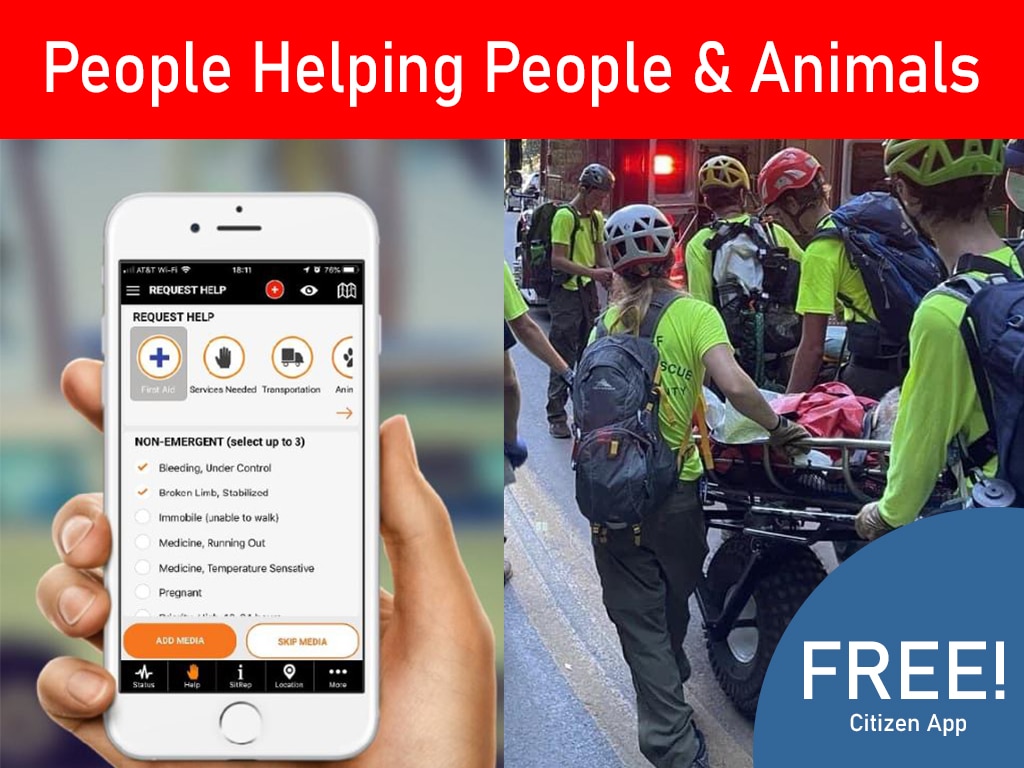
In emergencies, rapid response is essential to minimize risks and protect lives and property. PubSafe facilitates efficient communication and coordination during emergencies through features such as real-time messaging, incident alerts, and resource allocation tools. Safety officers can instantly notify response teams, emergency services, and relevant stakeholders, ensuring a coordinated and swift response to critical situations. Additionally, PubSafe’s mapping and geolocation features enable responders to navigate to incident locations accurately, optimizing response times and outcomes.
Make Incident Reporting Simple and Accurate
Timely and accurate incident reporting is critical for effective safety management. PubSafe provides a user-friendly interface for reporting incidents, allowing employees to quickly document details such as the type of incident, location, involved parties, and any supporting media, such as photos or videos. Safety officers can access real-time incident reports, analyze trends, and identify areas for improvement. This data-driven approach enables proactive decision-making and continuous improvement in safety protocols.
Connect Your Team and Improve Safety Training
Effective safety management requires collaboration and ongoing training initiatives. PubSafe supports collaboration among safety officers, employees, and external stakeholders through secure communication channels and collaborative workspaces. Safety officers can share safety resources, conduct virtual training sessions, and collaborate on incident response plans in real time. This collaborative approach fosters a safety-conscious culture within organizations and empowers employees to actively contribute to safety initiatives.
Conclusion
PubSafe empowers safety officers by providing a comprehensive suite of tools and features to enhance safety management in organizations. By streamlining safety tasks, improving incident reporting, ensuring timely responses, and enhancing collaboration and training, PubSafe enables safety officers to proactively address safety challenges and create safer work environments. In an era where safety and preparedness are paramount, PubSafe stands as a trusted partner for organizations committed to prioritizing safety and protecting their most valuable assets—their people and operations.
The Business Benefits of an Empowered Safety Culture
Creating a safety culture that empowers every team member isn’t just about checking a compliance box—it’s a strategic move that pays real dividends. When people feel trusted and equipped to contribute to their own safety and the safety of those around them, the entire organization transforms. This shift goes beyond preventing accidents; it strengthens your operational foundation, making your team more resilient and efficient. The benefits ripple outward, affecting everything from daily productivity to your public reputation. Let’s look at the tangible advantages of building a workplace where safety is a shared responsibility.
Increasing Production and Attendance
When your team feels genuinely safe and valued, their engagement naturally follows. An empowered safety culture invites staff to participate in creating the practices that protect them, fostering a stronger sense of community and commitment. As a result, you’ll likely see higher attendance and a notable increase in production. People who feel secure and heard are more motivated to show up and give their best effort. This is especially critical for response teams where every member’s presence and focus can make a significant difference during an emergency.
Saving Money by Reducing Injuries
A proactive, people-first approach to safety directly impacts your bottom line. By empowering employees to identify risks and contribute to solutions, you prevent incidents before they happen. This leads to a healthier team and a significant reduction in injuries and their associated costs. Fewer accidents mean lower workers’ compensation claims, reduced insurance premiums, and less operational downtime. Investing in an empowered safety culture is an investment in your people’s well-being that protects your organization’s financial health and frees up resources for your core mission.
Improving Your Company’s Reputation
Your commitment to safety speaks volumes about your organization’s values. A strong, empowered safety culture becomes a cornerstone of your public reputation, signaling that you prioritize people above all else. This helps you attract and retain top talent, as skilled professionals seek safe and supportive work environments. It also builds trust with partners, stakeholders, and the community you serve. When your organization is known as a safe and reliable entity, it strengthens relationships and opens doors to new collaborations, reinforcing your position as a leader.
Frequently Asked Questions
What’s the first step to shifting our safety program from just following rules to building a real culture? The most effective first step is to start a conversation. Begin by getting your leadership team visibly involved in safety walks or meetings. Then, create a simple, open channel for your team to give feedback on current safety procedures without fear of judgment. Asking questions like, “What’s one thing we could do to make your job safer?” shows you value their expertise and begins to build the trust needed for a true culture shift.
How can we get our leadership team to truly support this kind of safety culture? Often, the best way to get leadership on board is to connect safety to the overall health of the organization. Frame the conversation around the business benefits discussed, such as lower injury-related costs, better employee attendance, and a stronger public reputation. Present it not as an expense, but as a strategic investment that protects your people and your mission. When leaders see that their active participation directly contributes to a more resilient and productive organization, they are much more likely to champion the cause.
What does it mean to focus on ‘systems’ instead of ‘blame’ after an incident? It means that when something goes wrong, your first question isn’t “Who did this?” but rather “Why did this happen?”. Instead of looking for an individual to hold responsible, you investigate the process, the equipment, the training, and the environment. This approach helps you find the root cause, which might be a confusing procedure or a faulty piece of equipment, and fix it so the incident doesn’t happen again to someone else. It creates an environment where people feel safe reporting issues, which is essential for preventing future problems.
Some of our employees might not want the extra responsibility. How do we encourage them to get involved? Empowerment doesn’t have to feel like a burden. Start by involving people in ways that directly relate to their own work. Ask the people who perform a task every day for their input on its safety rules; they are the true experts. When you implement their suggestions and give them credit, they begin to feel a sense of ownership. Recognizing and celebrating proactive safety behaviors, like reporting a near-miss, also shows that you value their contribution and encourages others to participate.
How does a platform like PubSafe help with the ‘culture’ part, not just the paperwork? A strong safety culture depends on clear, consistent communication and shared responsibility. PubSafe provides the structure for that to happen. It gives every team member a simple way to report an incident or hazard, making safety everyone’s job, not just the manager’s. It also centralizes communication, so you can distribute training materials or coordinate during an emergency. By making safety information accessible and collaborative, the platform helps turn safety from a set of rules in a binder into a living, active part of your daily operations.
Key Takeaways
- Lead safety from the front: A strong safety culture begins when leaders actively participate in safety initiatives and focus on improving systems rather than assigning individual blame after an incident.
- Make everyone a safety owner: Turn employees into safety leaders by involving them in creating rules, providing continuous job-specific training, and giving them the authority to stop work if they see a hazard.
- Adopt a proactive, data-driven approach: Use a centralized platform to track incidents and collect employee suggestions, allowing you to analyze trends and fix potential problems before they cause harm.