A safety plan sitting in a binder on a shelf does little to protect anyone. True school safety is a living culture, not a document. It’s built from the daily habits, open conversations, and shared mindset that make well-being second nature for everyone on campus. Fostering this environment is one of the most important responsibilities for any school leader, but it can be hard to know where to start. This guide provides a clear path forward. We will explore practical, effective ways to build a genuine culture of safety and enhance safety protocol by empowering your staff and creating a community that actively looks out for one another.
How to Enhance School Safety Protocols with PubSafe
Ensuring the safety of students and staff within educational institutions is paramount. With the rise of various safety concerns, from natural disasters to emergencies like active shooter situations, schools need robust safety protocols in place. This blog post delves into the importance of safety protocols in schools and how PubSafe can empower educational institutions to enhance these protocols effectively.
Why Do Schools Need Strong Safety Protocols?
- Protecting Lives: According to the National Center for Education Statistics, there were 35 school-associated violent deaths between 2010 and 2020 in the United States alone. Proper safety protocols can mitigate such risks and protect lives.
- Emergency Preparedness: Schools must be prepared for various emergencies, including fires, medical emergencies, and lockdown situations. Effective protocols ensure a coordinated response and minimize chaos during crises.
- Legal and Moral Obligation: Educational institutions have a legal and moral obligation to provide a safe environment for students and staff. Implementing and practicing safety protocols is crucial to fulfilling this obligation.
The Business Case for Prioritizing Safety
It’s easy to view safety measures as just another line item on a tight budget, but that’s a limited perspective. Thinking of safety as a strategic investment reveals its true value. A safe school isn’t just about following rules; it’s about making the entire organization stronger and more resilient. When students and staff feel secure, they can focus on what truly matters: education. This fosters a positive and productive environment, which is the foundation of any successful school. A strong, visible safety plan is also a sign of a well-run institution, building essential trust with parents and the wider community.
The financial benefits of this investment are incredibly compelling. According to the Occupational Safety and Health Administration (OSHA), implementing robust safety programs directly lowers costs far beyond what you might expect. This includes significant savings on workers’ compensation insurance, reduced liability, and fewer expenses tied to accidents or emergencies. By proactively identifying and addressing potential dangers, schools can prevent incidents before they happen. This foresight saves money and also protects the institution’s reputation and, most importantly, the well-being of everyone on campus.
Ultimately, the goal is to create a genuine culture of safety that becomes part of your school’s daily life. This means everyone feels a sense of shared responsibility, from understanding why incidents happen to regularly checking for hazards. Getting the entire team involved is key, and modern tools can make a huge difference. A platform that streamlines communication allows for better volunteer coordination and ensures everyone, from administrators to first responders, is on the same page during a crisis. Safety is an ongoing effort, not a one-time checklist. By consistently reviewing past events and setting new goals, your school’s safety protocols can evolve and improve continuously.
Building a Strong Safety Culture in Your School
A truly safe school goes beyond having a written safety plan tucked away in a binder. It’s about building a genuine safety culture—an environment where everyone, from the principal to the newest student, instinctively prioritizes well-being. This culture isn’t built overnight; it’s the result of consistent effort, open communication, and a shared belief that safety is everyone’s job. It’s about the daily habits, the conversations in the hallway, and the collective mindset that makes safety second nature. When you foster a strong safety culture, you’re not just enforcing rules; you’re creating a community that actively looks out for one another, making your school a place where students and staff feel secure and supported.
What is a Safety Culture?
So, what exactly is a safety culture? Think of it as the personality of your school when it comes to safety. It’s how everyone collectively thinks, feels, and acts about keeping the campus secure. In a school with a positive safety culture, safety isn’t just an afterthought or a response to an incident; it’s woven into the fabric of every decision and action. It means that administrators, teachers, and staff all take personal responsibility for maintaining a safe environment. This proactive approach transforms safety from a list of regulations into a shared value that guides the entire school community, ensuring that everyone is on the same page and working toward the same goal of a secure learning space.
Shared Responsibility and Open Communication
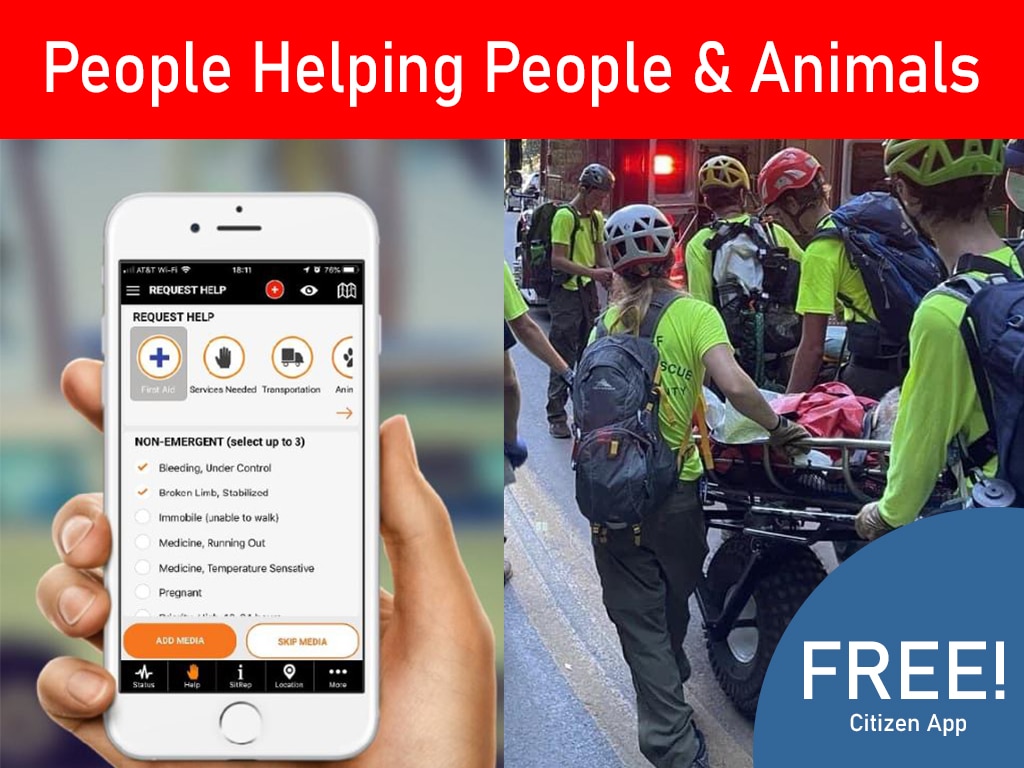
A cornerstone of any strong safety culture is the belief that everyone shares the responsibility. This requires open lines of communication where staff and even students feel comfortable speaking up. It’s crucial to create a system where people can report dangers or near-misses without any fear of blame. When feedback is not only welcomed but acted upon quickly, it shows that leadership is listening and values every person’s contribution to safety. Using a tool like the PubSafe app can streamline this process, allowing anyone in your community to easily report an incident or concern in real-time, ensuring that vital information gets to the right people immediately.
The Role of Staff Involvement and Empowerment
Your staff members are your eyes and ears on the ground, and their involvement is critical to building an effective safety culture. Moving away from a top-down management style and toward a collaborative approach gives your team a sense of ownership over school safety. When teachers, custodians, and administrative staff are actively involved in developing and refining safety protocols, they become more invested in the outcome. Empowering them means trusting their judgment and giving them the authority to act when they see a potential hazard. This level of involvement not only improves your safety measures but also builds morale and a stronger, more resilient team.
Creating Safety Committees
One of the most effective ways to encourage staff involvement is by forming a safety committee. This group should include a diverse mix of employees from different departments—teachers, administrators, maintenance staff, and the school nurse, for example. This variety of perspectives is invaluable, as each member will notice different potential risks based on their daily roles and responsibilities. A safety committee gives staff a formal voice in safety matters and makes them feel directly responsible for the well-being of the school community. This group can take the lead on reviewing incident reports, conducting safety audits, and proposing improvements to your overall plan.
Empowering Staff to Act
True empowerment goes beyond just listening to suggestions; it involves giving your staff the authority to take immediate action to prevent harm. This could mean allowing a teacher to stop a classroom activity if they feel the equipment is unsafe or encouraging a custodian to block off a hallway with a spill until it’s cleaned. To reinforce this, it’s important to praise and reward employees who demonstrate a commitment to safety. Recognizing proactive behavior, whether it’s reporting a hazard or suggesting a safety improvement, encourages everyone to be more vigilant and reinforces the message that safety is a valued and celebrated part of your school’s culture.
Implementing and Improving Your Safety Plan
A strong safety culture provides the foundation, but a clear, actionable safety plan is the framework that holds it all together. This is where you translate your school’s values into concrete procedures and protocols. Implementing a safety plan isn’t a one-time event; it’s a dynamic process that requires ongoing attention and refinement. Your plan should be a living document, one that evolves based on new information, past incidents, and regular drills. By formalizing your safety programs and committing to continuous improvement, you ensure that your school is not just prepared for emergencies but is actively working to prevent them every single day. This proactive stance is key to maintaining a truly secure environment for everyone on campus.
Formal Safety Programs and Continuous Improvement
Safety is an ongoing effort, not a destination. A formal safety program provides the structure for this continuous journey. This means regularly reviewing past incidents and near-misses to identify patterns and areas for improvement. It also involves setting new safety goals, conducting drills for various scenarios, and celebrating successes when you achieve a safer environment. Technology can play a huge role here. A platform designed for disaster response can help your school’s safety committee or CERT team coordinate drills, manage communications during an event, and analyze response times afterward, providing valuable data to refine your protocols and ensure your team is always prepared.
Actionable Steps to Improve Everyday Safety
Beyond formal programs and emergency drills, everyday safety hinges on consistent, practical actions. These are the small but significant steps that, when practiced daily, prevent common accidents and reinforce your school’s commitment to well-being. By focusing on these tangible measures, you can make immediate and lasting improvements to the safety of your campus. From hiring practices to daily housekeeping, each step contributes to a safer environment where students can learn and staff can work without unnecessary risk. Let’s look at some simple yet powerful actions you can take to enhance safety in your school every single day.
Hire with Safety in Mind
Your commitment to safety should start before a new employee even steps on campus. During the hiring process, make it a point to discuss your school’s safety culture and ask candidates about their experience with and attitude toward safety protocols. You can include scenario-based questions in interviews to gauge how they might react in a safety-critical situation. Checking references can also provide insight into their past commitment to maintaining a safe environment. Hiring individuals who already value safety makes it much easier to maintain and strengthen your existing culture, as they will naturally contribute to the collective effort.
Keep the Campus Clean and Orderly
A cluttered or messy environment is a direct invitation for accidents. Simple housekeeping is one of the most effective forms of injury prevention. This means ensuring that spills are cleaned up immediately, boxes and supplies are stacked safely, and hallways are free of obstructions like tangled cords or misplaced equipment. According to safety experts, maintaining an orderly workplace is a basic but critical step. Regular checks for potential hazards in classrooms, offices, and common areas can prevent common slips, trips, and falls, making the entire campus safer for students and staff alike.
Inspect Equipment Regularly
From playground structures and science lab equipment to fire extinguishers and kitchen appliances, every piece of equipment on campus is a potential safety risk if not properly maintained. Establish a formal schedule for regular inspections and servicing of all equipment. This includes ensuring that staff have the correct tools for their jobs and that everything is cleaned and checked for defects. Documenting these inspections creates a record of due diligence and helps you track the lifespan of your equipment, so you can replace items before they fail and become a hazard.
Use Clear Visual Cues and Signage
Clear and effective communication is vital for safety, and visual cues are one of the fastest ways to convey important information. Make sure that your campus has clear, easy-to-read signage for emergency exits, fire extinguisher locations, first-aid stations, and potential hazard areas. Using standardized colors and symbols can help ensure that messages are understood quickly by everyone, including visitors or new students. During an emergency, clear signage can reduce confusion and panic, guiding people to safety efficiently. Regularly walk through your school to check that all signs are visible, in good condition, and placed appropriately.
Hold Regular Safety Meetings
Keeping safety at the forefront of everyone’s mind requires consistent communication. Holding regular safety meetings—whether they are brief weekly huddles or more in-depth monthly reviews—is an excellent way to achieve this. Use this time to discuss any recent incidents or near-misses, review specific safety rules, and share preventative tips. These meetings provide a dedicated forum for staff to ask questions and voice concerns, reinforcing the idea that safety is a collaborative effort. Consistent discussion keeps safety from becoming a background issue and ensures everyone remains vigilant and informed.
Encourage Physical Well-being
The well-being of your staff directly impacts the safety of your school. An employee who is tired, stressed, or in pain is more likely to make a mistake or be less aware of their surroundings. Encourage staff to take short breaks to stretch and move around, especially for those in roles that involve repetitive movements or long periods of sitting or standing. Promoting a culture that values physical and mental health can reduce workplace injuries, prevent burnout, and lead to a more alert and engaged staff that is better equipped to maintain a safe learning environment.
How PubSafe Helps You Enhance School Safety
PubSafe offers a comprehensive platform that empowers schools to enhance their safety protocols in the following ways:
- Real-Time Incident Tracking: PubSafe’s real-time incident tracking feature enables schools to monitor and respond to incidents promptly. Whether it’s a weather-related issue or a security concern, staff can stay informed and take immediate action.
- Community Communication: Effective communication is key during emergencies. PubSafe facilitates communication within the school community, ensuring that students, staff, and parents receive timely updates and instructions.
- Resource Coordination: During emergencies, resource coordination is critical. PubSafe allows schools to coordinate with local authorities, emergency services, and relevant organizations to ensure a swift and effective response.
- Incident Reporting: PubSafe’s incident reporting feature enables students and staff to report safety concerns or suspicious activities anonymously. This promotes a proactive approach to addressing potential threats.
What the Numbers Say About School Safety
- A study by the National Association of School Psychologists found that 93% of public schools have a written plan for responding to emergencies.
- The CDC reports that unintentional injuries are the leading cause of death among children aged 5 to 19 years, highlighting the importance of safety measures in schools.
The Financial Impact of Safety Lapses
Beyond the immediate concern for well-being, a breakdown in safety protocols carries significant financial weight. When staff members don’t feel secure, turnover rates can rise, and the cost to replace a single teacher can reach nearly $25,000 for larger districts. This is just one of many hidden costs. Add to that the millions of dollars schools spend on security upgrades, and the financial strain becomes clear. School administrators are then left with the difficult task of balancing these crucial safety investments against other budgetary claims. An unaddressed safety issue doesn’t just create risk; it creates a financial drain that pulls resources away from the core mission of teaching and learning. Investing in a streamlined, effective safety communication system isn’t just a precaution—it’s a fiscally responsible decision that protects both people and budgets.
Overcoming Common Challenges in School Safety
Creating a truly safe school environment goes beyond writing a plan; it involves putting that plan into action day after day. But schools often run into real-world obstacles that can make implementation difficult. From tight budgets and staffing shortages to pushback from the community, these challenges are significant. However, they are not insurmountable. By understanding these common hurdles, school administrators and safety teams can develop proactive strategies to address them. The key is to foster a culture of collaboration, clear communication, and continuous improvement, ensuring that safety protocols are both effective and sustainable for the entire school community.
Addressing Resistance to Change
Implementing new safety measures can sometimes be met with resistance from parents, staff, and even students. People naturally feel comfortable with the familiar, and change can bring uncertainty. The most effective way to counter this is through proactive and transparent communication. As noted in safety resources, schools should involve parents early and often, especially when introducing new programs. Explaining the “why” behind a new protocol, listening to concerns, and incorporating feedback helps build trust and buy-in. Using a unified platform to share updates and gather input ensures everyone feels heard and valued, transforming potential critics into safety advocates for the school.
Working with Limited Resources
Many schools operate on tight budgets, making it difficult to fund comprehensive safety initiatives. Challenges like understaffing, insufficient training, and staff burnout can directly impact a school’s ability to maintain a secure environment. When resources are scarce, strategic allocation is essential. Instead of viewing safety as just another expense, it should be seen as a core investment. Technology can be a powerful ally here, helping to optimize the resources you already have. For instance, a streamlined incident reporting system allows staff to communicate issues quickly and efficiently, saving valuable time and ensuring that critical information reaches the right people without delay.
Balancing Safety with School Operations
One of the trickiest aspects of school safety is striking the right balance between security and maintaining a welcoming, positive learning environment. The goal is to make students feel safe, not scared. This requires a collaborative effort between schools, local law enforcement, and community partners to create a holistic safety net. Rather than relying solely on physical security measures, a balanced approach integrates mental health support, threat assessment programs, and open communication channels. When everyone works together, safety becomes a shared responsibility woven into the fabric of the school’s daily operations, rather than an intrusive disruption.
Addressing Cultural and Language Differences
For a safety plan to be effective, it must be accessible and understandable to every member of the school community. In diverse districts, this means accounting for cultural and language differences. Emergency alerts, safety guidelines, and informational materials should be available in multiple languages to ensure all families can receive and comprehend critical updates. As experts suggest, collaborating with families and school personnel who can bridge cultural gaps is vital. By making inclusivity a priority in safety communications, schools can build stronger, more resilient communities where every student and parent feels seen, supported, and prepared.
Ready to Enhance Your School’s Safety Protocols?
Enhancing safety protocols in schools is a critical step towards ensuring the well-being of students and staff. PubSafe’s innovative features empower educational institutions to create a safer environment through real-time incident tracking, community communication, resource coordination, and incident reporting. By leveraging PubSafe, schools can proactively address safety concerns and respond effectively to emergencies, ultimately safeguarding lives and fulfilling their duty of care.
Frequently Asked Questions
We want to improve, but where do we even begin with building a safety culture? Starting can feel like a huge task, but the best first step is small and simple: create a safety committee. Don’t overthink the membership; just gather a diverse group of people from different roles, like a teacher, a custodian, an administrator, and a front office staff member. The initial goal isn’t to rewrite your entire safety plan, but simply to start a conversation and create a formal space where people feel comfortable sharing what they see every day.
How can I get my staff involved without adding to their already heavy workload? True involvement isn’t about assigning more tasks; it’s about giving your team a sense of ownership. Empower them to act on potential hazards they notice and make sure they know their judgment is trusted. When you create a system where reporting a concern is easy and leads to visible action, it feels less like a chore and more like a meaningful contribution. Recognizing and praising proactive staff members also goes a long way in showing that their vigilance is valued, not just expected.
Our school has a very tight budget. What are some effective, low-cost ways to improve safety? Many of the most effective safety improvements cost very little. Simple, consistent housekeeping to keep hallways clear and spills cleaned up prevents countless accidents. You can also hold brief, regular safety meetings to keep communication flowing and ensure everyone stays mindful of protocols. Even creating and posting clear, updated signage for exits or hazards can be done in-house. These actions build a foundation of safety without requiring a major financial investment.
How does a tool like PubSafe help with everyday safety, not just a major crisis? A strong safety culture is built on consistent, daily habits, and that’s where a platform like PubSafe makes a difference. It streamlines communication for the small things that can prevent larger incidents. For example, a staff member can instantly report a broken piece of playground equipment or a flickering light in a hallway. This ensures the right people see the issue immediately, which not only gets it fixed faster but also shows your entire team that their everyday concerns are heard and acted upon.
We already have a detailed safety plan. Why is focusing on a “safety culture” so important? Think of it this way: your safety plan is the rulebook, but your safety culture is how the game is actually played. A plan in a binder is great for reference, but a culture is what ensures people are alert, communicating, and looking out for one another every single day. It transforms safety from a document that’s reviewed once a year into a shared mindset that can prevent incidents from happening in the first place.
Key Takeaways
- Build a safety culture, not just a safety plan: True school safety comes from shared responsibility and open communication, where everyone feels empowered to speak up about potential hazards.
- Focus on consistent, practical actions: Everyday safety is built on small habits. Regularly inspect equipment, keep spaces clean and orderly, and use clear signage to prevent common incidents before they happen.
- Streamline communication with a unified tool: During an emergency, clear and instant communication is critical. Using a platform like PubSafe connects your staff, students, and first responders, allowing for immediate incident reporting and coordinated action.