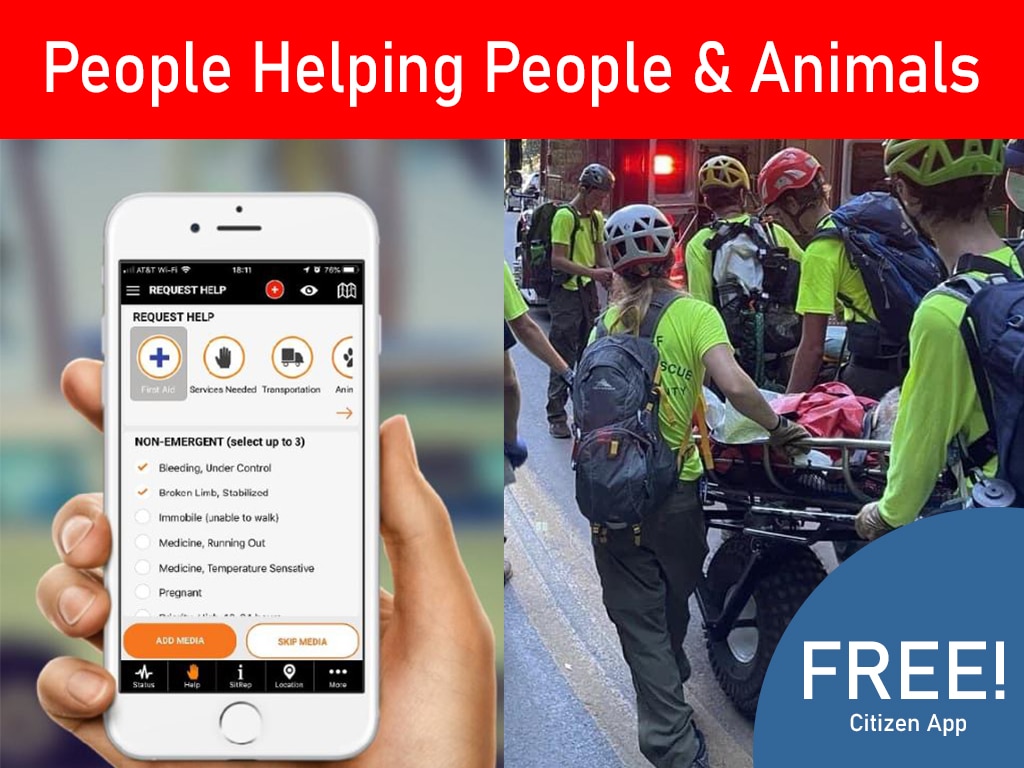
When you think of job site safety, hard hats and high-visibility vests probably come to mind. While essential, that equipment is only the beginning of the story. True field worker safety goes much deeper, creating a culture of awareness that protects teams from both visible and invisible threats. It’s about having a clear communication plan when cell towers are down. It’s about supporting the mental health of a lone worker assessing damage miles from their team. It’s about empowering every single person to identify and report a hazard without hesitation. This guide moves beyond the basic checklist to explore the comprehensive strategies that build a truly resilient and secure team.
Enhancing Field Worker Safety
Understanding the Landscape of Field Work
Before we get into the practical steps for staying safe, it’s important to have a clear picture of what field work involves. It’s a broad term that covers a huge range of professions, many of which are essential to our communities, especially during a crisis. These are the people on the ground, often working in unpredictable and challenging conditions. Recognizing the unique nature of their work is the first step toward creating a safer environment for everyone involved. From first responders to utility crews, their workplace isn’t a cubicle—it’s the world outside, with all its inherent risks and rewards.
Who Is a Field Worker?
So, who exactly is a field worker? Think of anyone whose job takes them outside of a traditional office setting. This includes a wide array of professionals like emergency responders, utility technicians, construction crews, and disaster relief volunteers. According to safety experts at Aware360, a field worker is “someone who works outside a regular office, often in different and sometimes dangerous places.” For organizations that use PubSafe, this definition hits close to home. It perfectly describes the CERT teams, NGO volunteers, and public safety officers who are out in the community, assessing damage, coordinating aid, and helping people directly after an emergency. Their roles require them to be mobile, adaptable, and prepared for anything.
The High Stakes of Neglecting Safety
When you’re focused on a critical mission, it can be easy to let safety protocols slide. But the stakes are incredibly high, not just for the individual worker but for the entire operation. Neglecting safety can lead to injuries, project delays, and a drop in morale. As one guide points out, “Keeping field workers safe helps them stay healthy, productive, and happy. It also helps the company succeed.” A safe team is an effective team. When workers feel secure and supported, they can perform their duties with confidence, leading to better outcomes for the communities they serve. This is especially true in disaster response, where a single injury can sideline a key team member and hinder the entire relief effort.
Key Hazards Faced by Field Workers
The field is an unpredictable environment, presenting a unique set of hazards that office-based workers rarely encounter. These risks can range from the natural world, like severe weather and wildlife, to human-made dangers, such as chemical spills or hostile interactions. Understanding these potential threats is crucial for proper preparation. For anyone coordinating a response effort, a comprehensive awareness of these hazards allows for better planning, resource allocation, and team briefing. It’s about anticipating the “what-ifs” so you can have a plan in place before your team ever steps foot on site. This proactive approach is the foundation of effective field safety management.
Environmental Risks
Extreme Weather and Difficult Terrain
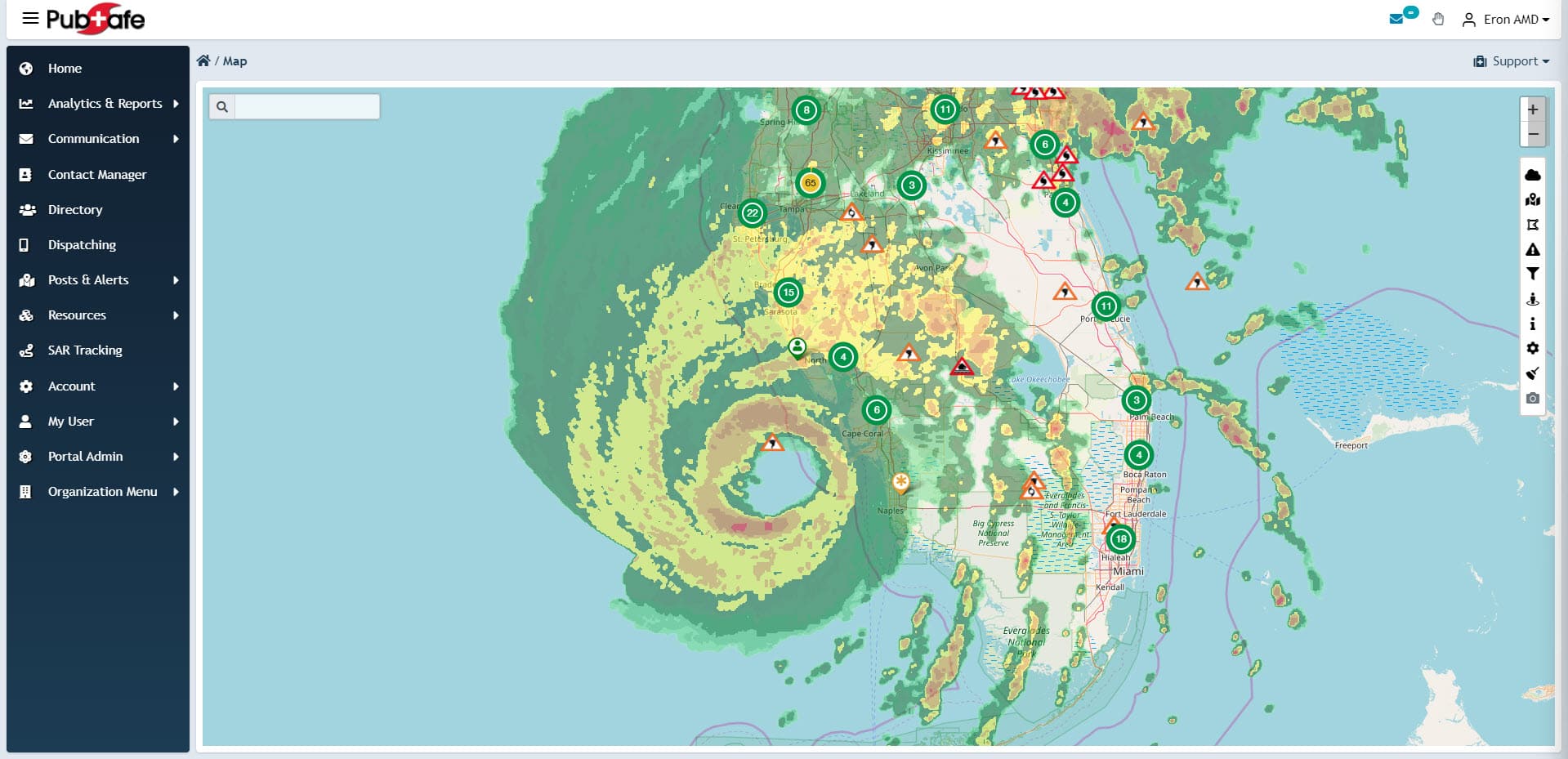
One of the most common challenges for field workers is the environment itself. They are often exposed to the elements, facing everything from blistering heat to freezing cold. As safety resources from Aware360 note, field workers face dangers that include “extreme weather (like severe cold or heat) and rough ground that can cause falls.” After a hurricane or flood, for example, teams must deal with unstable, debris-strewn ground and contaminated water. Having real-time information about ground conditions is vital. Tools like the PubSafe Public Map can provide crucial situational awareness, helping teams understand the terrain they’re about to enter and plan their routes accordingly to avoid the most hazardous areas.
Encounters with Animals and Plants
Working outdoors means sharing the space with local flora and fauna, which can sometimes pose a risk. This could be anything from venomous snakes and spiders to larger, more aggressive animals. The University of California’s Environmental Health & Safety department advises workers to “watch where you step to avoid snakes, scorpions, and spiders” and to be cautious around livestock. In post-disaster zones, displaced animals can be frightened and unpredictable. Beyond animals, poisonous plants like poison ivy or oak can cause severe skin reactions. Training teams to identify and avoid these natural hazards is a simple but effective way to prevent injuries and keep the mission on track.
Workplace Violence and Public Interaction
Field workers, particularly those in public-facing roles like emergency responders or aid distributors, can face tense situations with the public. In high-stress environments, interactions can sometimes become hostile. Beyond direct conflict, the isolation of working alone can take a toll. Research from Aware360 found that “more than 42% of workers surveyed believe that working alone and feeling isolated can harm their mental health.” This highlights the need for strong communication protocols and regular check-ins. A system that allows for easy incident reporting and team tracking can provide a lifeline for lone workers, ensuring they know that backup is just a tap away if a situation escalates.
Chemical and Biological Exposures
Depending on the environment, field workers might be exposed to hazardous materials. This is a major concern in industrial settings, but it’s also relevant after disasters like floods, which can spread chemicals from overturned containers, or in public health crises. Simple precautions can make a huge difference. As safety guidelines from UC’s Environmental Health & Safety team recommend, “Always read safety instructions. Wear gloves and safety glasses. Wash your hands often. Clean up spills right away.” Proper training on identifying potential chemical and biological hazards, along with the correct use of Personal Protective Equipment (PPE), is essential for keeping teams safe from these invisible threats.
Travel-Related Risks
Navigating Unfamiliar Locations
A significant part of field work involves traveling to and working in unfamiliar areas. This is especially true for disaster response teams deployed to new regions. Getting lost or wandering into a dangerous area is a real risk. That’s why it’s so important to “plan your route and have a way to call for help if you get lost,” as safety experts advise. When working near roads, wearing high-visibility clothing is a must. Using a platform that provides clear mapping and allows for real-time location sharing among team members can drastically reduce these risks, ensuring everyone knows where they are and where they need to go safely.
Awareness of Local Laws and Customs
When working in a new community, whether it’s across the state or across the country, being aware of the local context is key to safety. This includes understanding local laws, customs, and potential neighborhood-specific risks. It’s wise to “check with local contacts or authorities about safe areas” and to “avoid dangerous neighborhoods, especially alone,” according to field safety guidance. For response organizations, connecting with local leaders and public safety agencies upon arrival is a critical step. This not only builds goodwill but also provides invaluable intelligence that can help keep your team out of harm’s way while they work.
Employer Responsibilities for a Safer Field Environment
While individual workers play a huge role in their own safety, the ultimate responsibility lies with the employer or organizing body. Creating a safe working environment is not just a matter of policy; it’s a fundamental duty of care. This involves a proactive and systematic approach, from identifying potential risks long before a team is deployed to fostering a culture where every single person feels empowered to speak up about safety concerns. For organizations involved in disaster response, this responsibility is magnified. The chaotic nature of post-disaster zones requires even more rigorous planning and support to protect the well-being of volunteers and staff who are putting themselves on the line to help others.
Conducting Thorough Risk Assessments
The first step in creating a safe field environment is understanding the specific dangers involved. This means going beyond generic safety checklists. Employers should “regularly check for dangers specific to field work and different locations,” according to a comprehensive safety guide. For a disaster response organization, this assessment might include evaluating the structural integrity of buildings, identifying potential hazmat situations, and understanding the security landscape of the affected area. This isn’t a one-time task; risk assessments should be ongoing, adapting as conditions on the ground change. A dynamic, location-specific approach ensures that safety plans remain relevant and effective throughout the entire operation.
Complying with OSHA Regulations
In the United States, the Occupational Safety and Health Administration (OSHA) sets and enforces standards to ensure safe and healthful working conditions. It’s a legal and ethical obligation for employers to adhere to these regulations. A core tenet of OSHA’s mission is that employers must “provide a workplace free from serious dangers.” This applies just as much to a disaster zone as it does to a factory floor. Compliance involves providing proper training, supplying necessary safety equipment, and maintaining clear records of any incidents. Following OSHA guidelines isn’t just about avoiding fines; it’s about leveraging a proven framework to protect your most valuable asset: your people.
Implementing Robust Training and Emergency Plans
You can’t expect workers to be safe if they haven’t been trained for the situations they’ll face. Comprehensive training should cover everything from using equipment correctly to first aid and de-escalation techniques. Equally important is having a clear, actionable emergency plan. Safety experts stress the need to “create clear plans for what to do in an emergency, including who to call and what steps to take.” This is where a platform like PubSafe becomes invaluable. It provides a centralized system for communication and team management, ensuring that if an emergency occurs, everyone knows the protocol and can coordinate their response instantly, without confusion or delay.
Building a Strong Safety Culture
Policies and procedures are important, but they’re most effective when supported by a strong safety culture. This means creating an environment where safety is a shared value, from leadership all the way down. It’s about encouraging open communication so that workers feel comfortable reporting near-misses or pointing out potential hazards without fear of reprisal. To build this culture, organizations should “create clear safety rules and encourage workers to talk openly about risks.” When safety becomes a collaborative effort, everyone takes ownership, leading to a more resilient and aware team that actively looks out for one another.
Practical Safety Tips for Every Field Worker
While organizations set the overall safety framework, it’s the daily habits and on-the-ground decisions of each individual that often make the biggest difference. Being proactive about your own safety and the safety of your teammates is non-negotiable. This means being prepared, staying aware of your surroundings, and never cutting corners, even when you’re tired or the pressure is on. These practical tips are designed to be easy to remember and implement, serving as a foundation for safe work practices no matter where your mission takes you. Think of them as your personal safety checklist to run through before, during, and after every deployment.
Always Use Personal Protective Equipment (PPE)
Personal Protective Equipment is your first line of defense against many common field hazards. It might seem cumbersome at times, but it’s there for a reason. As safety professionals at Fieldlink emphasize, you should “always use personal protective equipment like hard hats, safety glasses, gloves, bright vests, steel-toed boots, and breathing masks.” The specific PPE you need will depend on the task at hand, but the principle remains the same: never start a job without the right gear. Make it a habit to inspect your PPE before each use to ensure it’s in good condition and will provide the protection you need.
Follow Established Safe Work Practices
The Importance of Lockout/Tagout (LOTO)
For those working with or around machinery, Lockout/Tagout (LOTO) procedures are critical. This process is designed to prevent the accidental startup of equipment while it’s being serviced or repaired. The core principle is to “make sure they are turned off and locked so they can’t accidentally start.” This is especially relevant for teams working on generators, water pumps, or heavy equipment during disaster cleanup. Following LOTO protocols protects not only the person working on the machine but everyone else in the vicinity. It’s a simple but life-saving procedure that should never be skipped.
Pre-Use Equipment Inspections
The tools and equipment you rely on in the field need to be in good working order. A malfunctioning tool isn’t just an inconvenience; it’s a serious safety hazard. That’s why it’s essential to “always check equipment before you use it, looking for wear, cracks, or faulty safety devices,” as recommended by EHS guidelines. This applies to everything from hand tools and ladders to vehicles and communication devices. A quick, five-minute inspection before you start work can prevent an accident later in the day. If you find something wrong, tag the equipment and report it immediately so it can be repaired or replaced.
Lone Worker Safety Protocols
Working alone presents a unique set of risks. If something goes wrong, there’s no one right there to help. This makes communication and accountability absolutely essential. Standard protocols include carrying a “radio or cell phone” and leaving “your work plan and contact details with someone,” making sure to update them if your plans change. Modern technology offers even better solutions. Using an app like PubSafe allows lone workers to remain connected to their team. The ability to check in, share your location, and quickly report an incident from your phone provides a powerful safety net, ensuring that you’re never truly alone, even when you’re working by yourself.
Prioritizing Safe Driving Habits
For many field workers, a vehicle is their mobile office, and driving is one of the most hazardous parts of their day. Whether you’re navigating city streets or rural backroads, safe driving habits are paramount. This means you should “always wear your seatbelt, follow speed limits, don’t use your phone, and be careful in bad weather,” according to field safety best practices. In post-disaster areas, roads may be damaged or blocked, so extra caution is required. Avoid distractions, stay alert, and never drive when you’re fatigued. The goal is to arrive at your destination—and back home—safely.
Supporting Worker Health and Well-being
True safety goes beyond preventing physical injuries. It also means supporting the mental and physical health of every team member. Field work, especially in high-stress environments like disaster zones, can take a significant toll. The long hours, difficult conditions, and emotional weight of the work can lead to burnout, stress, and other health issues. A holistic approach to safety recognizes these challenges and provides resources and support to help workers stay healthy in both body and mind. Prioritizing well-being isn’t a luxury; it’s essential for sustaining a healthy, effective, and resilient team over the long term.
Addressing Mental Health in Isolated Environments
The mental health challenges of field work, particularly for those working alone, are significant. The feeling of isolation, combined with the stress of the job, can be overwhelming. It’s important to be proactive in managing your mental well-being. This includes making time to “plan self-care activities to manage stress,” as advised by health and safety experts. This could be as simple as scheduling regular calls with family, making time for a hobby, or ensuring you get enough rest. For organizations, fostering an environment where it’s okay to talk about mental health and providing access to support resources can make a world of difference for team members on the front lines.
Maintaining Physical Health and Fitness
Field work is often physically demanding, requiring long hours on your feet in challenging conditions. Maintaining your physical health is crucial for both your safety and your effectiveness. This starts with the basics: hydration and nutrition. It’s vital to “drink plenty of fluids, especially water,” and to “carry food in remote areas.” Dehydration can sneak up on you and severely impair your judgment and physical capabilities. Similarly, keeping your energy levels up with nutritious food is essential. Taking care of your body through proper nutrition, hydration, and adequate rest will help you stay sharp, strong, and resilient in the face of physical challenges.
Why PubSafe is a Must-Have for Mobile Field Workers
Field workers play a crucial role in various industries, from construction and utilities to healthcare and transportation. These lone workers often face challenging and potentially dangerous situations while performing their duties. As such, ensuring lone worker safety and well-being should be a top priority for organizations. Mobile safety solutions like PubSafe and CrewChief are becoming increasingly essential tools for field workers, providing them with vital man-down support during emergencies. Let’s delve into why every field worker needs PubSafe on their device.
Instantly Share Safety Alerts
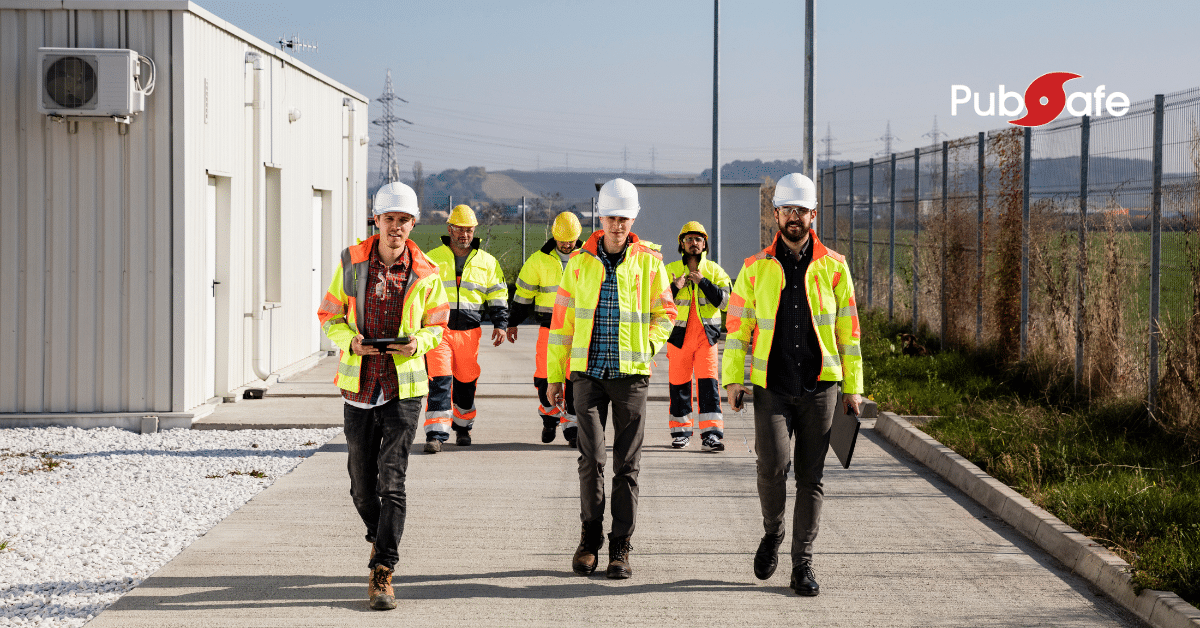
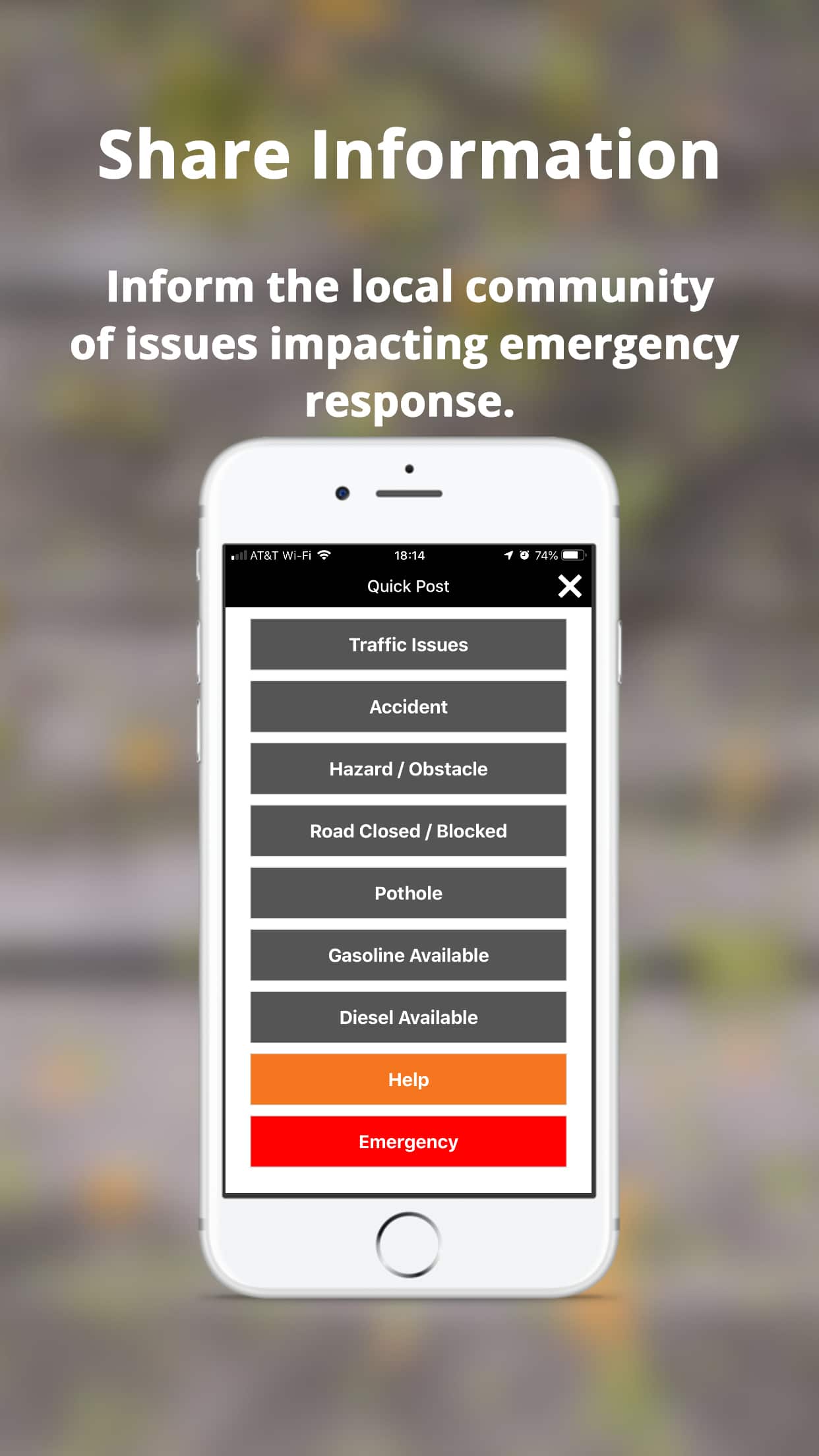
PubSafe can share alerts with other company users, or any user in the area. Location and contact information may also be shared based on user preferences.
What Happens When Emergencies Strike in the Field?
Field workers are frequently exposed to hazards that can lead to emergencies. Accidents, natural disasters, medical emergencies, and hostile situations are just a few examples of what they may encounter. According to a study by the Occupational Safety and Health Administration (OSHA), about 2.8 million nonfatal workplace injuries and illnesses occurred in the private sector in 2020. Additionally, the National Institute for Occupational Safety and Health (NIOSH) reported that transportation incidents were the leading cause of occupational fatalities in the United States in 2019.
These statistics highlight the inherent risks that lone workers face daily. Having access to a reliable mobile safety solution like PubSafe can significantly improve the ability to respond to emergencies promptly and effectively.
How Mobile Safety Apps Protect Your Team
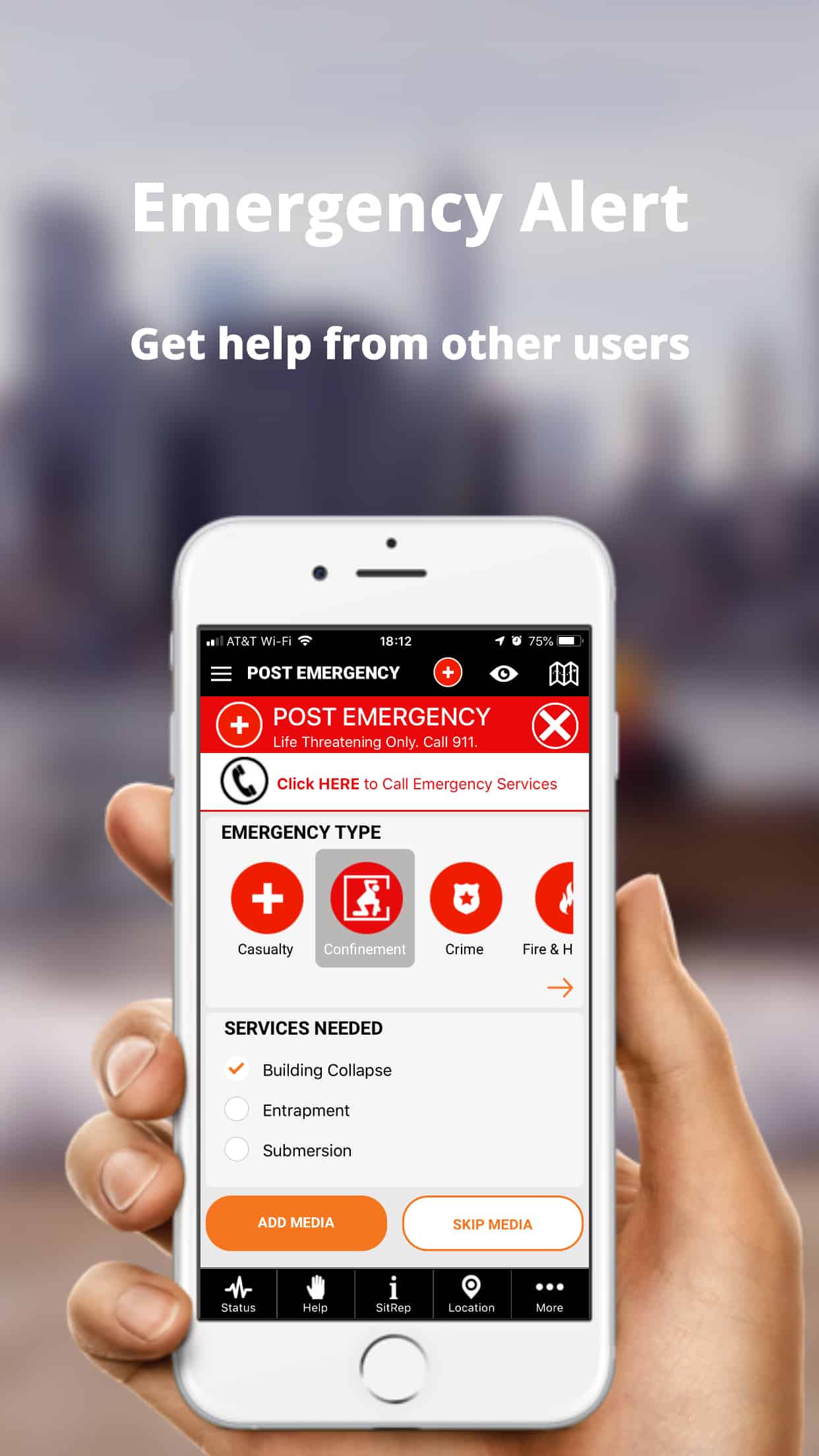
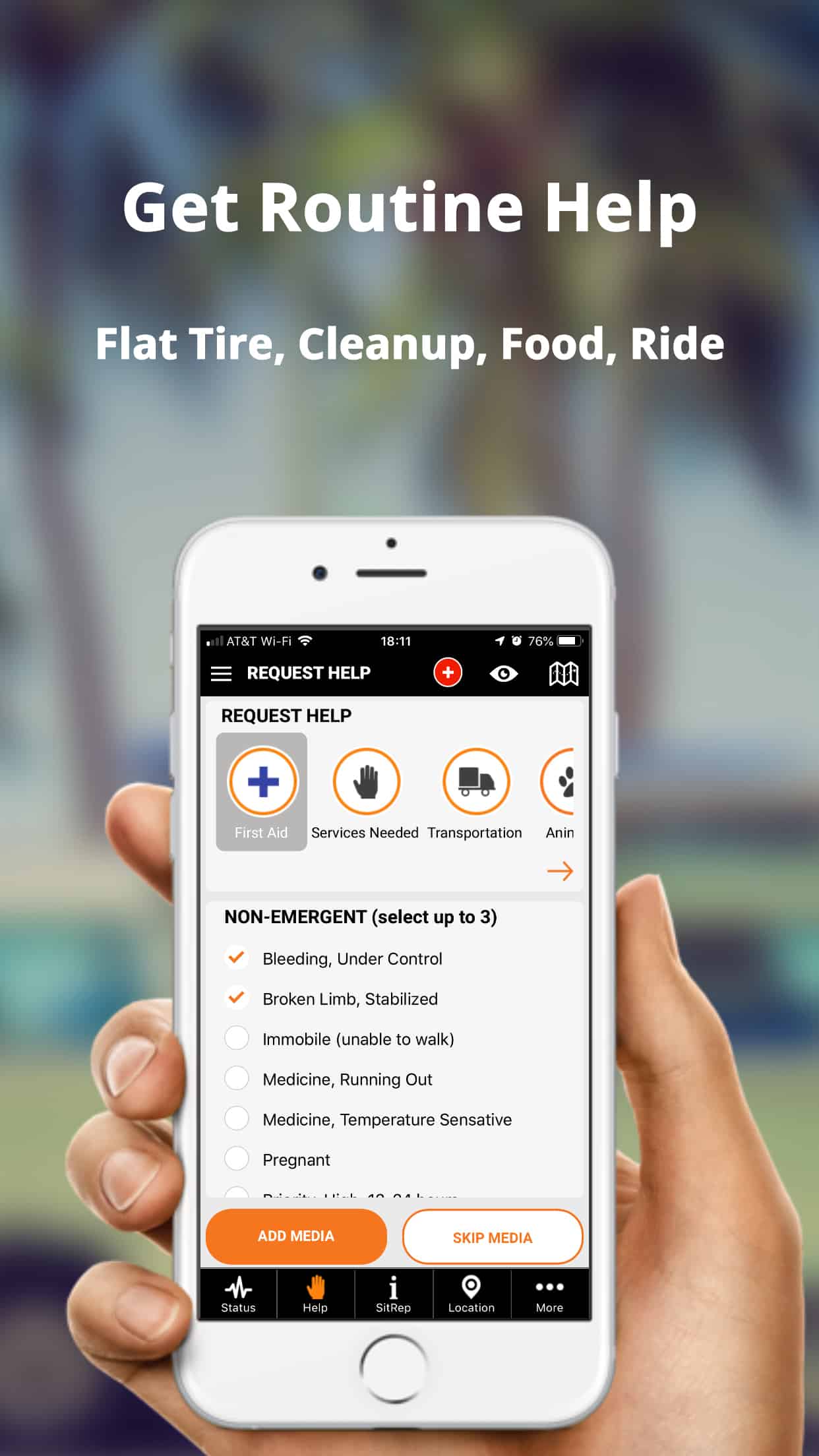
- Real-time Alerts and Notifications: PubSafe provides instant alerts and notifications regarding potential hazards, severe weather conditions, and other emergency situations. This allows field workers to stay informed and take necessary precautions to ensure their safety.
- Two-way Communication: In emergencies, communication is key. PubSafe enables two-way communication, allowing field workers to send distress signals, report incidents, and communicate with emergency responders or supervisors in real time.
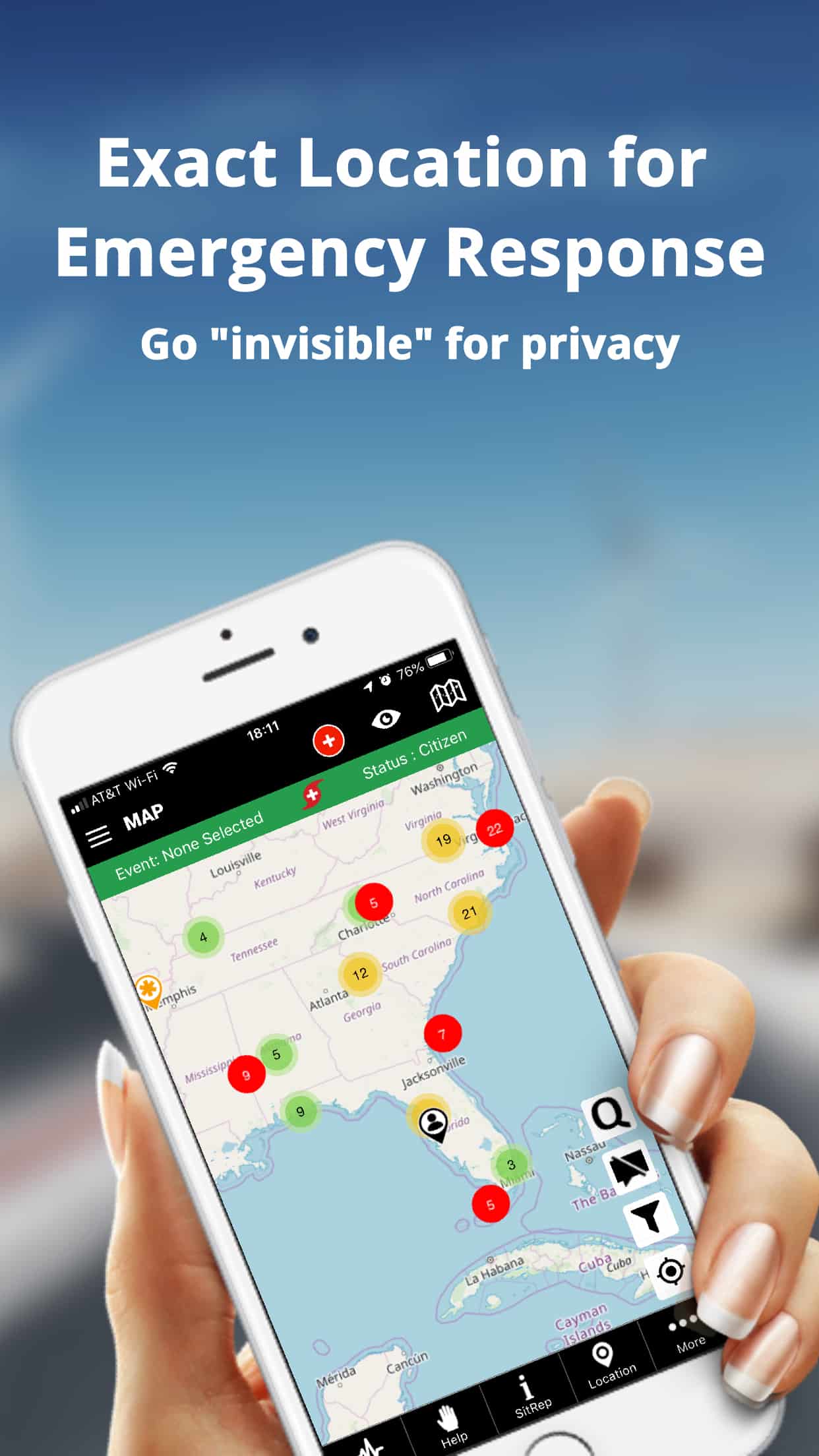
- GPS Tracking and Location Sharing: With GPS tracking and location sharing features, PubSafe helps organizations monitor the whereabouts of their field workers. In case of emergencies, this information is invaluable for quick response and rescue operations.
- Safety Resources and Information: PubSafe provides access to safety resources, such as emergency contact numbers, first aid procedures, and evacuation plans. This empowers field workers with the knowledge and tools they need to handle emergencies effectively.
- Incident Reporting and Documentation: Field workers can use PubSafe to report incidents, accidents, or near misses directly from their mobile devices. This streamlined process ensures that incidents are documented accurately for investigation and analysis.
PubSafe in Action: A Field Worker Safety Story
A Construction Company implemented PubSafe across its workforce of field technicians and supervisors. Within six months of adopting PubSafe, the company saw a significant improvement in safety outcomes:
- Reduced response time to emergencies by 30%
- Increased incident reporting accuracy by 40%
- Enhanced communication and coordination during crisis situations
Moreover, field workers expressed greater confidence and peace of mind knowing they had PubSafe on their devices, contributing to a positive work environment and higher job satisfaction.
Your Next Step in Field Worker Safety
Mobile lone worker safety solutions like PubSafe are indispensable tools for field workers operating in diverse industries. By leveraging real-time alerts, two-way communication, GPS tracking, and valuable safety resources, PubSafe enhances field worker safety and enables organizations to respond effectively to emergencies. As the data and case studies demonstrate, investing in mobile safety solutions is not just about compliance but also about prioritizing the well-being and productivity of field workers. Embracing technology like PubSafe is a proactive step towards creating safer work environments and ensuring the continued success of field operations.
Frequently Asked Questions
My organization has safety rules, but what’s the most critical thing I can do personally to stay safe in the field? Beyond following protocols and using your gear, the most important thing you can do is cultivate a habit of constant situational awareness. This means actively observing your surroundings, anticipating potential hazards before they become problems, and trusting your gut. It also means speaking up. If you see something that seems unsafe for you or a teammate, report it. A proactive mindset is your most valuable piece of safety equipment.
How is using an app like PubSafe different from just using group texts or radios for team communication? While group texts and radios are useful for quick messages, they often fall short during a real emergency. A platform like PubSafe integrates several critical functions into one place. It doesn’t just let you talk; it lets you share your precise location, formally report an incident with details, and see a map of where your entire team is operating. This creates a clear, shared picture of the situation, which is essential for a coordinated and safe response.
This article talks a lot about disaster response. Are these safety principles applicable to other types of field work? Absolutely. The core principles of field safety are universal, whether you’re a volunteer in a disaster zone, a utility technician, or an environmental scientist. Every field worker needs a solid plan for communication, a thorough understanding of their environment’s risks, and the right equipment for the job. The specific hazards might change, but the strategies for staying safe, prepared, and connected remain the same.
What’s the first step a small organization can take to build a better safety culture without a big budget? The best first step costs nothing: start talking. Create a regular, open forum where team members can discuss safety concerns and share experiences from the field without any fear of blame. Simply making safety a normal part of the conversation encourages everyone to take ownership. This builds a foundation of trust and collaboration, which is the core of any strong safety culture.
How can technology specifically help a lone worker who might be in an isolated area? For a lone worker, technology is a lifeline. An app like PubSafe provides a crucial safety net by allowing you to maintain a connection with your team even when you’re physically separated. Features like GPS location sharing let your supervisor know where you are, while scheduled check-ins confirm your status. Most importantly, having a simple way to send an alert or report an incident from your phone means that if something does go wrong, help can be directed to your exact location quickly.
Key Takeaways
- Build a culture of safety, not just a checklist: A truly safe field environment relies on proactive organizational habits, including regular risk assessments, comprehensive training, and clear emergency plans that go beyond basic equipment.
- Make safety your personal responsibility: Individual habits are your first line of defense, so always use the correct protective gear, inspect your tools before each use, and follow established procedures for driving and working alone.
- Use technology as your team’s lifeline: Modern tools are essential for keeping workers connected and protected. A mobile platform like PubSafe creates a crucial safety net through real-time alerts, location sharing, and instant incident reporting.