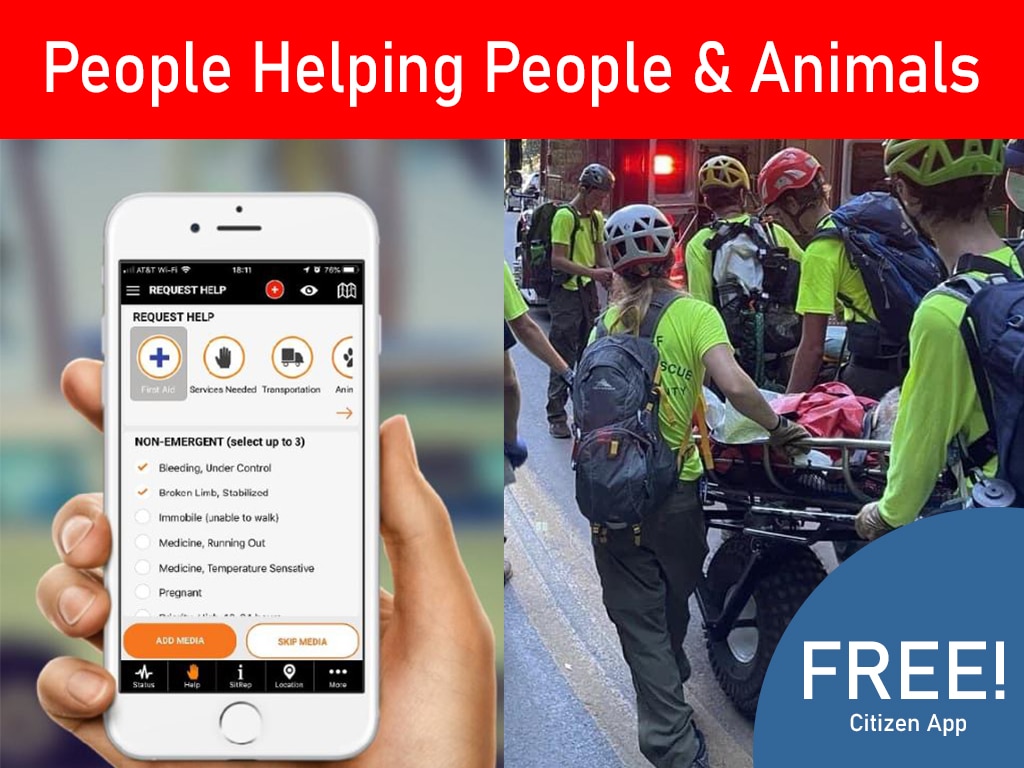
In any emergency, a coordinated response is everything. Public safety agencies bring structure and authority, but they can’t be everywhere at once. This is where the local NGO community becomes a critical partner. They have deep community ties, specialized skills, and the agility to fill gaps official channels might miss. But effective collaboration doesn’t just happen. It requires a mutual understanding of roles, capabilities, and communication. This guide will show you how to build powerful, life-saving partnerships with them before, during, and after a crisis.
Key Takeaways
- Know the type of NGO you’re working with: NGOs vary widely, from grassroots groups with deep local trust to international organizations with vast resources; understanding their specific mission is the first step to a successful partnership.
- Collaboration is non-negotiable in a crisis: The most effective emergency responses happen when public safety agencies and NGOs work together, combining official authority with an NGO’s community-level insight to create a more complete effort.
- True impact comes from building resilience: An effective NGO listens to the community, partners with other local groups, and adapts to changing needs, moving beyond simple aid to create lasting strength and preparedness.
What Is an NGO?
You’ve probably heard the term NGO, but what does it actually mean? Standing for Non-Governmental Organization, it’s a broad category for groups that play a huge role in everything from local community projects to international disaster relief. They are often the boots on the ground, the advocates for change, and the partners that public safety agencies rely on during a crisis. Understanding what they are and how they operate is the first step to building stronger, more effective collaborations in emergency response.
A Brief History of the Term ‘NGO’
While people have been forming groups to help their communities for centuries, the formal term “Non-Governmental Organization” has a much more recent and specific origin. Understanding this history helps clarify the official role these organizations play on the global stage, especially in partnership with government bodies. The term itself was a landmark recognition that governments and international bodies couldn’t tackle the world’s biggest challenges alone. It formalized the idea that independent, mission-driven organizations are essential partners in creating a safer and more just world, a principle that is more relevant than ever in disaster response.
From the UN Charter to Today
The term “Non-Governmental Organization” became official with the signing of the United Nations Charter in 1945. Article 71 of the charter created a formal process for the UN to consult with organizations operating outside of government control. This was a landmark decision, recognizing the unique expertise and reach that independent groups offer. Since then, the NGO world has grown to include a huge variety of organizations focused on human rights, environmental issues, and critical disaster relief. This history shows that from their formal inception, NGOs were seen as essential partners for tackling global challenges and providing humanitarian aid.
World NGO Day
To honor the incredible work these groups do, we celebrate World NGO Day every year on February 27th. Established in 2010, the day is a global recognition of the impact NGOs have on our societies. It’s a time to appreciate the millions of people who dedicate their skills to supporting communities, pushing for change, and delivering essential services when they’re needed most. The day also reinforces the power of partnership, showing how collaboration between NGOs, government agencies, and citizens is fundamental to solving complex problems. This spirit of cooperation is the bedrock of any successful emergency response plan and helps build stronger, more resilient communities for the future.
What Sets an NGO Apart?
At its core, an NGO is an organization that operates independently of any government. While some NGOs can technically be for-profit, the term almost always refers to non-profit groups dedicated to social, humanitarian, or environmental causes. Think of organizations like the Red Cross, Doctors Without Borders, or even smaller, local animal shelters. Their main goal isn’t to make money for shareholders; it’s to serve a specific mission. This independence allows them to fill gaps that government programs might not cover and respond quickly to community needs, which is why they are such vital partners in the PubSafe network.
How NGOs Maintain Their Independence
The term “non-governmental organization” gained traction after the United Nations was formed in 1945. The UN needed a way to differentiate between governmental bodies and private organizations. Legally, an NGO is a voluntary group of citizens, operating on a non-profit basis, to address issues for the public good. While they are independent, their relationship with governments can be complex. Many NGOs receive funding from government grants to carry out their work. This doesn’t mean they are controlled by the government, but it does highlight the importance of transparency and maintaining their autonomy. For any NGO looking to formalize its role in community safety, you can complete an organization registration to connect with other response teams.
The Scale and Impact of the NGO Sector
When we talk about NGOs, it’s easy to picture a few of the big, international names we see on the news. But that’s just the tip of the iceberg. The non-governmental sector is a vast and incredibly diverse ecosystem, ranging from hyper-local neighborhood groups to global organizations with operations in dozens of countries. The sheer scale can be hard to wrap your head around, but it’s this breadth and depth that makes the sector so powerful. These organizations are the lifeblood of community action, filling critical gaps in services and acting as a trusted presence on the ground. For anyone in public safety, understanding the scale of this potential partnership network is a game-changer.
It’s not just about having a list of contacts; it’s about recognizing that for almost any challenge a community faces, there’s likely an NGO already working on it. The challenge, then, isn’t a lack of resources, but a lack of connection. This is where modern tools become so important. Platforms like PubSafe are designed to bridge this gap, creating a shared space where organizations of all sizes can coordinate efforts, share real-time information, and manage volunteers. By bringing everyone onto a common operating picture, we can start to harness the full, collective power of this incredible sector. The impact isn’t just in the numbers—it’s in the speed, efficiency, and humanity of the response.
By the Numbers: How Many NGOs Exist?
It’s one thing to say the NGO sector is large, but the actual numbers help paint a clearer picture. Quantifying the sector reveals just how integrated these groups are into the fabric of our society, both at home and around the world. These figures aren’t just trivia; they represent a massive, decentralized network of helpers, advocates, and responders who are ready to step up when their communities need them. Understanding this scale is the first step toward appreciating their collective power and potential for collaboration during a crisis.
Statistics in the US and Globally
In the United States alone, there are approximately 1.5 million NGOs. To put that in perspective, that’s roughly one non-governmental organization for every 227 people. This incredible density means that no matter where you are, there’s a network of community-focused groups nearby. This number includes your local food pantry, the animal rescue down the street, and the volunteer search and rescue team that knows the local terrain. This diversity is a massive asset in an emergency, providing a wide range of specialized skills and deep community trust that can be activated to support official response efforts. You can explore a list of the biggest NGOs in the world to get a sense of the global scale.
Measuring Impact: Beyond the Balance Sheet
Numbers on a spreadsheet can only tell you so much. While the financial scale of some NGOs is certainly impressive, their true impact is measured in lives touched, communities strengthened, and futures changed. This is where we move beyond counting organizations and start looking at what they actually accomplish. The real story of an NGO’s value is found in its humanitarian reach and the services it provides on the ground. From disaster relief to long-term development projects, their work creates a ripple effect of positive change that strengthens community resilience from the inside out.
Financial Scale of Major NGOs
The financial resources that large NGOs can mobilize are truly remarkable and demonstrate their capacity for large-scale operations. For example, in a single year, an organization like Save the Children assisted nearly 43 million children and responded to over 100 separate emergencies, backed by an income of about $2.2 billion. These aren’t just abstract figures; they represent tangible aid—food, shelter, medical care, and protection—delivered to millions of people during their most vulnerable moments. This financial power enables them to deploy resources and personnel quickly anywhere in the world, making them indispensable partners in any major crisis.
Humanitarian Reach and Services
Beyond the financials, the true measure of an NGO’s impact is its reach and the specific services it delivers. Consider an organization like Oxfam International, which works in over 90 countries. During the COVID-19 pandemic, their response efforts alone helped over 14 million people. This is the kind of on-the-ground impact that saves lives. When public safety agencies partner with NGOs, they tap into these established global networks and deep wells of expertise. Coordinating these widespread efforts effectively requires robust tools for communication and volunteer coordination, ensuring that the right help gets to the right people at the right time, no matter where they are.
What Are the Different Types of NGOs?
When you hear the term NGO, you might picture a specific type of organization, but the reality is that they are incredibly diverse. NGOs aren’t a one-size-fits-all category. They operate with different goals, at different scales, and with different methods. Understanding these distinctions is key to seeing how they fit into the larger picture of community support and disaster response. Some focus on changing laws, while others are on the ground delivering aid. Let’s look at the main types you’ll encounter.
The Advocates: NGOs Influencing Policy
Think of these as the big-picture strategists. Advocacy NGOs work to promote a specific cause, like human rights or environmental protection, and they put their energy into influencing government policies. They often use lobbying, public campaigns, and research to raise awareness and drive systemic change. Instead of building a well themselves, they might campaign for a new law that ensures clean water access for an entire region. During a disaster, their work might involve advocating for better emergency preparedness legislation or holding institutions accountable for their response efforts. They are the voices pushing for long-term solutions and preventative measures that can make communities safer before a crisis even hits.
Hands-On Help: Service-Based NGOs
These are the “boots on the ground” organizations. Service and operational NGOs focus on planning and carrying out projects that deliver direct help to communities. This includes everything from building schools and providing healthcare to distributing food and water after a hurricane. They are deeply involved in the hands-on implementation of programs that address immediate needs. For anyone involved in crisis response, these are the partners you see managing shelters, clearing debris, and handling volunteer coordination during an emergency. Their work is tangible, direct, and essential for helping communities recover and rebuild in the aftermath of a disaster.
Classification by Orientation
Beyond just what they do, it’s important to understand how NGOs do their work. Their approach, or “orientation,” shapes their relationship with the communities they serve. This isn’t just a minor detail; it fundamentally changes the dynamic of their projects and their effectiveness as a partner. Some organizations deliver aid from the top down, while others work to build skills and power from within the community itself. Knowing an NGO’s orientation helps you anticipate how they will operate during a crisis and what kind of partnership you can expect to build with them.
Charitable Orientation
NGOs with a charitable orientation typically focus on a top-down distribution of aid. Think of a group that brings truckloads of food, water, and blankets into a disaster-stricken area and hands them out to those in need. This approach is often essential for meeting immediate, life-sustaining needs in the direct aftermath of an emergency. The primary goal is to provide relief quickly. While incredibly valuable, this model involves less direct input from the recipients on what is provided. It’s a strategy of giving help rather than building capacity, making these organizations powerful allies for immediate response but potentially less involved in long-term, community-led recovery efforts.
Participatory Orientation
A participatory approach centers on self-help projects that actively involve local community members. Instead of just delivering supplies, these NGOs work alongside residents, encouraging them to contribute their time, skills, tools, or even money to a project. For example, after a flood, a participatory NGO might help organize and equip neighborhood cleanup teams rather than hiring outside contractors. This method fosters a strong sense of ownership and ensures that the work being done directly addresses the community’s own priorities. It’s a collaborative model that builds local capacity and strengthens community bonds, which are crucial for sustainable recovery and resilience.
Empowerment Orientation
The empowerment orientation is the most in-depth approach. These NGOs aim to help people understand and gain control over the social, economic, and political factors that affect their lives. It’s about addressing the root causes of vulnerability. For instance, instead of just rebuilding homes after a wildfire, an empowerment-focused NGO might train community leaders on how to advocate for better fire-resistant building codes and improved forest management policies. Their goal is to equip people with the knowledge and tools to create lasting change for themselves, building a community that is not only prepared for the next disaster but is also more resilient and self-sufficient in the long run.
Classification by Level of Operation
Just as their missions vary, so does the scale at which NGOs operate. An organization’s geographic scope—whether it’s a small neighborhood group or a massive international entity—determines its resources, reach, and role in a disaster. A local group will have unparalleled knowledge of the community and deep-seated trust, while a national organization can bring in significant logistical support and specialized teams. Understanding an NGO’s level of operation is crucial for public safety agencies to identify the right partners for the right tasks, ensuring a more efficient and effective response that leverages the unique strengths of each group.
City-Wide and State NGOs
City-wide and state-level NGOs are the backbone of localized emergency response. City-wide groups, like a local CERT team or a chamber of commerce focused on business continuity, have an intimate understanding of their urban environment’s specific risks and resources. State NGOs operate on a broader scale, coordinating efforts across multiple counties or providing specialized services that smaller towns can’t support on their own. These organizations are invaluable because they bridge the gap between grassroots efforts and larger, national responses. Using a shared platform like PubSafe, these different levels of organizations can seamlessly coordinate, share incident reports, and manage resources on a public map, creating a unified operational picture for the entire region.
Grassroots Power: The Local NGO Community
Community-based organizations (CBOs) are formed by local residents to tackle issues right in their own backyards. They have an unmatched understanding of their community’s unique strengths and challenges. These groups are vital because they connect people with resources and with each other, building trust and local capacity from the ground up. CBOs play a critical role in effective community engagement because they are run by the very people they serve. In a crisis, they are often the first to respond, using their local networks to check on neighbors and share critical information long before outside help can arrive.
Global Reach vs. Local Focus
NGOs can also be defined by their scope. Some work at a local level while others operate all over the world. International NGOs (INGOs) like the Red Cross or Doctors Without Borders have vast resources and can deploy teams to address global issues like pandemics or large-scale natural disasters. Local NGOs, on the other hand, have deep community roots and provide targeted support. The most effective disaster responses often happen when these two types collaborate. This partnership combines the resources of an INGO with the trusted relationships and on-the-ground knowledge of a local organization, creating a more complete and effective response.
How Do NGOs Operate and Get Funded?
NGOs are the backbone of many community efforts, but how do they keep the lights on and the work moving forward? Their internal workings and financial strategies are just as varied as their missions. For anyone looking to partner with, volunteer for, or support an NGO, understanding how they operate is essential. It helps you see how they make an impact, especially during a crisis when resources are stretched thin and every action counts. An NGO’s effectiveness often comes down to a combination of a clear organizational model, diverse funding streams, and transparent financial management.
When these pieces work together, an NGO can effectively serve its community, build trust with its supporters, and seamlessly coordinate with volunteers and other agencies to get things done. This isn’t just about internal bookkeeping; it’s about operational readiness. A well-funded and well-structured NGO can deploy resources faster, manage teams on the ground more efficiently, and communicate clearly with public safety partners. For example, knowing an NGO has a stable funding model gives partners confidence in its ability to sustain long-term recovery efforts. Likewise, understanding its structure helps clarify roles and responsibilities during a joint response. Let’s look at how these critical elements come together to power their work.
Who’s Who in an NGO?
NGOs are generally organized in two ways: by what they do and where they work. First is their orientation, which is essentially their core mission. This includes groups focused on human rights, environmental protection, health services, or community development. Second is their level of operation, which defines their geographic scope. An NGO can be a small, local group working in a single neighborhood, a national organization operating across a country, or an international entity with a global reach. This structure helps clarify an organization’s purpose and the communities it serves, making it easier to coordinate efforts during an emergency.
Where Does the Money Come From?
To carry out their work, NGOs rely on several funding sources. Many receive money from private donations, membership fees, and the sale of goods or services. Another major source is grants from governments or larger international groups. While this funding is often essential, relying heavily on government support can sometimes be a double-edged sword. Some NGOs find that it can potentially influence their independence and ability to advocate freely. Because of this, many organizations strive to build a diverse funding base to ensure they can maintain their autonomy and stay true to their mission without outside pressure.
The Double-Edged Sword of Government Funding
Government grants are a significant lifeline for many NGOs, providing the resources needed to run large-scale programs and respond effectively during emergencies. This financial support allows organizations to carry out essential work that aligns with public service goals. However, this relationship can be a double-edged sword. While the funding is vital, heavy reliance on government sources can sometimes create pressure, whether real or perceived, that might influence an NGO’s ability to operate with complete independence. It’s a delicate balance of accepting crucial support while fiercely protecting the autonomy that allows an NGO to serve its community and, when necessary, advocate for change without restriction.
Corporate and Private Donations
To maintain their independence, most NGOs work hard to build a diverse funding base. Beyond government grants, they rely on a mix of sources, including private donations from individuals, membership fees, and even revenue from selling goods or services. Corporate partnerships can also be a valuable source of support. By not putting all their eggs in one basket, NGOs can safeguard their mission from the influence of any single donor. This financial diversity is key to their resilience, ensuring they can continue their work and make decisions based on community needs rather than donor demands. It’s this independence that allows them to be such reliable and agile partners in the field.
Self-Funding and Independence: The Greenpeace Model
For a powerful example of financial independence, look at Greenpeace. The organization has a strict policy of refusing donations from corporations and governments, relying instead on millions of individual supporters to fund its work. This self-funding model gives Greenpeace the freedom to confront environmental issues and challenge powerful entities without fear of financial repercussions. While not every NGO can or should adopt this exact model, it highlights a critical point: an organization’s funding strategy is directly tied to its mission. A clear, transparent approach to how money is raised ensures an NGO can remain focused, accountable, and true to its core purpose.
How They Ensure Financial Accountability
When you support an NGO, you want to know your contribution is making a difference. That’s where financial transparency comes in. A key term you’ll hear is “overhead,” which refers to the money spent on running the organization itself, like office costs and staff salaries, rather than on its projects. While a low overhead percentage is often seen as a sign of efficiency, focusing too much on this number can be misleading. Effective team management and operational capacity cost money but are vital for an NGO to do its work well, especially when responding to disasters. These organizations are crucial for delivering aid, gathering resources, and speaking up for communities in need.
Understanding Overhead Costs
It’s easy to get caught up in the numbers, especially the idea of “overhead.” This term simply refers to an NGO’s administrative and operational expenses—things like rent, utilities, and staff salaries. There’s a common myth that a lower overhead percentage automatically means an organization is more efficient. However, this can be a misleading metric. Investing in skilled staff, robust technology, and solid infrastructure is not a waste; it’s what allows an NGO to operate effectively. A well-run organization with the right resources is better equipped to manage volunteers, track aid, and respond to a crisis without falling apart. Think of it as the necessary foundation that supports the entire mission.
The Role of Public Review Platforms
Financial statements only tell part of the story. To get a real feel for an organization’s impact, it’s worth checking out public review platforms. Websites like GreatNonprofits and Charity Navigator gather feedback from people with direct experience—volunteers, donors, and individuals who have received services. These firsthand accounts offer a look into how an NGO operates on the ground and treats the people it serves. Reading reviews can help you understand an organization’s reputation within the community, its reliability, and its overall effectiveness. For public safety agencies, this is a great way to vet potential partners, and for individuals, it’s a smart step before donating your time or money.
Defining an NGO’s Role: Implementer, Catalyst, and Partner
It’s easy to see NGOs as just the groups that hand out water bottles, but their true function is much more dynamic. They operate in three key roles: as implementers, catalysts, and partners. As implementers, they are the operational force on the ground, deploying resources and managing teams to deliver direct aid. As catalysts, they spark change and build local strength, empowering residents to tackle their own challenges. But perhaps most importantly, they are partners. An effective NGO listens to the community and works alongside public safety agencies and other local groups. This collaboration is what transforms a scattered relief effort into a unified response, combining official resources with grassroots knowledge to create lasting strength and preparedness.
What Is the Role of NGOs in Society?
NGOs are vital players in our communities, stepping in to fill gaps that governments and for-profit companies often can’t. Their work is incredibly diverse, touching everything from local neighborhood projects to global policy debates. Operating independently gives them the flexibility to focus on specific missions and respond directly to the needs of the people they serve. Whether championing a cause, delivering critical aid, or protecting our planet, NGOs are on the front lines working to create a better, more equitable world.
From Petitions to Policy: Influencing Change
Many NGOs focus on being a voice for the voiceless. They work to change policies and laws to better support communities and protect fundamental rights. By conducting research, launching public campaigns, and lobbying government officials, they raise awareness about issues like social justice, public health, and human rights. This advocacy is crucial for creating long-term, systemic change. Instead of just treating symptoms, these organizations tackle root causes by pushing for stronger regulations and more equitable legislation, ensuring progress is sustainable and benefits everyone.
Delivering Direct Support to a Community
Beyond advocacy, many NGOs are known for their hands-on work. They provide essential goods and services directly to people in need, from running food banks and health clinics to offering educational programs. A key part of their success is their ability to work closely with local communities to understand what is truly needed. This grassroots approach ensures that their efforts are relevant and effective. By embedding themselves within the communities they serve, these organizations build trust and deliver support that makes a tangible, immediate difference in people’s lives.
How NGOs Respond When Disaster Strikes
When a crisis hits, NGOs are often the first to help. During natural disasters or humanitarian crises, they can mobilize quickly to provide life-saving aid like food, clean water, shelter, and medical care. Their agility allows them to reach affected areas and start relief efforts, sometimes even before larger government agencies can respond. This rapid deployment is critical in the immediate aftermath of a disaster, where every second counts. They coordinate volunteers and set up temporary facilities to support survivors through the most difficult times.
Fighting for a Greener Planet
NGOs also play a critical role in safeguarding our planet. They lead the charge on environmental protection by advocating for conservation, fighting pollution, and promoting sustainable practices. Some organizations focus on protecting specific ecosystems or endangered species, while others work on a global scale to address climate change. Their work includes everything from organizing local clean-up events to influencing international environmental policy. By focusing on sustainable development, these groups help ensure that communities can thrive without depleting the natural resources we all depend on.
Engaging in Track II Diplomacy
Track II Diplomacy isn’t just for international relations; it’s a powerful concept in disaster response. It refers to the informal, relationship-building work that happens outside of official government channels. NGOs are experts at this, acting as crucial bridges between official agencies and the communities they serve. They build trust and open lines of communication long before a crisis, creating a foundation for effective collaboration when it matters most. This groundwork is what allows for a seamless partnership, where an NGO’s deep community insight can complement the structured response of public safety teams. By fostering these relationships, NGOs ensure that when an emergency happens, the response is not a series of separate efforts, but a unified, community-wide mission.
How Do NGOs and Public Safety Work Together?
When a crisis hits, it’s an all-hands-on-deck situation. Public safety agencies and non-governmental organizations (NGOs) are two of the most critical players on the ground, but they often operate in different spheres. The key to a truly effective response isn’t just having them both present; it’s having them work together as a unified force. By combining the structure and resources of public safety with the community-level trust and agility of NGOs, we can create a response that is faster, smarter, and more compassionate. This collaboration turns separate efforts into a powerful, coordinated strategy that saves lives and helps communities recover more quickly.
How Partnerships Improve Crisis Response
Building strong relationships between public safety and NGOs is the foundation of a successful disaster strategy. Public safety agencies bring official resources, authority, and large-scale coordination to the table. On the other hand, NGOs often have deep, long-standing trust within the communities they serve, giving them a unique and vital perspective during a response effort. When these two groups partner, they can cover more ground and meet a wider range of needs. An NGO can identify vulnerable households that might be missed in a formal census, while a public safety team can provide the equipment and personnel to perform a rescue. This partnership ensures that the official response is informed by real, on-the-ground community knowledge.
Real-Time Coordination That Saves Lives
In the chaos of an emergency, clear communication is everything. With multiple agencies and organizations on the scene, it’s easy for wires to get crossed, leading to duplicated efforts and critical gaps in coverage. A unified system for multi-agency communication is essential for sharing real-time updates and coordinating action. When everyone is operating from the same playbook, a public safety team can see where an NGO has already distributed supplies, and an NGO can see which areas have been cleared by first responders. This shared awareness is exactly what PubSafe’s disaster response platform is designed for, creating a common operational picture for all stakeholders, from government agencies to citizen volunteers.
Using a Common Operational Picture
A common operational picture (COP) is the practical tool that makes real-time coordination possible. It’s a single, shared view of the situation on the ground that all responding groups can see and contribute to. Imagine a live map where a public safety officer can mark an area as cleared, an NGO can log a supply drop at a shelter, and a CERT team can report a road closure—all in real time. This shared visibility eliminates guesswork and prevents teams from wasting precious time and resources on tasks that have already been handled. This shared, live view is what a common operational picture provides, and it’s a core feature of tools like the PubSafe public map, ensuring every stakeholder is working from the same, up-to-the-minute information.
Pooling Resources for Greater Impact
When a disaster strikes, good intentions can sometimes lead to logistical nightmares. The sheer volume of organizations on the ground can make providing efficient aid difficult. Without coordination, one neighborhood might get flooded with water bottles while another goes without. Effective volunteer coordination and resource management are crucial. By using a shared platform, organizations can see where resources are being deployed in real time. This allows teams to direct supplies, personnel, and equipment to the areas of greatest need, ensuring that aid is distributed efficiently and equitably instead of being wasted or misdirected.
Why Local Community Knowledge Is Crucial
Local NGOs and community groups possess an invaluable resource: intimate knowledge of the people and places they serve. They understand the culture, the language, and the specific vulnerabilities of their communities in a way that outside agencies often can’t. This insight is critical for tailoring a response that is both effective and respectful. For example, a local organization will know the best way to communicate with elderly residents or which community leaders can help spread important information. By listening to and integrating this local expertise, public safety agencies can ensure their efforts are well-received and address the actual needs of the people they are trying to help. This is why platforms that allow citizens to report an incident directly are so powerful; they channel that local knowledge directly to responders.
What Challenges Do NGOs Face?
While NGOs accomplish incredible work, their path is often filled with significant hurdles. From securing funds to proving their effectiveness, these organizations constantly work to overcome obstacles that can stand in the way of their mission. Understanding these challenges is the first step toward finding effective solutions and building stronger, more resilient partnerships in the communities they serve. These hurdles often fall into a few key categories that impact their day-to-day operations and long-term sustainability.
The Constant Search for Stable Funding
An NGO can’t run on passion alone. Finding consistent and reliable funding is a persistent challenge. Most NGOs rely on a mix of sources, including private donations, membership fees, and grants from foundations or government bodies. This patchwork of funding can be unpredictable, making long-term planning difficult. Relying heavily on government grants can also be tricky. While the financial support is crucial, it can sometimes raise questions about an NGO’s independence, which is a key part of its public trust. This constant search for financial stability can divert precious time and resources away from the actual mission.
The Challenge of Inter-Agency Coordination
During a crisis, effective coordination is everything, yet it remains one of the biggest challenges in disaster response. Imagine multiple agencies, volunteer groups, and public safety teams arriving at a scene. Each group has its own way of working, its own resources, and its own communication methods. Without a central system to connect them, efforts can become duplicated, resources can be misallocated, and critical information can get lost. This is where dedicated team management tools become critical. A shared platform ensures everyone is working from the same playbook, which speeds up the entire relief effort and helps get support to where it’s needed most.
Bridging the Tech and Communication Gap
In disaster relief, clear and immediate communication can be the difference between life and death. Unfortunately, communication barriers are a common and dangerous hurdle. Different teams may use incompatible radio systems, or cell service might be down entirely. Without a unified communication platform, sharing real-time updates, damage assessments, and resource requests becomes nearly impossible. This technological gap can hinder the efficiency of relief operations. A centralized system that allows every stakeholder, from individual citizens to large organizations, to report incidents and communicate on one network is essential for a swift and organized response.
The Need for Unified Platforms
When every team on the ground uses a different tool, the response becomes fragmented. Imagine a public safety team is unaware that an NGO has already set up a distribution point just a few blocks away, or volunteers are dispatched to an area that has already been cleared. These aren’t just minor mix-ups; they waste precious time, supplies, and energy when every second counts. This is where a unified platform becomes a game-changer. It creates a single source of truth—a common operational picture—where every organization can see real-time updates on a shared map. This shared awareness is the key to effective emergency coordination, transforming a collection of well-meaning but separate groups into a single, powerful response force moving in sync.
How Do You Measure Real-World Impact?
How do you measure hope or community resilience? NGOs face constant pressure to demonstrate their effectiveness to donors, partners, and the public. Unlike a for-profit business that can point to sales figures, an NGO’s success is often measured in qualitative outcomes that are harder to quantify. They must create detailed reports and collect data to prove their impact, which requires significant administrative effort. This need for accountability is vital for maintaining trust and securing future funding, but it adds another layer of complexity to their work, especially for smaller, grassroots organizations with limited staff and resources.
Navigating Criticisms and Controversies
For all the good they do, NGOs are not immune to criticism. Like any powerful institution, they face scrutiny over their actions, funding, and impact. Understanding these common critiques is not about tearing these organizations down; it’s about holding them to a high standard and becoming a more discerning partner. When you’re working in high-stakes environments like disaster response, knowing the potential pitfalls is just as important as knowing an organization’s strengths. Addressing these issues head-on helps build stronger, more transparent, and ultimately more effective collaborations for everyone involved.
Accusations of Paternalism and Imperialism
It’s a tough criticism to hear, but some NGOs, especially large international ones, are accused of being paternalistic. This happens when an organization enters a community with preconceived notions about what that community needs, imposing outside solutions without respecting local culture, knowledge, or leadership. At its worst, this can feel like a modern form of imperialism, where good intentions unintentionally sideline local voices. The most effective organizations actively fight this by building genuine partnerships, listening more than they talk, and empowering local leaders to guide their efforts. To truly help, it’s essential to understand their role as a partner, not a savior.
Concerns Over Misinformation and Special Interests
Following the money is always important, and it’s no different for NGOs. Because many organizations depend on a handful of major donors or government grants, there’s a risk that their agendas can be influenced by the interests of their funders. This can lead to an NGO prioritizing projects that look good to donors rather than those that meet the community’s most pressing needs. It can also raise questions about the objectivity of the information they share. This is one of the key operational challenges for the sector, and it’s why financial transparency is so critical for maintaining public trust and ensuring an organization’s primary loyalty is to its mission.
The Rise of Government-Organized NGOs (GONGOs)
Another layer of complexity comes from what are known as Government-Organized NGOs, or GONGOs. These are organizations funded and controlled by government entities that are designed to look like independent, grassroots groups. This creates a complex relationship that can be deceptive. GONGOs can be used to promote a state’s agenda, create an illusion of a vibrant civil society, or even gather intelligence. For public safety agencies and other partners, the existence of GONGOs means it’s crucial to do your homework and vet potential collaborators to ensure they are truly independent and aligned with community interests, not a government’s political agenda.
Internal Policy Controversies
Sometimes, the biggest challenges an NGO faces come from within. Issues around governance, transparency, and accountability can seriously undermine an organization’s credibility and effectiveness. Public disputes over leadership decisions, questions about how funds are being allocated, or a lack of clear internal policies can erode trust with donors, volunteers, and the communities they serve. These internal controversies aren’t just drama; they can paralyze an organization, preventing it from responding effectively during a crisis. Strong governance isn’t just red tape—it’s the foundation of an NGO’s ability to operate with integrity and make a real, sustainable impact.
How Do NGOs Build Stronger Communities?
Beyond immediate aid, the most impactful NGOs focus on building communities that can stand on their own two feet. Their work is about creating a foundation of strength, knowledge, and connection that lasts long after a specific project or crisis ends. This isn’t just about handing out supplies; it’s about investing in people and their ability to create a better future for themselves. This shift from short-term relief to long-term development is what separates good intentions from lasting impact. It’s about seeing the potential in every community and providing the resources to help them realize it.
This long-term vision is what transforms a group of individuals into a resilient community. By focusing on skills, leadership, and preparedness, NGOs help ensure that when the next challenge arises, the community is ready to face it together. This approach creates a powerful cycle of empowerment, where people are not just recipients of aid but active partners in their own success. Effective volunteer coordination is a perfect example of this, turning willing citizens into an organized force for good. When people are trained and organized, they become a critical part of the response infrastructure, rather than waiting for outside help. This groundwork is essential for creating a culture of preparedness and mutual support that can withstand any storm.
Building Skills for a Stronger Future
One of the most direct ways NGOs strengthen communities is by empowering individuals with new skills and opportunities. They work on practical projects that have a lasting impact, like building schools, improving local health clinics, and offering job training programs. This work is designed to help communities become strong and self-reliant. Instead of creating dependency, the goal is to provide the tools and knowledge people need to support themselves and their families. This could mean teaching sustainable farming techniques, offering literacy classes, or providing vocational training that opens doors to new careers, creating a ripple effect of stability and growth.
Developing Leaders from Within the Community
Effective NGOs understand that real change comes from within. They don’t just show up with a plan; they work to identify, train, and support local leaders who already have the trust of their community. This strategy of community engagement is crucial for building programs that actually meet local needs. By listening to and collaborating with community members, NGOs can design more effective initiatives and mobilize local resources and support. This partnership ensures that projects are culturally appropriate and sustainable, and it empowers local leaders to continue the work long after the NGO’s direct involvement has ended.
Creating Lasting Community Resilience
A core focus for many NGOs, especially those in disaster response, is building long-term community resilience. This means helping communities not only recover from a crisis but also prepare for future events. This work involves a wide range of activities, from strengthening infrastructure and developing early warning systems to creating community emergency response plans. By bringing a unique focus to disaster response and recovery strategies, NGOs help build local capacity. When communities have the plans, training, and networks in place, they are far better equipped to handle emergencies, reduce damage, and recover more quickly.
Common Myths About NGOs (and the Real Story)
NGOs are vital partners in community safety and disaster response, but misconceptions about how they operate can sometimes create confusion. When you understand the reality behind their work, you can build stronger, more effective partnerships. Let’s clear up a few common myths to help you collaborate with confidence.
Myth: It’s All About Altruism
Many people assume NGOs run on good intentions alone. While a strong sense of purpose drives their work, they are also complex organizations with real-world operational needs. They have staff to pay, offices to run, and strategic goals to meet. An NGO’s independence is also a key part of its trustworthiness. As a result, leaders must carefully consider their funding sources. For example, relying too heavily on government grants could potentially limit an organization’s ability to speak freely on important issues. Navigating these practicalities is part of ensuring the mission can continue effectively for years to come.
Reality: Accountability Is Everything
While NGOs champion important causes, they aren’t immune to scrutiny. Just like any other organization, they must be accountable to their donors, partners, and the communities they serve. Concerns about financial mismanagement or a lack of transparency can damage an NGO’s reputation and effectiveness. The most successful organizations prioritize clear reporting and responsible oversight to maintain public trust. This commitment to accountability is what makes them reliable partners in a crisis. Tools that support transparent team management are essential for coordinating efforts and demonstrating impact, especially during an emergency response where every action counts.
Myth: They Survive on Donations Alone
It’s a common belief that NGOs are funded entirely by individual donations. In reality, most have a diverse funding strategy to ensure their long-term stability. According to Wikipedia, NGOs often get money from a mix of sources, including donations, membership fees, selling goods or services, and grants from governments or international groups. This varied approach helps them weather economic shifts and sustain their operations without relying on a single source of income. When you see an NGO with multiple revenue streams, it’s often a sign of a resilient and well-managed organization. Any verified group can complete an organization registration to join the PubSafe network and coordinate with others.
What Separates an Effective NGO from the Rest?
Having a powerful mission is the first step, but what truly separates a good NGO from a great one is its effectiveness. It’s not just about the desire to help; it’s about creating real, measurable, and positive change. In the world of disaster response, effectiveness can mean the difference between a community that recovers quickly and one that struggles for years. So, what’s the secret sauce? It boils down to a few core practices that any organization can adopt.
Effective NGOs don’t operate in a bubble. They are deeply connected to the people they serve, they work hand-in-hand with other groups, and they aren’t afraid to change their approach when the situation on the ground shifts. They understand that their role is to support and empower, not to take over. By focusing on listening, partnering, and adapting, an NGO can move beyond simply providing aid to building lasting resilience within a community. These principles are the foundation of a response that is not only helpful in the moment but also sustainable for the future.
They Listen to the Community First
The most effective NGOs start by listening. Before deploying resources or launching a program, they take a step back and ask what the community actually needs. This seems simple, but it’s a crucial step that’s often overlooked in the rush to help. True community engagement builds trust and ensures that your efforts are genuinely useful. It means creating channels for feedback and treating community members as partners in their own recovery. When citizens can easily report an incident, they provide responders with direct, real-time information that is more valuable than any top-down assessment. This ground-up communication ensures that aid goes where it’s needed most.
They Partner with Other Local Organizations
No single organization can handle a crisis alone. That’s why smart NGOs prioritize collaboration. Partnering with other local groups is a force multiplier. These organizations often have established connections and a deep understanding of the local landscape, which is invaluable during an emergency. By working together, you can share resources, avoid duplicating efforts, and present a united front. A coordinated response is always more powerful than a fragmented one. Platforms that facilitate team management allow different groups, from CERT teams to grassroots organizations, to communicate and deploy volunteers seamlessly, making the entire response effort more efficient and impactful.
They’re Always Ready to Adapt and Learn
A disaster is not a static event. Conditions can change in an instant, and the needs of a community will evolve throughout the response and recovery process. The most effective NGOs are flexible and ready to adapt their strategies. They view community outreach as an ongoing process, constantly gathering feedback and monitoring the situation to see what’s working and what isn’t. This requires a willingness to learn and pivot. Using tools like a public map that shows real-time incident reports and resource locations allows organizations to make informed decisions on the fly, ensuring they can respond to new challenges as they arise.
How Can You Get Involved with a Local NGO?
Feeling inspired to contribute? Getting involved with an NGO is one of the most direct ways to make a difference in your community and beyond. Whether you have time to spare, skills to share, or resources to give, there’s a role for you. The path you choose depends on your personal goals, availability, and the specific needs you want to address. From volunteering on the front lines to providing crucial financial backing, your support helps these organizations carry out their vital work. Let’s explore a few ways you can jump in and start making an impact.
Volunteer Your Time and Skills
Giving your time is a powerful way to support a cause you care about. NGOs rely on volunteers to help with everything from administrative tasks and fundraising to direct fieldwork during emergencies. You don’t need to be a first responder to be useful; organizations need people with skills in communication, logistics, tech, and project management. If you’re looking to help during a crisis, effective volunteer coordination is key to ensuring efforts are helpful, not harmful. Platforms like PubSafe connect skilled individuals with CERT teams and NGOs that need support, allowing you to find opportunities where your abilities can make the biggest difference.
Donate to Support Their Work
Consistent funding is the fuel that keeps NGO operations running. Financial contributions, no matter the size, are essential for everything from paying staff and maintaining equipment to launching and sustaining long-term community programs. Many organizations depend on donations from individuals to continue their work. Before you donate, it’s always a good idea to research the organization to understand its mission and how it operates. Look for transparency in their financial reporting to ensure your contribution will be used effectively to support the causes you believe in. Recurring donations are often especially helpful, as they provide a stable source of income that allows NGOs to plan for the future.
Ready to Start Your Own?
If you see a gap in services or a community need that isn’t being met, you might consider starting your own NGO. This path requires passion, dedication, and a clear vision. It often begins with one person or a small group identifying a specific problem and developing a mission to solve it. Once you have a plan and a team, you’ll need the right tools to coordinate your efforts and communicate effectively. To hit the ground running, you can register your organization on a platform like PubSafe. This allows you to manage your team, coordinate with other agencies, and become part of a larger network of responders from day one.
Related Articles
- NGO Disaster Response: Key Challenges & Solutions | PubSafe
- NGO Technology for Disaster Response & Team Management | PubSafe
- NGO Disaster Response Coordination During Natural Disasters
- NGO Technology Improves Operational Efficiency
Frequently Asked Questions
What’s the main difference between how an NGO and a public safety agency operate in a crisis? Think of it as a partnership between formal structure and flexible action. Public safety agencies, like police or fire departments, operate with official authority and bring large-scale resources and a clear command structure to an emergency. NGOs, on the other hand, often have deep community trust and the agility to respond to specific, on-the-ground needs very quickly. They can fill gaps that a formal response might miss, making their collaboration with public safety essential for a complete and effective response.
Why is it so hard for different response groups to work together during an emergency? In the chaos of a crisis, many well-intentioned groups arrive on the scene, but they often come with their own communication methods, leadership, and plans. Without a central way to coordinate, it’s easy for efforts to overlap in one area while another area gets no help at all. This lack of a shared, real-time picture of the situation is one of the biggest hurdles to providing fast, efficient aid to everyone who needs it.
If an NGO gets government grants, does that mean it’s controlled by the government? Not at all. While many NGOs receive government funding for specific projects, this does not mean the government controls their overall mission or day-to-day operations. An NGO’s independence is one of its greatest strengths. To protect this autonomy, most organizations work hard to secure funding from a variety of sources, including private donations and membership fees, so they aren’t overly reliant on any single contributor.
I want to help during a disaster, but I’m not a first responder. How can I volunteer effectively? You absolutely can. Emergency response requires a huge range of skills beyond medical aid or search and rescue. NGOs need volunteers with experience in logistics, communications, organizing supplies, managing data, and offering emotional support. The most effective way to help is to connect with an established organization before a disaster or in its immediate aftermath. They can place you where your skills will be most useful and ensure your efforts are part of a coordinated, safe response.
How can a small, local organization even begin to help in a major disaster? Small, local organizations are incredibly powerful during a disaster precisely because they are local. They possess an invaluable resource: intimate knowledge of their community’s people, culture, and geography. They know which residents are most vulnerable, which roads are likely to flood, and who the trusted community leaders are. This allows them to act as a critical bridge, connecting the large-scale efforts of outside agencies to the real, specific needs on the ground.