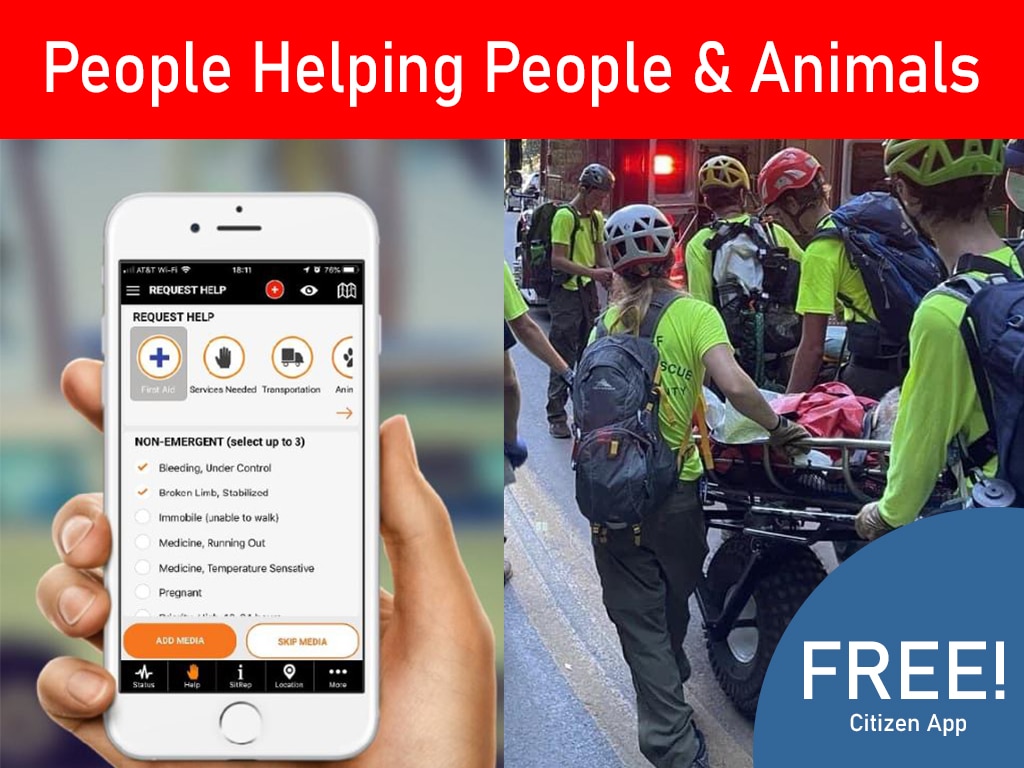
A church basement can become a relief hub before local floodwaters stop rising. Without assigned roles, willing hands can slow help instead of sending it.
Church disaster response volunteers serve safely and quickly when leaders assign roles for intake, supply staging, shelter support, communications, pastoral care, and check-in. During a local disaster, one coordinator should track available people, urgent requests, open shelter space, inventory, and referrals in one verified list. That structure keeps donated goods moving where needed and helps prevent untrained volunteers from entering unsafe work or duplicating aid already assigned. FEMA notes that training and planning exercises can strengthen preparedness, response, and recovery capacity for faith-based organizations, staff, and volunteers in every disaster phase. With a common process, churches can receive neighbors with care while documenting needs, assignments, and next actions for follow-up after immediate relief ends.
The practical question is how a ministry turns goodwill, rooms, supplies, and requests for help into one reliable local response. Church disaster response volunteers need a clear command structure before teams can coordinate safely, work with local partners, and serve neighbors well.
Church disaster response volunteers need a clear command structure
Roles set before an incident.
A congregation may know who is willing to help, yet still lose time when a storm or fire disrupts normal routines. Assign one disaster ministry lead before an incident. Name two backups in case that person is away, affected, or unreachable.
The lead keeps the response plan current, starts approved church actions, and gives volunteers one clear point of direction. This approach aligns with FEMA guidance for houses of worship, which encourages plans and procedures that protect congregations, staff, and facilities.
A small team with clear duties
Church disaster response volunteers need work assignments that are easy to explain in a brief meeting or text. Select people for skill, calm judgment, availability, and trust, rather than choosing roles only by title. Record each primary name, backup, phone number, and decision limit in the plan.
- Safety and accountability lead: Tracks check-in and check-out, briefs volunteers on hazards, and pauses unsafe work.
- Intake lead: Receives requests for help, records urgent needs, and protects private information shared by households.
- Logistics lead: Confirms supplies, vehicles, storage, meal support, and delivery assignments before teams deploy.
- Partner liaison: Shares verified needs and available church resources with emergency managers and trusted relief partners.
Each lead should know which decisions can be made at once and which need pastoral or ministry approval. An intake lead, for example, may log a request and route it for action. The lead should not promise housing, cash aid, or cleanup until capacity and safety are confirmed.
Support for official response
A church team serves neighbors best when it complements official emergency response rather than replacing it. Fire, medical, rescue, evacuation, law enforcement, and public warnings remain with qualified authorities. Church teams can focus on known local needs, volunteer care, supply support, and follow-up after urgent hazards are addressed.
The partner liaison prevents duplicate work and helps the church refer needs beyond its training or resources. Before a crisis, that person can introduce the church to local emergency management and voluntary partners. PubSafe’s guide to faith-based volunteer coordination can help leaders frame those working relationships.
Keep the structure useful between emergencies. Run short call-tree checks, review role backups, and practice recording requests and volunteer status. A simple roster and regular exercise help people act with care when familiar church routines are disrupted.
How can churches organize disaster response volunteers?
Churches can organize church disaster response volunteers by building a roster before need arises. Then they can use one clear activation process during an incident. This approach helps ministry leaders know who is ready, where they are serving, and when they are safely released.
Blue-sky roster and roles
Start in blue skies, when no urgent response is under way. List skills, limits, roles, and lead contacts before the next storm or local emergency. A ready roster gives the church a calm starting point when calls for help arrive.
-
Build the volunteer roster. Collect names, contact details, availability, transport access, languages, care skills, and role limits during calm periods. Ask volunteers to update their details after training or a change in availability.
-
Map tasks and team leads. List roles such as supply staging, meal support, cleanup, family care, shelter welcome, and communications. Name a lead and a backup for each role.
-
Send a clear activation message. State the incident, meeting point, arrival window, needed roles, and reply method. Confirm each volunteer before anyone travels or reports to a worksite.
-
Hold a safety briefing. At check-in, log arrivals and cover hazards, protective gear, site boundaries, communications, and injury reporting. FEMA notes that training and planning exercises may strengthen response and recovery capacity for faith-based volunteers.
-
Assign people to shifts. Give each volunteer a lead, location, task, and shift end time. Record each assignment so coordinators know who is serving and where.
-
Require check-ins. Set check-ins for shift start, task changes, breaks away from the site, and shift end. Use one channel for needs, updates, and safety concerns.
-
Close the assignment. Confirm each volunteer is released or reassigned, collect equipment, record open needs, and share support contacts. Schedule a short review while key lessons are still fresh.
One response record
A coordinator should not have to sort texts, paper sign-in sheets, and separate team lists during a response. A shared coordination process gives church leaders one operating picture while preserving pastoral care and local partnerships.
Churches may also receive neighbors who volunteer after a disaster. PubSafe’s guide to managing spontaneous church volunteers explains intake and assignment concerns. Build that intake lane before an event, then pair approved helpers with trained team leads.
Demobilization and ongoing care
Release is part of safe coordination, not an afterthought. Leaders should track who went home, who changed roles, and which needs remain open. They can then check on volunteer well-being, refresh the roster, and improve the workflow before the next activation.
Match volunteer roles to training, safety, and care
Church disaster response volunteers bring many forms of service, from lifting supplies to listening with care. The right match starts before deployment. Ask what each person can do, what training they hold, and what limits may affect a shift. Clear placement helps a church serve neighbors without asking volunteers to take on unsafe work.
Roles based on skill and risk
Begin with tasks that match a person’s skill, comfort, mobility, language, and schedule. A parent with childcare limits may fill a short phone shift. A bilingual member may help route requests or interpret approved updates. A driver may transport supplies only after the coordinator confirms the route, vehicle, and receiving site.
- Shelter and donation support: greeting, sorting goods, restocking, serving meals, or recording requests.
- Cleanup and transport: moving debris or supplies only with the right safety briefing, equipment, and supervision.
- Wellness checks and language access: making assigned calls, noting urgent needs, or helping neighbors understand response updates.
- Care roles: offering spiritual presence or practical comfort, while passing clinical and crisis needs to trained partners.
Do not treat every willing volunteer as ready for every setting. FEMA notes that opportunities range from novice roles to professional roles, and some need specialized training from partner groups. This allows new helpers to serve in safe support roles while trained people handle higher-risk work.
Training and safety boundaries
Give each team a short role briefing before a shift: task, location, team lead, check-in method, stop-work triggers, and handoff steps. Training and planning exercises may strengthen faith-based groups and their volunteers, according to FEMA guidance for faith and volunteer partners. Practice these steps on calm days, not for the first time during an incident.
Set boundaries in plain language. Volunteers should not enter unsafe structures, provide medical or mental health treatment, transport people without approval, or promise aid they cannot confirm. Refer injury, abuse, acute distress, shelter placement, and other complex needs to the right local partner or emergency service.
- Pair less experienced volunteers with a trained lead.
- Record training, role clearance, shift status, and referrals.
- Pause an assignment when conditions change or a volunteer feels unsafe.
Careful coordination during each shift
Spiritual care and wellness outreach require the same discipline as supply work. Listen, respect a person’s beliefs and privacy, and do not press a prayer or conversation. If language access is needed, use an assigned interpreter or trusted community partner for clear, respectful communication.
A church can also plan how it will receive and place unaffiliated helpers after a storm. A simple process for managing spontaneous church volunteers helps coordinators match help to current needs and document handoffs. It also keeps safety boundaries visible during the response.
Coordinate supplies, shelters, and assistance requests
When needs surge, church disaster response volunteers need one shared operating picture. Track requests, goods, shelter facts, and private assistance records as distinct workstreams.
Faith-based groups can support planning, response, and recovery, according to FEMA guidance for community partners. A simple log shows what is needed, what is available, and what still needs an owner.
Requested needs and donated goods
Start a needs list from requests made by affected households, partner groups, and shelter leads. Give each request an item, quantity, location, urgency, verifier, and current status. Keep donated goods in a separate intake log, even when a gift matches a request.
At intake, note the item type, usable amount, storage point, restrictions, and assigned distribution lead. Record each handoff so the team does not promise goods twice. This also helps leaders redirect items that do not match confirmed needs.
Confirmed shelter information
Publish shelter details only after a lead checks them with the shelter operator or emergency contact. Confirm the name, address, hours, access details, pet policy, capacity status, contact method, and update time.
Old shelter details can send families to a closed or full site. Assign one person to recheck each public notice on a set schedule. Use one shared update channel, with a clear approach to disaster response volunteers.
| Workstream. | Owner. | Track. | Close-out. |
|---|---|---|---|
| Needs. | Needs lead. | Item, amount, urgency. | Open or met. |
| Donations. | Supply lead. | Item, count, storage. | Handoff noted. |
| Shelters. | Liaison. | Status, hours, access. | Stale notice removed. |
| Assistance. | Care lead. | Case ID, consent, status. | Service confirmed. |
Private assistance and closure.
Assistance requests may include health needs, displacement, safety concerns, or contact details. Limit access to volunteers assigned to that work. Share only what a volunteer needs for the next safe handoff. Use a case ID in team updates.
Close the loop after service is confirmed. Mark the request fulfilled, partly fulfilled, declined, or referred. Record the date and responsible lead. Review open cases at each shift change. This keeps needs visible without exposing a family’s private information.
How should churches partner with emergency managers?
Churches serve neighbors well when they coordinate before needs become urgent. A local emergency manager can explain current plans, reporting paths, shelter rules, and unmet needs. FEMA guidance notes that faith-based and community groups bring useful skills to planning, response, and recovery.
Relationships built before an incident
Start with a short meeting during calm weather. Ask the local emergency management office how churches can join planning sessions, exercises, or a local VOAD-type network. Name one church contact and one backup. Give both contacts permission to share approved updates with leaders and volunteers.
Keep the relationship active between storms, fires, and other events. FEMA Voluntary Agency Liaisons build links among government, voluntary, faith-based, and community partners. Local emergency managers may have similar contacts or coalition meetings. Regular contact helps church disaster response volunteers understand where their work fits before a call for help arrives.
A clear capacity picture
Tell partners what the church can provide, not what it hopes to provide. List trained teams, languages spoken, accessible rooms, vehicles, storage space, meal capacity, and hours of operation. Note limits as clearly as strengths. This prevents an emergency manager from planning around people, space, or supplies that are not ready.
Share how volunteers will be checked in, assigned, supervised, and released. For new helpers who arrive after an incident, plan for screening and safe assignment. PubSafe’s guide to managing spontaneous church volunteers can help leaders build that process before crowds gather.
Coordination during response
When an incident starts, safety needs follow official routes. Report emergencies through 911 or the local public safety process, not a volunteer chat thread. Then send brief status updates to the assigned coordination contact. Include what is open, what is full, what help is requested, and when the next update will come.
Do not self-deploy teams into damaged areas or open duplicate supply sites without coordination. Ask where church support fills a verified gap. Assign one liaison to join calls, record requests, and confirm completed work. A shared approach to faith-based volunteer coordination helps congregations serve together without adding confusion for responders or families.
Build a communication and accountability rhythm
One shared communication path
Church disaster response volunteers need one known path for updates before a storm, fire, or local emergency occurs. Name a response coordinator and a backup. Set one place for shift assignments, check-ins, urgent needs, and situation reports. This cuts the risk that an important request stays buried in a private text thread.
A communication rhythm can be simple: a briefing before each shift, a check-in during service, and a closeout after it ends. Ask volunteers to report their location, task status, safety concerns, and unmet needs. For a larger or fast-changing response, the church can review PubSafe guidance on disaster response volunteers as it sets its process.
Accountability that protects people
Accountability is care, not punishment. Coordinators should know who accepted a role, who arrived, where each team is serving, and whether anyone has returned safely. Those records help prevent missed handoffs and unplanned solo work. They also make it easier to pause an assignment when conditions change.
Protect privacy at the same time. Share only the details needed for a volunteer to complete a task safely. Keep household needs, health information, contact details, and pastoral concerns out of broad group messages. Use role-based updates, such as a delivery address for the assigned team, rather than posting a family’s full situation.
Situation reports should be brief and useful. A report can state what happened, who is safe, what work is underway, what remains unmet, and which issue needs leadership action. Avoid rumors and personal stories that have not been approved for sharing. A clean record protects neighbors from unwanted exposure and protects volunteers from confusion.
Habits for ordinary weeks
Good communication is easier under stress when it is normal during calm weeks. Once a month, test the call tree, confirm role leads, update availability, and practice one short check-in. Rotate simple scenarios, such as a meal delivery request or a shelter supply need, so teams learn the reporting rhythm.
Training should include local partners and church leaders when possible. FEMA notes that training and planning exercises may strengthen preparedness, response, and recovery capacity for faith-based partner groups. The goal is not to add meetings. It is to help people know what to do when a neighbor needs aid.
Digital tools should support the plan, not replace it. Choose a tool that team leads can use, then set clear rules for access, updates, and backup contacts. PubSafe describes incident awareness and volunteer coordination as part of its approach. Churches should still confirm their own roles, privacy practices, and offline fallback before an emergency.
Prepare the congregation before disaster strikes
Preparation gives a congregation a calm path from concern to useful action. Church disaster response volunteers serve best when leaders settle basic roles, contacts, spaces, and care practices before a storm or fire.
Keep records ready for care
Start with a secure volunteer list that names contact details, nearby areas, languages, training, useful skills, and safe task limits. Record who may drive, cook, offer spiritual care, support children, handle supplies, or help with cleanup.
Update the list through ordinary ministry life, not only during emergency season. Ask members to confirm details, choose how they may be contacted, and name any limits on sharing their information. A current list protects trust while making assignments faster.
The FEMA faith and volunteer guidance supports training and planning exercises for faith-based partners. These exercises can build response and recovery capacity for staff and volunteers. Keep drills short: check a phone tree, walk through shelter setup, or practice a supply handoff.
Map people, places, and partners
Walk through church property with a small team. List usable rooms, accessible entrances, restrooms, parking access, power options, first aid items, food service equipment, cleanup tools, and storage keys. Mark what is available, what must be replenished, and who can approve its use.
Match tasks to skill and supervision before names are called in a crisis. A nurse, electrician, interpreter, kitchen lead, youth worker, or licensed driver may support different work. Note which jobs require screening, training, protective gear, or a partner present, then plan alternatives for volunteers who cannot deploy.
Make a partner sheet for local emergency management, nearby congregations, shelter groups, food partners, and care providers. Speak with them before a crisis, so each group understands likely needs and points of contact. Review PubSafe’s guide to faith-based volunteer coordination with ministry leaders.
Set conduct rules and review dates
Service still needs boundaries. Give each volunteer a simple conduct guide. Respect each person’s faith and choices, protect private details, and stay within assigned roles. Report safety concerns and refer needs beyond your training. Explain how photos, names, addresses, prayer requests, and family information may be shared, if at all.
Choose a coordinator and backups for each key role. They can review readiness on a set calendar, after a drill, and after any real activation. Use guidance on managing spontaneous church volunteers to shape intake steps when new helpers arrive during an event.
Preparedness is a form of neighbor care in ordinary ministry. Keep contacts current, know the supplies on hand, and practice together. Then the congregation can turn goodwill into organized help with less confusion.
Frequently Asked Questions
How can churches effectively coordinate disaster response volunteers?
Churches can appoint one response coordinator, define roles before an incident, and record each volunteer’s skills, availability, and assignment. During activation, use one shared process for needs, check-ins, supply requests, and completed work. The Federal Emergency Management Agency notes that training and planning exercises may improve the preparedness and response capacity of faith-based groups, staff, and volunteers.
Do I need special training to be a church disaster response volunteer?
Not every church disaster response volunteer needs specialist training. Many people can assist with approved tasks such as sorting supplies, making calls, or supporting registration after an orientation. Roles involving safety risks, sensitive care, or specialized equipment should be assigned only after suitable preparation. The Federal Emergency Management Agency provides resources for faith-based and volunteer partners planning their response roles.
How do faith-based organizations partner with emergency managers during disasters?
Faith-based organizations can build partnerships before a disaster by naming a contact, mapping available facilities and supplies, and joining local planning conversations. After an incident, they can share verified needs and coordinate offers of help through agreed channels. FEMA’s engagement guide says these organizations bring capabilities for planning, response, and recovery, while collaboration strengthens community resilience.
How can churches organize disaster supply distributions?
Churches can begin with an approved needs list, one receiving location, and a simple inventory process. Volunteers should record incoming items, prepare consistent distribution kits, and track fulfilled requests without exposing private details. Coordinate delivery times and unmet needs with local response partners. A shared coordination record helps prevent duplicate drop-offs, missing essentials, and conflicting instructions for families seeking assistance.
What role do church volunteers play in community disaster recovery?
Church volunteers can support recovery by checking on neighbors, distributing requested supplies, helping with cleanup when trained and cleared, and connecting families with local assistance. Congregations can also offer appropriate emotional and spiritual support without replacing professional care. Because recovery often lasts beyond the first response period, volunteers should track remaining needs and coordinate their work with established community partners.
Ready to Coordinate Local Disaster Response Together?
When requests arrive through scattered channels during disaster response, leaders may spend time sorting details instead of directing help where neighbors need it most. Starting before the next local emergency gives your team needed time to define roles, organize information, and practice a clear, calm response process. Preparation helps limit avoidable confusion when volunteers, donated supplies, shelter support, and assistance requests must move quickly through one coordinated community service plan.
Ready to replace last-minute coordination gaps with a response approach your leaders and volunteers can understand before a stressful event begins? Register your organization with PubSafe to coordinate disaster response volunteers, assistance requests, supplies, and shelter support through a practical preparation step today.