

Disaster Response Operations: Information & Communication
Improve disaster response operations management information and communication with a shared operational picture, trusted reports, and coordinated action.

What Is Response in Disaster Management Plans?
Learn what is response in disaster management, how teams coordinate reports, people, and resources to protect communities when incidents strike safely.

Volunteer Management Software for Nonprofits Guide
Compare volunteer management software for nonprofits by testing onboarding, communications, reporting, permissions, and emergency coordination.

Disaster Response Platform for NGOs: A Practical Guide
Learn how a disaster response platform for NGOs supports incident reporting, volunteer coordination, field visibility, and partner workflows.
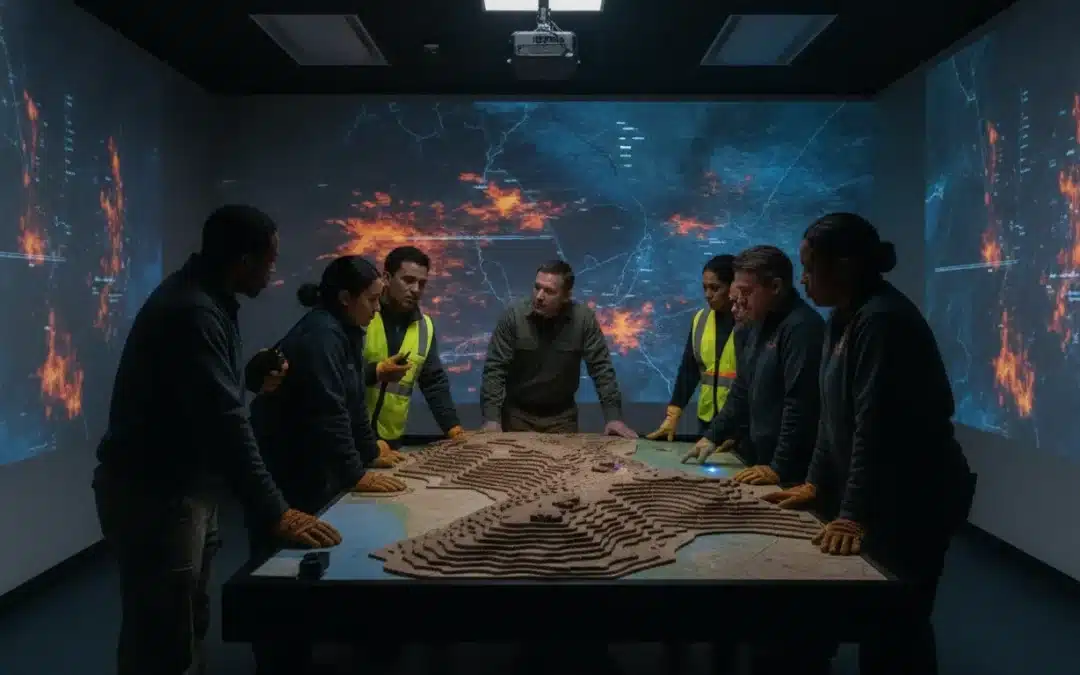
AI Incident Management Software: What to Evaluate
Evaluate AI incident management software for safe assistance, human oversight, privacy, security, and outage resilience in emergency operations.

Continuity of Operations Plan Software Guide
See how continuity of operations plan software supports plan maintenance, exercises, dependencies, and activation for nonprofits and public safety teams.
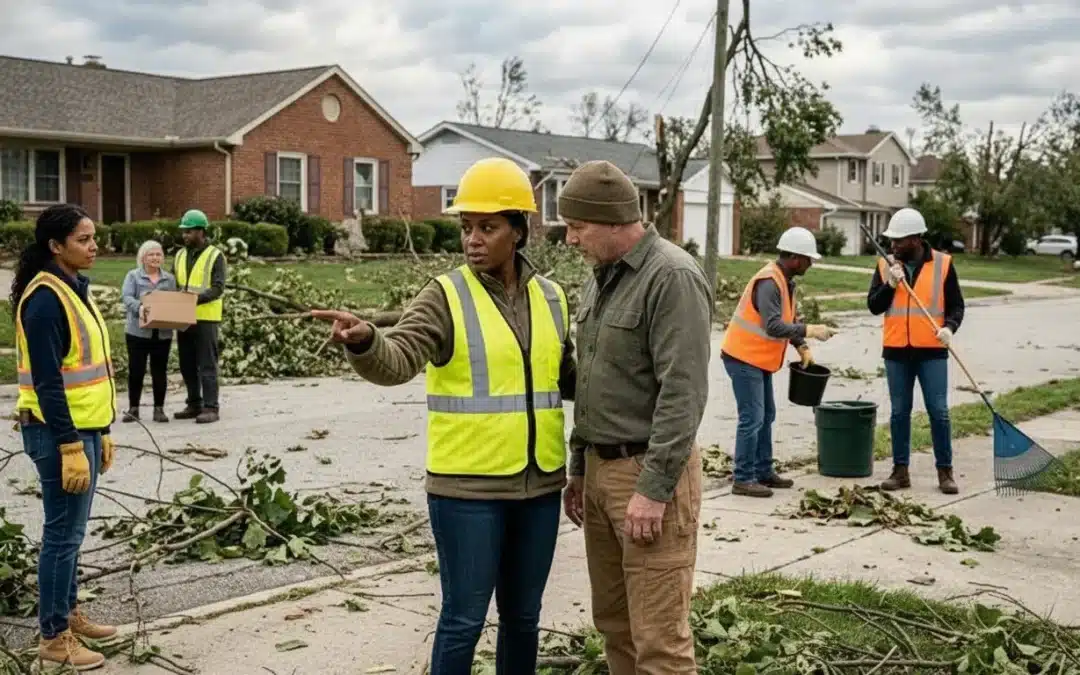
Post Disaster Community Needs Assessment Guide
Use this post disaster community needs assessment field guide to collect, validate, prioritize, and route requests for safe, coordinated disaster response.

Early Warning Systems: From Alerts to Action
Learn how early warning systems connect hazard detection, public alerts, and coordinated action for municipalities, CERTs, NGOs, and local safety teams.

Utility Outage Emergency Communication Plan
Build a utility outage emergency communication plan for verified updates, resident reports, priority needs, restoration information, and partner handoffs.

Disaster Recovery Coordination for Rural Health Centers
Disaster recovery coordination for rural health centers: learn to align continuity, updates, partners, transport, supplies, and recovery reporting.